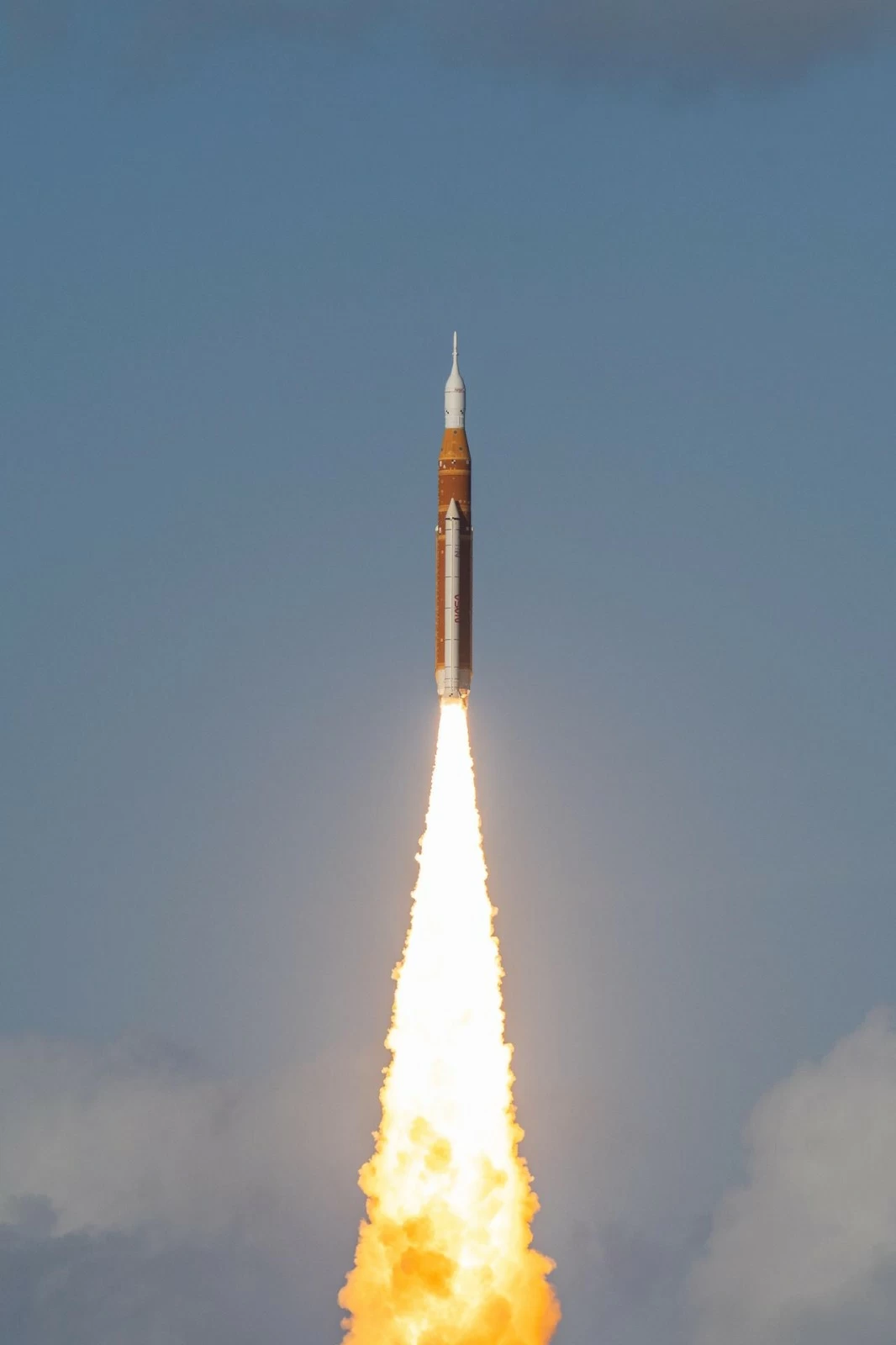
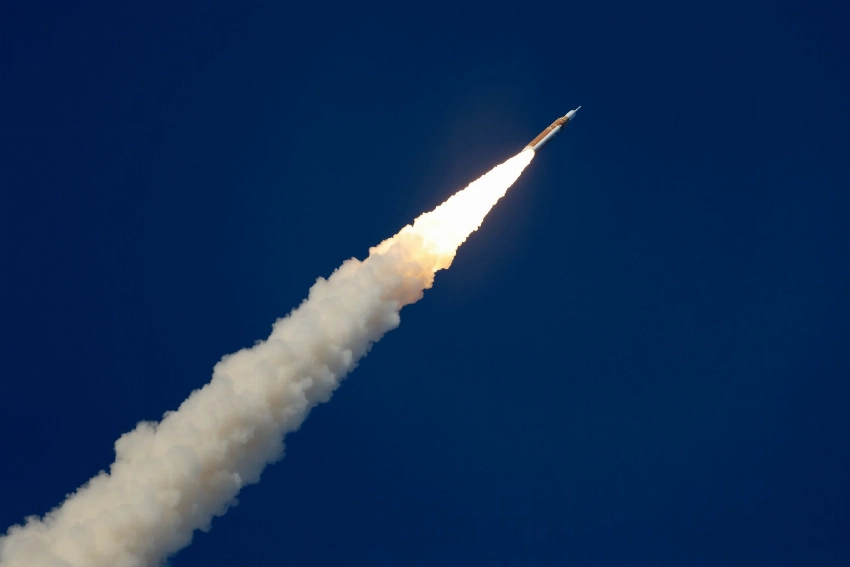
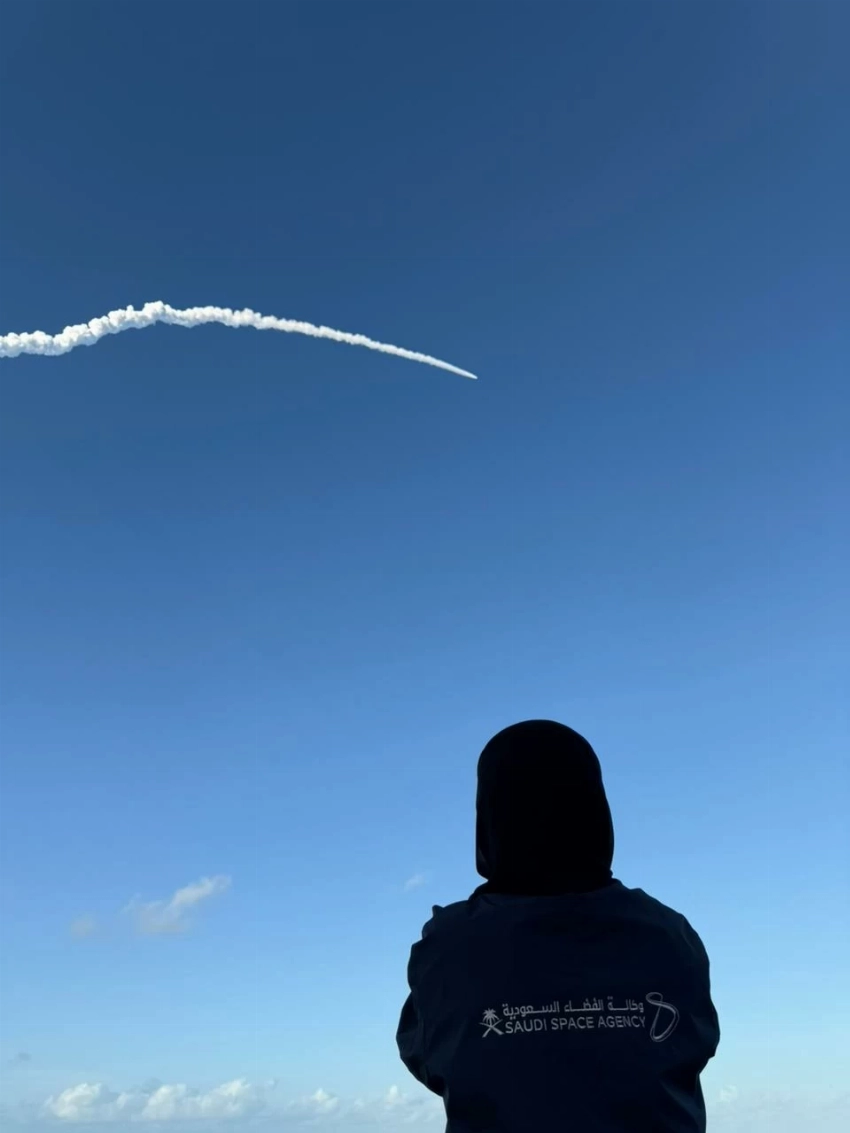
عزّزت المملكة حضورها في قطاع الفضاء عبر مشاركتها في مهمة «شمس» ضمن برنامج «آرتميس 2»، في خطوة تعكس توجهها نحو توطين الصناعات المتقدمة وبناء اقتصاد معرفي مستدام. وتأتي هذه الخطوة امتدادًا لجهود برنامج تطوير الصناعة الوطنية والخدمات اللوجستية الذي أطلقه ولي العهد الأمير محمد بن سلمان في يناير 2019، والذي يواصل تمكين القدرات الوطنية وتوسيع الشراكات الدولية في التقنيات المستقبلية.
القمر الصناعي شمس
وأوضح مصدر في وكالة الفضاء السعودية لـ«عكاظ» أن هذه المشاركة تمثل امتدادًا عمليًا لمسار التوطين الصناعي وتعزيز الاقتصاد المعرفي، مؤكدًا أنها تشكل قفزة نوعية تنقل مشاريع الفضاء الوطنية من مرحلة التخطيط إلى مرحلة التنفيذ الفعلي.
وأشار المصدر إلى أن هذه الوثبة تعكس نموذجًا تطبيقيًا لتحقيق مستهدفات رؤية 2030، خصوصًا في مجال توطين الصناعات الواعدة، وبيّن أن تطوير القمر الصناعي «شمس» يأتي كمبادرة وطنية متكاملة بالتعاون مع وكالة الفضاء السعودية، ويجسد قدرة الكفاءات الوطنية على التصنيع والتطوير محليًا، إلى جانب تعزيز حضور المملكة كشريك فاعل في المشاريع الفضائية الدولية والتقنيات المتقدمة.
القمر الصناعي شمس
وأضاف أن المملكة ماضية بقوة في توطين تقنيات الفضاء عبر دعم تطوير وتصنيع الأقمار الصناعية داخل البلاد، وتمكين الكفاءات الوطنية، وبناء قدرات متخصصة في مجالات التصميم والاختبار والتشغيل. واعتبر أن مهمة «شمس» تمثل تطبيقًا عمليًا لهذا التوجه من خلال نقل المعرفة وتراكم الخبرات، بما يسهم في تأسيس قاعدة صناعية قادرة على تطوير التقنيات المتقدمة مستقبلًا.
وفي ما يتعلق بالأثر الاقتصادي، أوضح المصدر أن المشروع يعزز تنويع الاقتصاد غير النفطي من خلال دعم موثوقية قطاعات حيوية مثل الاتصالات والطيران والملاحة، عبر توفير بيانات تساعد في الحد من تأثيرات طقس الفضاء وتقليل التكاليف التشغيلية الناتجة عن الانقطاعات. كما يدعم نمو الصناعات المتقدمة وزيادة مساهمتها في الناتج المحلي، في ظل تبني تقنيات الثورة الصناعية الرابعة.
واختتم المصدر بأن إطلاق «شمس» لا يُعد إنجازًا تقنيًا فحسب، بل يمثل استثمارًا إستراتيجيًا في مستقبل المملكة، يعزز قدراتها الابتكارية، ويدعم بناء اقتصاد متنوع ومستدام، ويجسد طموحات رؤية 2030 على أرض الواقع.
القمر الصناعي شمس
The Kingdom has strengthened its presence in the space sector through its participation in the "Shams" mission as part of the "Artemis 2" program, in a move that reflects its direction towards localizing advanced industries and building a sustainable knowledge-based economy. This step is an extension of the efforts of the National Industrial Development and Logistics Program launched by Crown Prince Mohammed bin Salman in January 2019, which continues to empower national capabilities and expand international partnerships in future technologies.
القمر الصناعي شمس
A source at the Saudi Space Agency explained to "Okaz" that this participation represents a practical extension of the industrial localization path and the enhancement of the knowledge economy, emphasizing that it constitutes a qualitative leap that moves national space projects from the planning stage to actual implementation.
The source pointed out that this leap reflects an applied model to achieve the targets of Vision 2030, especially in the field of localizing promising industries. He indicated that the development of the "Shams" satellite comes as a comprehensive national initiative in collaboration with the Saudi Space Agency, embodying the ability of national competencies to manufacture and develop locally, alongside enhancing the Kingdom's presence as an active partner in international space projects and advanced technologies.
القمر الصناعي شمس
He added that the Kingdom is strongly advancing in localizing space technologies by supporting the development and manufacturing of satellites within the country, empowering national competencies, and building specialized capabilities in design, testing, and operation. He considered that the "Shams" mission represents a practical application of this direction through knowledge transfer and experience accumulation, contributing to the establishment of an industrial base capable of developing advanced technologies in the future.
Regarding the economic impact, the source clarified that the project enhances the diversification of the non-oil economy by supporting the reliability of vital sectors such as communications, aviation, and navigation, by providing data that helps mitigate the effects of space weather and reduce operational costs resulting from disruptions. It also supports the growth of advanced industries and increases their contribution to the GDP, in light of adopting technologies of the Fourth Industrial Revolution.
The source concluded that the launch of "Shams" is not just a technical achievement, but represents a strategic investment in the future of the Kingdom, enhancing its innovative capabilities, supporting the building of a diverse and sustainable economy, and embodying the ambitions of Vision 2030 in reality.