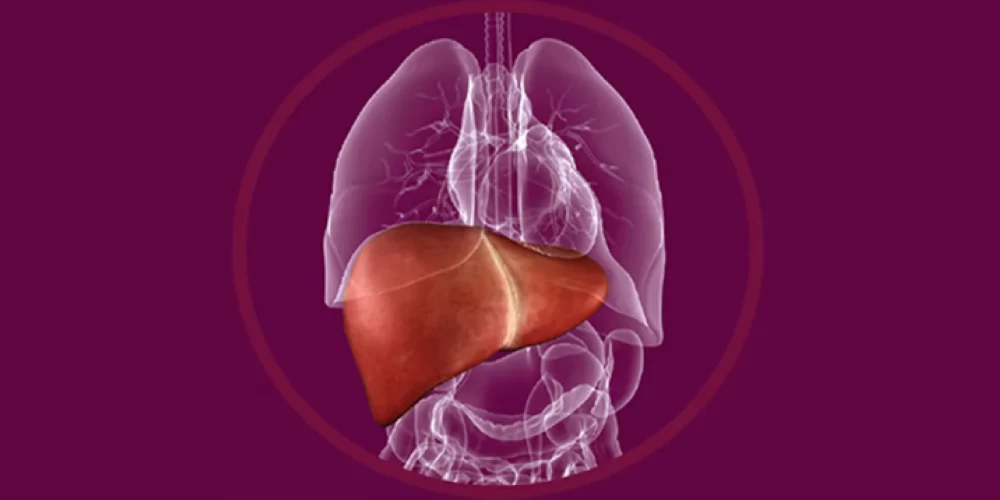
يُعد فايروس الكبد حالة التهابية تصيب الكبد، وقد تؤثر في أنسجته ووظائفه، فيما تتسبب بعض أنواعه في التهاب حاد فقط، بينما قد تؤدي أنواع أخرى إلى التهاب حاد ومزمن في الوقت نفسه.
وينقسم التهاب الكبد إلى عدة أنواع تختلف بحسب المسبب، أبرزها التهاب الكبد الفايروسي، وهو الأكثر شيوعًا، وينتج عن فايروسات التهاب الكبد A وB وC وD وE.
كما تشمل الأنواع الأخرى التهاب الكبد الكحولي الناتج عن الإفراط في تناول الكحول، والتهاب الكبد السمي الذي قد تسببه بعض السموم أو المواد الكيميائية أو الأدوية أو المكملات الغذائية، إضافة إلى التهاب الكبد المناعي الذاتي، وهو مرض مزمن يهاجم فيه الجهاز المناعي الكبد، ورغم عدم معرفة أسبابه بدقة، فإن العوامل الوراثية والبيئية قد تسهم في حدوثه.
طرق انتقال فايروس الكبد
ينتقل التهاب الكبد A والتهاب الكبد E غالبًا عبر تناول طعام أو ماء ملوث ببراز شخص مصاب، كما يمكن الإصابة بالتهاب الكبد E من خلال تناول لحم الخنزير أو الغزال أو المحار غير المطبوخ جيدًا.
أما التهاب الكبد B وC وD فينتشر عبر ملامسة دم شخص مصاب، في حين قد ينتقل التهاب الكبد B وD أيضًا من خلال ملامسة سوائل الجسم الأخرى.
أعراض التهاب الكبد
وأشار موقع nidirect إلى أن بعض أنواع التهاب الكبد، مثل الالتهاب الحاد وقصير الأمد، قد تختفي من دون التسبب في مشكلات صحية خطيرة، بينما قد تستمر أنواع أخرى لفترات طويلة، ما يؤدي إلى تليف الكبد وفقدان وظائفه، وفي بعض الحالات الإصابة بسرطان الكبد.
وفي حال ظهور الأعراض، فقد تتضمن:
- ألمًا في العضلات والمفاصل
- ارتفاع درجة الحرارة إلى 38 درجة مئوية أو أكثر
- الغثيان والتقيؤ
- الشعور المستمر بالتعب والإعياء
- فقدان الشهية
- ألمًا في البطن
- تحول لون البول إلى الداكن
- برازًا شاحبًا أو رمادي اللون
- حكة في الجلد
- اصفرار العينين والجلد
كما قد لا تظهر أعراض واضحة لالتهاب الكبد المزمن إلا بعد تراجع وظائف الكبد بشكل ملحوظ، وقد يُكتشف المرض فقط عبر فحوصات الدم. وفي المراحل المتقدمة، قد يسبب:
- اليرقان
- تورم الساقين والكاحلين والقدمين
- تشوشًا ذهنيًا
- ظهور دم في البراز أو القيء.
The hepatitis virus is an inflammatory condition that affects the liver and can impact its tissues and functions. Some types cause only acute inflammation, while others may lead to both acute and chronic inflammation simultaneously.
Hepatitis is divided into several types based on the cause, the most notable of which is viral hepatitis, which is the most common and is caused by hepatitis viruses A, B, C, D, and E.
Other types include alcoholic hepatitis, which results from excessive alcohol consumption, and toxic hepatitis, which can be caused by certain toxins, chemicals, medications, or dietary supplements. Additionally, there is autoimmune hepatitis, a chronic disease in which the immune system attacks the liver. Although its exact causes are not well understood, genetic and environmental factors may contribute to its occurrence.
Transmission Methods of the Hepatitis Virus
Hepatitis A and E are often transmitted through the consumption of food or water contaminated with the feces of an infected person. Hepatitis E can also be contracted by eating undercooked pork, venison, or shellfish.
On the other hand, hepatitis B, C, and D spread through contact with the blood of an infected person, while hepatitis B and D may also be transmitted through contact with other body fluids.
Symptoms of Hepatitis
The nidirect website indicates that some types of hepatitis, such as acute and short-term inflammation, may resolve without causing serious health issues, while other types may persist for long periods, leading to liver cirrhosis and loss of function, and in some cases, liver cancer.
If symptoms do appear, they may include:
- Muscle and joint pain
- Fever of 38 degrees Celsius or higher
- Nausea and vomiting
- Persistent fatigue and malaise
- Loss of appetite
- Abdominal pain
- Dark-colored urine
- Pale or gray stools
- Itchy skin
- Yellowing of the eyes and skin
Symptoms of chronic hepatitis may not be apparent until liver function declines significantly, and the disease may only be discovered through blood tests. In advanced stages, it may cause:
- Jaundice
- Swelling of the legs, ankles, and feet
- Mental confusion
- Blood in the stool or vomit.