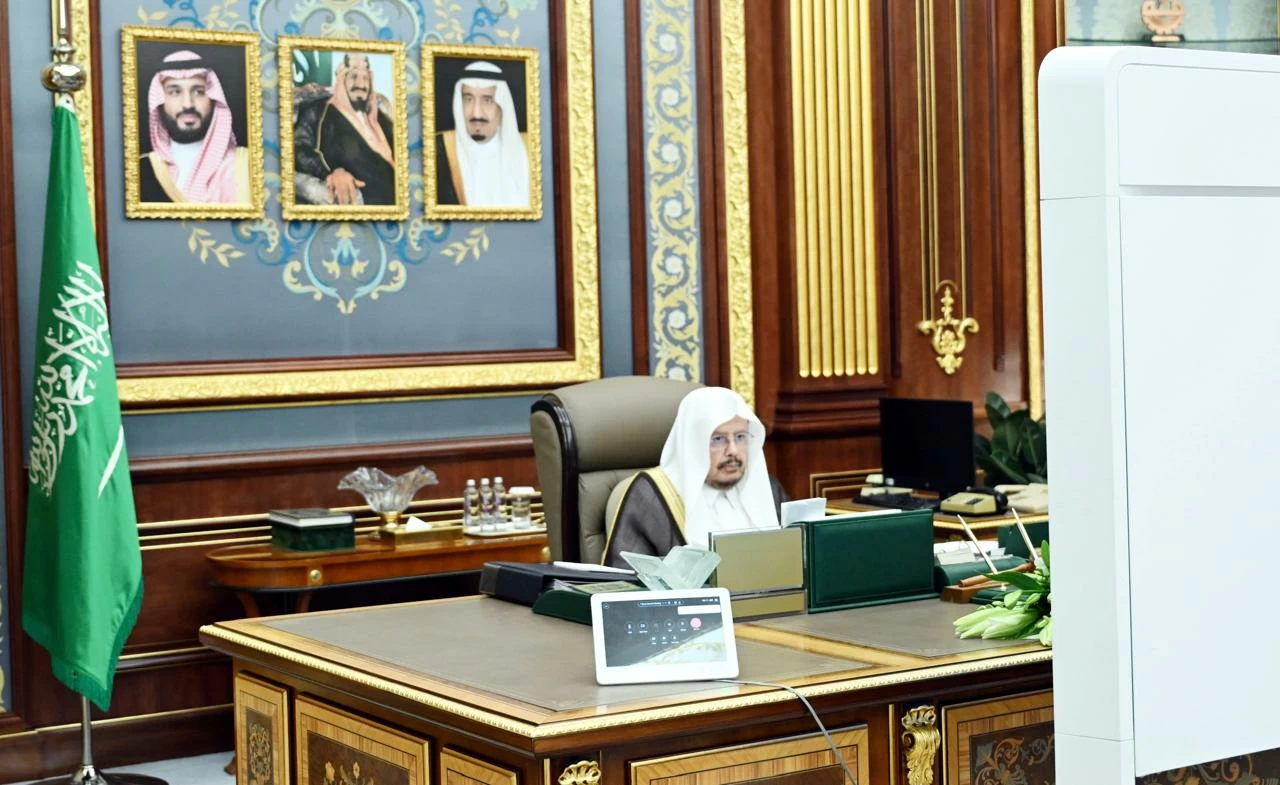
ناقش مجلس الشورى، في جلسته العادية الرابعة والعشرين من أعمال السنة الثانية للدورة التاسعة، المنعقدة عبر الاتصال المرئي، برئاسة رئيس المجلس الدكتور عبدالله محمد آل الشيخ، التقرير السنوي لوزارة التجارة، وأبدى أعضاء المجلس عدداً من الملحوظات والآراء بشأن ما تضمنه التقرير السنوي لوزارة التجارة، إذ طالبت عضو المجلس رائدة أبو نيان، وزارة التجارة -بالتعاون مع الجهات ذات الاختصاص- بدراسة إلغاء المقابل المالي للوافدين العاملين في قطاع التشييد والبناء، لخفض تكلفة السكن للمواطن وتشجيع الاستثمار في التطوير العقاري، ما يعيد التوازن في هذا القطاع. وطالب عضو المجلس المهندس خالد البريك وزارة التجارة بالإسراع في إيجاد حلول تلزم وكلاء السيارات بتوفير كافة القطع الاستهلاكية أو غير الاستهلاكية في مستودعاتها بشكل دائم، مع العمل على تقليل مدة التشخيص والإصلاح للسيارات داخل الوكالات؛ للوصول إلى المستويات النموذجية في تقديم الخدمة للمستهلكين. وتطلّع عضو المجلس الدكتور حسن الحازمي لوضع الحلول المناسبة لتلافي دخول المنتجات المخالفة إلى السوق. ودعا عضو المجلس الدكتور تركي العنزي وزارة التجارة -بالتنسيق مع الجهات ذات العلاقة- إلى دراسة إنشاء منصة وطنية ذكية لإعداد وإدارة العقود التجارية للمنشآت الصغيرة والمتوسطة، بما يسهم في دعم هذا القطاع الحيوي.
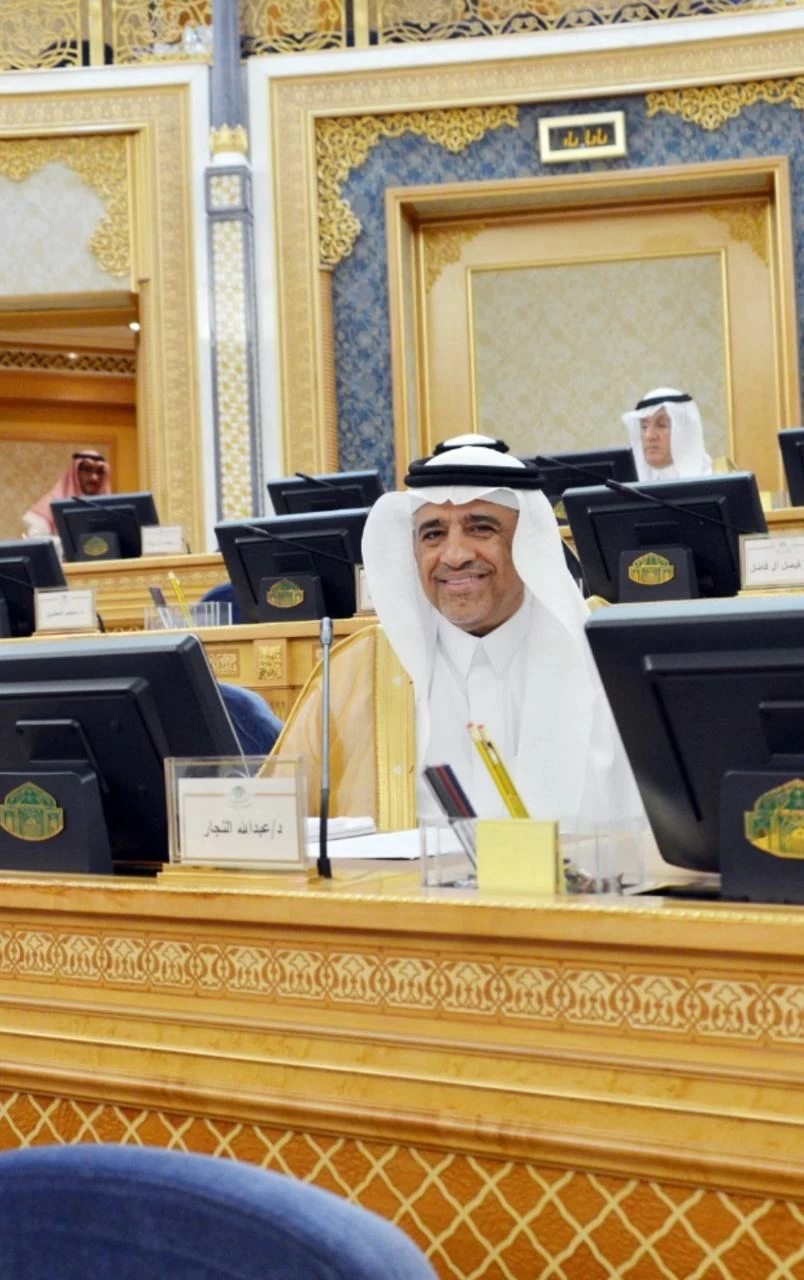
النجار: تبنّوا تعزيز الثقة وميزانية الأداء
طالب عضو المجلس الدكتور عبدالله عمر النجار وزارة التجارة -بالتنسيق مع الجهات ذات العلاقة- بتبنّي إطلاق إطار وطني لتعزيز الثقة في البيئة التجارية، يرتكز على توحيد تجربة المستفيد عبر منصة رقمية موحدة، وضمان استقرار ووضوح التشريعات، وتسريع إجراءات فض النزاعات، وتعزيز الشفافية من خلال نشر البيانات التجارية ومؤشرات أداء دورية تقيس مستوى الثقة في السوق، بما يدعم استدامة النمو ويرسّخ تنافسية الاقتصاد الوطني.
وأكد، في مداخلته على التقرير السنوي لوزارة التجارة، أن المرحلة القادمة تتطلب تعزيز تكامل تجربة المستفيد، وتقليص التباين بين الجهات، وتسريع وتيرة حسم النزاعات التجارية، والتوسع في إتاحة البيانات التجارية بشفافية تدعم اتخاذ القرار وترفع من موثوقية السوق.
وتطلّع النجار إلى تحقيق توازن مستدام بين متطلبات الانفتاح الاقتصادي وتعزيز تنافسية القطاع الخاص المحلي، من خلال ضمان عدالة المنافسة، ومنع الممارسات غير النظامية، وتمكين المنشآت الوطنية من النمو في بيئة تنظيمية واضحة ومستقرة.
وعدّ استمرار جهود الوزارة في حماية المستهلك وتعزيز الامتثال عنصراً أساسياً في رفع مستوى الثقة وتنشيط الحركة التجارية، لافتاً إلى أن تعزيز الثقة في البيئة التجارية ليس مجرد تحسين تنظيمي، بل استثمار إستراتيجي في سمعة المملكة الاقتصادية عالمياً، إذ كلما تعززت الثقة ازدادت قدرة المملكة على استقطاب الاستثمارات النوعية، وتمكين القطاع الخاص، وبناء اقتصاد تنافسي مستدام يواكب طموحات رؤيتنا الوطنية.
ودعا النجار وزارة التجارة لتبني نموذج الميزانية القائمة على الأداء، بحيث يتم ربط الاعتمادات المالية بمؤشرات أثر واضحة وقابلة للقياس، وبما يضمن تحقيق أقصى استفادة ممكنة من الإمكانات المالية المتاحة، ويدعم استدامة الأداء المؤسسي في الوزارة، وإعطاء الأولوية للمبادرات الأعلى أثراً، لا سيما تلك التي تحسن بيئة الأعمال، وتسرّع الإجراءات، وترفع الامتثال، مع إعادة ترتيب الأولويات لصالح المشاريع التحولية المستدامة كالأتمتة وتكامل الأنظمة. كما يصبح من الضروري ربط الالتزامات التعاقدية بمؤشرات أداء واضحة تضمن تحقيق القيمة مقابل التكلفة، وتعزز كفاءة التنفيذ.
مدخلي:حفّزوا شركات الإنتاج والتسويق الزراعي
طالب عضو المجلس الدكتور عاصم محمد مدخلي وزارة التجارة -بالتنسيق مع الجهات ذات العلاقة– بالتوسع في تأسيس شركات تجارية متخصصة في الإنتاج والتسويق الزراعي، تحت كيانات قانونية موحدة، بالشراكة بين صغار المزارعين وملّاك الحيازات الزراعية الصغيرة، ورجال الأعمال عبر الغرف التجارية، ما يعزِّز الاستدامة الاقتصادية والأمن الغذائي. وتطلّع لإنشاء شركات تجارية متخصصة في الإنتاج والتسويق الزراعي في المناطق الزراعية، موضحاً حجم تحديات صغار المزارعين وملاك الحيازات الزراعية الصغيرة، من الإنتاج المؤسسي، والتسويق المنظم، ومحدودية الوصول إلى الأسواق المركزية وسلاسل التجزئة، فضلاً عن صعوبة الحصول على التمويل اللازم، ما ينعكس على كفاءة القطاع الزراعي ويؤثر على مستهدفات الأمن الغذائي.
وتطلّع المدخلي إلى أن تقوم الوزارة بوضع مبادرة أو بناء مؤشر لعمل الغرف التجارية في المناطق الزراعية؛ لتشجيع رجال الأعمال والمستثمرين بالتوسع في تأسيس شركات تجارية –أو شركات غير ربحية وفقاً للأنظمة ذات العلاقة– تُعنى بالإنتاج والتسويق الزراعي، مع تمكين صغار المزارعين وملاك الحيازات الزراعية من المشاركة في هذه الشركات من خلال تملك حصص أو أسهم فيها ضمن كيان قانوني موحد يضمن الحوكمة والاستدامة والشفافية. والتنسيق مع الجهات التمويلية ذات العلاقة لتوفير برامج تمويل مناسبة وميسرة لهذه الكيانات، لتعزيز استدامة القطاع الزراعي.
The Shura Council discussed, in its twenty-fourth regular session of the second year of the ninth term, held via visual communication and chaired by the Council President Dr. Abdullah Mohammed Al Sheikh, the annual report of the Ministry of Commerce. Council members expressed a number of observations and opinions regarding the contents of the annual report of the Ministry of Commerce. Council member Raida Abu Nayan called on the Ministry of Commerce - in cooperation with the relevant authorities - to study the cancellation of the financial fee for expatriates working in the construction and building sector, to reduce housing costs for citizens and encourage investment in real estate development, thus restoring balance in this sector. Council member Engineer Khalid Al-Breik urged the Ministry of Commerce to expedite finding solutions that require car dealers to permanently provide all consumable and non-consumable parts in their warehouses, while working to reduce the diagnosis and repair time for cars within the dealerships; to reach exemplary levels in providing service to consumers. Council member Dr. Hassan Al-Hazmi looked forward to finding appropriate solutions to prevent the entry of non-compliant products into the market. Council member Dr. Turki Al-Anzi called on the Ministry of Commerce - in coordination with the relevant authorities - to study the establishment of a national smart platform for preparing and managing commercial contracts for small and medium enterprises, which would contribute to supporting this vital sector.
Al-Najjar: Adopt Trust Enhancement and Performance Budgeting
Council member Dr. Abdullah Omar Al-Najjar called on the Ministry of Commerce - in coordination with the relevant authorities - to adopt the launch of a national framework to enhance trust in the commercial environment, based on unifying the beneficiary experience through a unified digital platform, ensuring the stability and clarity of legislation, accelerating dispute resolution procedures, and enhancing transparency by publishing commercial data and periodic performance indicators that measure the level of trust in the market, thus supporting sustainable growth and reinforcing the competitiveness of the national economy.
He emphasized, in his intervention on the annual report of the Ministry of Commerce, that the upcoming phase requires enhancing the integration of the beneficiary experience, reducing discrepancies between entities, accelerating the resolution of commercial disputes, and expanding the availability of commercial data transparently to support decision-making and increase market reliability.
Al-Najjar looked forward to achieving sustainable balance between the requirements of economic openness and enhancing the competitiveness of the local private sector, by ensuring fair competition, preventing irregular practices, and enabling national establishments to grow in a clear and stable regulatory environment.
He considered the continued efforts of the ministry in consumer protection and enhancing compliance as a fundamental element in raising the level of trust and revitalizing commercial activity, pointing out that enhancing trust in the commercial environment is not just an organizational improvement, but a strategic investment in the Kingdom's economic reputation globally. As trust increases, the Kingdom's ability to attract quality investments grows, empowering the private sector and building a sustainable competitive economy that meets the aspirations of our national vision.
Al-Najjar called on the Ministry of Commerce to adopt a performance-based budgeting model, linking financial allocations to clear and measurable impact indicators, ensuring maximum benefit from available financial resources, supporting the sustainability of institutional performance in the ministry, and prioritizing the most impactful initiatives, especially those that improve the business environment, expedite procedures, and enhance compliance, while rearranging priorities in favor of sustainable transformational projects such as automation and system integration. It also becomes essential to link contractual obligations to clear performance indicators that ensure value for cost and enhance execution efficiency.
Al-Medkhali: Stimulate Agricultural Production and Marketing Companies
Council member Dr. Asim Mohammed Al-Medkhali called on the Ministry of Commerce - in coordination with the relevant authorities - to expand the establishment of commercial companies specialized in agricultural production and marketing, under unified legal entities, in partnership with small farmers and owners of small agricultural holdings, and businessmen through commercial chambers, which enhances economic sustainability and food security. He looked forward to creating specialized commercial companies in agricultural production and marketing in agricultural areas, clarifying the challenges faced by small farmers and owners of small agricultural holdings, including institutional production, organized marketing, limited access to central markets and retail chains, as well as difficulties in obtaining necessary financing, which reflects on the efficiency of the agricultural sector and affects food security targets.
Al-Medkhali hoped that the ministry would initiate a program or build an index for the work of commercial chambers in agricultural areas; to encourage businessmen and investors to expand the establishment of commercial companies - or non-profit companies according to the relevant regulations - concerned with agricultural production and marketing, while enabling small farmers and agricultural landowners to participate in these companies by owning shares within a unified legal entity that ensures governance, sustainability, and transparency. He also called for coordination with relevant financing entities to provide suitable and accessible financing programs for these entities, to enhance the sustainability of the agricultural sector.