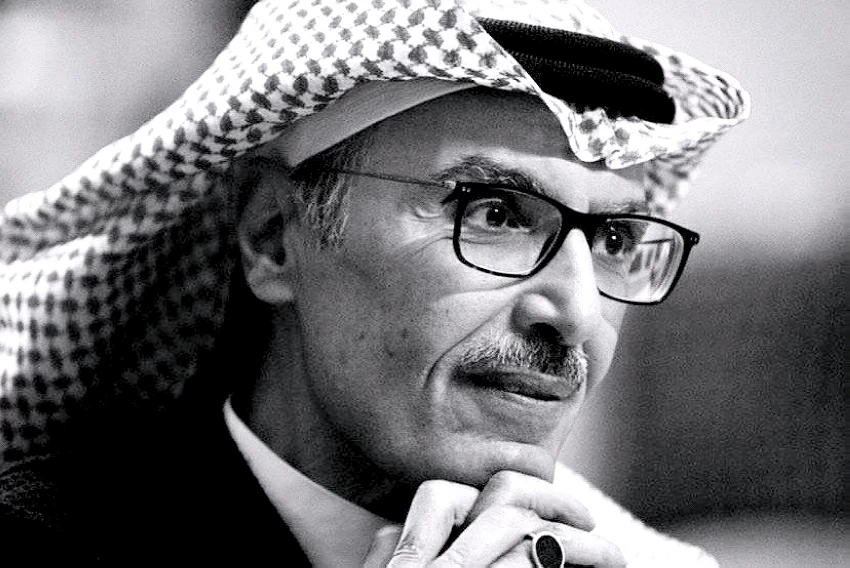
حتى اليوم وربما غداً تسرقني صور الشاعر الأمير بدر بن المحسن من تفاصيل كل أغنية يكتبها، فالعشق في فلسفته ليس دائماً شخصاً يحب شخصاً، بل كائناً أرضياً يمد قلبه نحو شيء لا يستطيع امتلاكه.
صور متنوعة للحب الذي يعيش على الترقُّب أكثر مما يعيش على اللقاء، فتلقاه هنا بين قاع وغيمة، حيث يرسم مسافة كاملة بين الأرض والسماء، وهناك بين نجمة ونهر، حيث يصبح الحب حالة تجمع بين رمزين ينتميان إلى عالمين مختلفين؛ أحدهما السماء والآخر يجري على الأرض. وعلاقة لا تقوم على التماثل، بل على الاختلاف. وهذا جوهر كثير من العلاقات الإنسانية.
لم تكن هذه الفلسفة لأعظم شاعر سعودي كتب الأغنية بدر بن عبدالمحسن مجرّد براعة في اختيار الصورة بل براءة اختراعها، وهي قدرة نادرة على تحويل العاطفة إلى كونٍ كامل؛ نجمة تحب نهراً، قاع يعشق غيمة، ليل يحمل انتظاراً، وريح تمرّ كأنها خبرٌ من قلب بعيد. كان الحب عنده لا يُقال مباشرة، بل يُرى؛ في الماء، والضوء، والغيم، والظل، والطرقات الطويلة. لذلك بقيت صوره حيّة، لأن الشاعر لم يكن يصف العاطفة من خارجها، بل كان يخلق لها مشهداً تتنفس داخله.
اليوم تبدو الأغنية في كثير من نماذجها أكثر استعجالاً. وكثيراً ما تفقد ذلك العمق الذي يجعل المستمع يعود إلى النص كما يعود إلى ذكرى قديمة. لم تعد المشكلة في غياب الحب عن الأغنية، بل في غياب التأمل فيه. الحب حاضر، لكن فلسفته غائبة؛ الشوق حاضر، لكن صورته أقل اتساعاً؛ الألم موجود، لكنه يُقال غالباً كما هو، بلا نجمة، بلا نهر، بلا غيمة تعبر بينهما فتوجع المعنى.
لم تكن قصيدة بدر الغنائية تكتب للحظة الاستماع وحدها، بل لما بعدها. كانت تترك في الداخل سؤالاً لا ينتهي. لماذا تقهر الغيمة النجمة؟ لماذا يعكر حجر طفل مواعيد الهنا؟ لماذا يظل العاشقان قريبين إلى حد الانعكاس، بعيدين إلى حد الاستحالة؟ هذه الأسئلة هي التي تصنع عمر الأغنية. أما الأغنية التي تمنحك معناها كاملاً من أول سماع، فقد تمنحك متعة عابرة، لكنها لا تمنحك إقامة طويلة في الذاكرة.
وليس القول إن القصيدة الغنائية اليوم عاجزة تماماً عن استجلاب الصورة الجمالية؛ فالمواهب لا تنعدم، والشعر لا يموت. لكن المناخ تغيّر. السوق صار أسرع من التأمل، والمنصات صارت تكافئ الانتشار أكثر مما تكافئ العمق.
بعد رحيل بدر، لم يغب شاعر فحسب، بل غاب جزء من طريقة النظر إلى العاطفة. غاب ذلك الجزء الذي يحوّل الوجع إلى مشهد، والحنين إلى كائن، والانتظار إلى سماء وماء. لذلك نشعر أن شيئاً من البدر مفقود في الأغنية اليوم؛ ليس الاسم وحده، بل تلك القدرة على تهذيب الشعور حتى يصبح صورة، وعلى تعميق الصورة حتى تصبح فلسفة، وعلى جعل الأغنية لا تُسمع.
Until today, and perhaps tomorrow, the images of the poet Prince Badr bin Abdul Mohsen steal me away from the details of every song he writes. For him, love in his philosophy is not always a person loving another person, but rather an earthly being extending its heart towards something it cannot possess.
Diverse images of love that lives on anticipation more than on meeting, so you find it here between a bottom and a cloud, where he draws a complete distance between the earth and the sky, and there between a star and a river, where love becomes a state that brings together two symbols belonging to different worlds; one is the sky and the other flows on the earth. And a relationship that does not rely on similarity, but on difference. This is the essence of many human relationships.
This philosophy of the greatest Saudi poet who wrote songs, Badr bin Abdul Mohsen, was not merely a skill in choosing images but a patent for inventing them. It is a rare ability to transform emotion into a complete universe; a star loving a river, a bottom adoring a cloud, a night carrying anticipation, and a wind passing as if it were news from a distant heart. For him, love was not expressed directly, but was seen; in water, light, clouds, shadows, and long roads. Therefore, his images remained alive, because the poet did not describe emotion from the outside, but created a scene for it to breathe within.
Today, songs in many of their forms seem more hurried. They often lose that depth that makes the listener return to the text as they would to an old memory. The problem is no longer the absence of love in the song, but the absence of contemplation on it. Love is present, but its philosophy is absent; longing is present, but its image is less expansive; pain exists, but it is often expressed as it is, without a star, without a river, without a cloud passing between them to deepen the meaning.
Badr's lyrical poetry was not written for the moment of listening alone, but for what comes after. It left an unending question inside. Why does the cloud overpower the star? Why does a child's stone disturb the moments of happiness? Why do the lovers remain close enough to reflect each other, yet far enough to be impossible? These questions are what give the song its longevity. As for the song that gives you its complete meaning from the first listening, it may provide fleeting pleasure, but it does not grant you a long stay in memory.
It is not to say that lyrical poetry today is completely incapable of evoking beautiful imagery; talents do not disappear, and poetry does not die. But the climate has changed. The market has become faster than contemplation, and platforms now reward visibility more than depth.
After Badr's departure, it was not just a poet who vanished, but a part of the way of looking at emotion. That part which transforms pain into a scene, longing into a being, and waiting into sky and water. Therefore, we feel that something of Badr is missing in today's songs; it is not just the name, but that ability to refine feeling until it becomes an image, to deepen the image until it becomes a philosophy, and to make the song not just heard.