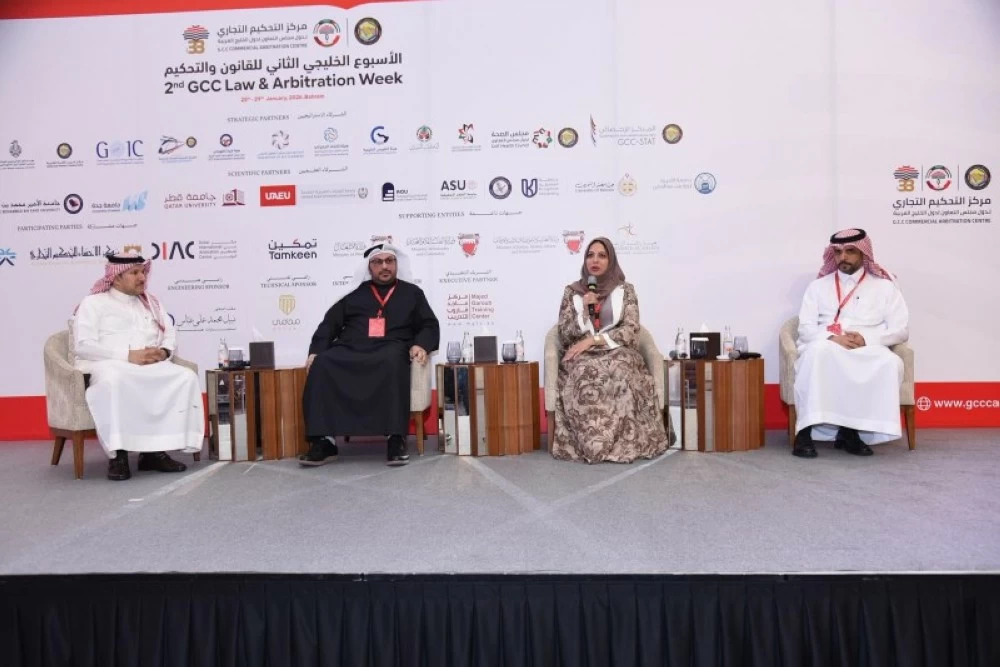
كشف مستشار المدير العام للشؤون القانونية بالمكتب التنفيذي بمجلس التعاون الخليجي، الدكتور علي الصدّيقي، عن دراسة أربعة مشاريع قانونية مشتركة لتنظيم سوق العمل بدول مجلس التعاون الخليجي ليصبح سوقاً أكثر تنافسية وأكثر حوكمة.
وقال خلال الجلسة الأولى (المشاريع والتشريعات في دول التعاون الخليجي) التي رأسها الأمين العام لمركز التحكيم التجاري لدول مجلس التعاون لدول الخليج العربي، الدكتور كمال آل حمد، ضمن فعاليات البرنامج العلمي للأسبوع الخليجي الثاني للقانون والتحكيم الذي انطلق أمس في العاصمة البحرينية المنامة، إن المكتب التنفيذي يعمل على دراسة مشروع «الأعمال الشاقة والخطرة» التي تتعلق بطبيعة العمل والحقوق للعمالة، من خلال الدراسة والتحليل التشريعي والعملي.
وأضاف خلال ورقة عمل بعنوان (أبرز المشاريع القانونية المشتركة في تنظيم سوق العمل بدول مجلس التعاون)، أن المكتب التنفيذي يدرس حالياً مشروع (الإطار الإستراتيجي للسلامة والصحة المهنية)، من خلال دراسة الطبيعة الفنية لموضوع السلامة والصحة المهنية، وكذلك التعرف على الإطار التقليدي والوقوف على الإطار الحديث للسلامة، سواء بالنسبة للسلامة الرقمية أو العمل وقت الظهيرة أو الصحة النفسية، لافتاً إلى أن المشروع الثالث الذي يدرسه المكتب التنفيذي يتناول (أشكال وأنماط العمل الجديدة)، مع بروز أشكال جديدة من العمل مثل العمل في اقتصاد المنصات وكذلك العمل لبعض الوقت (الجزئي)، مما يستدعي الحاجة إلى الدراسة القانونية، والاقتصادية، والاجتماعية، مشيراً إلى أن المشروع الرابع الذي يدرسه المكتب التنفيذي باسم (إطار إستراتيجي لمكافحة العمل الجبري والاتجار بالبشر)، من خلال دراسة الطبيعة الإشكالية والتركيز على أسواق العمل وكذلك دراسة نظام حماية الأجور من خلال التجربة الخليجية العالمية.
المترولوجيا عنصر للصفقات التجارية
بدوره قال رئيس قسم المقاييس بهيئة التقييس لدول مجلس التعاون الخليجي، المهندس عبدالإله القرناس، في ورقة بعنوان (المترولوجيا القانونية ودورها في المنازعات التجارية)، إن المترولوجيا ليست مجرد استخدام الموازين أو العدادات، بل علم قياس يعمل بدقة، وبطريقة قابلة للتكرار، ومعترف بها محلياً ودولياً، مضيفاً: المترولوجيا عنصر مشترك في كل صفقة تجارية، لا يمكن تجاهله.
وأشار إلى أن التحديات التي تواجه المترولوجيا تتمثل في نقص المختبرات المعتمدة، إذ لا تتوافر في بعض المناطق مختبرات، إضافة لعدم وجود معايرة معترف بها دولياً، مما يصعب الحصول على قياسات موثوقة، فضلاً عن ضعف الوعي القانوني، فهناك كثير من المحامين والقضاة لا يمتلكون خلفية كافية عن المترولوجيا، وكذلك ضعف الربط المؤسسي إذ تتفاوت التشريعات بين الدول، فلا يوجد تنسيق كامل بين الهيئات القضائية والجهات المترولوجية في بعض الحالات.
وطالب بضرورة إدراج مفاهيم المترولوجيا القانونية ضمن برامج التدريب، لتمكين المحامين والقضاة من فهم واستخدام الأدلة الفنية بفعالية، مشدداً على ضرورة تفعيل ومواءمة نظام القياس الموحد وتوسيع دور التجمع الخليجي للمترولوجيا لتحقيق انسجام تشريعي، داعياً لاستخدام استخدام العدادات الذكية، وأنظمة التتبع الرقمي، وتبادل شهادات المعايرة إلكترونياً لتعزيز الشفافية، مؤكداً أن المترولوجيا أداة إستراتيجية لضمان العدالة التجارية، وحماية المستهلك، وتعزيز الثقة في الأسواق.
حجم التجارة البينية لدول مجلس التعاون 146 مليار دولار
فيما أكدت المديرة العامة للمركز الإحصائي لدول مجلس التعاون الخليجي العربية، انتصار الوهيبة، صدور 90% من التشريعات الخاصة بالسوق المشتركة الخليجية المتعلقة بـ10مسارات، مؤكدة أن دول المجلس حققت إنجازات كبيرة في السوق الخليجية المشتركة، لافتة إلى مكتسبات السوق الخليجية المشتركة، 2024 تمثلت في تنقل 41.4 مليون مواطن من مواطني دول مجلس التعاون بين الدول الأعضاء، بنسبة نمو قدرها 188.5% مقارنة بالعام 2007، فيما بلغ عدد الشركات 748 شركة مساهمة عامة مسموح تداول أسهمها من قبل مواطني دول مجلس التعاون الأخرى، بنسبة نمو قدرها 30.3% مقارنة بالعام 2007، بينما بلغ إجمالي رؤوس أموال الشركات المساهمة العامة المسموح تداول أسهمها من قبل مواطني دول مجلس التعاون الأخرى 549 مليار دولار أمريكي بنسبة نمو قدرها 237.6% مقارنة بالعام 2007، وبلغ المساهمون في الشركات المساهمة العامة المسموح تداول أسهمها من قبل مواطني دول مجلس التعاون الأخرى 246.6 ألف مساهم، فيما بلغ حجم التجارة البينية لدول مجلس التعاون الخليجي 146 مليار دولار أمريكي بنسبة نمو 85.2% مقارنة بالعام 2012.
وأشارت الى أن التحديات التي تواجه المركز الإحصائي تتمثل في تفاوت البيانات بين الأعضاء وعدم جاهزية البيانات لدى بعض الدول الخليجية، إضافة إلى تعدد الجهات المعنية بتنفيذ القرارات الصادرة من الدول الأعضاء، مشيرة إلى أن غياب ثقافة الإلمام بقرارات العمل الخليجي المشترك والسوق الخليجية المشتركة من أبرز التحديات، كاشفة عن اعتزام المركز إطلاق حملة إعلامية للتعريف بمكونات السوق المشتركة لمواطني الخليج، إذ يعمل المركز على التنسيق مع الجهات المعنية بتنفيذ القرارات، إضافة الى توحيد المؤشرات.
التحول الجذري التحكيمي في الخليج
فيما أوضح عضو بالمحكمة الدولية للتحكيم التابعة لغرفة التجارة الدولية، سامي الهواري، أن المشهد التحكيمي في دول الخليج العربية شهد تغييراً جذرياً وشاملاً في الجوانب التشريعية والمؤسسية والقضائية والقطاع الخاص.
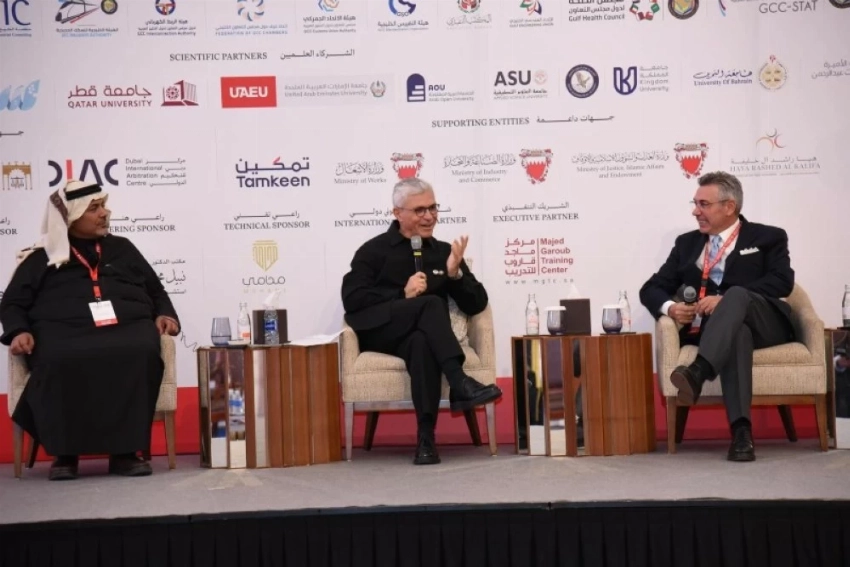
وأضاف خلال الجلسة الثانية بعنوان (التحكيم التجاري الدولي – نظرة عالمية) التي رأسها المحامي رئيس اللجنة الاستشارية لمركز التحكيم التجاري لدول مجلس التعاون الخليجي الدكتور ماجد قاروب، أن التطور الحاصل في الجانب التشريعي بدول الخليج مرتبط بالإرادة السياسة، خصوصاً أن التحكيم مرتبط بإستراتيجية قضائية، فيما حسم الجانب التشريعى بشكل كامل.
وأشار إلى أن الجانب القضائي يمكن مشاهدته من خلال وجود القضاة والمحكمين في جميع المؤتمرات الخاصة بالتحكيم في دول الخليج، مما يعطي دلالة على وجود كوادر مؤهلة قادرة على معالجة المنازعات التجارية.
نقص المحكمين الخليجيين
وبدوره شدد رئيس غرفة التجارة العربية الإيطالية المشتركة، الدكتور بيترو باولو رامبينو، على أهمية إدراج المحكمين في الخليج في التحكيم الدولي، لافتاً إلى استقبال الكثير من القضايا الجديدة الخليجية سنوياً، يتم تحكيمها في الخارج، مرجعاً ذلك لوجود نقص في المحكمين الخليجيين الدوليين وكذلك لانعدام الثقة في المحكم الخليجي.
وعزا انعدام الثقة في المحكمين الخليجيين إلى عدم إتقان اللغة الإنجليزية، فيما نحو 80% من القضايا تنظر باللغة الإنجليزية، إضافة إلى غياب الاختصاص لدى المحكمين الخليجيين التي تعتبر من مزايا التحكيم الدولي.
The Legal Advisor to the Director General for Legal Affairs at the Executive Office of the Gulf Cooperation Council, Dr. Ali Al-Siddiqi, revealed the study of four joint legal projects aimed at regulating the labor market in the Gulf Cooperation Council countries to make it a more competitive and better-governed market.
During the first session (Projects and Legislation in the Gulf Cooperation Council Countries), chaired by the Secretary-General of the Commercial Arbitration Center for the Gulf Cooperation Council, Dr. Kamal Al-Hamad, as part of the scientific program for the second Gulf Week for Law and Arbitration that started yesterday in the Bahraini capital, Manama, he stated that the Executive Office is working on studying the project of "Hazardous and Difficult Work," which relates to the nature of work and the rights of workers, through legislative and practical study and analysis.
He added during a working paper titled (The Most Prominent Joint Legal Projects in Regulating the Labor Market in the Gulf Cooperation Council Countries) that the Executive Office is currently studying the project (Strategic Framework for Occupational Safety and Health), by examining the technical nature of occupational safety and health, as well as understanding the traditional framework and assessing the modern framework for safety, whether regarding digital safety, working during peak hours, or mental health. He pointed out that the third project being studied by the Executive Office addresses (New Forms and Patterns of Work), with the emergence of new forms of work such as platform economy jobs and part-time work, which necessitates the need for legal, economic, and social study. He noted that the fourth project being studied by the Executive Office is titled (Strategic Framework for Combating Forced Labor and Human Trafficking), through examining the problematic nature and focusing on labor markets as well as studying the wage protection system through the global Gulf experience.
Metrology as an Element of Commercial Transactions
For his part, the Head of the Measurement Department at the Gulf Cooperation Council Standardization Organization, Engineer Abdul Ilah Al-Qarnas, stated in a paper titled (Legal Metrology and Its Role in Commercial Disputes) that metrology is not just the use of scales or counters, but a science of measurement that works accurately, in a repeatable manner, and is recognized both locally and internationally, adding: Metrology is a common element in every commercial transaction that cannot be ignored.
He pointed out that the challenges facing metrology include the lack of accredited laboratories, as some areas do not have laboratories, in addition to the absence of internationally recognized calibration, making it difficult to obtain reliable measurements, as well as weak legal awareness, as many lawyers and judges do not have sufficient background on metrology, and the weak institutional linkage as legislation varies between countries, leading to a lack of complete coordination between judicial bodies and metrological entities in some cases.
He called for the necessity of incorporating legal metrology concepts into training programs to enable lawyers and judges to understand and effectively use technical evidence, emphasizing the need to activate and align the unified measurement system and expand the role of the Gulf Metrology Assembly to achieve legislative harmony, calling for the use of smart meters, digital tracking systems, and the electronic exchange of calibration certificates to enhance transparency, affirming that metrology is a strategic tool to ensure commercial justice, protect consumers, and enhance trust in markets.
Intra-trade Volume of Gulf Cooperation Council Countries at $146 Billion
Meanwhile, the Director General of the Statistical Center for the Gulf Cooperation Council, Intisar Al-Wahiba, confirmed that 90% of the legislation related to the Gulf Common Market concerning 10 pathways has been issued, affirming that the member states have achieved significant accomplishments in the Gulf Common Market. She pointed out that the gains of the Gulf Common Market in 2024 included the movement of 41.4 million citizens from the Gulf Cooperation Council member states between member countries, with a growth rate of 188.5% compared to 2007. The number of companies reached 748 publicly traded companies allowed for trading their shares by citizens of other Gulf Cooperation Council countries, with a growth rate of 30.3% compared to 2007. Meanwhile, the total capital of publicly traded companies allowed for trading their shares by citizens of other Gulf Cooperation Council countries reached $549 billion, with a growth rate of 237.6% compared to 2007. The number of shareholders in publicly traded companies allowed for trading their shares by citizens of other Gulf Cooperation Council countries reached 246,600 shareholders, while the volume of intra-trade among Gulf Cooperation Council countries reached $146 billion, with a growth rate of 85.2% compared to 2012.
She pointed out that the challenges facing the statistical center include the disparity of data among members and the unpreparedness of data in some Gulf countries, in addition to the multiplicity of entities concerned with implementing decisions issued by member states. She noted that the absence of a culture of familiarity with the decisions of joint Gulf work and the Gulf Common Market is one of the main challenges, revealing the center's intention to launch an awareness campaign to introduce the components of the common market to Gulf citizens, as the center works on coordinating with the entities concerned with implementing the decisions, in addition to unifying the indicators.
Radical Arbitration Transformation in the Gulf
Meanwhile, a member of the International Court of Arbitration of the International Chamber of Commerce, Sami Al-Hawari, explained that the arbitration scene in the Arab Gulf countries has witnessed a radical and comprehensive change in legislative, institutional, judicial, and private sector aspects.
He added during the second session titled (International Commercial Arbitration – A Global Perspective), chaired by the lawyer and head of the advisory committee for the Commercial Arbitration Center of the Gulf Cooperation Council, Dr. Majid Qaroub, that the legislative development in the Gulf countries is linked to political will, especially since arbitration is related to a judicial strategy, while the legislative aspect has been fully resolved.
He pointed out that the judicial aspect can be observed through the presence of judges and arbitrators at all conferences related to arbitration in the Gulf countries, which indicates the existence of qualified personnel capable of handling commercial disputes.
Shortage of Gulf Arbitrators
For his part, the President of the Arab-Italian Chamber of Commerce, Dr. Pietro Paolo Rampino, emphasized the importance of including Gulf arbitrators in international arbitration, noting that many new Gulf cases are received annually, which are arbitrated abroad, attributing this to the shortage of international Gulf arbitrators and the lack of trust in Gulf arbitrators.
He attributed the lack of trust in Gulf arbitrators to their insufficient command of the English language, as about 80% of cases are heard in English, in addition to the absence of specialization among Gulf arbitrators, which is considered one of the advantages of international arbitration.