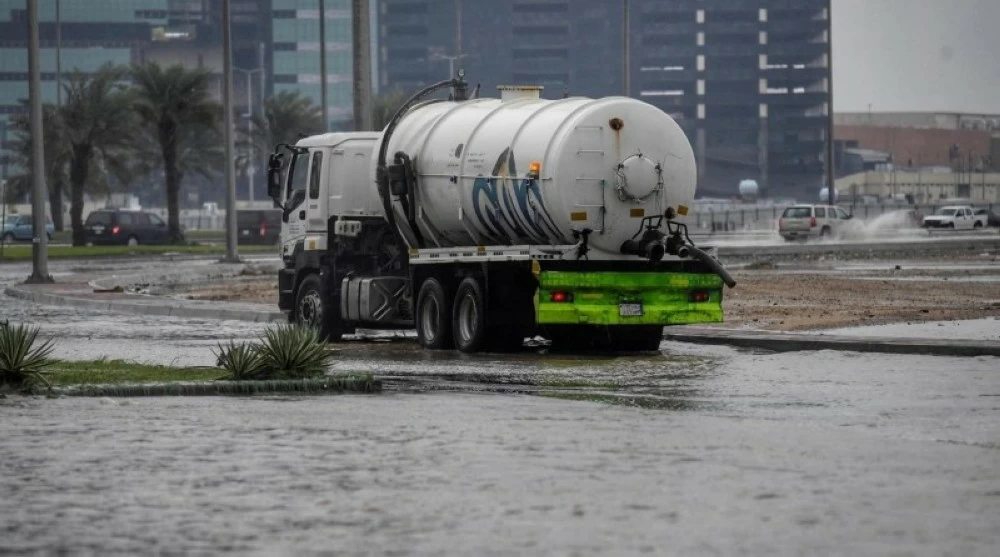
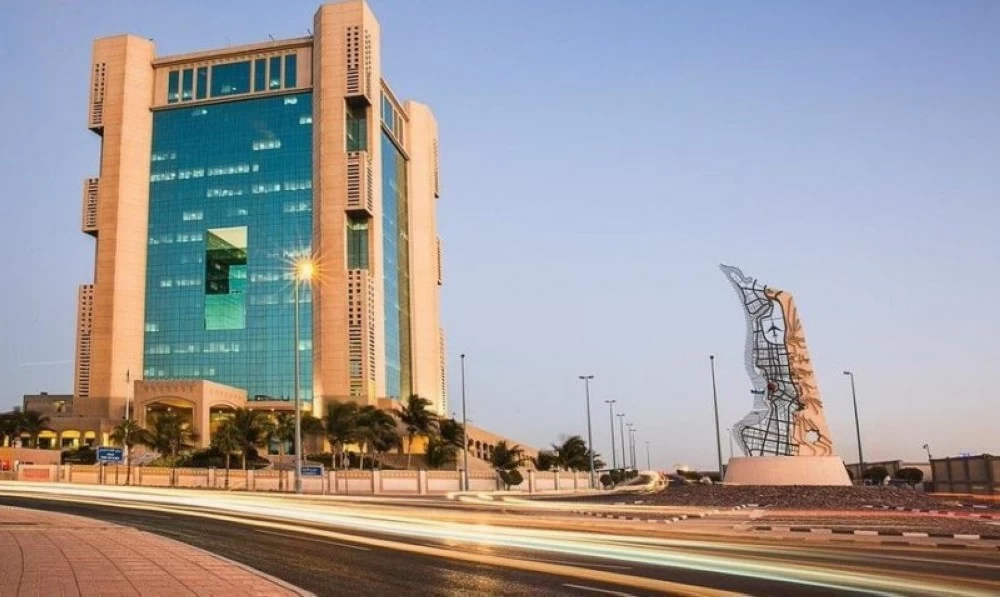
أكدت أمانة محافظة جدة جاهزيتها القصوى عند أي تنبيه أمطار صادر من المركز الوطني للأرصاد، ومهما كانت درجته فإنه يؤخذ بأهمية عالية في 15 مركز إسناد مجهزة بالكامل وموزعة بالقرب من المواقع الحرجة والطرق المؤدية إلى هذه المواقع.
وأوضحت الأمانة أن خطط التعامل مع الحالات المطرية في الإدارة العامة للطوارئ والأزمات بأمانة محافظة جدة ليست وليدة اللحظة، وإنما وضعت بعد سلسلة من الفرضيات والتجارب، ودروس مستفادة من كل حالة مطرية عاشتها المحافظة، فضلاً عن تجارب موازية في أنحاء متفرقة من مدن المملكة، وليس هذا فحسب، وإنما تخضع هذه الخطط إلى التحديث المستمر على مدى العام.
7 فرضيات ميدانية ومكتبية وعملياتية
وبيّنت أنه من خلال نحو (7) فرضيات نفذتها أمانة محافظة جدة ميدانية ومكتبية وعملياتية، وأخرى شاركت فيها مع الجهات المعنية، يسعى مركز الأزمات والكوارث إلى كشف الفجوات التشغيلية ومواطن التحسين، ورفع جاهزية الكوادر وتعزيز العمل التكاملي ونقل المعرفة، وتحسين سرعة اتخاذ القرار ودقة تبادل المعلومات، عدا عن تطوير سيناريوهات استجابة أكثر مرونة وواقعية.
مرحلة الاستعداد
وأشار مدير مركز الأزمات والكوارث في أمانة محافظة جدة فيصل عيبان إلى أن أولى خطوات التعامل مع الحالة المطرية تتضمن تحضيرات ما قبل موسم الأمطار، المسماة بـ«مرحلة الاستعداد»، مضيفاً أن هذه المرحلة تشمل مجموعة من الإجراءات الاستباقية الرامية إلى رفع مستوى الجاهزية وتقليل المخاطر المحتملة، من خلال مراجعة وتحديث خطط الطوارئ الخاصة بالحالات المطرية بما يتوافق مع المستجدات التشغيلية، بناءً على الدروس المستفادة من التمارين الفرضية والتجارب السابقة الموازية في مناطق أخرى.
وبيّن عيبان أنه خلال هذه المرحلة يجري التنسيق المبكر مع الجهات ذات العلاقة، وحصر المواقع الحرجة ونقاط تجمع المياه والأودية ومجاري السيول المرصودة منذ الموسم الماضي، عدا عن إدراج النقاط الحرجة المستجدة ووضعها في قائمة الأولويات، ومن ثم تحديث خرائط المخاطر، مؤكداً العمل على جاهزية الفرق الميدانية والمعدات والآليات ومراكز الإسناد، وشبكات تصريف مياه الأمطار والقنوات، قبل بدء موسم الأمطار، فضلاً عن إخضاعها لأعمال صيانة دورية واختبارات، إضافة إلى تنفيذ حملات توعوية داخلية وخارجية لرفع الوعي بالإجراءات الوقائية، واختبار قنوات الاتصال وآليات تبادل المعلومات بين مركز العمليات والجهات الشريكة من خلال التمارين الفرضية العملياتية.
مركز العمليات والطوارئ
وفي ما يخص تنبيهات المركز الوطني للأرصاد عن طريق النظام الآلي للإنذار المبكر، يعمل مركز العمليات والطوارئ في أمانة جدة على استلام التنبيه وتحليله من حيث درجة الخطورة والتأثيرات المصاحبة والنطاق الجغرافي والزمني للحالة المطرية، وبعد الانتهاء من تحليل التنبيه يُعمَّم على الإدارات والجهات المعنية في الأمانة، وفق مصفوفة الاتصال المعتمدة (البريد الإلكتروني والشبكة اللاسلكية والهواتف المباشرة)، والتأكد من تواجد الكوادر والآليات وتمركزها في مراكز الإسناد، مع متابعة تقارير الحالات المستجدة في المراكز واحتياجاتها بشكل مستمر.
وأفاد بأن رفع مستوى الجاهزية المناسب من مراقبة واستعداد واستجابة يعتمد بشكل كبير على درجة التنبيه، غير أن الجاهزية تكون في أقصى حالاتها مع أي تنبيه تحسباً لتغيّر درجته بشكل مفاجئ.
التنبيه الأحمر
وفي حال إدراج الحالة المطرية تحت التنبيه الأحمر، أكد أن كامل طاقات الأمانة تتمركز في مراكز الإسناد قبل بدء الحالة بـ(120) دقيقة كحد أقصى، وتعزيز المواقع الحرجة والمناطق ذات الأولوية كالمستشفيات والأنفاق والشوارع الرئيسية بالمعدات قبل بدء الحالة بـ(60) دقيقة كحد أقصى، مضيفاً أنه فور بدء هطول الأمطار تبدأ متابعة الحالة المطرية عملياتياً وميدانياً على مدى الساعة عبر مركز العمليات والطوارئ.
وأكد فيصل عيبان مراقبة شبكات وقنوات تصريف مياه الأمطار والمواقع الحرجة، إلى جانب استقبال البلاغات ومعالجتها وفق الأولوية، إضافةً إلى دعم الفرق الميدانية واتخاذ قرارات تصعيد الاستجابة عند الحاجة، وإعلام الجهات المعنية وصُنّاع القرار بالمستجدات، مبيناً أن حصر الأضرار والملاحظات التشغيلية، ومباشرة سحب المياه من المواقع المتضررة ومعالجتها حسب الأولوية باتت أسرع من السابق، حيث تواصل أمانة جدة إعادة الأوضاع إلى طبيعتها فور انتهاء الحالة المطرية، بالتنسيق مع الإدارات المعنية والجهات المختصة، لافتاً الانتباه إلى إعداد تقارير تتضمن أيضاً تقييمات للأداء واستخلاص الدروس المستفادة، التي من خلالها يبدأ العمل على تحديث الخطط والإجراءات مجدداً، لتطبيقها في حالات مطرية أخرى.
يُذكر أن الفرق الميدانية التي تباشر أعمالها في مواجهة الحالات المطرية تتبع لنطاق (11) بلدية و(15) مركز إسناد، معززة بـ (7160) فرداً، و(1621) معدة وآلية.
The Jeddah Municipality confirmed its utmost readiness for any rainfall alert issued by the National Center of Meteorology, regardless of its severity, which is taken very seriously in 15 fully equipped support centers distributed near critical locations and the roads leading to these sites.
The municipality clarified that the plans for dealing with rainy conditions in the General Administration for Emergencies and Crises at the Jeddah Municipality are not spontaneous; rather, they were developed after a series of hypotheses, experiments, and lessons learned from each rainy event experienced by the governorate, in addition to parallel experiences from various cities across the Kingdom. Moreover, these plans are subject to continuous updates throughout the year.
7 Field, Desk, and Operational Hypotheses
It was indicated that through approximately (7) hypotheses implemented by the Jeddah Municipality, both in the field and in desk and operational settings, and others in collaboration with relevant authorities, the Crisis and Disaster Center aims to identify operational gaps and areas for improvement, enhance the readiness of personnel, promote integrated work and knowledge transfer, and improve decision-making speed and accuracy of information exchange, in addition to developing more flexible and realistic response scenarios.
Preparation Phase
The Director of the Crisis and Disaster Center at the Jeddah Municipality, Faisal Aiban, pointed out that the first steps in dealing with rainy conditions include preparations before the rainy season, termed the "Preparation Phase." He added that this phase includes a set of proactive measures aimed at raising the level of readiness and reducing potential risks by reviewing and updating emergency plans related to rainy conditions in accordance with operational developments, based on lessons learned from hypothetical exercises and previous parallel experiences in other areas.
Aiban explained that during this phase, early coordination is conducted with relevant entities, identifying critical locations, water gathering points, valleys, and flood channels monitored since the last season, in addition to including newly identified critical points and prioritizing them, followed by updating risk maps. He emphasized the readiness of field teams, equipment, machinery, support centers, and rainwater drainage networks and channels before the rainy season begins, as well as subjecting them to regular maintenance and testing, in addition to conducting internal and external awareness campaigns to raise awareness of preventive measures and testing communication channels and information exchange mechanisms between the operations center and partner entities through operational hypothetical exercises.
Operations and Emergency Center
Regarding alerts from the National Center of Meteorology through the automated early warning system, the Operations and Emergency Center at the Jeddah Municipality works on receiving and analyzing the alert in terms of severity, accompanying impacts, and the geographical and temporal scope of the rainy condition. After completing the analysis of the alert, it is disseminated to the departments and relevant entities within the municipality, according to the approved communication matrix (email, wireless network, and direct phones), ensuring the presence of personnel and machinery stationed at support centers, while continuously monitoring reports of new cases in the centers and their needs.
He stated that raising the appropriate level of readiness for monitoring, preparedness, and response largely depends on the degree of the alert; however, readiness is at its peak with any alert in anticipation of sudden changes in severity.
Red Alert
In the event that the rainy condition is placed under a red alert, he confirmed that all the municipality's resources are concentrated in support centers 120 minutes at most before the onset of the condition, and enhancing critical locations and priority areas such as hospitals, tunnels, and main streets with equipment 60 minutes at most before the onset of the condition. He added that as soon as the rain begins, the rainy condition is monitored operationally and in the field continuously through the Operations and Emergency Center.
Faisal Aiban confirmed the monitoring of rainwater drainage networks and critical locations, in addition to receiving and prioritizing reports, supporting field teams, making decisions to escalate the response when necessary, and informing relevant authorities and decision-makers of developments. He noted that the assessment of damages and operational observations, as well as the prompt removal of water from affected sites and addressing them according to priority, has become faster than before, as the Jeddah Municipality continues to restore conditions to normal as soon as the rainy condition ends, in coordination with the relevant departments and specialized authorities, pointing out that reports are prepared that also include performance evaluations and lessons learned, through which work begins to update plans and procedures again for application in future rainy conditions.
It is worth mentioning that the field teams that carry out their work in response to rainy conditions operate within the scope of (11) municipalities and (15) support centers, reinforced by (7160) personnel and (1621) pieces of equipment and machinery.