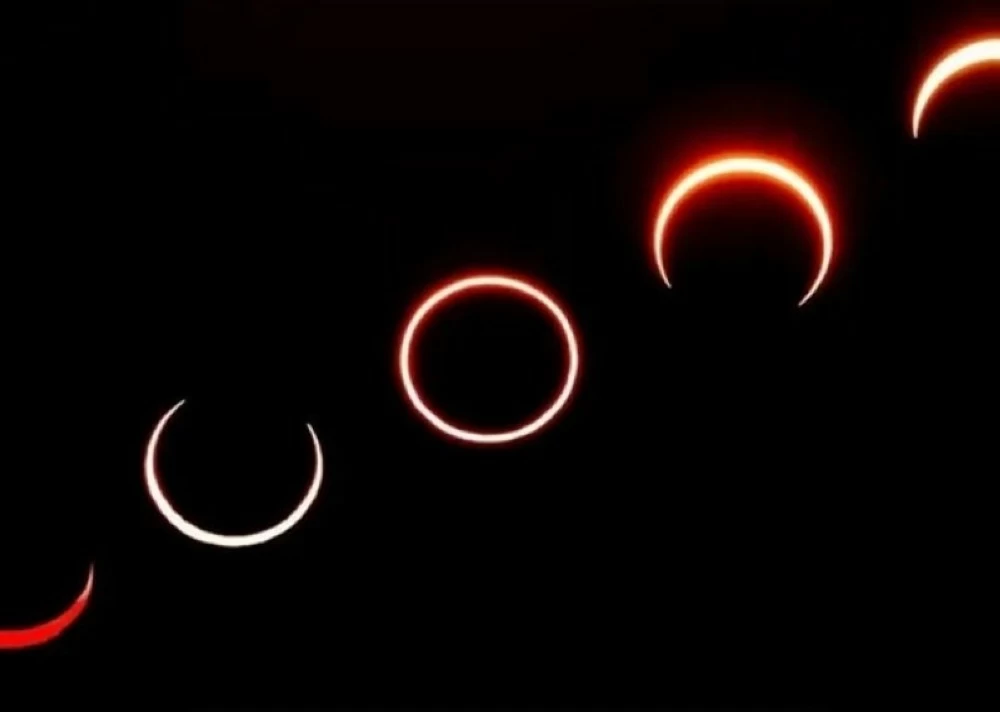
في مشهد فلكي نادر، يتزامن هذا العام يوم تحري هلال شهر رمضان مع ظاهرة كسوف الشمس الحلقي، المعروف باسم «حلقة النار». وهو تزامن أثار تساؤلات واسعة: هل يمكن أن يؤثر الكسوف على رؤية الهلال؟ وهل يحمل دلالة استثنائية لبداية الشهر الفضيل؟ بينما يترقب الملايين لحظة إعلان الرؤية، أثناء تحرك الحسابات الفلكية بدقة في خلفية المشهد.
ماذا يحدث في السماء؟
في الثلاثاء الموافق لـ 17 من فبراير، تشهد الأرض أول كسوف شمسي في العام. ويحدث الكسوف الحلقي عندما يمر القمر أمام الشمس في لحظة الاقتران، لكنه يكون في نقطة أبعد نسبيًا عن الأرض، فيبدو أصغر من أن يغطي قرص الشمس بالكامل، فتظهر الشمس كحلقة مضيئة تحيط بقرص مظلم، ومن هنا جاءت تسمية «حلقة النار».
لكن اللافت أن هذا الكسوف لن يكون مرئيًا في العالم العربي.
وستقتصر الرؤية الكاملة على مناطق من القارة القطبية الجنوبية، بينما يُشاهد جزئيًا في أجزاء من أمريكا الجنوبية وجنوب أفريقيا فقط.
هل يتأثر هلال رمضان؟
حسم هذه النقطة الجدلية جاء من المختصين. فخبراء الفلك يؤكدون أن كسوف الشمس لا يعوق رؤية هلال رمضان مطلقًا، لأن الظاهرتين منفصلتان عمليًا.
فالكسوف يحدث لحظة الاقتران، أي بداية الشهر فلكيًا، لكن الشريعة الإسلامية تعتمد في إثبات دخول الشهر على رؤية الهلال بعد غروب الشمس.
وبمعنى أوضح، يمكن القول إن الكسوف نفسه دليل على حدوث الاقتران، لكنه لا يحجب الهلال ولا يؤثر على إمكانية رصده.
وتعمد رؤية الهلال على عوامل مختلفة، مثل:
- مدة بقائه بعد غروب الشمس
- ارتفاعه فوق الأفق
- صفاء الغلاف الجوي
أما الكسوف، فهو حدث عابر لا يترك أثرًا بصريًا في سماء المنطقة العربية.
لماذا يثير التزامن كل هذا الاهتمام؟
لأن الجمع بين حدث ديني يرتبط ببداية شهر الصيام، وظاهرة فلكية نادرة، يمنح المشهد طابعًا استثنائيًا.
هو تلاقٍ بين العلم والروحانية، بين الحسابات الفلكية الدقيقة ومراسم التحري التي تتجدد كل عام.
لكن علميًا، لا يوجد أي تأثير مباشر للكسوف على إعلان بداية رمضان.
ولكن بعد أسبوعين فقط، ستشهد الأرض خسوفًا للقمر في الثالث من مارس القادم، مرئيًا في مناطق من أمريكا الشمالية وأستراليا وشرق آسيا، في استمرار لسلسلة الظواهر الفلكية لهذا العام.
ويمكن الخلوص إلى أن الأمر بات محسومًا: لأن «حلقة النار» لن تحجب هلال رمضان، ولن تغيّر قواعد الرؤية.
In a rare astronomical event, this year the sighting of the crescent moon for the month of Ramadan coincides with the annular solar eclipse, known as the "ring of fire." This coincidence has raised widespread questions: Could the eclipse affect the sighting of the crescent? Does it carry exceptional significance for the beginning of the holy month? As millions await the moment of the announcement of the sighting, precise astronomical calculations are at work in the background.
What is happening in the sky?
On Tuesday, February 17, the Earth will witness its first solar eclipse of the year. An annular eclipse occurs when the moon passes in front of the sun at the moment of conjunction, but it is at a relatively farther point from the Earth, appearing too small to completely cover the sun's disk, thus the sun appears as a glowing ring surrounding a dark disk, which is where the term "ring of fire" comes from.
However, it is noteworthy that this eclipse will not be visible in the Arab world.
The full view will be limited to areas of the Antarctic continent, while it will only be partially visible in parts of South America and Southern Africa.
Will the Ramadan crescent be affected?
The resolution of this controversial point comes from specialists. Astronomers confirm that a solar eclipse does not hinder the sighting of the Ramadan crescent at all, as the two phenomena are practically separate.
The eclipse occurs at the moment of conjunction, which is the astronomical beginning of the month, but Islamic law relies on the sighting of the crescent after sunset to establish the start of the month.
In clearer terms, it can be said that the eclipse itself is evidence of the conjunction occurring, but it does not obscure the crescent nor affect the possibility of observing it.
The sighting of the crescent depends on various factors, such as:
- The duration of its visibility after sunset
- Its height above the horizon
- The clarity of the atmosphere
As for the eclipse, it is a transient event that leaves no visual impact in the skies of the Arab region.
Why does this coincidence generate so much interest?
Because the combination of a religious event related to the beginning of the fasting month and a rare astronomical phenomenon gives the scene an exceptional character.
It is a convergence of science and spirituality, between precise astronomical calculations and the rituals of sighting that renew every year.
However, scientifically, there is no direct effect of the eclipse on the announcement of the beginning of Ramadan.
But just two weeks later, the Earth will witness a lunar eclipse on March 3, visible in parts of North America, Australia, and East Asia, continuing the series of astronomical phenomena this year.
It can be concluded that the matter is now settled: the "ring of fire" will not obscure the Ramadan crescent, nor will it change the rules of sighting.