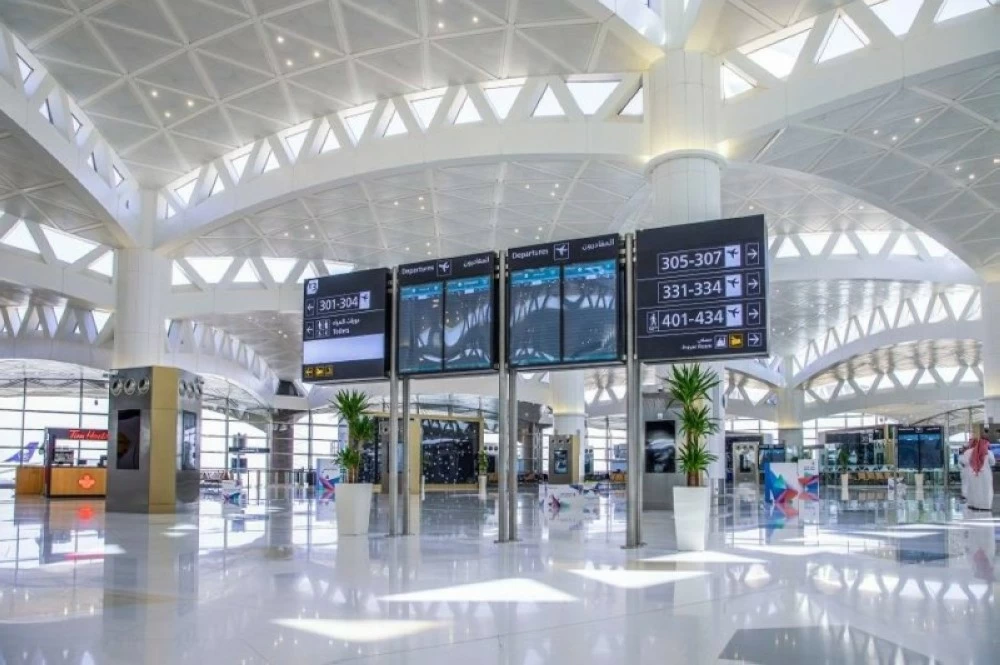
فيما أرجع مطار الملك خالد الدولي في الرياض سبب إلغاء وتأخر بعض رحلاته منذ ظهر أمس الجمعة وحتى الآن إلى أسباب تشغيلية، تتعلق بتحويل رحلات من مطارات متعددة إلى مطار الرياض، إلى جانب أعمال صيانة ضمن منظومة التزود بالوقود، شهدت مطارات عالمية خلال الساعات القليلة الماضية حالة من الإرباك في الحركة الجوية، تمثلت في تأخيرات واسعة وتحويل عدد من الرحلات، وسط تداخل عوامل جوية وتشغيلية تزامنت مع ذروة حركة السفر في عدد من القارات.
وبحسب تقارير صحفية عالمية ومؤشرات تتبع الحركة الجوية، تسببت الظروف الجوية القاسية، من ضباب كثيف وأمطار غزيرة وعواصف ثلجية في بعض المناطق، في تعطّل جداول الرحلات بمطارات رئيسة في أمريكا الشمالية وأوروبا وآسيا، ما انعكس على مواعيد الإقلاع والهبوط، ورفع معدلات التأخير لساعات في بعض الوجهات.
وفي الولايات المتحدة، واجهت مطارات كبرى ضغوطًا تشغيلية متصاعدة نتيجة العواصف الشتوية وتراكم الرحلات المؤجلة، فيما حذّرت شركات طيران مسافريها من احتمالات الإلغاء أو إعادة الجدولة، مع تسجيل ازدحام ملحوظ في صالات السفر وخدمات المناولة الأرضية.
أما في أوروبا، فقد ساهم الطقس الشتوي، إلى جانب إجراءات تنظيمية جديدة في بعض المطارات، في إطالة فترات الانتظار عند نقاط التفتيش والجوازات، وخلق طوابير امتدت لساعات، خصوصًا في المطارات التي تشهد كثافة عالية للرحلات الدولية.
وفي آسيا، تسببت موجات الضباب الكثيف في تعطيل الحركة الجوية بعدد من المطارات، حيث ألغيت رحلات، وتأخرت أخرى، مع تفعيل خطط الطوارئ التشغيلية وإعادة جدولة واسعة لتقليل التأثير على المسافرين.
كما رصدت التقارير حوادث تشغيلية متفرقة، شملت أعطالًا فنية محدودة وهبوطات احترازية، جرى التعامل معها وفق بروتوكولات السلامة المعتمدة، دون تسجيل إصابات، إلا أنها أسهمت في زيادة الضغط على الجداول الزمنية للرحلات.
وتُظهر خرائط الملاحة الجوية العالمية تركز بؤر التأخير في عدة مطارات خلال فترات متقاربة، ما يعكس طبيعة الترابط في قطاع الطيران العالمي، حيث يؤدي أي خلل جوي أو تشغيلي في مطار محوري إلى تأثير متسلسل يمتد إلى مطارات أخرى.
وفي الإطار ذاته، أصدر مطار الملك خالد الدولي بيانًا للمسافرين عن إلغاء وتأخر بعض الرحلات، مبينًا أن هذه الحالة حدثت نتيجة تزامن عدد من العوامل التشغيلية خلال اليومين الماضيين، شملت تحويل عدد من الرحلات من مطارات أخرى إلى مطار الملك خالد الدولي، إلى جانب أعمال صيانة مجدولة ضمن منظومة التزود بالوقود.
وقال البيان: ترتب على ذلك تأثر جداول بعض الرحلات، بما في ذلك تأجيل أو إلغاء عدد من رحلات الناقلين الجويين، ونظرًا للطبيعة التشغيلية للوضع، فإننا نهيب بجميع مسافرينا الكرام التواصل المباشر مع الناقل الجوي المعني قبل التوجه للمطار، للتحقق من حالة الرحلة وتوقيتها المحدّث، وذلك حرصًا على راحتهم وتفادي أي ازدحام في مباني المطار.
وأضاف البيان: يؤكد مطار الملك خالد الدولي أن سلامة العمليات التشغيلية تبقى على رأس أولوياته، وأن الفرق التشغيلية تعمل على مدار الساعة بالتنسيق الوثيق مع شركائنا من الناقلين الجويين والجهات ذات العلاقة لمعالجة المستجدات واستعادة الانتظام التشغيلي في أقرب وقت ممكن، مع اتخاذ جميع الإجراءات اللازمة للحد من أي أثر على تجربة المسافرين.
While King Khalid International Airport in Riyadh attributed the cancellation and delay of some of its flights since yesterday afternoon, Friday, to operational reasons related to the rerouting of flights from multiple airports to Riyadh Airport, alongside maintenance work within the fuel supply system, several global airports have experienced a state of confusion in air traffic over the past few hours, characterized by widespread delays and the rerouting of several flights, amidst a combination of weather and operational factors coinciding with peak travel times in several continents.
According to global media reports and air traffic tracking indicators, severe weather conditions, including dense fog, heavy rain, and snowstorms in some areas, have disrupted flight schedules at major airports in North America, Europe, and Asia, affecting takeoff and landing times and increasing delay rates by hours for some destinations.
In the United States, major airports faced escalating operational pressures due to winter storms and a backlog of delayed flights, while airlines warned their passengers of the possibility of cancellations or rescheduling, with noticeable congestion in travel lounges and ground handling services.
In Europe, winter weather, along with new regulatory measures at some airports, contributed to longer waiting times at security and passport control points, creating queues that extended for hours, especially at airports experiencing high volumes of international flights.
In Asia, waves of dense fog disrupted air traffic at several airports, leading to flight cancellations and delays, with emergency operational plans activated and extensive rescheduling implemented to minimize the impact on travelers.
Reports also noted isolated operational incidents, including limited technical malfunctions and precautionary landings, which were managed according to established safety protocols, with no injuries reported; however, these incidents contributed to increased pressure on flight schedules.
Global air navigation maps show concentrated areas of delay at several airports during closely timed intervals, reflecting the interconnected nature of the global aviation sector, where any air or operational disruption at a key airport leads to a cascading effect extending to other airports.
In the same context, King Khalid International Airport issued a statement to travelers regarding the cancellation and delay of some flights, indicating that this situation occurred due to the convergence of several operational factors over the past two days, including the rerouting of several flights from other airports to King Khalid International Airport, alongside scheduled maintenance within the fuel supply system.
The statement said: As a result, some flight schedules were affected, including the postponement or cancellation of several flights by air carriers, and due to the operational nature of the situation, we urge all our esteemed travelers to directly contact the relevant air carrier before heading to the airport to verify the status of their flight and its updated timing, in order to ensure their comfort and avoid any congestion in the airport terminals.
The statement added: King Khalid International Airport confirms that the safety of operational processes remains its top priority, and that operational teams are working around the clock in close coordination with our partners from air carriers and relevant authorities to address developments and restore operational regularity as soon as possible, while taking all necessary measures to minimize any impact on the travel experience of passengers.