تحتفي مملكة البحرين اليوم السادس عشر من ديسمبر بيومها الوطني الـ54، في مناسبة وطنية تستحضر مسيرةً حافلة بالمنجزات، وتجسّد مسار دولة واصلت البناء والتنمية بخطى ثابتة، مستندة إلى رؤية اقتصادية طموحة، وإرادة سياسية واعية، جعلت من الإنسان محور التنمية وغايتها.
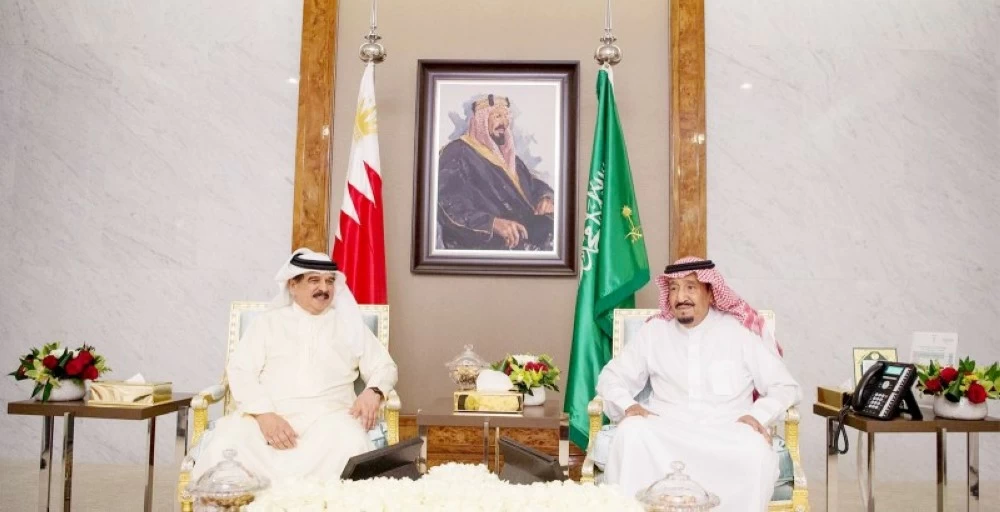
وتشارك المملكة العربية السعودية، قيادةً وحكومةً وشعباً، الأشقاء في مملكة البحرين مشاعر الفخر والاعتزاز بهذه المناسبة الوطنية الغالية، تأكيداً لعمق العلاقات الأخوية التاريخية التي تربط البلدين الشقيقين، وتمتد جذورها لعقود طويلة من التعاون والتكامل في مختلف المجالات السياسية والاقتصادية والتنموية.
العلاقات السعودية - البحرينية تعكس نموذجاً متقدماً للتعاون الخليجي.
وتعكس العلاقات السعودية - البحرينية نموذجاً متقدماً للتعاون الخليجي، تعزّز عبر الزيارات الرسمية المتبادلة بين قيادتي البلدين، وصولاً إلى العهد الزاهر لخادم الحرمين الشريفين الملك سلمان بن عبدالعزيز آل سعود، وأخيه ملك مملكة البحرين الملك حمد بن عيسى آل خليفة، وما شهده هذا العهد من تنسيق مستمر وتوافق في الرؤى تجاه القضايا الإقليمية والدولية.
نهضة شاملة ومصالح إستراتيجية
منذ استقلال مملكة البحرين عام 1971، حققت نهضة تنموية شاملة في مختلف القطاعات، شملت الاقتصاد، والتعليم، والصحة، والبنية التحتية، وأسهمت في بناء اقتصاد حديث ومتنوع، عزّز مكانتها مركزاً تجارياً ومالياً وسياحياً مهماً في المنطقة، مستفيدة من موقعها الجغرافي، وبيئتها التشريعية الجاذبة، وسياساتها الاقتصادية المتوازنة.
وترتكز السياسة الخارجية لمملكة البحرين على مبادئ واضحة، تشمل احترام سيادة الدول وعدم التدخل في شؤونها الداخلية، وتعزيز الأمن والاستقرار الإقليمي والدولي، وصيانة مصالحها الإستراتيجية، إلى جانب دعم القضايا العربية والإسلامية العادلة، وفي مقدمتها القضية الفلسطينية، وتعزيز العمل العربي المشترك.
دبلوماسية متزنة ومسار إصلاحي
وواصلت البحرين سياستها الدبلوماسية الهادئة والمتزنة، فنجحت في ترسيخ علاقات متينة مع مختلف دول العالم، ومدّ جسور التعاون والصداقة مع الشعوب، بما ينعكس إيجاباً على مصالحها الوطنية، ويعزز حضورها الفاعل في المحافل الإقليمية والدولية.
وفي الشأن الداخلي، انتهجت البحرين مساراً إصلاحياً قائماً على الدستور وسيادة القانون، وعملت على تحديث منظومتها التشريعية بما يواكب تطلعات التنمية الشاملة، ويعزز المشاركة المجتمعية، ويدعم مبادئ العدالة وتكافؤ الفرص، محققة بذلك تطوراً متسارعاً خلال العقود الخمسة الماضية.
وتُعد «رؤية البحرين الاقتصادية 2030» -التي أُطلقت عام 2008- إطاراً إستراتيجياً شاملاً لمسيرة التنمية، قائمة على 3 مبادئ رئيسية هي: الاستدامة، والتنافسية، والعدالة. وتهدف الرؤية إلى بناء اقتصاد قائم على الإنتاجية، يقوده القطاع الخاص، ويعتمد على الاستثمار في رأس المال البشري، والتعليم، والابتكار.
نمو إيجابي وتنويع اقتصادي
وسجّل الاقتصاد البحريني خلال الربع الثاني من عام 2025 نمواً بنسبة 2.5% بالأسعار الثابتة، و2.3% بالأسعار الجارية على أساس سنوي، مدفوعاً بتحقيق معظم الأنشطة الاقتصادية معدلات نمو إيجابية، حيث تصدرت الأنشطة المهنية والعلمية والتقنية معدلات النمو، تلتها تجارة الجملة والتجزئة، ثم الأنشطة العقارية.
وعلى صعيد الأسعار الجارية، سجلت أنشطة المعلومات والاتصالات، وخدمات الإقامة والطعام معدلات نمو لافتة، بما يعكس تنوع القاعدة الاقتصادية، ونجاح سياسات التنويع الاقتصادي التي انتهجتها البحرين.
وفي مجال الاستثمار الأجنبي المباشر، ارتفع رصيد الاستثمار بنسبة 5.4% خلال الربع الثاني من عام 2025، ليصل إلى نحو 17.5 مليار دينار بحريني، ما يؤكد جاذبية بيئة الأعمال، وفاعلية التشريعات المحفزة للاستثمار.
تقدم ملحوظ بالمؤشرات الدولية
وحققت البحرين تقدماً ملحوظاً في عدد من المؤشرات الدولية، حيث سجلت تحسناً بـ10 مراكز في مؤشر الابتكار العالمي 2025 الصادر عن المنظمة العالمية للملكية الفكرية (WIPO)، وجاءت في المرتبة الخامسة عالمياً في مؤشر أداء الاستثمارات الأجنبية المباشرة (غرينفيلد)، إضافة إلى تقدمها في مؤشر التنافسية العالمية الصادر عن المعهد الدولي للتنمية الإدارية (IMD).
وفي قطاع الشباب، حلّت البحرين في المرتبة الثانية عربياً، والثالثة على مستوى الشرق الأوسط وشمال أفريقيا في مؤشر تنمية الشباب العالمي، ما يعكس نجاح السياسات الموجهة لتمكين الشباب وتنمية قدراتهم، وتعزيز مشاركتهم في التنمية الاقتصادية والاجتماعية.
وحققت البحرين إنجازات نوعية في مجال تمكين المرأة، إذ تصدرت مؤشرات الأمم المتحدة المتعلقة بالمساواة بين الجنسين، وإسهام المرأة في قطاع الفضاء، في دلالة على الدور المتنامي للمرأة البحرينية في مختلف القطاعات الحيوية.
مقومات جاذبة وحراك ثقافي
ويحظى القطاع السياحي باهتمام متزايد ضمن برامج التنمية، حيث تعمل هيئة البحرين للسياحة والمعارض على تطوير المنتج السياحي، وتنويع المقومات الجاذبة، ورفع مساهمة السياحة في الناتج المحلي، ضمن إستراتيجية قطاع السياحة (2026 – 2022).
وفي المجال الثقافي، تواصل هيئة البحرين للثقافة والآثار جهودها في حماية التراث الثقافي المادي وغير المادي، ودعم الحراك الثقافي، وتعزيز حضور البحرين على خارطة الثقافة العالمية، بالتوازي مع انضمامها إلى عدد من الاتفاقيات الثقافية الدولية.
وتزخر مملكة البحرين بعديد من القلاع الأثرية مثل: موقع قلعة البحرين، وقلعة الشيخ سلمان بن أحمد الفاتح في الرفاع، وقلعة عراد، وقلعة بوماهر في المحرق، إلى جانب المتاحف الوطنية مثل: متحف البحرين الوطني، أول متحف أنشئ في منطقة الخليج العربي عام 1988، ومتحف موقع قلعة البحرين عام 2008، ومتحف البريد وغيرها.
اهتمام متنامٍ بالطاقة المتجددة
كما تولي البحرين اهتماماً متنامياً بقطاع الطاقة المتجددة، وتسعى إلى الاستفادة من إمكاناتها في الطاقة الشمسية، ودعم جهود حماية البيئة، وتحقيق أهداف التنمية المستدامة، بما يتماشى مع التوجهات العالمية.
وفي القطاع الصحي، تواصل البحرين تطوير منظومتها الصحية، وتوفير خدمات رعاية متكاملة وفق أعلى المعايير الدولية، مستثمرة في البنية التحتية الطبية، والابتكار الصحي، بما يعزز جودة الحياة للمواطنين والمقيمين.
ويجسّد اليوم الوطني البحريني الـ54 محطةً لاستحضار منجزات الماضي، واستشراف آفاق المستقبل بثقة وطموح، في ظل رؤية اقتصادية واضحة، ومسيرة تنموية متواصلة، تعكس إرادة دولة اختارت الاستثمار في الإنسان، وبناء الحاضر، وصناعة المستقبل.
The Kingdom of Bahrain celebrates its 54th National Day today, December 16, in a national occasion that recalls a journey filled with achievements and embodies the path of a state that has continued to build and develop steadily, based on an ambitious economic vision and a conscious political will that has made the human being the focus and goal of development.
The Kingdom of Saudi Arabia, led by its leadership, government, and people, shares with the brothers in the Kingdom of Bahrain feelings of pride and honor on this precious national occasion, affirming the depth of the historical fraternal relations that bind the two brotherly countries, which have roots extending for decades of cooperation and integration in various political, economic, and developmental fields.
The Saudi-Bahraini relations reflect an advanced model of Gulf cooperation, strengthened through mutual official visits between the leaderships of the two countries, reaching the prosperous era of the Custodian of the Two Holy Mosques King Salman bin Abdulaziz Al Saud and his brother, King Hamad bin Isa Al Khalifa of the Kingdom of Bahrain, and the continuous coordination and alignment in visions regarding regional and international issues that this era has witnessed.
Comprehensive Renaissance and Strategic Interests
Since the independence of the Kingdom of Bahrain in 1971, it has achieved a comprehensive developmental renaissance in various sectors, including the economy, education, health, and infrastructure, contributing to building a modern and diversified economy that has enhanced its position as an important commercial, financial, and tourism center in the region, benefiting from its geographical location, attractive legislative environment, and balanced economic policies.
The foreign policy of the Kingdom of Bahrain is based on clear principles, including respect for the sovereignty of states and non-interference in their internal affairs, enhancing regional and international security and stability, safeguarding its strategic interests, as well as supporting just Arab and Islamic causes, foremost among them the Palestinian cause, and promoting joint Arab action.
Balanced Diplomacy and Reform Path
Bahrain has continued its calm and balanced diplomatic policy, successfully establishing strong relations with various countries around the world and building bridges of cooperation and friendship with peoples, positively reflecting on its national interests and enhancing its active presence in regional and international forums.
Internally, Bahrain has pursued a reform path based on the constitution and the rule of law, working to update its legislative system to align with comprehensive development aspirations, enhance community participation, and support the principles of justice and equal opportunities, achieving rapid progress over the past five decades.
The "Bahrain Economic Vision 2030," launched in 2008, is a comprehensive strategic framework for the development journey, based on three main principles: sustainability, competitiveness, and justice. The vision aims to build a productivity-based economy led by the private sector, relying on investment in human capital, education, and innovation.
Positive Growth and Economic Diversification
The Bahraini economy recorded a growth rate of 2.5% in constant prices and 2.3% in current prices year-on-year during the second quarter of 2025, driven by most economic activities achieving positive growth rates, with professional, scientific, and technical activities leading the growth rates, followed by wholesale and retail trade, and then real estate activities.
In terms of current prices, the information and communications activities, as well as accommodation and food services, recorded remarkable growth rates, reflecting the diversification of the economic base and the success of the economic diversification policies adopted by Bahrain.
In the field of foreign direct investment, the investment balance increased by 5.4% during the second quarter of 2025, reaching approximately 17.5 billion Bahraini Dinars, confirming the attractiveness of the business environment and the effectiveness of investment-friendly legislation.
Notable Progress in International Indicators
Bahrain has made notable progress in several international indicators, having improved by 10 positions in the Global Innovation Index 2025 issued by the World Intellectual Property Organization (WIPO), ranking fifth globally in the Foreign Direct Investment (Greenfield) Performance Index, in addition to its advancement in the Global Competitiveness Index issued by the International Institute for Management Development (IMD).
In the youth sector, Bahrain ranked second Arab and third in the Middle East and North Africa in the Global Youth Development Index, reflecting the success of policies aimed at empowering youth, developing their capabilities, and enhancing their participation in economic and social development.
Bahrain has achieved qualitative accomplishments in the field of women's empowerment, topping United Nations indicators related to gender equality and women's contributions in the space sector, indicating the growing role of Bahraini women in various vital sectors.
Attractive Components and Cultural Movement
The tourism sector is receiving increasing attention within development programs, as the Bahrain Tourism and Exhibitions Authority works to develop the tourism product, diversify attractive components, and raise the contribution of tourism to the GDP, as part of the tourism sector strategy (2022-2026).
In the cultural field, the Bahrain Authority for Culture and Antiquities continues its efforts to protect tangible and intangible cultural heritage, support cultural movement, and enhance Bahrain's presence on the global cultural map, alongside its accession to several international cultural agreements.
The Kingdom of Bahrain is rich in numerous archaeological forts such as: the Bahrain Fort site, Sheikh Salman bin Ahmed Al-Fateh Fort in Riffa, Arad Fort, and Būmahr Fort in Muharraq, in addition to national museums such as: the Bahrain National Museum, the first museum established in the Arabian Gulf region in 1988, the Bahrain Fort Museum in 2008, and the Post Museum, among others.
Growing Interest in Renewable Energy
Bahrain is also placing increasing importance on the renewable energy sector, seeking to benefit from its solar energy potential, support environmental protection efforts, and achieve sustainable development goals in line with global trends.
In the health sector, Bahrain continues to develop its health system and provide integrated care services according to the highest international standards, investing in medical infrastructure and health innovation, enhancing the quality of life for citizens and residents.
The 54th Bahraini National Day embodies a moment to recall the achievements of the past and to look forward to the future with confidence and ambition, under a clear economic vision and a continuous developmental journey that reflects the will of a state that has chosen to invest in its people, build the present, and shape the future.