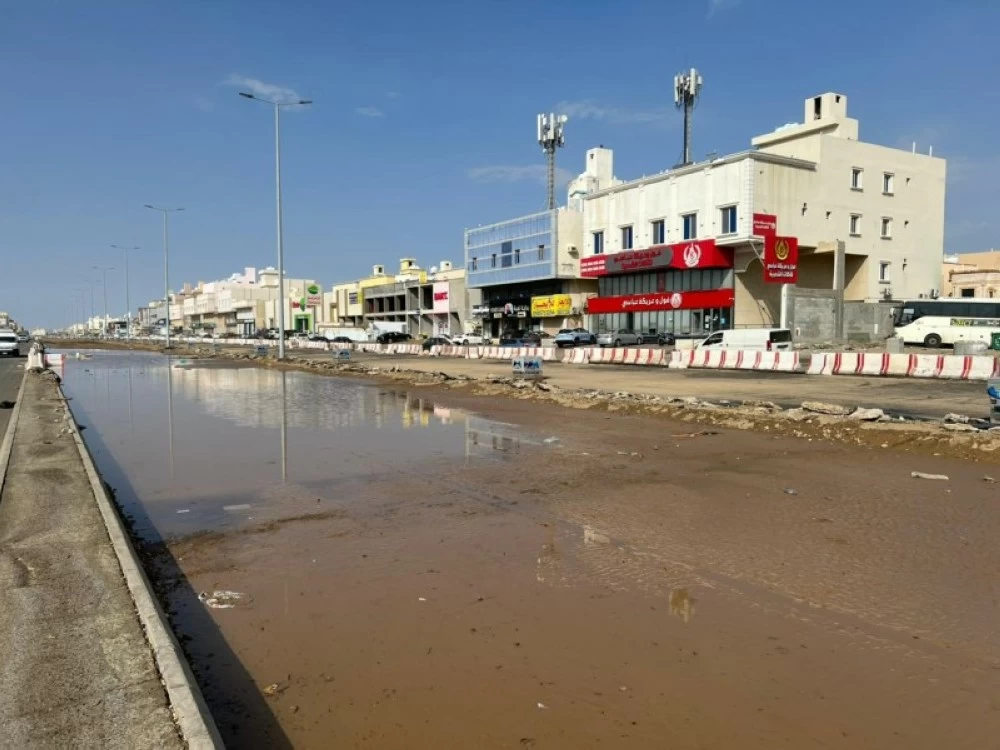
استفاق سكان وزوار جدة على أجواء شتوية عقب هطول الأمطار، التي شهدتها المحافظة، أمس، وأسهمت في تعديل حرارة الطقس إلى أقل من 20 درجة مئوية.
وشهدت الطرقات الرئيسية والفرعية في المحافظة تحرر الحركة المرورية التي تأثرت نسبيا أمس بفعل مياه الأمطار، وبلغت مستويات قياسية خلال ساعات بسيطة، بحسب محطات الرصد الرسمية.
شوارع جدة بعد سحب وشفط مياه الأمطار. (تصوير عبدالسلام السلمي)
وبلغت الأمطار في جدة أعلى مستوياتها على مستوى المملكة خلال خمس ساعات فقط، حيث وصلت في محطة ملعب الجوهرة 135 مليمترا، وفي محطة حي البساتين 81 مليمترا، وفي محطة مطار الملك عبدالعزيز 51 مليمترا.
استنفار فرق الميدان
بلغت الأمطار في جدة أعلى مستوياتها على مستوى المملكة خلال خمس ساعات فقط. (تصوير عبدالسلام السلمي)
وكانت أمانة محافظة جدة استنفرت فرقها الميدانية في نطاق 11 بلدية فرعية و15 مركز إسناد، مدعومة بـ 7,160 فردًا و1,621 معدة وآلية، للتعامل مع تجمعات المياه وتحسين انسيابية الحركة في الطرق والمحاور الرئيسية، وتركّز على معالجة المواقع الأكثر تأثرًا، وتشغيل وصيانة شبكات تصريف مياه الأمطار والمضخات المتنقلة والثابتة، إضافة إلى تعزيز جاهزية المعدات، واستقبال بلاغات السكان عبر القنوات الرسمية، ورفع تقارير المتابعة الميدانية أولًا بأول، بالتنسيق مع الجهات المعنية.
The residents and visitors of Jeddah woke up to wintery weather following the rainfall that the province experienced yesterday, which contributed to lowering the temperature to below 20 degrees Celsius.
The main and secondary roads in the province witnessed a release of traffic movement that was relatively affected yesterday due to rainwater, reaching record levels within just a few hours, according to official monitoring stations.
The rainfall in Jeddah reached its highest levels in the kingdom within just five hours, with 135 millimeters recorded at the Al-Jawhara Stadium station, 81 millimeters at the Al-Basateen neighborhood station, and 51 millimeters at King Abdulaziz Airport station.
Field Teams Mobilized
The Jeddah Municipality mobilized its field teams across 11 sub-municipalities and 15 support centers, backed by 7,160 personnel and 1,621 pieces of equipment and vehicles, to deal with water accumulation and improve traffic flow on the main roads and corridors, focusing on addressing the most affected areas, operating and maintaining rainwater drainage networks and both mobile and stationary pumps, in addition to enhancing equipment readiness, receiving reports from residents through official channels, and submitting field monitoring reports on an ongoing basis, in coordination with the relevant authorities.