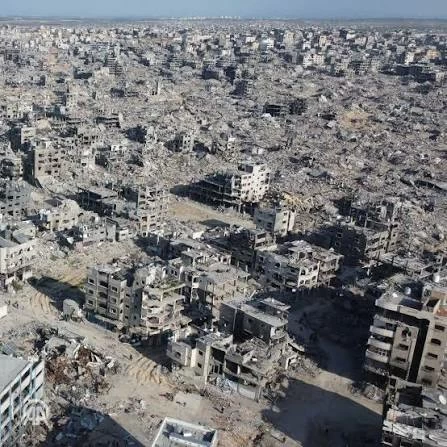
تمر، اليوم (الأربعاء)، 3 سنوات على يوم 7 أكتوبر الذي شنت خلاله حماس هجمات دامية على إسرائيل، وما أعقبه من حرب الإبادة الإسرائيلية التي دمرت الحجر والبشر في قطاع غزة.
وأسفرت الحرب عن خسائر بشرية ومادية هائلة، وخلفت دماراً طال المساكن والمستشفيات والمدارس والبنية التحتية والاقتصاد، وأضعف قدرة أكثر من مليوني فلسطيني على استعادة حياتهم الطبيعية.
خسائر بشرية متصاعدة
حتى 5 أكتوبر 2026، بلغت حصيلة ضحايا العدوان 74 ألفاً و243 قتيلاً و175 ألفاً و232 مصاباً، بحسب ما أفادت مصادر طبية في غزة، مع استمرار تحديث الأرقام وإضافة ضحايا جدد. ومنذ بدء سريان وقف إطلاق النار في 10 أكتوبر 2025، سجلت الوزارة 1460 قتيلاً و5116 مصاباً، إضافة إلى انتشال جثامين 836 شخصاً. وكان الأطفال من أكثر الفئات تضرراً، إذ أعلن المكتب الإعلامي الحكومي في غزة مقتل 21 ألفاً و500 طفل حتى يوليو 2026، بينهم أكثر من 520 رضيعا ولدوا خلال الحرب وقُتلوا فيها.
دمار واسع للمساكن والبنية التحتية
أظهر أحدث تقييم للأضرار أن نحو 82% من مباني القطاع تضررت جراء الحرب حتى 16 يونيو الماضي، بإجمالي نحو 201 ألف و290 مبنى، بينها 134 ألفاً و422 مبنى دُمرت بالكامل. وبلغ عدد الوحدات السكنية المتضررة 328 ألفاً و627 وحدة، ما عمّق أزمة النزوح والسكن. وطال الدمار القطاع الصحي والتعليم؛ إذ تعرضت أكثر من 1800 منشأة صحية لأضرار أو دمار، بينما تضررت 98% من مدارس غزة، وتحتاج أكثر من 93% منها إلى ترميم شامل أو إعادة بناء.
نزوح وأزمة إنسانية ممتدة
يعيش نحو 2.15 مليون فلسطيني في ظروف إنسانية قاسية، بينهم نحو 800 ألف يقيمون في خيام غير صالحة للحياة، فيما تحتاج 162 ألف خيمة إلى الاستبدال الفوري. وحذرت الأمم المتحدة من تعرض نحو 279 ألف شخص يقيمون في مواقع نزوح لخطر الفيضانات خلال الشتاء، بينما بقي نحو 200 ألف طفل خارج المدارس. كما يحتاج نحو مليون طفل إلى دعم نفسي واجتماعي، في ظل آثار عميقة للصدمات التي تعرضوا لها.
تكلفة إعادة إعمار ضخمة
أدت الحرب إلى تضرر أو تدمير 92% من المنشآت الاقتصادية في غزة، مع توقف شبه كامل للنشاط الإنتاجي. وتقدر تكلفة التعافي وإعادة الإعمار بنحو 71.4 مليار دولار، منها 35.2 مليار دولار للأضرار المادية في البنية التحتية، و22.7 مليار دولار للخسائر الاقتصادية والاجتماعية، بينما تحتاج غزة إلى 26.3 مليار دولار خلال الأشهر الـ18 الأولى لاستعادة الخدمات الأساسية وإعادة بناء البنية التحتية الحيوية ودعم الاقتصاد. وبذلك، لا تقتصر خسائر غزة على ما دمرته الحرب، بل تمتد إلى سنوات طويلة من التعافي وإعادة بناء الإنسان والمكان والاقتصاد.
Today (Wednesday), marks 3 years since October 7, when Hamas launched deadly attacks on Israel, followed by the Israeli genocide war that destroyed both stone and human life in the Gaza Strip.
The war resulted in massive human and material losses, leaving devastation that affected homes, hospitals, schools, infrastructure, and the economy, weakening the ability of more than two million Palestinians to restore their normal lives.
Rising Human Losses
As of October 5, 2026, the toll of the aggression reached 74,243 dead and 175,232 injured, according to medical sources in Gaza, with numbers continuing to be updated and new victims added. Since the ceasefire took effect on October 10, 2025, the ministry recorded 1,460 dead and 5,116 injured, in addition to the recovery of the bodies of 836 individuals. Children were among the most affected groups, with the government media office in Gaza announcing the deaths of 21,500 children by July 2026, including more than 520 infants who were born during the war and killed in it.
Widespread Destruction of Homes and Infrastructure
The latest damage assessment showed that about 82% of the buildings in the Gaza Strip were damaged due to the war as of June 16, totaling approximately 201,290 buildings, of which 134,422 were completely destroyed. The number of damaged housing units reached 328,627, deepening the displacement and housing crisis. The health and education sectors were also affected; more than 1,800 health facilities suffered damage or destruction, while 98% of Gaza's schools were affected, with more than 93% needing comprehensive repairs or reconstruction.
Prolonged Displacement and Humanitarian Crisis
About 2.15 million Palestinians live in harsh humanitarian conditions, including around 800,000 who are residing in uninhabitable tents, while 162,000 tents need immediate replacement. The United Nations warned that approximately 279,000 people living in displacement sites are at risk of flooding during the winter, while around 200,000 children remain out of school. Additionally, about one million children need psychological and social support, given the deep effects of the traumas they have experienced.
Massive Reconstruction Costs
The war led to damage or destruction of 92% of economic facilities in Gaza, with a near-total halt to productive activity. The cost of recovery and reconstruction is estimated at around $71.4 billion, including $35.2 billion for physical damage to infrastructure, and $22.7 billion for economic and social losses, while Gaza needs $26.3 billion over the first 18 months to restore essential services, rebuild vital infrastructure, and support the economy. Thus, Gaza's losses are not limited to what the war destroyed, but extend to many years of recovery and rebuilding of both people and place, as well as the economy.