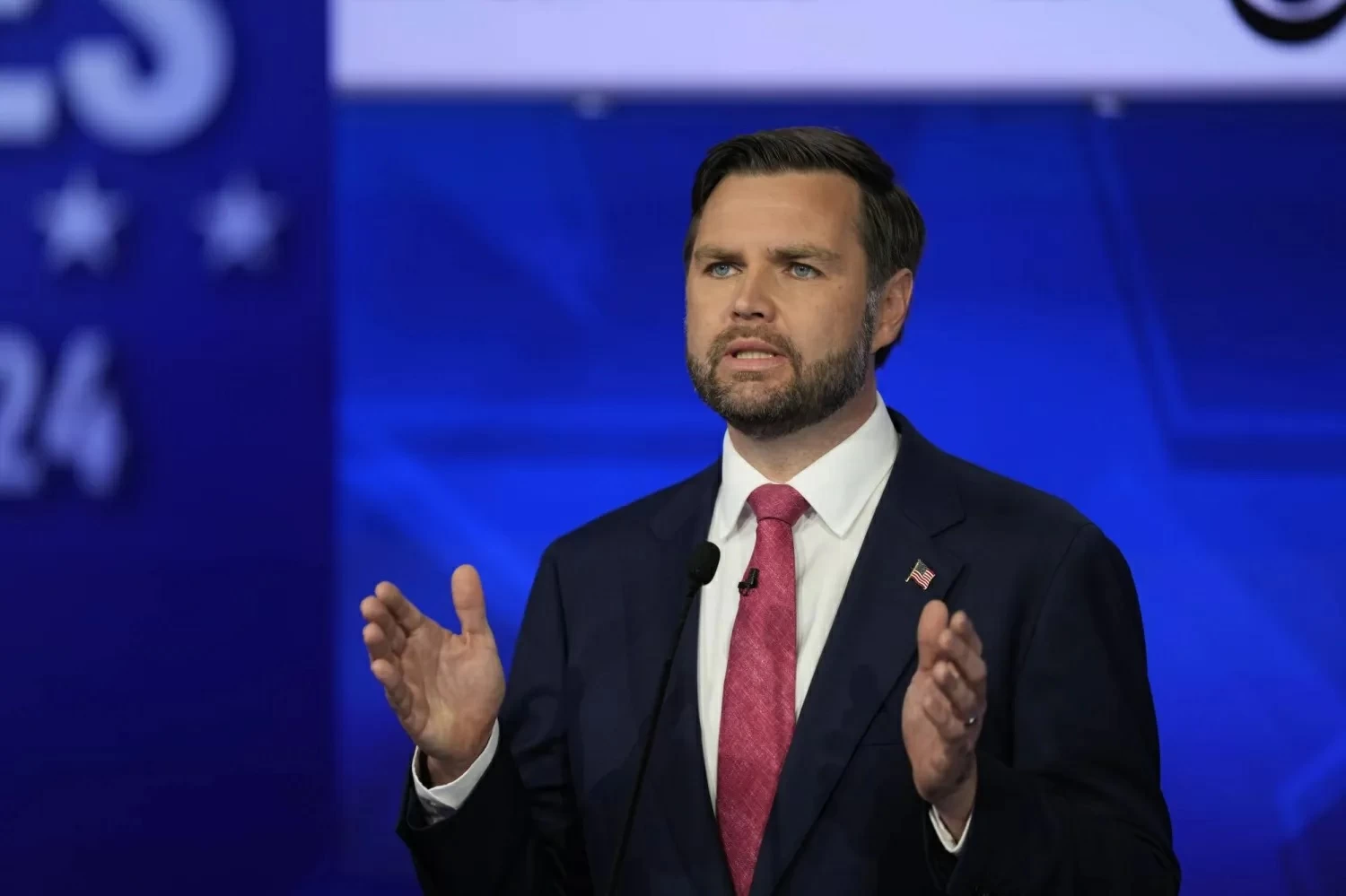
طالب نائب الرئيس الأمريكي جي دي فانس، إيران بخفض "ملموس" لقدراتها في تخصيب اليورانيوم لتلبية مطالب الولايات المتحدة وإنهاء الحرب المستمرة بين البلدين منذ أكثر من 7 أشهر.
وقال فانس في مقابلة مع "رويترز"، إن أي اتفاق لإنهاء الحرب سيتطلب من إيران اتخاذ خطوات ملموسة لخفض قدراتها في تخصيب اليورانيوم، وليس الاكتفاء بتقديم تعهدات بخفض قدراتها النووية في المستقبل.
وأضاف في المقابلة التي أجريت (الإثنين) عقب جولة انتخابية في ألاسكا: "إذا كنتم لا تريدون سلاحاً نووياً، فلماذا تحتاجون إلى وقود مخصب بنسبة 60%؟ وإذا كنتم تريدون إظهار الالتزام بعدم تصنيع سلاح نووي، فلا تصنعوا وقوداً عالي التخصيب. هذه مسألة أساسية للغاية". وأشار إلى أنهم إذا أرادوا إظهار التزامهم بعدم صنع سلاح نووي، فسيتخذون إجراءات ملموسة بشأن قدراتهم في مجال التخصيب. وأعلن فانس أن الولايات المتحدة لا تزال منفتحة على التوصل إلى اتفاق مع إيران، لكنها ستشترط اتخاذ طهران خطوات نووية ملموسة، مضيفاً: "لن نقبل الأقوال بديلاً عن الأفعال".
وقال فانس إن واشنطن تجري محادثات مع الرئيس الإيراني مسعود بيزشكيان ووزير الخارجية عباس عراقجي، لكنه أشار إلى أنه ليس من الواضح مدى السلطة التي يتمتع بها الاثنان داخل السلطة في طهران. ولفت إلى أن من بين الأمور التي لاحظناها أنه ليس من الواضح تماماً كيف تتخذ بلادهم القرارات. وكان ترمب قال (الثلاثاء) إن "أكبر مشكلة" لديه هي أنه لا أحد يعرف من يدير إيران. فيما اعتبر المتحدث باسم وزارة الخارجية الإيرانية إسماعيل بقائي أن المسؤولين الأمريكيين يدركون جيداً من هم نظراؤهم الإيرانيون وكيف يعمل نظام صنع القرار في إيران. وكشف فانس لـ"رويترز" إنه أجرى شخصياً محادثات مع قادة ميدانيين لتقييم الأوضاع في ساحة المعركة، ورفض المخاوف بشأن النقص الحاد في الذخائر. وأضاف أن القوات الإيرانية تتمكن بين الحين والآخر من ضرب السفن التجارية في مضيق هرمز، لكنها غير قادرة إلى حد كبير على منع تصدير الطاقة عبر هذا الممر المائي.
وتبلغ كلفة الحرب نحو 3 مليارات دولار شهرياً، فيما أصبحت قضية بارزة في حملة انتخابات التجديد النصفي الأمريكية، في ظل ارتفاع أسعار الطاقة وما يفرضه ذلك من ضغوط سياسية على ترمب والجمهوريين. وسعى فانس إلى التخفيف من حدة الانتقادات الموجهة إلى طريقة تعامل ترمب مع الصراع، قائلاً للناخبين إنه ينبغي ألا تدعهم هذه القضية تمنعهم من دعم الجمهوريين في انتخابات الشهر القادم. ويُنظر إلى فانس على أنه أحد المرشحين الجمهوريين البارزين لخلافة ترمب في البيت الأبيض. وقال لـ"رويترز" بعد التجمع إنه لم يقرر بعد ما إذا كان سيترشح للرئاسة في عام 2028. وأضاف: "أنا بطبيعتي شخص يميل إلى التروي. لم أفكر في الأمر كثيراً حقاً".
U.S. Vice President JD Vance urged Iran to make a "tangible" reduction in its uranium enrichment capabilities to meet U.S. demands and end the ongoing war between the two countries that has lasted for more than 7 months.
Vance said in an interview with "Reuters" that any agreement to end the war would require Iran to take concrete steps to reduce its uranium enrichment capabilities, rather than merely making commitments to reduce its nuclear capabilities in the future.
He added in the interview conducted (on Monday) following a campaign tour in Alaska: "If you don't want a nuclear weapon, why do you need fuel enriched to 60%? And if you want to demonstrate your commitment to not manufacturing a nuclear weapon, don't produce highly enriched fuel. This is a very fundamental issue." He pointed out that if they wanted to show their commitment to not making a nuclear weapon, they would take tangible actions regarding their enrichment capabilities. Vance announced that the United States remains open to reaching an agreement with Iran, but it will require Tehran to take concrete nuclear steps, adding: "We will not accept words in place of actions."
Vance stated that Washington is in talks with Iranian President Masoud Pezeshkian and Foreign Minister Abbas Araghchi, but he noted that it is unclear how much authority the two have within the power structure in Tehran. He highlighted that one of the things we have noticed is that it is not entirely clear how their country makes decisions. Trump said (on Tuesday) that his "biggest problem" is that no one knows who runs Iran. Meanwhile, Iranian Foreign Ministry spokesman Ismail Baqaei considered that U.S. officials are well aware of who their Iranian counterparts are and how the decision-making system in Iran works. Vance revealed to "Reuters" that he personally had conversations with field leaders to assess the situation on the battlefield and dismissed concerns about the severe shortage of ammunition. He added that Iranian forces are occasionally able to strike commercial ships in the Strait of Hormuz, but they are largely unable to prevent energy exports through this waterway.
The cost of the war is about $3 billion per month, and it has become a prominent issue in the U.S. midterm election campaign, amid rising energy prices and the political pressures this places on Trump and the Republicans. Vance sought to mitigate the criticism directed at Trump's handling of the conflict, telling voters that they should not let this issue prevent them from supporting Republicans in next month's elections. Vance is seen as one of the leading Republican candidates to succeed Trump in the White House. He told "Reuters" after the rally that he has not yet decided whether he will run for president in 2028. He added: "I am naturally a person who tends to be cautious. I really haven't thought about it much."