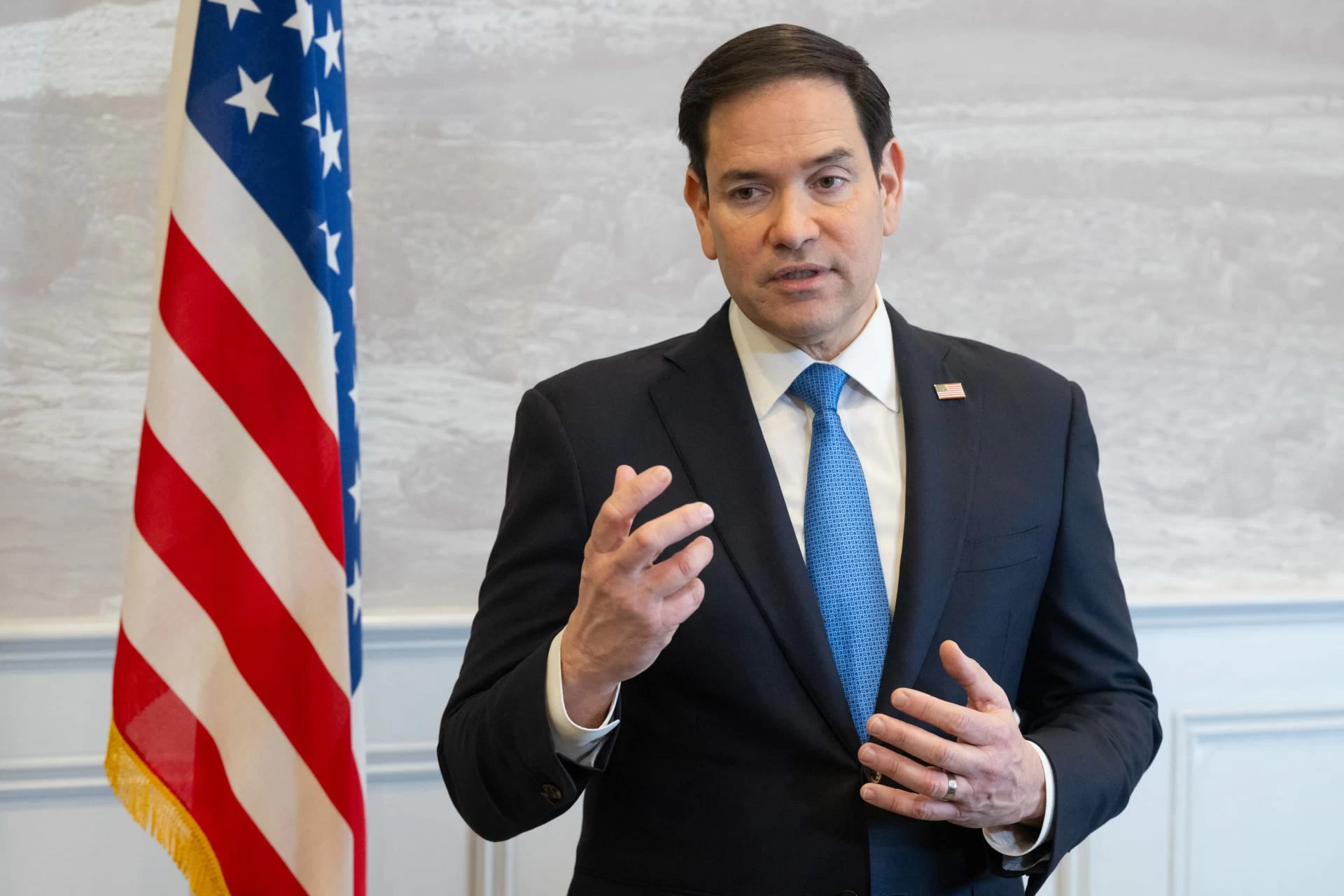
كشف موقع "أكسيوس" الإخباري، أن وزير الخارجية الأمريكي ماركو روبيو، أبلغ عدداً من نظرائه من الدول الحليفة خلال الأيام القليلة الماضية بأنه "في الوقت الراهن" لا يرجح أن تشن الولايات المتحدة ضربات جديدة على إيران، بل ستركز بدلاً من ذلك على وسائل ضغط أخرى.
وبحسب الموقع الأمريكي فإن روبيو أبلغ وزراء خارجية حلفاء لواشنطن خلال الأيام الأخيرة بأن الولايات المتحدة لا تتوقع في الوقت الراهن شن ضربات جديدة على إيران، مع التركيز على العقوبات والضغوط الاقتصادية.
ونقل الموقع عن مصادر أمريكية قولها إن روبيو أوضح أن واشنطن لا تخطط في هذه المرحلة للعودة إلى عمليات قتالية واسعة النطاق، إلا أنه لم يستبعد توجيه ضربات إذا شنت إيران هجوماً أولاً.وتوقع مسؤول أمريكي آخر أن تظل هذه هي سياسة الولايات المتحدة، على الأقل حتى ما بعد انتخابات التجديد النصفي.
وأضاف مسؤولون في الإدارة الأمريكية أن إزالة الألغام من معظم مناطق مضيق هرمز، إلى جانب زيادة حركة ناقلات النفط عبره، أدت إلى تراجع كبير في القدرة التفاوضية لإيران.
وبعد مرور قرابة ستة أشهر على اندلاع الصراع، كشف وزير الخزانة الأمريكي سكوت بيسنت، عن الإجراءات العقابية ضد إيران، الإثنين، لكنه لم يصل إلى حد فرض ما يمكن وصفه بأقسى العقوبات.
وأعلنت وزارة الخزانة عن عقوبات جديدة على 60 من الأفراد والكيانات والسفن، لكن القائمة لم تتضمن أياً من المؤسسات المالية الصينية التي يشتبه في أنها تسهل تجارة النفط الإيرانية.
وأعلنت الولايات المتحدة وإيران مرتين في أبريل ويونيو، اتفاقين لوقف إطلاق النار بهدف استعادة حرية الملاحة عبر مضيق هرمز في مسار نحو إنهاء الصراع المستمر منذ نحو ستة أشهر، لكنهما انهارا سريعاً.
The news site "Axios" revealed that U.S. Secretary of State Marco Rubio informed several of his counterparts from allied countries in recent days that "at this time," the United States is unlikely to launch new strikes on Iran, but will instead focus on other means of pressure.
According to the American site, Rubio informed foreign ministers of Washington's allies in recent days that the United States does not expect to launch new strikes on Iran at this time, focusing instead on sanctions and economic pressure.
The site quoted American sources stating that Rubio clarified that Washington does not plan at this stage to return to large-scale combat operations, although he did not rule out launching strikes if Iran were to attack first. Another American official predicted that this would remain U.S. policy, at least until after the midterm elections.
U.S. officials added that the clearing of mines from most areas of the Strait of Hormuz, along with increased oil tanker traffic through it, has led to a significant decline in Iran's negotiating power.
Nearly six months after the outbreak of the conflict, U.S. Treasury Secretary Scott Pisent revealed punitive measures against Iran on Monday, but did not go as far as to impose what could be described as the harshest sanctions.
The Treasury announced new sanctions on 60 individuals, entities, and vessels, but the list did not include any of the Chinese financial institutions suspected of facilitating Iranian oil trade.
The United States and Iran announced ceasefire agreements twice in April and June, aimed at restoring freedom of navigation through the Strait of Hormuz in a path towards ending the ongoing conflict for nearly six months, but these agreements quickly collapsed.