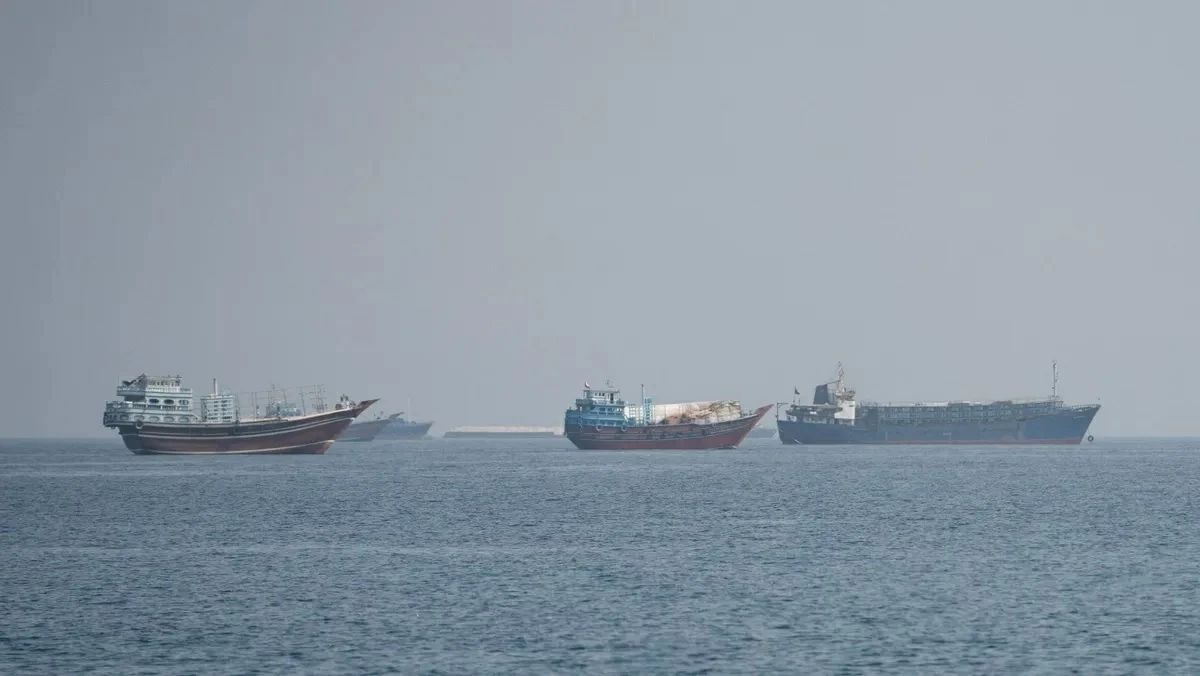
نقلت وكالة «رويترز» عن بيانات أولية، اليوم (الأربعاء)، أن 5 سفن لشحن السلع الأولية عبرت مضيق هرمز، أمس (الثلاثاء)، وهو رقم لم يتغير كثيراً عن اليوم السابق، لكنه أقل بكثير من متوسط 10 أيام البالغ 15 سفينة.
وأظهرت البيانات الأولية الصادرة عن مؤسسة «كبلر» لتتبع السفن في الساعة 04:08 بتوقيت غرينتش، أن ناقلتين تحملان غاز البترول المسال وناقلة تحمل القار خرجت من المضيق، بينما دخلت الممر المائي ناقلتان فارغتان. قد تتغير هذه الأرقام، إذ توقف بعض السفن عادة تشغيل أجهزة الإرسال والاستقبال أثناء الرحلة.
من جانبه، قال نائب وزير الخارجية الإيراني كاظم غريب آبادي إنه جرى الاتفاق مع سلطنة عُمان على أن تفعيل المسار المشترك في مضيق هرمز يعني إغلاق المسار الجنوبي للممر الملاحي الحيوي.
ونقل التلفزيون الإيراني عن غريب آبادي قوله إن عرض مسار العبور المتفق عليه مع عُمان في مضيق هرمز يبلغ 7 أميال بحرية، مضيفاً أن المسار سيكون مؤقتاً، وقال: «سنتفاوض معهم بشأن مسار دائم».
وزعم أن مضيق هرمز لن يُفتح إلا بترتيبات إيرانية، مشيراً إلى أنه بموجب التفاهم، سيكون مسار دخول السفن إلى الخليج عبر المياه الإيرانية، ومسار خروجها عبر المياه الإقليمية العُمانية، وفي كلا المسارين ستمر السفن عبر المياه الإيرانية.
ولفت إلى أن التفاهم مع سلطنة عُمان بشأن مضيق هرمز «لا يعني إعادة فتحه غداً»، مضيفاً: سنجري مفاوضات تمتد من 30 إلى 60 يوماً بشأن الترتيبات المستقبلية لإدارة مضيق هرمز.
وكانت سلطنة عُمان وإيران أعلنتا أن وزيري خارجية البلدين أجريا مشاورات بشأن استئناف الملاحة الآمنة عبر مضيق هرمز، وبحثا إطاراً مرحلياً من شأنه توفير أساس عملي قابل للتنفيذ، في ضوء الوضع الراهن في الممر المائي الحيوي، الناجم عن الحرب وتداعياتها المأساوية. ويتضمن الإطار المرحلي المقترح، بحسب بيان مشترك، إنشاء ممر ملاحي مؤقت مشترك عبر المضيق، إضافة إلى الاتفاق على تنفيذ مشروع مشترك لتطهير الممر المائي من الألغام.
The Reuters agency reported preliminary data today (Wednesday) indicating that 5 ships carrying bulk commodities crossed the Strait of Hormuz yesterday (Tuesday), a number that has not changed much from the previous day, but is significantly lower than the 10-day average of 15 ships.
The preliminary data released by the ship-tracking organization "Kpler" at 04:08 GMT showed that two tankers carrying liquefied petroleum gas and one tanker carrying bitumen exited the strait, while two empty tankers entered the waterway. These numbers may change, as some ships typically stop operating their transponders during the journey.
For his part, Iranian Deputy Foreign Minister Kazem Gharib Abadi stated that an agreement was reached with Oman that activating the joint route in the Strait of Hormuz means closing the southern route of the vital waterway.
Iranian television quoted Gharib Abadi as saying that the agreed-upon transit route with Oman in the Strait of Hormuz is 7 nautical miles wide, adding that the route will be temporary. He said, "We will negotiate with them regarding a permanent route."
He claimed that the Strait of Hormuz will only be opened under Iranian arrangements, noting that under the understanding, the route for ships entering the Gulf will be through Iranian waters, and the route for exiting will be through Omani territorial waters, with ships passing through Iranian waters in both routes.
He pointed out that the understanding with Oman regarding the Strait of Hormuz "does not mean reopening it tomorrow," adding: "We will conduct negotiations that will last from 30 to 60 days regarding future arrangements for managing the Strait of Hormuz."
Oman and Iran had announced that the foreign ministers of both countries held consultations regarding the resumption of safe navigation through the Strait of Hormuz, discussing a phased framework that would provide a practical and implementable basis, in light of the current situation in the vital waterway, resulting from the war and its tragic repercussions. The proposed phased framework includes, according to a joint statement, the establishment of a temporary joint navigation corridor through the strait, in addition to agreeing on a joint project to clear the waterway of mines.