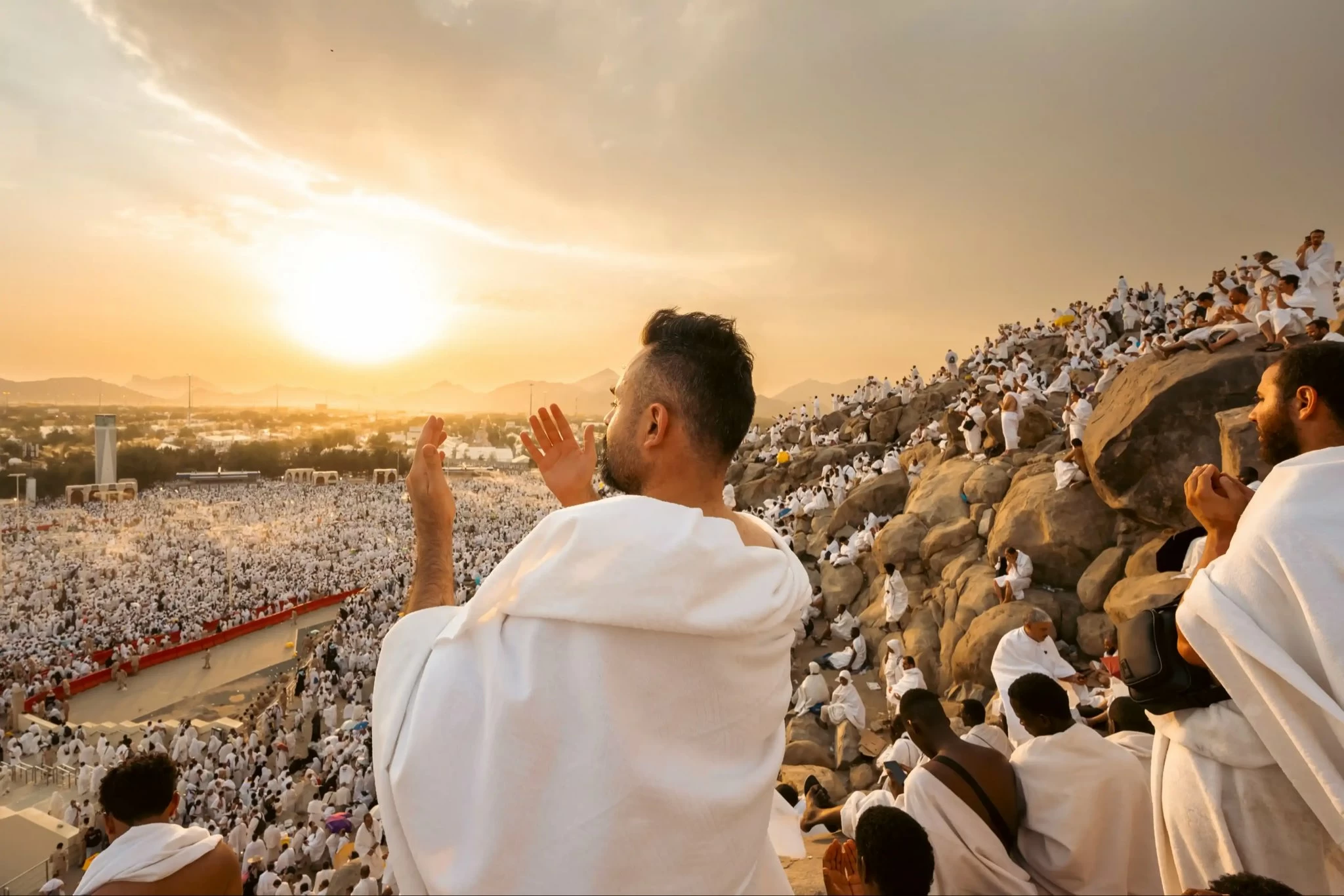
في كل موسم حج، تتجدد الجهود وتتسارع الابتكارات في سبيل تقديم تجربة وخدمة استثنائية لضيوف الرحمن، تليق بمكانة السعودية في خدمة الحرمين الشريفين، وتحقق مرتكزات وأهداف رؤية 2030، فأصبح التحول الرقمي ركيزة أساسية في هذا الجانب، كما أن الارتقاء بالخدمات هدف لا حياد عنه، في حج ذكي يجعل رحلة الحج ذكرى لا تنسى.
أولت المملكة العربية السعودية اهتماماً بالغاً بتحسين تجربة الحج والعمرة من خلال التوسع في استخدام التقنيات الذكية، وأطلقت العديد من المبادرات الرائدة التي تستند إلى الذكاء الاصطناعي، سواء في الترجمة أو إدارة الحشود أو الأمن أو الخدمات الصحية.
الحل الرقمي ليس خياراً تكميليّاً
يُعد هذا التحول الرقمي تجسيداً عملياً لأحد مستهدفات رؤية المملكة 2030، التي تضع في أولوياتها تحسين تجربة ضيوف الرحمن، وتقديم خدمات نوعية تواكب تطلعات الزوار وتليق بمكانة المملكة في خدمة الحرمين الشريفين.
ولم يعد الاعتماد على الحلول الرقمية خياراً تكميلياً، بل أصبح عنصراً أساسياً في إدارة موسم الحج، وأسهمت هذه التقنيات في تعزيز كفاءة الأداء الميداني، وتقليل الزحام، وتحسين تجربة الحاج في المشاعر المقدسة كتجربة فريدة تمزج بين روحانية المكان وحداثة الوسائل.
وسهلت المنظومات الذكية إجراءات الحاج وحسّنت جودة الخدمات لآلاف الحجاج القادمين من مختلف بقاع العالم، ويجد الحاج نفسه أمام حزمة واسعة من المنصات والتطبيقات الذكية التي تُسهل رحلة الحج.
«درون» الأدوية الطائر
شكّلت المنظومات الذكية حضوراً متزايداً للحلول الرقمية، بدءاً من لحظة الوصول حتى المغادرة، وتشمل تسجيل واختيار باقات الحج عبر تقنيات حديثة، وإصدار التأشيرات إلكترونياً، مع خدمات رقمية متطورة للاستعلام عن مواعيد السفر ومحطات الرحلة، وإشعارات آلية بمواعيد ومناطق التفويج.
وتتضمن تلك الحزمة أيضاً عدداً من الخدمات الإلكترونية منها إشعار شركات تقديم الخدمة بوقت وصول الحاج لاستقباله ونقله لمقر السكن، وإشعار شركات النقل بمواعيد نقل الحجاج بين مكة والمدينة المنورة، ولا تغيب صحة الحاج عن التقنية فهناك خدمات طبية تخصصية عبر مستشفى صحة الافتراضي، ودرون طائر يعمل على نقل الأدوية في دقائق.
«نسك» والمستشعرات التقنية
تسارعت وتيرة التحول الرقمي عبر توحيد الإجراءات ومتابعة الأداء لحظياً، إلى جانب تعميم استخدام بطاقة (نسك) المزودة بمستشعرات تقنية لتنظيم دخول الحجاج للمخيمات. وتعتمد خطط إدارة الحشود على جدولة دقيقة للتفويج وتوزيع المسارات، مدعومة بأنظمة رقمية متقدمة تتيح متابعة الحركة بشكل لحظي؛ ما يعزز سرعة الاستجابة ويضمن انسيابية التنقل داخل المشاعر المقدسة.
طريق مكة.. عالم من الخيال
لم تعد مبادرة طريق مكة مجرد مبادرة تنفّذ، بل تحولت إلى عالم من الخيال بإنهاء إجراءات القدوم خلال أقل من ثلاث دقائق، فالمبادرة كما هو معلوم عبارة عن مجموعة من الخدمات والوسائل المتاحة لخدمة ضيوف الرحمن في بلدانهم ونجحت في تقديم حلول رقمية وخدمة «حاج بلا حقيبة»، بما يتيح شحن الأمتعة مباشرة إلى مقار الإقامة، ما يقلل التكدّس ويسهّل التنقل.
روبوت مترجم في الحرم
أحدثت التقنيات الحديثة نقلة نوعية في مجال الإرشاد الديني داخل الحرم المكي، اذ أطلقت الهيئة العامة للعناية بشؤون الحرمين روبوتاً ذكياً قادراً على تقديم الفتوى الشرعية بترجمة فورية إلى 11 لغة عالمية. تشمل هذه اللغات: العربية، الإنجليزية، الفرنسية، الروسية، الفارسية، التركية، الملايوية، الأوردية، الصينية، البنغالية، والهوسا.
طبيب آلي يعالج المرضى
من أبرز الابتكارات التي يشهدها موسم الحج إدخال الطبيب الآلي في المرافق الصحية؛ إذ تم تجهيز الروبوتات لتقديم الاستشارات الطبية للحجاج، ومساعدتهم في الحصول على العلاج دون الحاجة إلى انتظار طويل. ويمكن للروبوت التفاعل مع المرضى، وتقديم توجيهات طبية أولية بناءً على الحالة، وفي الحالات المعقدة يتم تحويل الحالة مباشرة إلى الطبيب المختص، مع إرسال شرح مفصّل عن الأعراض ما يساعد في تسريع عملية التشخيص والعلاج.
«درون» تلاحق مخالفي الحج
أسهمت التقنية الحديثة المتطورة في ضبط مخالفي الحج فاستخدمت قوات أمن الحج منظومة من التقنيات الحديثة، أبرزها الطائرات المسيّرة، التي تُستخدم لمراقبة الحركة في المشاعر المقدسة وتحديد المخالفين الذين يحاولون أداء الحج دون تصريح نظامي.
«سدايا» والخوارزميات المتقدمة
قدمت الهيئة السعودية للبيانات والذكاء الاصطناعي (سدايا) حزمة من الخدمات التقنية المتقدمة خلال موسم الحج، ومن أبرز هذه المبادرات الرائدة أطلقت سدايا منصتي (بصير) و(سواهر) وهما نظامان ذكيان يقدمان حلولاً تقنية متكاملة تعزز من جودة التنظيم والمراقبة والتفاعل في المشاعر المقدسة. وتعد (بصير) منصة وطنية ذكية متقدمة تعتمد على منظومة من الخوارزميات المطورة محلياً، وتهدف بشكل أساسي إلى إدارة الحشود داخل المسجد الحرام ومحيطه بكفاءة عالية.
وتعمل المنصة على تتبع وتحليل السلوكيات البشرية، وقراءة تعابير الوجوه، وإحصاء أعداد المتواجدين في المنطقة المركزية للحرم، وتحديد مناطق الكثافة والازدحام.
وتسهم (بصير) في دعم جهود التوجيه والتنظيم من خلال القدرة على رصد الأشخاص التائهين وتوفير تحليلات آنية تساعد الجهات المختصة في تسهيل الحركة، خصوصاً في محيط المسجد الحرام.
أما (سواهر) فهي منصة ذكية متقدمة توظف تقنيات الذكاء الاصطناعي في تحليل بث وتسجيلات الكاميرات الأمنية المنتشرة في المشاعر المقدسة.
سوار الحج الذكي
من الابتكارات اللافتة «سوار نسك» الذكي؛ الذي يرافق الحاج في رحلته ويقدم خدمات صحية فورية مثل قياس مستوى الأكسجين ونبضات القلب، إلى جانب القدرة على إرسال نداءات طوارئ صحية أو أمنية بسرعة فائقة.
«توكلنا» بـ7 لغات
أسهمت التطبيقات الصحية، و(توكلنا)، في تمكين الحجاج من الوصول الفوري إلى الخدمات الطبية، عبر تحديد مواقع المراكز الصحية القريبة، وحجز المواعيد، والخدمات الإسعافية، بما يسهل على الجهات المعنية تقديم الرعاية اللازمة بشكل دقيق وسريع، فتقدم خدمات بسبع لغات: العربية، والإنجليزية، والفلبينية، والإندونيسية، والبنغلاديشية، والأوردية، والهندية.
مع قدوم الآلاف من المسلمين لأداء فريضة الحج، أصبحت إدارة هذا الحدث الديني والإنساني تحديّاً صعباً يتطلب حلولاً مبتكرة وكفاءات تنظيمية عالية، وتقنيات حديثة تستجيب لحجم المسؤولية وتعقيد الظروف الميدانية، فمن أبرز التحديات كيفية التواصل الفعال مع ضيوف الرحمن الذين يتحدثون عشرات اللغات ويمثلون ثقافات شديدة التنوع؛ لذا كانت الترجمة المدعومة بالذكاء الاصطناعي، أداة مهمة في تيسير مناسك الحج وخدمة ضيوف الرحمن.
ومع التطورات المتسارعة في مجال الذكاء الاصطناعي أصبح بالإمكان تطوير تطبيقات ترجمة ذكية لا تقتصر فقط على النصوص، بل تتعامل مع الصوت والصورة والإشارات، وتعمل في الزمن الحقيقي وتدعم عشرات اللغات المختلفة.
كما طورت خدمات الترجمة الفورية لخطب الجمعة والدروس العلمية بحيث تبث مباشرة بلغات عدة عبر السماعات والشاشات، وتطبيقات الهواتف الذكية، فساعد ذلك في إيصال المفاهيم الدينية الصحيحة لكل حاج.
Every Hajj season, efforts are renewed and innovations accelerate to provide an exceptional experience and service for the guests of Allah, befitting Saudi Arabia's status in serving the Two Holy Mosques and achieving the pillars and goals of Vision 2030. Digital transformation has become a fundamental pillar in this regard, and elevating services is an unwavering goal, in a smart Hajj that makes the pilgrimage an unforgettable memory.
The Kingdom of Saudi Arabia has placed great emphasis on improving the experience of Hajj and Umrah through the expansion of smart technologies, launching many pioneering initiatives based on artificial intelligence, whether in translation, crowd management, security, or health services.
The digital solution is not a complementary option
This digital transformation is a practical embodiment of one of the targets of Saudi Vision 2030, which prioritizes enhancing the experience of the guests of Allah and providing quality services that meet the aspirations of visitors and befit the Kingdom's status in serving the Two Holy Mosques.
Reliance on digital solutions is no longer a complementary option; it has become an essential element in managing the Hajj season. These technologies have contributed to enhancing field performance efficiency, reducing congestion, and improving the pilgrim's experience in the holy sites as a unique experience that blends the spirituality of the place with modern means.
Smart systems have facilitated the procedures for pilgrims and improved the quality of services for thousands of pilgrims coming from various parts of the world, and the pilgrim finds themselves faced with a wide range of platforms and smart applications that ease the pilgrimage journey.
“Drone” for flying medicines
Smart systems have increasingly represented digital solutions, starting from the moment of arrival until departure. This includes registering and selecting Hajj packages through modern technologies, issuing visas electronically, with advanced digital services for inquiring about travel schedules and journey stations, and automatic notifications about times and areas for crowd management.
This package also includes several electronic services, such as notifying service companies of the pilgrim's arrival time to receive and transport them to their accommodation, and notifying transport companies of the schedules for transporting pilgrims between Mecca and Medina. The health of the pilgrim is also not neglected by technology, as there are specialized medical services through the Virtual Health Hospital, and a flying drone that transports medicines in minutes.
“Nusk” and technical sensors
The pace of digital transformation has accelerated through the unification of procedures and real-time performance monitoring, alongside the widespread use of the (Nusk) card equipped with technical sensors to organize the entry of pilgrims into the camps. Crowd management plans rely on precise scheduling for crowd dispersal and distribution of pathways, supported by advanced digital systems that allow for real-time movement monitoring; this enhances response speed and ensures smooth mobility within the holy sites.
The Road to Mecca... A World of Imagination
The Road to Mecca initiative is no longer just an initiative to be implemented; it has transformed into a world of imagination by completing arrival procedures in less than three minutes. The initiative, as is known, is a set of services and means available to serve the guests of Allah in their home countries and has succeeded in providing digital solutions and the “Hajj Without Luggage” service, allowing luggage to be shipped directly to accommodation locations, reducing congestion and facilitating movement.
Translation Robot in the Grand Mosque
Modern technologies have brought about a qualitative leap in the field of religious guidance within the Grand Mosque, as the General Authority for the Care of the Two Holy Mosques launched an intelligent robot capable of providing religious fatwas with instant translation into 11 global languages. These languages include Arabic, English, French, Russian, Persian, Turkish, Malay, Urdu, Chinese, Bengali, and Hausa.
Robotic Doctor Treating Patients
One of the most notable innovations witnessed during the Hajj season is the introduction of robotic doctors in health facilities; robots have been equipped to provide medical consultations to pilgrims and assist them in obtaining treatment without the need for long waits. The robot can interact with patients and provide initial medical guidance based on their condition, and in complex cases, the situation is directly referred to a specialist doctor, with a detailed explanation of the symptoms sent to expedite the diagnosis and treatment process.
“Drone” Tracking Hajj Violators
Advanced modern technology has contributed to monitoring Hajj violators, as Hajj security forces used a system of modern technologies, most notably drones, which are used to monitor movement in the holy sites and identify violators attempting to perform Hajj without a legal permit.
“SDAIA” and Advanced Algorithms
The Saudi Data and Artificial Intelligence Authority (SDAIA) provided a package of advanced technical services during the Hajj season, and among the most prominent of these pioneering initiatives, SDAIA launched the (Basir) and (Sawahir) platforms, which are intelligent systems that provide integrated technical solutions that enhance the quality of organization, monitoring, and interaction in the holy sites. (Basir) is an advanced national smart platform that relies on a system of locally developed algorithms, primarily aimed at efficiently managing crowds within and around the Grand Mosque.
The platform tracks and analyzes human behaviors, reads facial expressions, counts the number of people in the central area of the mosque, and identifies areas of density and congestion.
(Basir) contributes to supporting guidance and organization efforts by being able to monitor lost individuals and provide real-time analyses that assist the relevant authorities in facilitating movement, especially in the vicinity of the Grand Mosque.
As for (Sawahir), it is an advanced smart platform that employs artificial intelligence technologies to analyze the broadcasts and recordings from the security cameras spread throughout the holy sites.
Smart Hajj Bracelet
One of the remarkable innovations is the “Nusk” smart bracelet; which accompanies the pilgrim on their journey and provides immediate health services such as measuring oxygen levels and heartbeats, along with the ability to send emergency health or security alerts at lightning speed.
“Tawakkalna” in 7 Languages
Health applications, along with (Tawakkalna), have enabled pilgrims to access medical services instantly by identifying the locations of nearby health centers, booking appointments, and emergency services, facilitating the relevant authorities in providing necessary care accurately and quickly, offering services in seven languages: Arabic, English, Filipino, Indonesian, Bengali, Urdu, and Hindi.
With thousands of Muslims arriving to perform the Hajj pilgrimage, managing this religious and humanitarian event has become a challenging task that requires innovative solutions, high organizational competencies, and modern technologies that respond to the magnitude of responsibility and the complexity of field conditions. One of the main challenges is how to effectively communicate with the guests of Allah who speak dozens of languages and represent highly diverse cultures; hence, AI-supported translation has become an important tool in facilitating the rituals of Hajj and serving the guests of Allah.
With the rapid developments in the field of artificial intelligence, it has become possible to develop smart translation applications that do not only rely on texts but also deal with voice, images, and signals, operating in real-time and supporting dozens of different languages.
Instant translation services for Friday sermons and scientific lessons have also been developed, broadcasting directly in several languages through speakers and screens, and smartphone applications, helping to convey the correct religious concepts to every pilgrim.