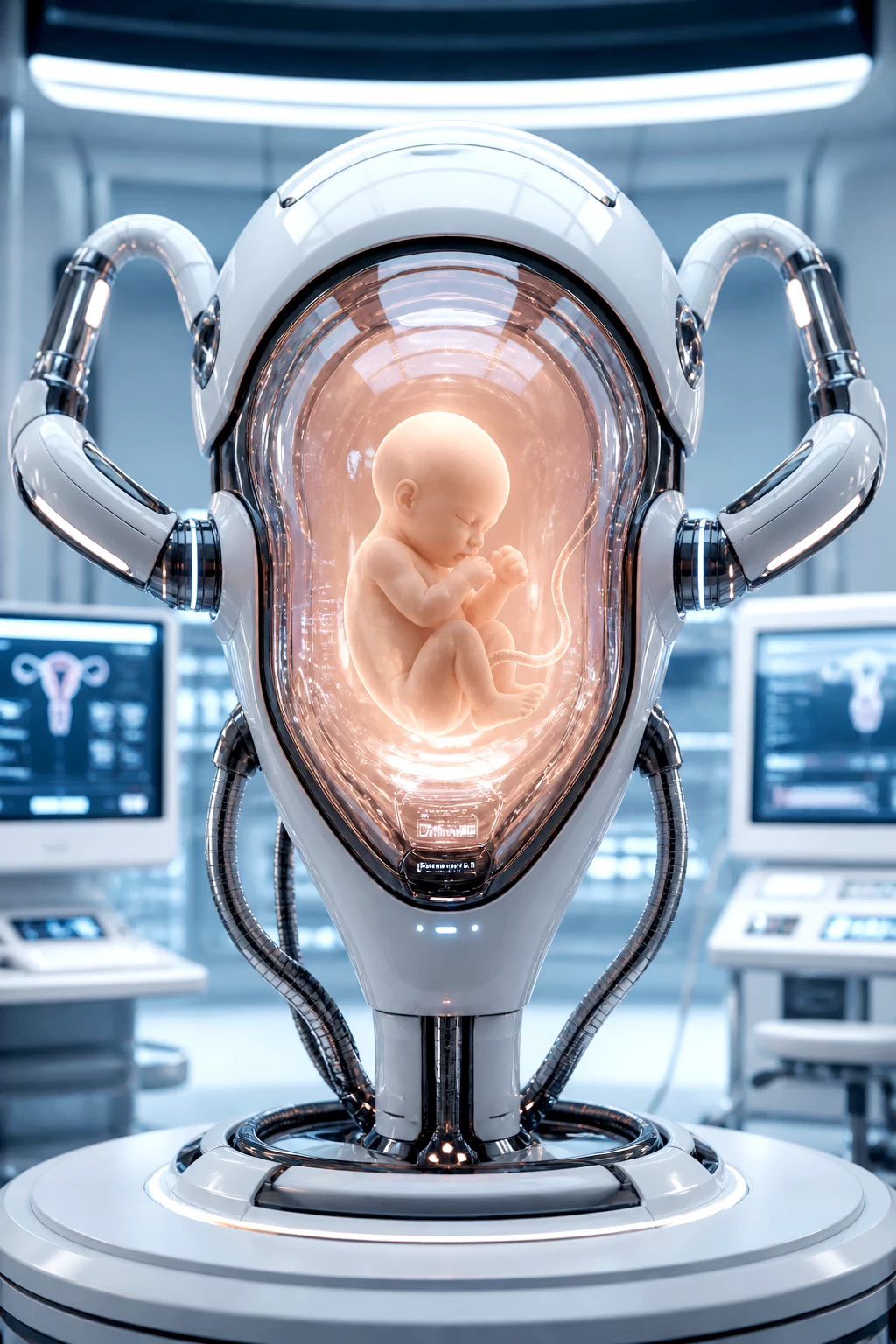
شهد العالم في السنوات الأخيرة تصاعداً ملحوظاً في النقاشات العلمية والطبية والدينية والاجتماعية حول إمكانية تطوير أرحام اصطناعية قادرة على احتضان الأجنّة البشرية خارج جسد الأم.
وجاء هذا الجدل نتيجةً للتقدّم المتسارع في مجالات الهندسة الحيوية وتقنيات رعاية الخُدّج، إضافة إلى التغطية الإعلامية الواسعة التي قدّمت هذه الأبحاث؛ بوصفها خطوة قد تغيّر مستقبل الحمل والولادة. وبينما يرى بعض العلماء أن هذه التطورات قد تمنح الأمل لمن يعانون من العقم أو من صعوبات الحمل، يعبّر آخرون عن مخاوف عميقة تتعلق بحدود التدخل البشري في الخلق، وبالأبعاد الأخلاقية والدينية والاجتماعية التي قد تترتب على فصل عملية الحمل عن الجسد البشري. وهكذا تحوّل موضوع الأرحام الاصطناعية إلى ساحة تتقاطع فيها الفلسفة مع العلم، والدين مع القانون، وتُطرح فيها أسئلة جوهرية حول معنى الأمومة والإنجاب ومستقبل الإنسان.
ورغم ما يحققه الباحثون من تقدّم في تقنيات دعم الأجنّة ورعاية الأطفال الخُدّج، يبقى الرحم البشري معجزة إلهية متكاملة، تتداخل فيها أنظمة دقيقة من الهرمونات والمناعة والتغذية والنمو، لا يستطيع أي مختبر أن يعيد تشكيلها على حقيقتها. ورغم ما قد يتخيّله البعض من قدرة التكنولوجيا على مجاراة أسرار الخلق، تبقى الحقيقة الساطعة أن الخلق الإلهي يظلّ معجزة لا تطالها الآلات ولا تُدركها العقول. فالرحم ليس مجرد حاضنة، بل منظومة ربانية تتفاعل فيها الحياة مع إرادة الله لحظة بلحظة، في توازن لا يمكن للعلم أن ينسخه أو يقترب من كماله.
وكلما حاول الإنسان أن يمدّ يده إلى مناطق القدرة الإلهية، تكشف له محاولاته حدود قوته، وتذكّره بأن سرّ الحياة بيد الخالق وحده. ومن هنا يتولّد الجدل وتشتدّ المواقف؛ فهناك من يرى في هذه التقنيات إنقاذاً طبياً، وهناك من يعتبرها تجاوزاً لحدود لا ينبغي للإنسان أن يتخطاها، لأن بعض البشر ظنّوا أنهم قادرون على منافسة قدرة لا تُنافس.
ولأهمية هذا الموضوع، توجهنا إلى الأطباء والمختصين والشرعيين لنستمع إلى آرائهم، ونقف على رؤاهم العلمية والفقهية، ونفهم أبعاد هذه القضية من مختلف جوانبها.
بين الواقع والتهويل
استشاري العقم وتقنيات المساعدة على الإنجاب وطب النساء والولادة الدكتور ناصر زياد السعد، أوضح لـ«عكاظ» أن ما يُشاع حول (روبوتات تحمل وتلد) هو تصور غير دقيق، مؤكداً أن العلم لم يصل بعد إلى أي تقنية قادرة على احتضان حمل كامل خارج جسد المرأة. وقال: إن اللبس المنتشر بين الناس ناتج عن الخلط بين (الرحم الاصطناعي الكامل) وبين (الحاضنات المتقدمة) المستخدمة للمواليد الخدّج.
وبيّن السعد أنَّ ما هو مثبت علمياً اليوم هو وجود حاضنات تحاكي بعض بيئة الرحم، تُستخدم في العناية بالمواليد شديدي الخداج، وقد تُدار بأنظمة ذكاء اصطناعي لمراقبة العلامات الحيوية وضبط الأكسجين والسوائل والتنبؤ بالمضاعفات. لكنه شدد على أن هذا لا يُعد محاكاة ميكانيكية مستقلة، بل «احتضان بيولوجي جزئي» لا يقترب من تعقيد الرحم البشري.
مخاطر محتملة
وأضاف الدكتور السعد أن العلم لم ينجح حتى الآن في تكوين مشيمة صناعية أو محاكاة التفاعل الهرموني العصبي بين الأم والجنين، وهو ما يعكس عظمة الخالق سبحانه وتعالى (هذا خلق الله فأروني ماذا خلق الذين من دونه). وأكد أن الذكاء الاصطناعي لا يستطيع إنشاء الحياة، ولا إدارة التطور الجيني والعصبي، ولا القيام بوظائف المشيمة أو التفاعلات المناعية والهرمونية المعقدة.
وحذّر السعد من المخاطر المحتملة على الجنين في بيئة اصطناعية، مثل اضطرابات التطور العصبي، وضعف التكيف المناعي، واختلال وظائف القلب والرئتين، إضافة إلى اضطرابات سلوكية ونفسية محتملة. وختم بأن الاستغناء الكامل عن الرحم البشري لا يزال أمراً بالغ الصعوبة، وأن الأبحاث بعيدة جداً عن الوصول إلى حمل كامل خارج الجسد الإنساني.
دعم للبيولوجية وليس استبدالها
من جانبها، أوضحت استشارية النساء والولادة والعقم وجراحة الإخصاب الدكتورة حنان عواد العنزي، أن استخدام الذكاء الاصطناعي في الحقن المجهري (ICSI) يوضح بجلاء حدود دور التكنولوجيا في الطب الإنجابي؛ فالذكاء الاصطناعي يساعد في تحسين دقة اختيار الحيوان المنوي الأنسب أو تقييم جودة الأجنة، لكنه لا يتدخل في تكوّن الجنين أو نموه الطبيعي.
وأكدت أن هذا المثال يوضح الفرق بين «دعم العملية البيولوجية» و«محاولة استبدالها»، وأن نجاح الذكاء الاصطناعي في المراحل المبكرة لا يعني قدرته على محاكاة الرحم أو تعويض العلاقة الحيوية بين الأم والجنين. وأضافت أن التقنيات الذكية قد تتحكم في بعض العوامل المحيطة بالجنين، مثل الحرارة أو التغذية، لكنها لا تستطيع محاكاة التفاعل العاطفي والهرموني والمناعي الذي يربط الأم بجنينها.
الأمومة ليست وظيفة تقنية
أما استشارية النساء والولادة والهرمونات البديلة الدكتورة حياة معتوق الحارثي، فقد تناولت الموضوع من زاوية إنسانية وروحية، مؤكدة أن الأمومة ليست مجرد عملية بيولوجية، بل علاقة عميقة تجمع بين الروح والجسد والمشاعر. واستشهدت بقوله تعالى (يَا أَيُّهَا النَّاسُ ضُرِبَ مَثَلٌ فَاسْتَمِعُوا لَهُ...)، محذّرة من «الافتراء والجرأة على الخلق الإلهي».
وتساءلت الحارثي: كيف يمكن لرحم صناعي أو روبوت أن يمنح الجنين ما تمنحه الأم من حب وحنان ودفء وأمان؟ وكيف يمكن للآلة أن تستبدل رحلة الحمل التي تعيشها المرأة بكل تفاصيلها الجسدية والعاطفية؟
وأضافت أن الأمومة ليست مجرد إنجاب، بل ارتباط روحي وتكوين مشترك بين الأب والأم، وأن الأسرة لا تقوم على التقنية بل على المودة والرحمة والاحتواء.
وأكدت أن مثل هذه الأفكار قد تزيد من تفكيك الأسرة وتقليل قيمة الأم ودورها في التربية، متسائلة: «هل سنحتاج إلى روبوت يوزّع المشاعر والحنان؟ وهل ستكون الجنة تحت أقدام الروبوتات؟».
هرمونات ومناعة وتفاعل نفسي
الدكتورة ظافرة القحطاني أوضحت أن ما يُعرف بالرحم الاصطناعي أو Ectogenesis نجح جزئياً في إبقاء أجنة حيوانية حية في مراحل متقدمة، وفي دعم أطفال خدّج جداً لإكمال نموهم خارج رحم الأم. لكنها أكدت أنه لا يمكن لهذه التقنية بدء الحمل من الصفر، ولا يمكنها تعويض التعقيد الهائل للرحم البشري من حيث الهرمونات والمناعة والتفاعل النفسي والعاطفي. وأضافت أن الأجهزة المتقدمة لحفظ الأجنة توفر بيئة مراقبة، لكنها ليست كياناً مستقلاً قادراً على إدارة الحمل.
تساؤلات قانونية ومسؤولية مضاعفة
المستشار الإعلامي جيلاني شايق الشمراني، أكد أن مثل هذه القضايا تضع الإعلام أمام مسؤولية كبيرة، لا تقتصر على نقل المعلومة، بل تشمل ضبط الخطاب الإعلامي والتمييز بين التقدم العلمي الحقيقي والتهويل الدعائي الذي يصنع تصورات غير دقيقة لدى الجمهور.
وأشار إلى أن الحديث عن الحمل الاصطناعي يثير تساؤلات قانونية معقدة، مثل: من يضع الإطار القانوني لهذه الابتكارات؟ وأي الدول قد تسمح بها؟ ومن يتحمل المسؤولية عند وقوع أضرار؟
وشدد على أن الإعلام الرسمي يجب أن يستند إلى مصادر علمية موثوقة، وأن القنوات الإعلامية مطالبة باختيار ضيوف مختصين وعدم تحويل القضايا العلمية الحساسة إلى مادة لـ(الترند). كما نوّه بالدور الرقابي للهيئة العامة لتنظيم الإعلام في ضبط المحتوى ومنع التضليل.
وختم بأن المجتمعات لا تزال تميل إلى رفض مثل هذه الطروحات؛ لأنها تمس جوهر الأسرة والإنسان ومعنى الحياة، مؤكداً أن الإعلام الواعي هو خط الدفاع الأول في حماية المجتمع.
صوت الجمهور.. مخاوف إنسانية حقيقية
الجمهور، بدوره، لم يقف صامتاً أمام هذه الطروحات، فقد تساءلت سارة القحطاني: هل من الممكن أن ينمو الطفل داخل رحم روبوت؟ وهل سيكون طفلاً طبيعياً من ناحية المشاعر والتفاعل؟ وهل سيُوضع على صدر أمه عند الولادة؟ وأضافت أن الرحم ليس مجرد مكان للنمو، بل بداية الارتباط الإنساني.
أما شريفة العمري، وهي أم، فرأت أن الحمل نعمة عظيمة لا يمكن للتقنيات أن تمنح بديلاً عنها، وأن المشيمة والحبل السري جزء من الفطرة التي لا يمكن استنساخها.
عبث فاشل آثم
عضو هيئة كبار العلماء الشيخ عبدالله المنيع اعتبر أن فكرة الرحم الاصطناعي «عبث من الشيطان»، مستشهداً بقوله تعالى (وَلَآمُرَنَّهُمْ فَلَيُغَيِّرُنَّ خَلْقَ اللَّهِ). وقال إن هذا النوع من الابتكار «عبث فاشل آثم»، لأنه استجابة للشيطان وعصيان للرحمن، مؤكداً أن الأمومة لا يمكن تحويلها إلى وظيفة آلية.
خلاصة:
إن الادعاء بأن التكنولوجيا قد تحلّ محلّ هذا الإبداع الإلهي ليس تقدّماً، بل وهم يكشف غرور الإنسان وضعف إدراكه لحدود نفسه. فالله هو الذي يصوّر في الأرحام كيف يشاء، ولا آلة ولا مختبر يستطيع أن ينسخ حكمته أو يبلغ كمال خلقه. ومن هنا يشتدّ الجدل؛ لا لأن العلم تقدّم، بل لأن بعض البشر تجاوزوا حدودهم وظنّوا أن بإمكانهم الاقتراب من قدرة لا تُضاهى.
The world has witnessed a notable rise in scientific, medical, religious, and social discussions in recent years regarding the possibility of developing artificial wombs capable of nurturing human embryos outside the mother's body. This debate has arisen due to the rapid advancements in the fields of biomedical engineering and neonatal care technologies, in addition to the extensive media coverage that has presented this research as a step that could change the future of pregnancy and childbirth. While some scientists see these developments as a source of hope for those suffering from infertility or difficulties in pregnancy, others express deep concerns regarding the limits of human intervention in creation, as well as the ethical, religious, and social implications that may arise from separating the process of pregnancy from the human body. Thus, the topic of artificial wombs has become a battleground where philosophy intersects with science, religion with law, raising fundamental questions about the meaning of motherhood, childbirth, and the future of humanity.
Despite the progress researchers are making in embryo support technologies and neonatal care, the human womb remains a complete divine miracle, interweaving intricate systems of hormones, immunity, nutrition, and growth that no laboratory can replicate in its true form. Regardless of what some may imagine about technology's ability to keep pace with the secrets of creation, the glaring truth remains that divine creation is a miracle untouched by machines and beyond the grasp of human minds. The womb is not merely a container; it is a divine system where life interacts with God's will moment by moment, in a balance that science cannot replicate or approach in its perfection.
Every time humanity attempts to reach into the realms of divine power, its efforts reveal the limits of its strength and remind it that the secret of life lies solely in the hands of the Creator. From here, the debate arises, and positions intensify; some view these technologies as a medical salvation, while others consider them a transgression of boundaries that humanity should not cross, as some humans have mistakenly believed they can rival an unmatched power.
Given the importance of this topic, we turned to doctors, specialists, and legal scholars to hear their opinions, gain insights into their scientific and jurisprudential perspectives, and understand the dimensions of this issue from various angles.
Between Reality and Exaggeration
Dr. Nasser Ziad Al-Saad, a consultant in infertility, reproductive technologies, and obstetrics and gynecology, clarified to "Okaz" that the rumors about (robots that carry and give birth) are an inaccurate conception, emphasizing that science has not yet reached any technology capable of sustaining a full-term pregnancy outside a woman's body. He stated that the confusion prevalent among people arises from mixing up (complete artificial wombs) with (advanced incubators) used for premature newborns.
Al-Saad explained that what is scientifically established today is the existence of incubators that mimic some aspects of the womb's environment, used in the care of extremely premature infants, which may be operated by artificial intelligence systems to monitor vital signs, regulate oxygen and fluids, and predict complications. However, he stressed that this does not constitute an independent mechanical simulation, but rather a "partial biological nurturing" that does not approach the complexity of the human womb.
Potential Risks
Dr. Al-Saad added that science has not yet succeeded in creating an artificial placenta or simulating the neurohormonal interaction between the mother and the fetus, which reflects the greatness of the Creator, may He be glorified (This is the creation of Allah, so show me what those besides Him have created). He affirmed that artificial intelligence cannot create life, manage genetic and neurological development, or perform the functions of the placenta or the complex immune and hormonal interactions.
Al-Saad warned of potential risks to the fetus in an artificial environment, such as neurodevelopmental disorders, weakened immune adaptation, and dysfunctions of the heart and lungs, in addition to potential behavioral and psychological disorders. He concluded that completely dispensing with the human womb remains exceedingly difficult, and research is still far from achieving a full-term pregnancy outside the human body.
Support for Biology, Not Replacement
For her part, Dr. Hanan Awad Al-Anzi, a consultant in obstetrics, gynecology, infertility, and reproductive surgery, clarified that the use of artificial intelligence in intracytoplasmic sperm injection (ICSI) clearly illustrates the limits of technology's role in reproductive medicine; artificial intelligence assists in improving the accuracy of selecting the most suitable sperm or assessing embryo quality, but it does not intervene in the formation or natural growth of the embryo.
She emphasized that this example illustrates the difference between "supporting the biological process" and "attempting to replace it," and that the success of artificial intelligence in early stages does not mean it can simulate the womb or compensate for the vital relationship between the mother and the fetus. She added that smart technologies may control some surrounding factors for the fetus, such as temperature or nutrition, but they cannot replicate the emotional, hormonal, and immune interactions that connect a mother to her child.
Motherhood is Not
A Technical Function
Dr. Hayat Matouq Al-Harithi, a consultant in obstetrics, gynecology, and hormone replacement therapy, approached the topic from a humanitarian and spiritual perspective, affirming that motherhood is not merely a biological process, but a profound relationship that unites spirit, body, and emotions. She cited the verse from Allah (O mankind, a parable has been struck, so listen to it...), warning against "the audacity and transgression against divine creation."
Al-Harithi questioned: How can an artificial womb or robot provide the fetus with the love, tenderness, warmth, and security that a mother offers? How can a machine replace the journey of pregnancy that a woman experiences with all its physical and emotional details?
She added that motherhood is not merely about giving birth, but a spiritual connection and shared formation between the father and mother, and that the family is built not on technology but on affection, mercy, and nurturing.
She affirmed that such ideas could further dismantle the family structure and diminish the value of motherhood and its role in upbringing, asking: "Will we need a robot to distribute emotions and tenderness? Will paradise be under the feet of robots?"
Hormones, Immunity, and Psychological Interaction
Dr. Dhafira Al-Qahtani clarified that what is known as the artificial womb or Ectogenesis has partially succeeded in keeping animal embryos alive in advanced stages and in supporting extremely premature infants to complete their growth outside the mother's womb. However, she confirmed that this technology cannot initiate a pregnancy from scratch, nor can it compensate for the immense complexity of the human womb in terms of hormones, immunity, and psychological and emotional interaction. She added that advanced devices for preserving embryos provide a monitored environment, but they are not an independent entity capable of managing a pregnancy.
Legal Questions and Increased Responsibility
Media consultant Jilani Shaik Al-Shamrani emphasized that such issues place a significant responsibility on the media, which goes beyond merely conveying information to include regulating the media discourse and distinguishing between genuine scientific progress and exaggerated promotional claims that create inaccurate perceptions among the public.
He pointed out that discussions about artificial pregnancy raise complex legal questions, such as: Who sets the legal framework for these innovations? Which countries might allow them? Who bears responsibility in the event of harm?
He stressed that official media must rely on credible scientific sources, and that media channels are required to choose specialized guests and not turn sensitive scientific issues into trending topics. He also noted the regulatory role of the General Authority for Media Regulation in controlling content and preventing misinformation.
He concluded that societies still tend to reject such proposals because they touch the essence of family, humanity, and the meaning of life, affirming that conscious media is the first line of defense in protecting society.
The Voice of the Public...
Real Human Concerns
The public, for its part, did not remain silent in the face of these proposals. Sarah Al-Qahtani questioned: Is it possible for a child to grow inside a robot womb? Will it be a normal child in terms of emotions and interaction? Will it be placed on its mother's chest at birth? She added that the womb is not just a place for growth, but the beginning of human connection.
As for Sharifa Al-Omari, a mother, she felt that pregnancy is a great blessing that technology cannot provide a substitute for, and that the placenta and umbilical cord are part of nature that cannot be replicated.
Futile
Sinful Play
Sheikh Abdullah Al-Munai, a member of the Council of Senior Scholars, considered the idea of the artificial womb to be "devilish play," citing the verse from Allah (And I will surely order them to change the creation of Allah). He stated that this type of innovation is "a futile and sinful play," as it is a response to the devil and a rebellion against the Merciful, affirming that motherhood cannot be transformed into a mechanical function.
In Summary:
The claim that technology may replace this divine creativity is not progress, but an illusion that reveals human arrogance and a weak understanding of one's limits. For it is Allah who shapes in the wombs as He wills, and no machine or laboratory can replicate His wisdom or reach the perfection of His creation. Thus, the debate intensifies; not because science has advanced, but because some humans have overstepped their bounds and mistakenly believed they could approach an unmatched power.