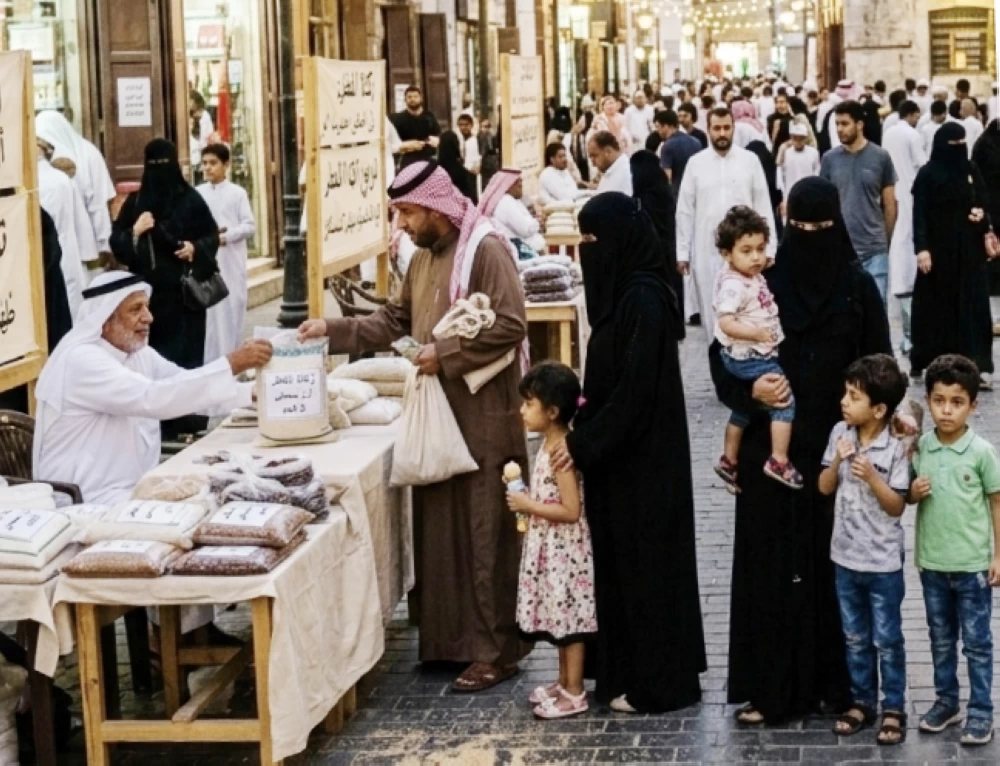
تتكرر في أواخر شهر رمضان من كل عام، مشاهد باتت مألوفة لدى كثير من الناس، إذ تُعرض أكياس الأرز المخصصة لزكاة الفطر على الأرصفة وأمام المحال التجارية، وتتحلّق حولها مجموعات من الأشخاص الذين ينتظرون خروج المتصدّقين. وما إن يقترب أحد المزكّين حتى تتعالى الأصوات مطالبةً بنصيب من الزكاة، في مشهد يبدو لأول وهلة تعبيراً مباشراً عن الحاجة، لكنه في الحقيقة يخفي خلفه ممارسات غير منضبطة تُفقد الزكاة معناها الحقيقي الذي شُرعت من أجله.
فالمشكلة الأساسية لا تكمن في وجود المحتاجين، بل في أن جزءاً من هؤلاء الذين يتلقّون الزكاة يقومون فوراً ببيعها للبائع نفسه أو لغيره، لتعود السلعة إلى البسطة وتُعرض من جديد، فيتحول الأمر إلى دائرة تجارية مغلقة لا يستفيد منها المحتاج الحقيقي. وهكذا تصبح الزكاة، التي شرعها الله لإغناء الفقير يوم العيد، وسيلة ربح سريع لبعض الأشخاص الذين يستغلون العاطفة الدينية للناس في هذا الموسم.
ولا يقف الأمر عند هذا الحد، فمشاهد عرض الزكاة وبيعها على الأرصفة تخلق فوضى في المشهد العام، وتشوه صورة العمل الخيري الذي يفترض أن يكون منظماً ويحفظ كرامة المحتاج. كما أن اختلاط المستحق بغير المستحق يجعل المتصدّق في حيرة من أمره، وقد يدفعه ذلك إلى إعطاء زكاته لمن لا يستحقها فعلاً، وهو ما يضيع المقصد الشرعي ويضعف أثر الزكاة في المجتمع.
وللحد من هذه الظاهرة، يرى المختصون ضرورة توجيه الزكاة عبر قنوات موثوقة، مثل الجمعيات الرسمية أو الجهات المعتمدة التي تتولى إيصالها إلى مستحقيها الحقيقيين. كما يؤكدون أهمية نشر الوعي بين الناس بأن الزكاة عبادة لها ضوابط، وأن حسن النية وحده لا يكفي إذا لم يصل الحق إلى أهله، فمعالجة هذه الظاهرة لا تتطلب فقط تنظيماً رسمياً، بل تحتاج أيضاً إلى وعي اجتماعي يجعل من الزكاة وسيلة رحمة حقيقية، لا حلقة بيع وشراء تتكرر كل عام.
وتسعى الفرق الرقابية سنوياً لمراقبة عناصر بيع الزكاة والحد من العشوائية، بإطلاق حملات رقابية ميدانية موسعة على الباعة المتجولين الذين يعرضون الأرز المخصص لزكاة الفطر في عدد من الأحياء وعلى الأرصفة والشوارع، مستغلين قرب عيد الفطر المبارك.
حيرة وشك
كشف عدد من المواطنين أنهم يشعرون بتأنيب الضمير تجاه هذه الممارسات، خصوصاً بعد أن لاحظوا أن الزكاة تُباع وتُعاد إلى البسطات نفسها، مما جعلهم يتساءلون عن مدى قبول هذا التصرف شرعاً، وعن حقيقة الأجر الذي ينالونه، هذا الشعور دفع بعضهم إلى تسليم زكاتهم للجمعيات الخيرية التي تعتمد على التنظيم الرقمي والحَوْكمة الخاضعة لرقابة الجهات المعنية.
ويقول سلطان العتيبي إنه شاهد بنفسه عملية تدوير الزكاة في الأعوام الماضية، إذ كان يرى الأرز يُسلّم ثم يُعاد بيعه في اللحظة نفسها، مما جعله يشك في أن أصحاب البسطات العشوائية يحققون مكاسب كبيرة من هذا السلوك.
أما نواف العجمي، فقد قرر عدم دفع الزكاة إلا لمستحقيها الحقيقيين، وأصبح يسلمها سنوياً لإحدى الجمعيات الخيرية التي يثق بها. ويضيف ماجد البقمي أن مشاهد البسطات العشوائية لزكاة الفطر تشكل تشوهاً بصرياً سنوياً وتربك المارة، بينما يتمنى فيصل الزايدي أن يتم تخصيص أكشاك مؤقتة عبر البلديات وفق ضوابط واضحة تسهم في معالجة العشوائية والقضاء على مسألة التدوير المصطنعة، مع إخضاع المعروض للرقابة من حيث سلامة التغليف وتواريخ الانتهاء.
تجدد الثقة
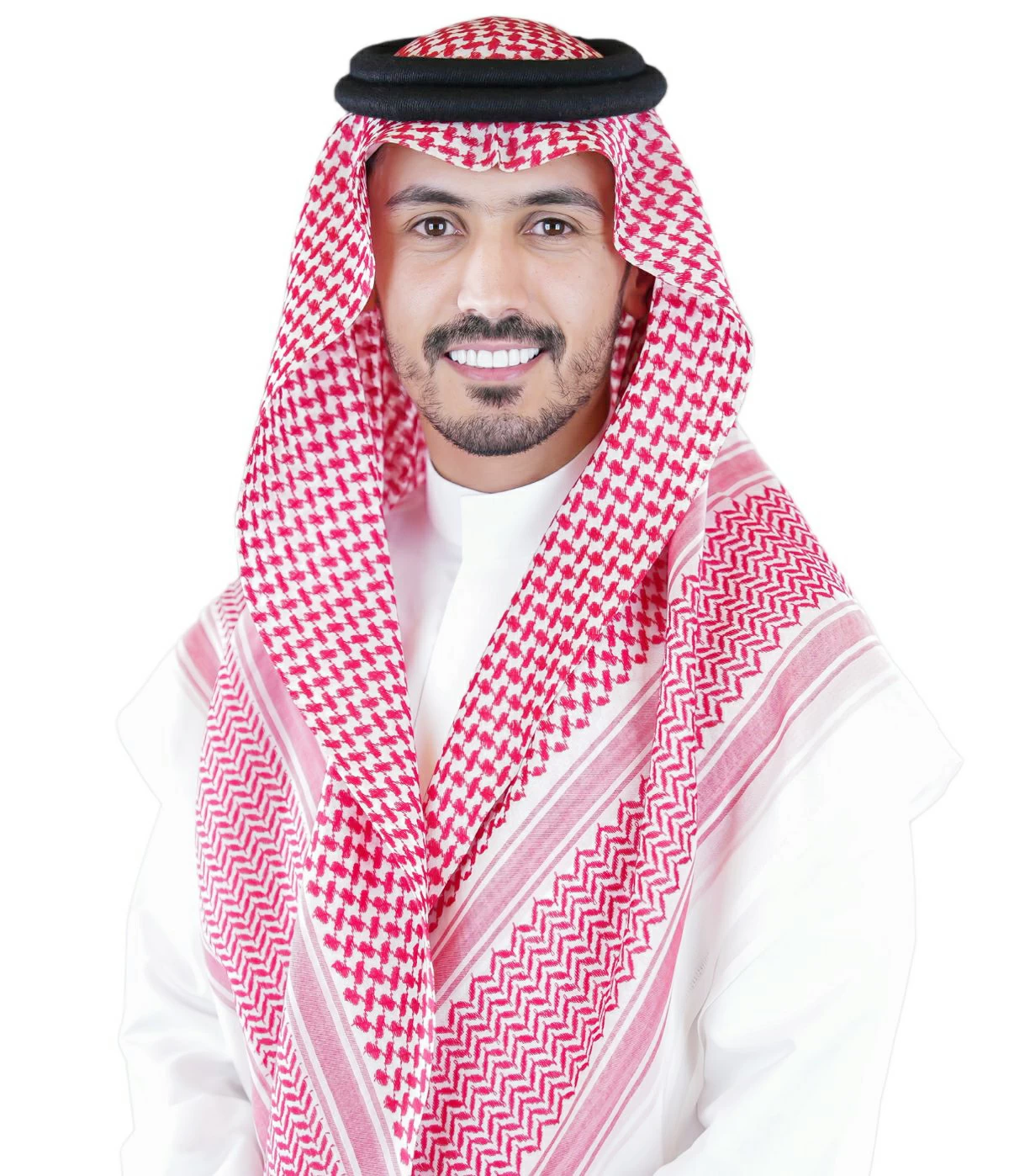
وقال المستشار في القطاع غير الربحي حامد حنيف العتيبي: إن الثقة تتجدد سنوياً في الجمعيات الأهلية وقدرتها على إيصال زكاة الفطر لمستحقيها من خلال حوكمة رشيدة وإشراف إداري وفني من قطاعات حكومية تعزز الثقة. وأشار إلى حملة «لا تتبرع إلا بأمان» التي أطلقها المركز الوطني لتنمية القطاع غير الربحي لتعزيز التبرع الآمن للجمعيات الرسمية.
وأوضح العتيبي أن قوة الجمعيات الأهلية تستند إلى أربع ركائز أساسية: الامتثال الرقمي عبر منصات وطنية موحدة مثل منصة إحسان، إذ يتم ضبط التدفقات المالية وتوثيق العمليات لحظياً، إدارة بيانات المستفيدين عبر قواعد بيانات محدثة وربط تقني مع الجهات ذات العلاقة لضمان وصول الزكاة للأسر الأشد حاجة، الرقابة والتدقيق على عمليات شراء وتخزين وتوزيع الأرز بما يضمن مطابقة المواصفات الفنية والشرعية، الشفافية التشغيلية عبر تقارير توضح أعداد المستفيدين والكميات الموزعة.
توقيت الإيصال
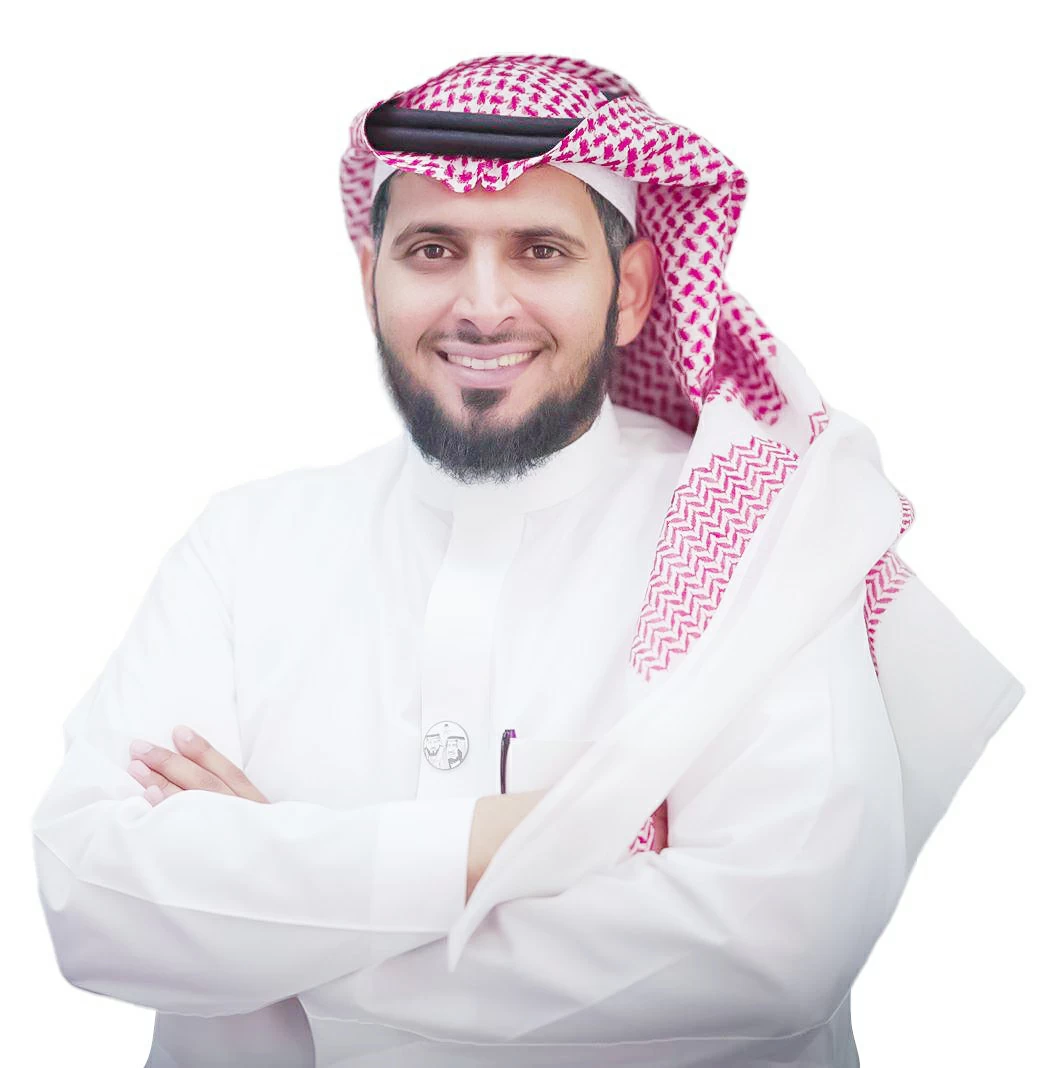
وأكد مدير عام جمعية نماء الأهلية فيصل الحميد، أن الجمعية تمتلك خبرات رائدة في تنفيذ مشروع زكاة الفطر سنوياً، وتطبق أدق الإجراءات للراغبين في توكيلها. وأوضح أن الجمعية تعمل بمنظومة رقمية متكاملة من لحظة التوكيل حتى التسليم، عبر قنوات تقنية آمنة مرتبطة بقاعدة بيانات المستفيدين، وتضمن إيصال الزكاة في وقتها الشرعي خلال آخر ليلتين من رمضان وقبل صلاة العيد.
وأضاف الحميد أن الزكاة تُخرج عيناً أرزاً، ويتم اختيار الموردين مبكراً عبر لجان مختصة، ثم تُسلّم للمستفيدين في المحافظات والقرى بالتعاون مع الجمعيات الشريكة.
تنمية التكافل
وأوضح الإخصائي الاجتماعي جالي العتيبي أن زكاة الفطر صورة من صور التكافل والتضامن الاجتماعي التي يحث عليها الدين الحنيف، وسار عليها المجتمع منذ عهد الرسول -صلى الله عليه وسلم- وصحابته الكرام. وهي كغيرها من المظاهر الاجتماعية تحتاج إلى التنظيم عبر تسليمها للجمعيات والجهات الرسمية التي تحقق هدفها الاجتماعي.
وبيّن العتيبي أن تسليم الزكاة للجمعيات يسهم في تنمية روح التكافل، وتزكية النفس من الشح، وغرس المسؤولية تجاه المحتاجين، وتعزيز قيمة العطاء، وسد حاجة الفقراء قبل العيد، ونشر الفرح بينهم، وتقوية أواصر التضامن الاجتماعي بسرية تحفظ كرامتهم. كما أشار إلى أن الجمعيات تعمل وفق قواعد بيانات دقيقة أُعدت بدراسة اجتماعية لتحديد الأسر الأشد حاجة، مما يضمن عدالة التوزيع وسرعة الوصول ويعزز الشفافية والثقة بين المزكين والجهات الخيرية.
المنظومة الرقمية
وأوضح مدير الاتصال المؤسسي بجمعية البر بالمنطقة الشرقية همدان الراشدي، أن الجمعية انتقلت خلال 10 سنوات من نموذج تقليدي إلى منظومة تشغيل رقمية متكاملة. وأشار إلى أن البرنامج شهد تحولاً رقمياً كاملاً في استقبال التوكيل وإدارة التوزيع عبر منصة موحدة؛ ما أسهم في تقليل الازدواجية بنسبة 90% ورفع نسبة الأتمتة إلى 100%.
وبيّن الراشدي أن البرنامج ركز على حفظ كرامة المستفيد عبر تنظيم آلية الاستلام من خلال مراكز وأسواق معتمدة تمنح خصوصية ومرونة بعيداً عن مظاهر العشوائية.
البيع العشوائي
وقال عضو هيئة التدريس بجامعة الباحة الدكتور مطير الزهراني: ينبغي النظر إلى المسألة في سياقها الكامل بعيداً عن الانفعال اللحظي؛ لأن الحكم على الظواهر الاجتماعية من زاوية واحدة قد يحجب أبعادها الحقيقية. فالدافع الإنساني وراء إخراج الزكاة مباشرة صادق ومقدّر، وهو امتداد لضمير حي يتحرك حين يرى الحاجة رأي العين، ولذلك فإن التفاعل الفوري مع المحتاج يظل سلوكاً مفهوماً ومحل احترام.
وأضاف الزهراني أن الانتقال من المشهد الفردي إلى زاوية العمل المؤسسي يكشف أن الصورة أوسع وأعمق؛ فالجمعيات الخيرية اليوم لا تعمل بعفوية، وإنما وفق قواعد بيانات محدثة وزيارات ميدانية وتقييم دقيق للحالات يعقبه إشراف ومتابعة. وبذلك يتحول العطاء من استجابة عاطفية آنية إلى مسار منظم يضمن وصول الدعم إلى مستحقيه ويمنع الازدواجية ويعزز كفاءة الإنفاق.
وأشار إلى أن تداول الزكاة في محيطات البيع العشوائي يؤدي غالباً إلى اختزالها في أثر لحظي محدود، إذ تدور في دورة قصيرة لا تمنح الأسرة المحتاجة فرصة للاستقرار أو التحسن الحقيقي. ومن هنا يتضح أن الفارق بين العطاء المنظم والعطاء العابر يتجلى في نتائجهما الممتدة لا في نيات أصحابهما، مؤكداً أن المرحلة الحالية تتطلب رفع مستوى الوعي بأهمية تمرير الزكاة عبر القنوات الموثوقة والمعتمدة؛ لأن جودة الإدارة هي التي تصنع الأثر المستدام وتصون كرامة المستفيد وتحقق المقصد الشرعي والاجتماعي للزكاة.
أعلى معايير الحوكمة
وقال الأكاديمي المتخصص في الاتصال والإعلام ياسر المالكي: إن الثقة عامل مهم لتحقيق غايات العمل الخيري، وقد واجهت القطاعات الخيرية عالمياً تحديات بسبب سوء استخدام أموال المانحين. وفي ظل هذا التحدي برزت المؤسسات الحكومية في المملكة كجهات موثوقة تعتمد الضبط لضمان وصول أموال المانحين إلى مستحقيها.
وأضاف المالكي أن الاعتماد على القنوات الرسمية يسهم في القضاء على الظواهر السلبية مثل الازدحام وظهور السوق السوداء، مؤكداً أن توجيه المجتمع نحو الجهات الرسمية مسؤولية تربوية وإعلامية، في ظل نجاح المملكة في إدارة العمل الحكومي والمؤسسات الخيرية.
مقدار الزكاة
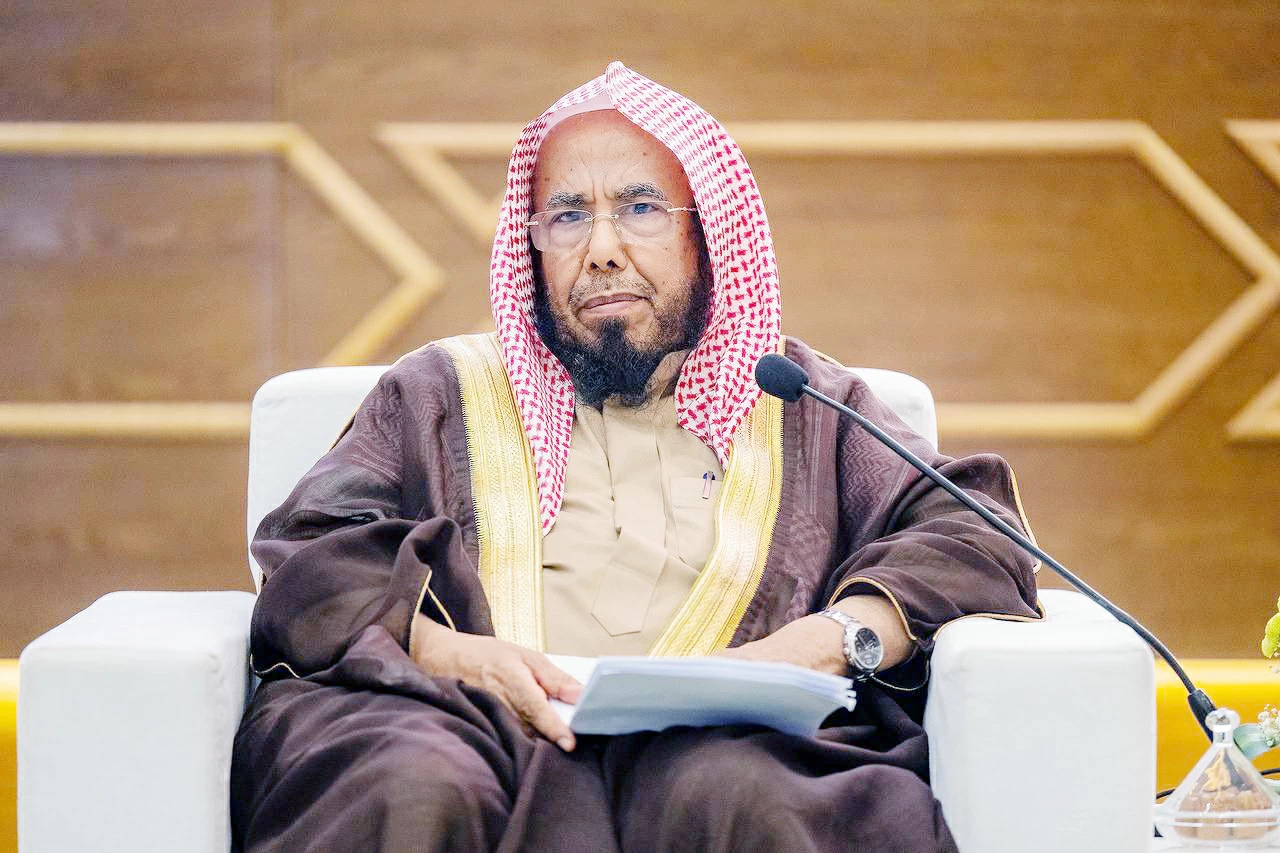
وأوضح عضو هيئة كبار العلماء الشيخ عبدالله المطلق أن النبي -صلى الله عليه وسلم- ذكر أن زكاة الفطر طُهرة للصائم من اللغو والرفث، فهي تزكيه وتكمل صيامه، وقد فرضها على عموم المسلمين لتُدفع لمن لا يجدون ما يكفيهم. وأشار إلى أنه يجوز للمسلم إخراجها عن نفسه وعن أولاده، مبيناً أن فرضها كان بعد قيام الدولة الإسلامية في المدينة مواساةً للفقراء وإدخالاً للسرور عليهم يوم العيد. وأضاف الشيخ المطلق أن مقدارها صاع نبوي يُقدَّر حالياً بنحو ثلاثة كيلوغرامات، وهو مقدار يزيد على الصاع احتياطاً، مشدداً على ضرورة إخراجها قبل صلاة العيد وعدم تأخيرها إلى ما بعد الصلاة، حتى يتمكن الفقراء من الانتفاع بها واستقبال العيد بفرح. كما أوضح أنه يجوز إخراجها قبل العيد بيومين، أي ابتداءً من يوم 28 رمضان.
In the late days of Ramadan each year, scenes have become familiar to many people, as bags of rice designated for Zakat al-Fitr are displayed on sidewalks and in front of shops, with groups of individuals gathering around them, waiting for the donors to emerge. As soon as one of the donors approaches, voices rise demanding a share of the charity, in a scene that at first glance seems to be a direct expression of need, but in reality hides behind it unregulated practices that strip the Zakat of its true meaning for which it was prescribed.
The main problem does not lie in the existence of the needy, but in the fact that some of those who receive the Zakat immediately sell it back to the same vendor or to others, causing the goods to return to the stall and be displayed again, turning the matter into a closed commercial circle that does not benefit the real needy. Thus, Zakat, which Allah prescribed to enrich the poor on the day of Eid, becomes a quick profit tool for some individuals who exploit people's religious sentiments during this season.
The issue does not stop there; the scenes of displaying and selling Zakat on the sidewalks create chaos in the public scene and distort the image of charitable work, which should be organized and preserve the dignity of the needy. Moreover, the mixing of the deserving with the undeserving leaves the donor confused, which may lead them to give their Zakat to those who do not truly deserve it, thus wasting the legal purpose and weakening the impact of Zakat in society.
To curb this phenomenon, specialists believe it is necessary to channel Zakat through trusted avenues, such as official associations or accredited entities that ensure it reaches its true beneficiaries. They also emphasize the importance of raising awareness among people that Zakat is an act of worship with regulations, and that good intentions alone are not enough if the right does not reach its rightful owners. Addressing this phenomenon requires not only official organization but also social awareness that makes Zakat a true means of mercy, rather than a cycle of buying and selling that repeats every year.
Every year, monitoring teams strive to oversee the elements of Zakat sales and limit randomness by launching extensive field monitoring campaigns on street vendors who display the rice designated for Zakat al-Fitr in various neighborhoods and on sidewalks and streets, exploiting the proximity of Eid al-Fitr.
Confusion and Doubt
A number of citizens revealed that they feel a pang of conscience regarding these practices, especially after noticing that Zakat is sold and returned to the same stalls, prompting them to question the legitimacy of this behavior and the reality of the reward they receive. This feeling has led some to give their Zakat to charitable associations that rely on digital organization and governance subject to oversight by the relevant authorities.
Sultan Al-Otaibi stated that he personally witnessed the recycling of Zakat in past years, as he would see rice being handed over and then resold at the same moment, leading him to suspect that the owners of the random stalls are making significant profits from this behavior.
As for Nawaf Al-Ajmi, he decided not to pay Zakat except to its true beneficiaries and now gives it annually to a charitable association he trusts. Majid Al-Buqmi adds that the scenes of random stalls for Zakat al-Fitr create an annual visual distortion and confuse passersby, while Faisal Al-Zaydi hopes that temporary kiosks will be designated by municipalities according to clear regulations that contribute to addressing randomness and eliminating the issue of artificial recycling, with oversight of the displayed goods in terms of packaging safety and expiration dates.
Renewed Trust
Hamid Hanif Al-Otaibi, a consultant in the non-profit sector, stated that trust is renewed annually in charitable associations and their ability to deliver Zakat al-Fitr to its rightful recipients through sound governance and administrative and technical oversight from government sectors that enhance trust. He referred to the "Do Not Donate Except Safely" campaign launched by the National Center for the Development of the Non-Profit Sector to promote safe donations to official associations.
Al-Otaibi explained that the strength of charitable associations is based on four main pillars: digital compliance through unified national platforms like the Ehsan platform, where financial flows are monitored and operations documented in real-time; managing beneficiary data through updated databases and technical linking with relevant entities to ensure Zakat reaches the most needy families; oversight and auditing of the processes of purchasing, storing, and distributing rice to ensure compliance with technical and legal specifications; and operational transparency through reports that clarify the number of beneficiaries and the quantities distributed.
Timing of Delivery
Faisal Al-Humaid, the General Director of the Nama Charitable Association, confirmed that the association has leading expertise in implementing the Zakat al-Fitr project annually and applies the most precise procedures for those wishing to delegate it. He explained that the association operates within a comprehensive digital system from the moment of delegation to delivery, through secure technical channels linked to the beneficiaries' database, ensuring the timely delivery of Zakat during the last two nights of Ramadan and before the Eid prayer.
Al-Humaid added that Zakat is given in the form of rice, and suppliers are selected early through specialized committees, then delivered to beneficiaries in provinces and villages in cooperation with partner associations.
Promoting Solidarity
Social specialist Jali Al-Otaibi explained that Zakat al-Fitr is a form of solidarity and social cohesion encouraged by the noble religion, and has been practiced by society since the time of the Prophet -peace be upon him- and his noble companions. Like other social manifestations, it requires organization by delivering it to associations and official entities that achieve its social goal.
Al-Otaibi indicated that delivering Zakat to associations contributes to nurturing the spirit of solidarity, purifying the soul from stinginess, instilling responsibility towards the needy, enhancing the value of giving, meeting the needs of the poor before Eid, spreading joy among them, and strengthening the bonds of social solidarity in a manner that preserves their dignity. He also pointed out that associations work according to accurate databases prepared through social studies to identify the most needy families, ensuring fair distribution and quick access, and enhancing transparency and trust between donors and charitable entities.
The Digital System
Hamdan Al-Rashidi, the Director of Institutional Communication at the Eastern Region Charity Association, explained that the association has transitioned over 10 years from a traditional model to a comprehensive digital operating system. He noted that the program has undergone a complete digital transformation in receiving delegations and managing distribution through a unified platform, which has contributed to reducing duplication by 90% and raising the automation rate to 100%.
Al-Rashidi explained that the program focuses on preserving the dignity of beneficiaries by organizing the receipt mechanism through accredited centers and markets that provide privacy and flexibility away from the manifestations of randomness.
Random Selling
Dr. Muteer Al-Zahrani, a faculty member at Al-Baha University, stated that the issue should be viewed in its full context, away from momentary emotions; judging social phenomena from a single perspective may obscure their true dimensions. The human motivation behind directly giving Zakat is sincere and appreciated, as it extends from a living conscience that moves when it sees need firsthand. Therefore, immediate interaction with the needy remains a behavior that is understood and respected.
Al-Zahrani added that the transition from individual scenes to institutional work reveals that the picture is broader and deeper; charitable associations today do not operate spontaneously but rather according to updated databases, field visits, and precise evaluations of cases followed by supervision and follow-up. Thus, giving transforms from an emotional, immediate response into an organized path that ensures support reaches its rightful recipients, prevents duplication, and enhances spending efficiency.
He pointed out that the circulation of Zakat in the realms of random selling often reduces it to a limited momentary effect, as it circulates in a short cycle that does not give the needy family a chance for stability or real improvement. From here, it becomes clear that the difference between organized giving and transient giving is manifested in their extended results, not in the intentions of their givers, emphasizing that the current phase requires raising awareness of the importance of channeling Zakat through trusted and accredited avenues; because quality management is what creates sustainable impact, preserves the dignity of the beneficiary, and achieves the legal and social purpose of Zakat.
Highest Standards of Governance
Yasser Al-Maliki, an academic specialized in communication and media, stated that trust is an important factor in achieving the goals of charitable work, and charitable sectors globally have faced challenges due to the misuse of donor funds. In light of this challenge, government institutions in the Kingdom have emerged as trusted entities that rely on regulation to ensure donor funds reach their rightful recipients.
Al-Maliki added that relying on official channels helps eliminate negative phenomena such as overcrowding and the emergence of black markets, emphasizing that directing the community towards official entities is an educational and media responsibility, given the Kingdom's success in managing government work and charitable institutions.
Amount of Zakat
Sheikh Abdullah Al-Mutlaq, a member of the Council of Senior Scholars, explained that the Prophet -peace be upon him- mentioned that Zakat al-Fitr is a purification for the fasting person from frivolity and indecency; it purifies him and completes his fast. It was prescribed for all Muslims to be given to those who do not have enough. He indicated that a Muslim may give it on behalf of himself and his children, noting that its obligation was established after the establishment of the Islamic state in Medina as a means of supporting the poor and bringing joy to them on the day of Eid. Sheikh Al-Mutlaq added that its amount is a prophetic measure estimated currently at about three kilograms, which is an amount that exceeds the measure as a precaution, stressing the necessity of giving it before the Eid prayer and not delaying it until after the prayer, so that the poor can benefit from it and celebrate Eid with joy. He also clarified that it is permissible to give it two days before Eid, starting from the 28th of Ramadan.