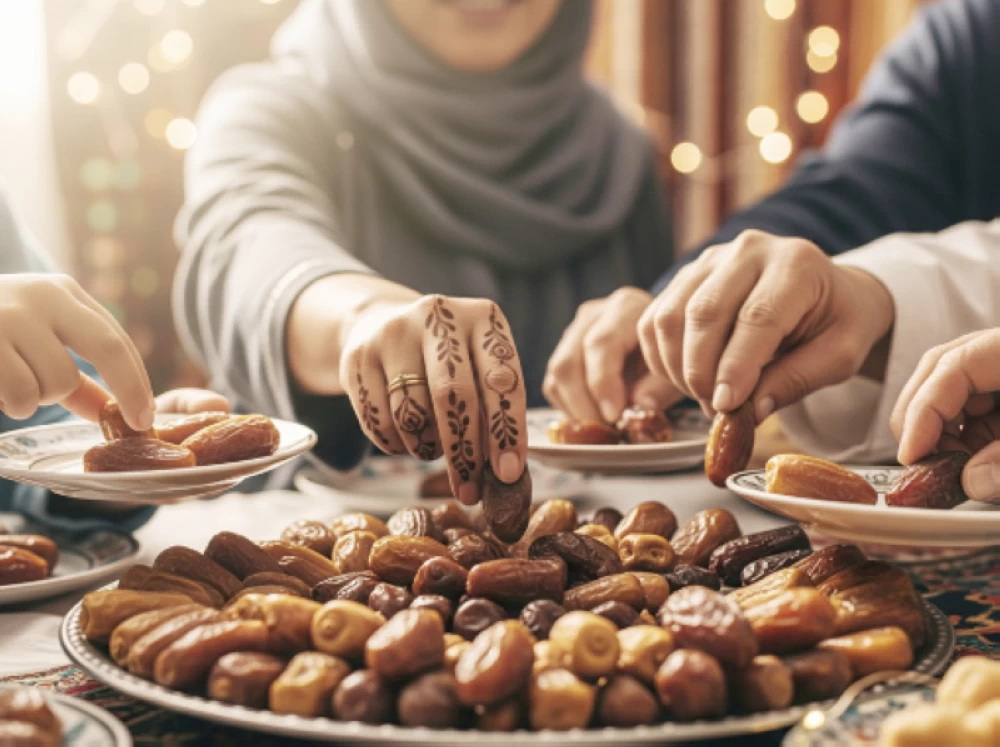
تشير آراء كثيرة إلى أن وسائل التواصل الاجتماعي أضعفت حرارة الفرح بقدوم رمضان، بعدما فرضت واقعاً افتراضياً دفع كثيراً من العادات الرمضانية إلى التراجع. فطريقة استخدامنا لهذه التطبيقات نزعت شيئاً من جمال التواصل، حتى بات السؤال عن الأقارب والأصدقاء يقتصر على رسائل مقتضبة وعبارة «رمضان كريم» دون لقاء أو زيارة؛ ما أفقد العلاقات دفئها الحقيقي وجعلها سطحية مهما بدت قوية. كما أصبح البعض يتحاشى الزيارات بحجة الانشغال والزحام، بينما كانت لقاءات الماضي تتم بعفوية وبساطة قبل أن يغيّبها الهاتف المحمول.
ويأمل كبار السن أن يخفّف الناس من اعتمادهم على التواصل الافتراضي، لتعود الزيارات الرمضانية حيّة كما كانت. ويستعيد العم راشد العتيبي، الذي تجاوز الثمانين، ذكريات رمضان القديم حيث التهاني المتبادلة والزيارات المستمرة. فيما يفتقد عبدالعزيز الزهراني أجواء «الشّبات الرمضانية» التي كان يجتمع فيها أهل الحي على مائدة واحدة تسودها المحبة. أما محمد عسيري فيرى أن التقنية فرضت تباعداً واضحاً، وسلبت الشهر فرحته ورسّخت العزلة لدى الكثيرين.
في المقابل، يرى بعض الشباب أن التطبيقات الإلكترونية أصبحت وسيلة تواصل مناسبة لإيقاع الحياة السريع. ويقول فارس الروقي إن مشاغل الحياة لم تترك مجالاً للزيارات، فكانت التهنئة عبر الهاتف هي الحل العملي. بينما يفضّل سلطان البقمي وتركي الشهري، الإفطار في المنزل مع الوالدين، معتبرين أن الإفطار الجماعي للجيران مكلف، وأن إعداد الوجبات الرمضانية مرهق، ما يجعل الاكتفاء بإفطار الأسرة خياراً أكثر واقعية.
العزلة الرقمية
أظهرت دراسة أمريكية استمرت تسعة أعوام، أجراها باحثون من جامعة بايلور، أن الاستخدام السلبي لوسائل التواصل -مثل التصفح دون تفاعل- يرتبط بارتفاع الشعور بالوحدة على المدى الطويل. كما بيّنت النتائج أن الاستخدام النشط لا يعوّض التواصل العاطفي المباشر، وأن التفاعلات الرقمية لا يمكن أن تحل محل العلاقات الواقعية، مما يعزز العزلة ويخلق دائرة متكررة بين الوحدة والإفراط في استخدام المنصات. وأكد الباحثون ضرورة تحقيق توازن في الاستخدام وتعزيز التفاعل الشخصي لحماية الصحة النفسية.
وشدد مختصون لـ«عكاظ»، على أهمية الانتباه للمخاطر الاجتماعية والنفسية التي قد تفرضها التقنية، والدعوة إلى إحياء جمال الزيارات الرمضانية وطرق أبواب الأحباب والأهل والجيران.
عايض الزهراني
الهاتف والإنسان
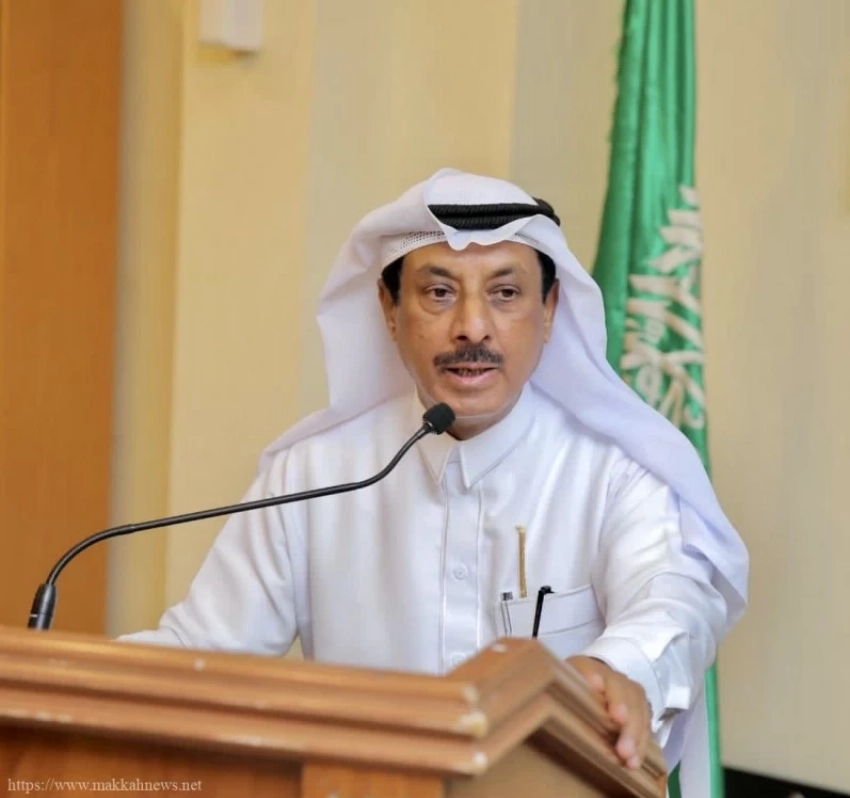
ويشير عضو هيئة التدريس بجامعة الطائف سابقا الدكتور عايض الزهراني، إلى أن المدن قديماً كانت تنبض بروح التلاحم وحرارة المجالس ووشائج الرحم التي تُسقى بالزيارة لا بالعبارات. وكانت التهنئة طريقاً إلى باب يُطرق ويد تُصافح وعين تطمئن. ثم جاءت التقنية تدريجياً؛ من الفاكس إلى الرسائل القصيرة، حتى استقر الهاتف في اليد كأنه بديل عن الإنسان نفسه. ومن هنا -كما يقول- بدأ التحول الأخطر، إذ أصبح التواصل وفيراً والود شحيحاً، وصارت الرموز بديلاً عن الكلام، والكلام بديلاً عن اللقاء، واللقاء مؤجلاً حتى يذبل. ويؤكد أن المشكلة ليست في التقنية، بل في تحويلها إلى نمط حياة يبدّل القيم من صلة إلى إشعار، ومن اجتماع إلى تحديث، ومن عناق إلى أيقونة باردة. ويرى أن رمضان فرصة لاستعادة المعنى وإعادة الزيارة إلى مكانتها والعائلة إلى حضورها.
رضا الحربي
الدور الإعلامي
أما المتخصص في الإعلام والاتصال الأكاديمي عضو هيئة التدريس بجامعة الملك عبدالعزيز رضا الحربي، فيشير إلى أن التواصل عبر التطبيقات -خصوصاً (واتساب)- أصبح بديلاً شائعاً عن التواصل المباشر، ما انعكس سلباً على حرارة العلاقات، فالتهاني التي كانت تعبّر عن حضور وجداني حقيقي تحولت إلى رسائل جماعية متكررة تفتقر للخصوصية والمعنى. ويرى الحربي أن هذا النمط يهدد بتكريس برود اجتماعي، ويضعف الروابط العائلية. ويؤكد أهمية دور الإعلام في التنبيه إلى هذه الآثار، والدعوة لاستعادة أشكال التواصل الإنساني المباشر، سواء عبر الزيارات أو المكالمات الشخصية أو الرسائل الصوتية التي تحمل قدراً أكبر من المشاعر. ويضيف أن ظروف العمل والتنقل قد تفرض التباعد، لكن الحفاظ على جودة التواصل مسؤولية مشتركة تتطلب وعياً إعلامياً واجتماعياً يعيد الاعتبار للعلاقات الحية الدافئة.
دخيل البراق
برود المشاعر
يقول الأخصائي النفسي دخيل البراق: إن رمضان يُبهج النفس، ويجدد الروحانية، ويقوّي العلاقات، لكن مع مرور الزمن زادت تحديات الحياة وقلّ الشغف باستقبال الشهر، فأصبحت التهاني افتراضية والزيارات محصورة في مجموعات (الواتساب)، وكأن رمضان لم يعد مختلفاً عن بقية الأشهر. ويرى البراق أن المشكلة ليست في التقنية نفسها، بل في فقدان التواصل الحقيقي، وهو ما ينعكس سلباً على المشاعر ويزيد التبلد العاطفي. كما يشير إلى أن الاندفاع لشراء المأكولات يعكس قلقاً مجتمعياً وخوفاً من النقص، داعياً إلى رفع وعي الجيل الحديث بأهمية اللقاء المباشر والمودة والرحمة، والابتعاد عن الاستهلاك المفرط الذي يضعف الإحساس ويهز الروابط.
مناهل الجعيد
التصحيح الاجتماعي
وتوضح الإخصائية الاجتماعية مناهل الجعيد، أن رمضان لم يعد لدى كثيرين مساحة حقيقية للقاء وصلة الرحم، بل تحول إلى موسم تهانٍ رقمية ورسائل جاهزة لا تحمل حرارة القرب. وتقول: إن التقنية أعادت تشكيل العلاقات الاجتماعية، فاختصرت صلة الرحم في إشعار، والزيارة في صورة، والاهتمام في (إيموجي). وترى أن الخطر الحقيقي يكمن في استسلام الإنسان للتقنية على حساب علاقاته، فجوهر رمضان ليس طقساً موسمياً، بل محطة تصحيح روحي واجتماعي وفرصة لترميم العلاقات وجبر القلوب وإنهاء القطيعة. وتحذّر من أن فقدان هذا الجوهر يجعل الشهر مجرد شكل بلا معنى.
متعب القثامي
رمضان في السابق
أوضح أستاذ التاريخ الدكتور متعب القثامي، أن لكل جيل عاداته وتقاليده التي تميّزه، لا سيما في المناسبات الدينية والاجتماعية، وفي مقدمتها شهر رمضان؛ الذي كان يمثِّل في الماضي ذروة التواصل الاجتماعي وروح الجماعة. وأشار إلى أن العادات بطبيعتها تتغير وتتطور من جيل إلى آخر، لافتاً إلى أن رمضان قبل انتشار وسائل التواصل الاجتماعي -التي ينطبق عليها وصف «قرّبت البعيد وأبعدت القريب»- كان مناسبة تتجسد فيها اللقاءات الحقيقية، بخلاف ما نشهده اليوم من جلوس الأشخاص في مجلس واحد بينما يفرّق بينهم انشغالهم بالهواتف والشاشات.
وبيّن أن استقبال رمضان قديماً كان يبدأ بفرح ظاهر واستعداد نفسي كبير، إذ كان الناس يترقّبون إعلان دخوله عبر وسائل الإعلام التقليدية مثل الراديو ثم التلفزيون والصحف. وما إن يُعلن ثبوت الشهر حتى تعمّ البشائر، وتبدأ طقوس الصيام والقيام، ويشارك فيها الجميع؛ كباراً وصغاراً، رجالاً ونساءً، كلٌّ بحسب دوره. وكانت التهاني يتم تبادلها في المساجد والبيوت، وتغلب على الليالي الرمضانية أجواء السهر المرتبط بالعبادة واللقاءات العائلية، في وقت كان السهر طوال العام أمراً نادراً مقارنة بما نراه اليوم لدى بعض الشباب.
وأشار الدكتور القثامي إلى أن هذا الشعور الجمعي بدأ يتراجع مع هيمنة وسائل التواصل الحديثة، رغم دورها في تسريع إعلان دخول الشهر وانتشار الخبر على نطاق واسع. كما أوضح أن رمضان اليوم يختلف من حيث سهولة الصيام بفضل توفر وسائل التبريد وتحسن مستوى المعيشة، إضافة إلى التنوع الكبير في الأطعمة والمشروبات، مما خفف كثيراً من مشقة الماضي، لكنه في المقابل غيّر بعض ملامح التجربة الرمضانية وروحها الاجتماعية.
Many opinions indicate that social media has weakened the warmth of joy with the arrival of Ramadan, as it has imposed a virtual reality that has pushed many Ramadan traditions into decline. The way we use these applications has stripped away some of the beauty of communication, to the point where asking about relatives and friends is limited to brief messages and the phrase "Ramadan Kareem" without meeting or visiting; this has deprived relationships of their true warmth and made them superficial, no matter how strong they may seem. Some have even begun to avoid visits under the pretext of being busy and the crowds, whereas past gatherings were spontaneous and simple before they were overshadowed by mobile phones.
Older people hope that people will reduce their reliance on virtual communication so that Ramadan visits can come alive again as they once were. Uncle Rashid Al-Otaibi, who is over eighty, recalls the old Ramadan memories where mutual congratulations and continuous visits were the norm. Meanwhile, Abdulaziz Al-Zahrani misses the atmosphere of the "Ramadan gatherings" where the neighborhood would come together at a single table filled with love. As for Mohammed Asiri, he believes that technology has imposed a clear distance and robbed the month of its joy, reinforcing isolation for many.
On the other hand, some young people see that electronic applications have become a suitable means of communication for the fast pace of life. Fares Al-Rouqi says that the demands of life have left little room for visits, making phone congratulations the practical solution. Meanwhile, Sultan Al-Buqami and Turki Al-Shahri prefer to break their fast at home with their parents, considering that communal iftar with neighbors is costly, and preparing Ramadan meals is exhausting, making family iftar a more realistic option.
Digital Isolation
An American study that lasted nine years, conducted by researchers from Baylor University, showed that negative use of social media—such as browsing without interaction—is associated with an increased feeling of loneliness in the long term. The results also indicated that active use does not compensate for direct emotional communication, and that digital interactions cannot replace real-life relationships, which enhances isolation and creates a recurring cycle between loneliness and excessive platform use. Researchers emphasized the need to achieve a balance in usage and promote personal interaction to protect mental health.
Experts emphasized to "Okaz" the importance of being aware of the social and psychological risks that technology may impose, and called for reviving the beauty of Ramadan visits and knocking on the doors of loved ones, family, and neighbors.
عايض الزهراني
The Phone and Humanity
Dr. Ayyad Al-Zahrani, a former faculty member at Taif University, points out that cities in the past were alive with the spirit of cohesion, the warmth of gatherings, and family ties that were nourished by visits rather than words. Congratulations were a way to a door that is knocked on, a hand that is shaken, and an eye that reassures. Then technology gradually came; from fax machines to text messages, until the phone settled in hand as if it were a substitute for the person himself. From here, he says, the most dangerous transformation began, as communication became abundant while affection became scarce, symbols replaced words, words replaced meetings, and meetings were postponed until they withered. He asserts that the problem is not with technology itself, but with turning it into a lifestyle that changes values from connection to notification, from gathering to updating, and from hugs to cold icons. He sees Ramadan as an opportunity to regain meaning and restore visits to their rightful place and families to their presence.
رضا الحربي
The Media Role
As for media and communication specialist Dr. Reda Al-Harbi, a faculty member at King Abdulaziz University, he points out that communication through applications—especially WhatsApp—has become a common substitute for direct communication, negatively reflecting on the warmth of relationships. Congratulations that once expressed a genuine emotional presence have turned into repetitive group messages lacking privacy and meaning. Al-Harbi believes that this pattern threatens to entrench social coldness and weaken family ties. He emphasizes the importance of the media's role in raising awareness of these effects and calling for the restoration of direct human communication forms, whether through visits, personal calls, or voice messages that carry a greater degree of emotions. He adds that work and travel conditions may impose distance, but maintaining the quality of communication is a shared responsibility that requires media and social awareness to restore the value of warm, live relationships.
دخيل البراق
Emotional Coldness
Psychologist Dakhil Al-Buraq says that Ramadan brings joy to the soul, renews spirituality, and strengthens relationships, but over time, the challenges of life have increased, and the passion for welcoming the month has diminished, making congratulations virtual and visits confined to WhatsApp groups, as if Ramadan is no different from other months. Al-Buraq believes that the problem is not with technology itself, but with the loss of real communication, which negatively impacts emotions and increases emotional numbness. He also points out that the rush to buy food reflects societal anxiety and fear of scarcity, calling for raising awareness among the modern generation about the importance of direct meetings, affection, and mercy, and avoiding excessive consumption that weakens feelings and shakes bonds.
مناهل الجعيد
Social Correction
Social specialist Manahil Al-Juaid clarifies that Ramadan no longer provides many people with a real space for meeting and family ties, but has turned into a season of digital congratulations and ready-made messages that lack the warmth of closeness. She states that technology has reshaped social relationships, reducing family ties to notifications, visits to images, and care to emojis. She believes that the real danger lies in a person's surrender to technology at the expense of their relationships, as the essence of Ramadan is not a seasonal ritual, but a station for spiritual and social correction and an opportunity to mend relationships and heal hearts and end estrangement. She warns that losing this essence makes the month merely a form without meaning.
متعب القثامي
Ramadan in the Past
History professor Dr. Muteb Al-Qathami explained that each generation has its customs and traditions that distinguish it, especially in religious and social occasions, foremost among them the month of Ramadan; which in the past represented the peak of social communication and the spirit of community. He noted that customs naturally change and evolve from one generation to another, pointing out that Ramadan before the spread of social media—which can be described as "bringing the distant closer and distancing the close"—was an occasion where real meetings were embodied, unlike what we see today of people sitting in one gathering while being distracted by their phones and screens.
He indicated that welcoming Ramadan in the past began with obvious joy and significant psychological preparation, as people awaited its announcement through traditional media such as radio, then television and newspapers. Once the month was confirmed, good tidings spread, and the rituals of fasting and night prayers began, with everyone participating; young and old, men and women, each according to their role. Congratulations were exchanged in mosques and homes, and the nights of Ramadan were filled with the atmosphere of staying up late associated with worship and family gatherings, at a time when staying up late throughout the year was rare compared to what we see today among some youth.
Dr. Al-Qathami pointed out that this collective feeling has begun to decline with the dominance of modern social media, despite its role in speeding up the announcement of the month's arrival and spreading the news widely. He also explained that Ramadan today differs in terms of the ease of fasting thanks to the availability of cooling methods and improved living standards, in addition to the vast variety of foods and drinks, which has significantly alleviated the hardships of the past, but on the other hand, it has changed some aspects of the Ramadan experience and its social spirit.