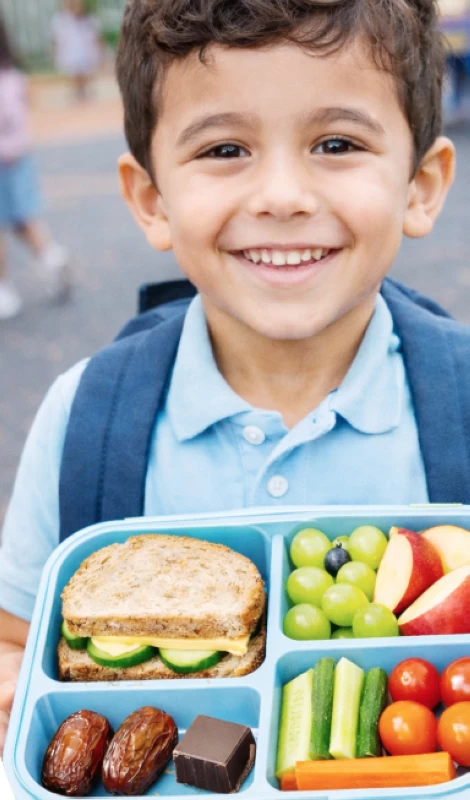
أضحى الـ«لانش بوكس»، جزءاً أساسياً من حياة الطلاب والموظفين وفي الرحلات اليومية. وسيلة عملية سهلة لحفظ الطعام ونقله بسهولة، ورغم فوائده العديدة، إلا أن استخدامه بطريقة خاطئة أو اختيار نوع غير آمن قد يسبب بعض المخاطر الصحية التي يجب الانتباه لها.
ورغم أن اللانش بوكس، يعد خياراً ممتازاً للتحكم في نوعية الطعام وكميته، وتقليل الاعتماد على الوجبات السريعة، إضافة إلى توفير المال. في المقابل، قد يؤدي استخدام مواد غير آمنة أو عدم تنظيفه جيداً إلى تلوث الطعام أو انتقال مواد ضارة، ما يجعل الوعي بطريقة الاستخدام والاختيار أمراً ضرورياً.
وأمام تسابق الناس لتجهيز علب الطعام لأبنائهم، تختبئ خلف الألوان الزاهية والتصاميم الجذابة أخطار غير مرئية.
اضطرابات هرمونية
رئيس إدارة البيئة بالاتحاد العالمي الإسلامي للكشافة والشباب الدكتور فهد عبدالكريم تركستاني، يشير إلى أن دراسة نُشرت في مجلة (ذا لانسيت) أفادت بأن بعض المواد الكيميائية في البلاستيك مثل (الفثالات) يعد قاتلاً خفياً للرجولة، إلى جانب (البيسفينول) التي يرتبط وجودها في المادة البلاستيكية لإعطائها القدرة على الليونة للمنتج البلاستيكي.
وترتبط مخاطرها باضطرابات هرمونية، كضعف الخصوبة وضعف المناعة، وتأثيرات سلبية أخرى على النمو العصبي للأطفال، وقد تزيد خطر السمنة والأمراض المزمنة الأخرى.
وأشار تركستاني إلى أخطاء شائعة يقع فيها الأهل، وهي وضع الطعام الساخن مباشرة في البلاستيك، واستخدام علب قديمة أو مشروخة، أو الاعتماد على وجبات مصنّعة وحلويات جاهزة.
وينبه تركستاني إلى ضرورة ملاحظة وجود عبارة (BPA Free). والأفضل هو ستانلس ستيل، أو زجاج، أو سيليكون طبي، وإذا كان بلاستيك، يجب اختيار الرمز 5 (PP) أو 2 أو 4 الموجودة أسفل العبوة داخل المثلث، وتجنب إعادة استخدام قوارير مياه بلاستيكية رخيصة، ويفضل وضع ورق الزبدة على جدار حافظة الطعام الساخن أو الذي يحتوي على بهارات أو حمضيات أو بندورة، لمنع التفاعل مع جدار الحافظة البلاستيكية.
درجات حرارة مناسبة
استشاري طب الأسرة وطب نمط الحياة الدكتورة أريج القحطاني، تنصح بحفظ الطعام في درجات حرارة مناسبة، والتأكد من استخدام علبة غذاء معزولة للحفاظ على درجة حرارة الطعام، ويمكن استخدام كيس ثلج للحفاظ على الطعام بارداً، والتحقق من سلامة الطعام، وأن المكونات طازجة وآمنة للاستهلاك، مع تجنب الأطعمة التي تحتاج إلى تبريد إذا لم تكن مضمونة.
ومن النصائح التنظيف الجيد؛ إذ يجب غسل صناديق الغذاء بعد كل استخدام لضمان النظافة والتقليل من البكتيريا.
وأشارت الدكتورة أريج إلى أن توفير وجبات صحية ومغذية من خلال صندوق الغذاء يسهم في تعزيز أداء الأطفال التعليمي، ويساعدهم على النمو بشكل صحي، من خلال الاهتمام بما يأكلونه، لبناء عادات غذائية سليمة تدوم مدى الحياة.
صحة الأبناء
وينصح رئيس إدارة البيئة بالاتحاد العالمي الإسلامي للكشافة والشباب الدكتور تركستاني: بعدم تسخين الطعام في البلاستيك، والحرص على أدوات عالية الجودة ومتعددة الاستخدام، وتقدّيم وجبات طازجة ومتنوعة للأطفال تحتوي على الخضار والبروتينات بمعنى طعام صحي، فخطوات بسيطة وواعية في اختيار الأدوات وحفظ الطعام يمكن أن تحمي صحة الأبناء وتضمن لهم مستقبلاً أفضل.
دور الوعي والجهات الرسمية
الدكتور تركستاني أشار إلى أن وعي الوالدين يمثل خط الدفاع الأول عن صحة الأبناء، فاختيار الأدوات الآمنة، وزرع عادات غذائية صحية في سن مبكرة، يقلل كثيراً من المخاطر.
وفي المقابل، تقع على عاتق الجهات الصحية والتعليمية مسؤولية تكثيف حملات التوعية، ومراقبة المنتجات غير المطابقة، ودمج الثقافة الصحية في المدارس.
رأي إيجابي في «الصندوق»
استشاري طب الأسرة وطب نمط الحياة الدكتورة أريج القحطاني قالت: «إن صناديق الغذاء من العناصر الأساسية التي تسهم في تعزيز صحة أطفالنا خلال يومهم الدراسي، فهي ليست مجرد وسيلة لنقل الطعام، بل أداة مهمة لضمان التغذية السليمة والفعالة، إذ إن إعداد صندوق الغذاء يتيح للناس اختيار مكونات مغذية مثل الفواكه والخضروات، ومصادر البروتين، والحبوب الكاملة، مع ضرورة تعزيز العادات الغذائية الصحية التي تساعد على نمو وعي الأطفال بأهمية التغذية الصحية، ما يؤهلهم لاتخاذ قرارات غذائية صحيحة في المستقبل، ويمنحهم شعوراً بالراحة والسعادة خلال اليوم، إذ يتناولون طعاماً يُحبونه، ويشعرون بالانتماء عند رؤية ما أُعد لهم في بيوتهم».
وتنصح الدكتورة أريج باختيار مجموعة متنوعة من الخضار والفواكه مثل الجزر، والخيار، والتفاح، بتقطيعها إلى قطع صغيرة لتسهيل تناولها، إلى جانب البروتين مثل صدور الدجاج المشوية، والبيض المسلوق، أو الحمص، والحبوب مثل شطائر من الخبز الكامل، أو الأرز، مع وجبات خفيفة صحية، ويمكن تضمين المكسّرات أو الزبادي كوجبة خفيفة، مع ضرورة تنويع الأطعمة كل أسبوع لتجنب الملل، وتعزيز الاهتمام بالطعام.
جفّفوه يومياً
استشاري طب الأسرة الدكتورة شذى زهير الزهير، تقول: «إن علبة الإفطار المدرسية من الأدوات اليومية المهمة في حياة أطفال المدارس، إلا أن اختيارها أو استخدامها بشكل غير صحيح قد يشكّل خطراً صحياً، إذ إن بعض أنواع البلاستيك تتأثر بالحرارة عند وضع الطعام الساخن، أو عند تعرّض العلبة لأشعة الشمس أثناء الذهاب إلى المدرسة، ما يؤدي إلى تحلل مكوّناتها، وتسرب مواد كيميائية ضارة إلى الطعام، وقد تؤثر هذه المواد على صحة الأطفال، خصوصاً على الهرمونات، والمناعة، والنمو على المدى البعيد».
ولحفظ أطعمة طلاب المدارس بطريقة صحية وآمنة، تنصح الدكتورة شذى باستخدام علب مصنوعة من الستانلس ستيل، أو الزجاج، أو البلاستيك المخصص للطعام المكتوب عليه أنه آمن وخالٍ من المواد الضارة. كما يُفضّل حفظ الأطعمة الساخنة في حافظات حرارية مخصصة، وتجنّب ترك الطعام لفترات طويلة داخل (اللانش بوكس)، مع الحرص على تنظيفه وتجفيفه يومياً.
وتوصي الدكتورة شذى الأسرة والجهات المعنية باختيار علب طعام آمنة ومعتمدة، ومنع وضع الأطعمة الساخنة في البلاستيك، وتوعية الأطفال بعدم تعريض «اللانش بوكس» للحرارة أو الشمس، واستبداله فور ظهور أي تلف أو تغيّر في اللون.
ما هي مادة الـ«BPA»؟
(ثنائي الفينول - أ) أو (BPA) هي مادة كيميائية تضاف للكثير من المنتجات المصنعة، بما فيها حافظات الطعام. وبدأت المصانع تستخدم هذه المادة في خمسينيات القرن الماضي لتصنيع مختلف المنتجات المكونة بشكل رئيسي من البلاستيك.
يمكن لمادة الـ(BPA) التغلغل لجسم الإنسان من خلال الطعام، والشراب المحفوظ في أوعية بلاستيكية تحتوي على الـ(BPA)، فقد وجدت دراسة حديثة نشرتها منظمة الصحة العالمية، وجود نسب مرتفعة من هذه المادة في أجسام الرضّع الذين يحصلون على الحليب الصناعي في رضاعات تحتوي على الـ(BPA).
وبينت الدراسات أن تعرض الأطفال لهذه المادة يرفع نسبة إصابتهم بالعديد من الأمراض والمشاكل الصحية، مثل اضطراب فرط الحركة وتشتت الانتباه، إضافة إلى السمنة، وسكري الأطفال، وغيرها من المشاكل الصحية والسلوكية.
عيسى الهجلة (ولي أمر طالب) يقول: «أحرص دائماً كأب قبل الشراء (اللانش بوكس)» على قراءة مواد التصنيع، ووجود عبارة (BPA Free). وأحرص دائماً على أن يحتوي (اللانش بوكس) على الغذاء الصحي، والابتعاد عن المقليات، و(الشيبس)، والمشروبات الغازية، وأن يكون (اللانش بوكس) آمناً صحياً سواء مواد تصنيعها، أو محتوياته من الأطعمة».
أما أخصائية التغذية الدكتورة دلال طلحة حلابة فتقول: «علب (اللانش بوكس) بحد ذاتها لا تُعد سبباً مباشراً للأمراض، لكن استخدام علب مُصنّعة من مواد غير مخصصة للأغذية، أو عدم الاهتمام بنظافتها، قد يؤدي إلى تلوث الطعام، وبالتالي زيادة احتمال حدوث بعض المشكلات الصحية، وأكثرها شيوعاً الاضطرابات الهضمية مثل آلام المعدة، والإسهال، أو القيء، لذلك فإن المشكلة لا تكمن في العلبة نفسها، وإنما في جودة العلبة وطريقة استخدامها وتنظيفها».
وكأخصائية تغذية أؤكد أن العامل الرئيسي في تأثر جودة وسلامة الوجبات الغذائية يعود إلى استخدام علب مصنوعة من مواد غير مخصصة لحفظ الطعام، خصوصاً بعض أنواع البلاستيك منخفضة الجودة، التي قد تتفاعل مع الطعام عند تعرّضها للحرارة أو التخزين لفترات طويلة، فهذا التفاعل قد يؤثر على سلامة الوجبة وجودتها الغذائية، لذا يُنصح باستخدام علب آمنة مصنوعة من مواد مناسبة مثل الستانلس ستيل، أو البلاستيك المخصص للأغذية الخالي من مادة (BPA) وهي المادة الكيميائية المستخدمة في صناعة بعض أنواع البلاستيك، وتنتقل إلى الطعام بكميات صغيرة عند التعرض للحرارة أو التخزين لفترات طويلة.
ممنوع «الشيبس» والسكريات
التربوية أسماء العرفي تناولت الأمر بمنظور تربوي، وقالت: لا يُنظر إلى حافظة الطعام المدرسية كوعاء طعام فقط، بل هي وسيلة تعليمية متكاملة، إذ تعزز السلوك الإيجابي، والسلامة الصحية، والمسؤولية، فعندما تكون للطفل في المرحلة الابتدائية حافظة طعام خاصة به ويختار ما يحتاجه في كل صباح، فإنه حينها يتعلم الاعتماد على نفسه في التنظيم، وتذكّر ما يحتاجه من العناصر الغذائية المتوازنة بمشاركة العائلة، ويعزز شعوره بالمسؤولية عن احتياجاته اليومية وما يناسبه.
مشيرة إلى أن للأسرة دوراً كبيراً في اختيار الحافظات التي تحافظ على سلامة وجودة الطعام، فيجب أن تكون مصنوعة من مواد آمنة، وتحتوي على أقسام لتجنب اختلاط الطعام، وعلى الأسرة أن تحرص على غسلها يومياً بالماء الساخن والصابون، وتجفيفها جيداً لمنع البكتيريا، وتجنب إعداد وجبات غير صحية كالعصائر الصناعية، والحلويات، والشكولاتة، و(الشيبس)، والمقليات، والأطعمة عالية السكر، ولا ننسى دور المدرسة التربوي في نشر ثقافة الغذاء الصحي للطالب، بتحفيزهم على الغذاء الصحي، وعقد برامج توعوية لأولياء الأمور، وحثهم على أهمية الوجبة الصحية ، مع أهمية المحافظة على اختيار حافظات الطعام ذات الجودة العالية.
علب آمنة محكمة الإغلاق
وتقول أخصائية التغذية الدكتورة دلال: يبدأ مفهوم الحفاظ على وجبات طلاب المدارس الصحية من اختيار علب طعام آمنة ومحكمة الإغلاق، ومصنوعة من مواد مخصصة تتحمل درجات الحرارة المختلفة، كما يجب التركيز على تنظيف العلب بشكل يومي وتركها لتجف جيداً، ويُفضّل تجهيز وجبات بسيطة وغنية بالعناصر الغذائية تتحمّل التخزين مثل الساندويتشات الصحية، والفواكه، والخضار، مع تجنّب الأطعمة سريعة الفساد مثل البيض أو التونة، خصوصاً مع ارتفاع درجات الحرارة.
الاهتمام بطريقة التحضير والتخزين يُعد عنصراً أساسياً في سلامة الوجبة المدرسية، وحدوث التسمم الغذائي وارد بنسبة عالية، لكنه يندرج تحت أسباب معينة، كتلوث الطعام نتيجة سوء التخزين، أو استخدام العلب غير المناسبة التي قد تؤدي إلى تفاعل الطعام مع المواد المصنَّعة، خصوصاً عند ترك الطعام فترات طويلة داخل «اللانش بوكس» مع الحرارة، إلا أن هذه الحالات يمكن تفاديها بسهولة عبر الالتزام بالنظافة، واختيار العلب المخصصة، والتأكد من استهلاك الطعام خلال فترة زمنية آمنة، وكذلك التركيز على نوع الطعام المُقدَّم.
وتختم الدكتورة دلال: «أنا كأم أؤمن أن وجبة الفطور المدرسية ليست مجرد وجبة توضع في حقيبة الطفل، بل هي رسالة حب واهتمام من الأم، وتهيئة نفسية وجسدية لبدء الطفل يومه بكل نشاط وتركيز، فالاختيار الصحيح للغذاء، وطريقة تقديمه وحفظه، يسهمان في تعزيز صحة الطفل وترسيخ مفهوم أهمية الغذاء الجيد، كأساس لجسم سليم وحياة صحية.
The "lunch box" has become an essential part of the lives of students and employees during daily trips. It is a practical and easy way to store and transport food. Despite its numerous benefits, using it incorrectly or choosing an unsafe type can pose some health risks that should be taken into consideration.
Although the lunch box is an excellent option for controlling the quality and quantity of food and reducing reliance on fast food, as well as saving money, using unsafe materials or failing to clean it properly can lead to food contamination or the transfer of harmful substances, making awareness of proper usage and selection essential.
As people rush to prepare food containers for their children, hidden behind bright colors and attractive designs are invisible dangers.
Hormonal Disorders
Dr. Fahd Abdulkarim Turkistani, head of the Environment Department at the World Islamic Scout Federation, points out that a study published in The Lancet reported that certain chemicals in plastics, such as phthalates, are silent killers of masculinity, along with bisphenol, which is associated with giving plastic products their flexibility.
The risks are linked to hormonal disorders, such as reduced fertility and weakened immunity, as well as other negative effects on children's neurological development, and may increase the risk of obesity and other chronic diseases.
Turkistani noted common mistakes made by parents, such as placing hot food directly in plastic containers, using old or cracked containers, or relying on processed meals and ready-made snacks.
He warns of the necessity to look for the phrase "BPA Free." The best options are stainless steel, glass, or medical-grade silicone. If plastic is used, one should choose the recycling symbols 5 (PP), 2, or 4 found at the bottom of the container inside the triangle, and avoid reusing cheap plastic water bottles. It is preferable to place parchment paper on the walls of hot food containers or those containing spices, citrus, or tomatoes to prevent reactions with the plastic container's walls.
Appropriate Temperatures
Dr. Areej Al-Qahtani, a family medicine and lifestyle medicine consultant, advises storing food at appropriate temperatures and ensuring the use of insulated food containers to maintain food temperature. Ice packs can be used to keep food cold, and it is important to check the safety of the food and that the ingredients are fresh and safe for consumption, while avoiding foods that require refrigeration if not guaranteed.
Among the cleaning tips is to wash food containers after each use to ensure cleanliness and reduce bacteria.
Dr. Areej indicated that providing healthy and nutritious meals through the lunch box contributes to enhancing children's educational performance and helps them grow healthily by paying attention to what they eat, building healthy eating habits that last a lifetime.
Children's Health
Dr. Turkistani advises against reheating food in plastic, emphasizing the importance of high-quality, reusable utensils, and providing fresh and varied meals for children that include vegetables and proteins, meaning healthy food. Simple and conscious steps in choosing utensils and storing food can protect children's health and ensure them a better future.
The Role of Awareness and Official Entities
Dr. Turkistani pointed out that parental awareness is the first line of defense for children's health. Choosing safe utensils and instilling healthy eating habits at an early age significantly reduces risks.
Conversely, health and educational authorities bear the responsibility of intensifying awareness campaigns, monitoring non-compliant products, and integrating health culture into schools.
A Positive View on the "Box"
Dr. Areej Al-Qahtani said: "Lunch boxes are essential elements that contribute to enhancing our children's health during their school day. They are not just a means of transporting food, but an important tool to ensure proper and effective nutrition. Preparing a lunch box allows people to choose nutritious ingredients such as fruits and vegetables, protein sources, and whole grains, while also promoting healthy eating habits that help children grow aware of the importance of healthy nutrition, enabling them to make correct dietary decisions in the future, and giving them a sense of comfort and happiness throughout the day as they eat food they love and feel a sense of belonging when they see what has been prepared for them at home."
Dr. Areej advises choosing a variety of vegetables and fruits such as carrots, cucumbers, and apples, cutting them into small pieces for easier consumption, along with proteins like grilled chicken breasts, boiled eggs, or chickpeas, and grains like whole grain sandwiches or rice, with healthy snacks. Nuts or yogurt can be included as a snack, and it is essential to vary the foods each week to avoid boredom and enhance interest in food.
Dry It Daily
Dr. Shatha Zuhair Al-Zuhair, a family medicine consultant, states: "The school breakfast box is one of the important daily tools in the lives of school children, but choosing or using it incorrectly can pose a health risk. Some types of plastic are affected by heat when hot food is placed in them or when the container is exposed to sunlight while going to school, leading to the breakdown of its components and the leaching of harmful chemicals into the food. These substances can affect children's health, particularly their hormones, immunity, and long-term growth."
To store school students' food in a healthy and safe manner, Dr. Shatha advises using containers made of stainless steel, glass, or food-grade plastic labeled as safe and free from harmful substances. It is also preferable to store hot foods in designated thermal containers and avoid leaving food for long periods inside the lunch box, while ensuring it is cleaned and dried daily.
Dr. Shatha recommends that families and relevant authorities choose safe and certified food containers, avoid placing hot foods in plastic, and educate children not to expose the lunch box to heat or sunlight, replacing it immediately if any damage or discoloration appears.
What is BPA?
(Bisphenol A) or (BPA) is a chemical added to many manufactured products, including food containers. Factories began using this substance in the 1950s to manufacture various products primarily made of plastic.
BPA can penetrate the human body through food and drink stored in plastic containers containing BPA. A recent study published by the World Health Organization found high levels of this substance in the bodies of infants receiving formula from bottles containing BPA.
Studies have shown that exposure to this substance increases the likelihood of children developing various diseases and health issues, such as attention deficit hyperactivity disorder, obesity, childhood diabetes, and other health and behavioral problems.
Issa Al-Hajla (a parent) says: "As a father, I always make sure to read the manufacturing materials and check for the phrase 'BPA Free' before purchasing a lunch box. I always ensure that the lunch box contains healthy food and avoid fried foods, chips, and soft drinks, and that the lunch box is health-safe in terms of its manufacturing materials and the food it contains."
Nutrition specialist Dr. Dala Talha Halaba says: "Lunch boxes themselves are not a direct cause of diseases, but using containers made from non-food-grade materials or neglecting their cleanliness can lead to food contamination, thus increasing the likelihood of some health issues, the most common of which are digestive disorders such as stomach pain, diarrhea, or vomiting. Therefore, the problem lies not in the box itself, but in the quality of the box and how it is used and cleaned."
As a nutrition specialist, I confirm that the main factor affecting the quality and safety of meals is the use of containers made from non-food-grade materials, especially some types of low-quality plastics that may react with food when exposed to heat or stored for long periods. This reaction can affect the safety and nutritional quality of the meal, so it is recommended to use safe containers made from suitable materials such as stainless steel or food-grade plastic free from BPA, which is the chemical used in the production of some types of plastic and can leach into food in small amounts when exposed to heat or stored for long periods.
No Chips or Sugars
Educator Asma Al-Arifi addressed the matter from an educational perspective, stating: "The school food container is not just viewed as a food vessel, but as a comprehensive educational tool that promotes positive behavior, health safety, and responsibility. When a child in elementary school has their own food container and chooses what they need each morning, they learn to rely on themselves for organization and remember what they need in balanced nutrients with family participation, enhancing their sense of responsibility for their daily needs and what suits them."
She pointed out that families play a significant role in selecting containers that maintain the safety and quality of food, which should be made from safe materials and contain compartments to prevent food mixing. Families should ensure to wash them daily with hot water and soap and dry them well to prevent bacteria, avoiding unhealthy meals like industrial juices, sweets, chocolates, chips, fried foods, and high-sugar foods. The school also has an educational role in promoting healthy food culture among students by encouraging healthy eating, conducting awareness programs for parents, and emphasizing the importance of healthy meals, along with the importance of choosing high-quality food containers.
Safe, Airtight Containers
Nutrition specialist Dr. Dala states: "The concept of maintaining healthy meals for school students begins with choosing safe, airtight food containers made from materials designed to withstand varying temperatures. It is also essential to focus on cleaning the containers daily and allowing them to dry well. It is preferable to prepare simple meals rich in nutrients that can withstand storage, such as healthy sandwiches, fruits, and vegetables, while avoiding perishable foods like eggs or tuna, especially in high temperatures."
Paying attention to preparation and storage methods is a fundamental element in ensuring the safety of school meals, and the occurrence of food poisoning is highly likely, but it falls under certain causes, such as food contamination due to poor storage or using inappropriate containers that may lead to food reacting with manufactured materials, especially when food is left for long periods inside the lunch box with heat. However, these cases can be easily avoided by adhering to cleanliness, choosing designated containers, and ensuring food is consumed within a safe timeframe, as well as focusing on the type of food being offered.
Dr. Dala concludes: "As a mother, I believe that the school breakfast is not just a meal placed in the child's bag, but a message of love and care from the mother, preparing the child mentally and physically to start their day with energy and focus. The correct choice of food, how it is presented and stored, contributes to enhancing the child's health and solidifying the concept of the importance of good nutrition as a foundation for a healthy body and life.