طوت الهيئة العامة للنقل صفحة المناداة في مهنة «الكدادة» وأعلنت أن المناداة أو ممارسة النقل دون ترخيص تُعد مخالفة صريحة وفق النظام الجديد للنقل البري، مؤكدة أن العقوبات قد تصل إلى 20 ألف ريال، مع حجز المركبة حتى 60 يوماً، وقد تمتد إلى بيعها في مزاد علني.
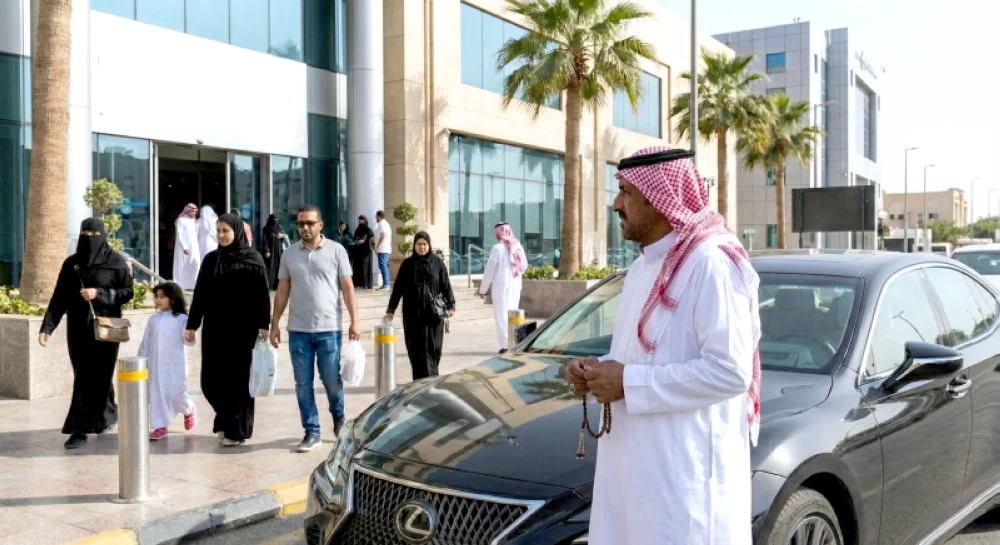
وبهذا، يغلق القرار ملفاً امتد لسنوات طويلة ارتبط خلالها الشارع السعودي بظاهرة «الكدادة» التي عُرفت بالمناداة في المواقف والأسواق والمطارات، حيث كانت الأصوات تتردد بعبارات صاخبة مثل: «واحد نفر.. جدة.. الرياض.. بطحاء.. الدمام» وغيرها، والبعض يسحب متعلقات من الراكب لتأمين مكانه في سيارته.
همس وتفاوض على المشاوير
«عكاظ» رصدت ميدانياً اختفاء هذا الصوت القوي الذي تزامن مع وصول السيارات خصوصاً «الشَفَر» و«الفورد (الفرت)»، وكانت أصواتهم العلامة الأبرز في ساحات المواقف والمطارات، إذ بات «الكدادون» اليوم يهمسون أمام مركباتهم بنبرة منخفضة، ساعين لكسب الزبائن بهدوء، انسجاماً مع التعليمات الجديدة، بينما لا يزال البعض خصوصاً في بعض المطارات والأسواق والمواقع التي تشهد وجوداً للمواطنين والمقيمين ينتظرون الركاب ويهمسون في قرب منهم بعبارات لا تُسمع إلاّ بعد أن تصغي الأذن له، يرددون «مشوار يـ الطيب»، «وش اسمك»؛ تفادياً لمساءلتهم من مراقبي هيئة النقل بحجة أنهم يعرفون بعضاً، ليتم التفاوض بهدوء أثناء السير على الأقدام.
ما إن اقتربنا من مواقف مكة حتى أمسك البعض بحقيبتنا لضمان التفاوض على مشوار الرحلة نحو الطائف بـ٦٠ ريالاً، وهذه إشارة واضحة للـ«كدّادة» الآخرين بعدم الاقتراب من هذا الزبون.
تلاشٍ تدريجي واختفاء مع الوقت
فيصل البقمي، الذي مارس المهنة 20 عاماً، ذكر أنه اعتاد المناداة المرتفعة في جدة ومكة والطائف بحثاً عن ركاب، بينما أكد محمد الزهراني، أن دخول التطبيقات غيّر السوق، غير أن فئات مثل كبار السن والعمالة ما زالت تعتمد عليهم، لافتاً إلى أن الأسعار ارتفعت بنحو 100% مقارنة بالسابق؛ فالرحلة من جدة إلى الطائف مثلاً تضاعف سعرها، وتزداد أكثر عند نقل راكب واحد.
أما عبدالله العتيبي فأشار إلى أن التشديد في المطارات وحول القطارات دفعهم للعمل في مواقع أخرى تفادياً للعقوبات، وأن «الكدّادة» اليوم يفضّلون المناداة الخفيفة بصوت خفيض والابتعاد عن سحب حقائب الركاب.
أوضح عدد من الرّكاب أنهم يلاحظون استمرار بعض «الكدّادة» المخالفين في المطارات يباغتونهم أثناء دخولهم صالات القدوم. ونوّه عبدالرحمن الروقي إلى أنه بمجرد وصوله إلى مطار الرياض، وجد «كدّاداً» ممسكاً بمسبحة في يده يفاوضه بصوتٍ خفيض لإيصاله بما يقارب ١٠٠ ريال، فرفض الركوب معه متجهاً لمحطة القطار بمبلغ أربعة ريالات. وأشار فهد الشهري إلى أنه بعد تنظيمات هيئة النقل يشعر بتلاشي ظاهرة المناداه تدريجياً، وتوقع طلال الغنامي اختفاءها مع الوقت بشكل تام.
ضبط السوق والحدّ من المنافسة
كشف أستاذ اقتصاديات التعليم المساعد الدكتور بدر سالم البدراني، أنه في ظل الجهود التنظيمية المتزايدة من الهيئة العامة للنقل للحد من الممارسات غير المرخَّصة في نقل الركاب، يأتي تنظيم نشاط «الكدادة» وتقييده بالتصاريح كخطوة مهمة لضبط سوق النقل غير النظامي وتحسين جودة الخدمة.
وتأتي هذه الإجراءات ضمن تطبيق أحكام النظام الجديد لنقل الركاب، الذي يشدد على منع مناداة أو ممارسة النقل دون ترخيص رسمي، ما يعزز السلامة ويحدّ من المنافسة غير المتكافئة.
وذكر البدراني أن أحدث البيانات الرسمية أظهرت أن خدمات تطبيقات النقل الذكي في السعودية شهدت نمواً لافتاً، ففي الربع الثاني من 2025م، سجلت هذه التطبيقات أكثر من 32 مليون رحلة، بزيادة 104% مقارنة بالفترة نفسها من العام الماضي، بوجود أكثر من 263,000 سائق مسجلين على المنصات الرقمية.
وفي الجانب الاقتصادي، أضاف الدكتور البدراني أن البيانات تشير إلى أن إيرادات القطاع عبر التطبيقات ارتفعت إلى نحو 2.3 مليار ريال في 2024م، مع نمو عدد السائقين السعوديين النشطين إلى أكثر من 332,000 سائق، لافتاً إلى أن هذا النمو يترجم فرصاً وظيفية كبيرة، خصوصاً مع تزايد الطلب على خدمات النقل المرخصة في المدن الكبرى مثل الرياض ومكة المكرمة والمنطقة الشرقية.
وبين أنه في ظل هذه التحولات، يمثل تنظيم مهنة «الكدادة» فرصة لإدماج العاملين في منظومة رسمية، ما يرفع مستوى الدخل، ويعزز الاستقرار المهني، ويدعم الاقتصاد الوطني من خلال توسيع قاعدة الإسهام في سوق النقل الرقمي.
دور محوري للإعلام
قال المحاضر بقسم الإعلام بجامعة الطائف الدكتور ناهس العضياني: إن الإعلام يلعب دوراً محورياً في التوعية بقرار وزارة النقل القاضي بمنع المناداة والنقل دون ترخيص، لما له من قدرة واسعة على الوصول إلى مختلف فئات المجتمع، فمن خلال القنوات التلفزيونية والإذاعية والصحف ومنصات التواصل الاجتماعي، يساهم الإعلام في شرح مضمون القرار وأهدافه.
وأضاف: «آثار القرار إيجابية على السلامة العامة وتنظيم قطاع النقل، كما يساعد في توضيح العقوبات المترتبة على المخالفين؛ ما يعزز الالتزام بالقوانين والأنظمة. ويؤدي الإعلام كذلك دوراً تثقيفياً
عبر توجيه المواطنين لاستخدام وسائل النقل المرخصة، وتشجيع السائقين على تصحيح أوضاعهم القانونية، بما يسهم في الحدّ من الفوضى وحماية حقوق الركاب والسائقين على حدٍ سواء».
حملات تفتيش وجودة خدمات
أعلنت الهيئة العامة للنقل استمرار حملاتها التفتيشية، إذ ضبطت خلال الفترة من 29 نوفمبر حتى 5 ديسمبر الماضي، 1,278 مخالفاً؛ بينهم 586 مارسوا الأعمال التحضيرية «المناداة» دون ترخيص، و692 نقلوا الركاب بسياراتهم الخاصة بطرق غير نظامية.
وأوضحت الهيئة أن هذه الجهود تهدف لتعزيز التنافسية في قطاع النقل والحد من الممارسات غير المشروعة التي تضر بجودة الخدمة وسلامة الركاب.
وأكدت أن النظام الجديد شدد على منع النقل دون ترخيص. وقد تصل الغرامة عند تكرار المخالفات إلى 11 ألف ريال مع حجز المركبة 25 يوماً لمن يمارس المناداة، وإلى 20 ألفاً مع الحجز لـ60 يوماً لمن يزاول النقل غير النظامي، مع إمكانية بيع المركبة وإبعاد غير السعودي عند تكرار المخالفة.
تجنُّب السلبيات وتطوير المهنة
أوضح الأخصائي الاجتماعي جالي العتيبي أن مهنة «الكدادة» من أقدم المهن التي كانت لها مكانتها، لما تقدمه من خدمات تسهّل تنقل الأفراد بين المدن والمحافظات وتعينهم في شؤونهم اليومية. وقد أولت الدولة هذه المهنة اهتماماً كبيراً بدءاً من التنظيم وإصدار التراخيص حتى تحديد نقاط تجمع في كل محافظة تُعرف بـ«الموقف».
وأفاد أنه من الطبيعي أن تتطور المهنة مع تطور الحياة، فبدأت خطوات التنظيم عبر استحداث مكاتب خاصة بالنقل البري تشرف عليها وزارة النقل، ويخضع العاملون فيها للاختبارات الأمنية للتحقق من سلامتهم النفسية والعقلية وما يضمن سلامة الركاب، قبل أن تتحول هذه المكاتب لاحقاً إلى شركات تقدم سيارات مجهزة بأدوات السلامة.
وأكد العتيبي أنه رغم انتشار التطبيقات الحديثة، لا تزال «الكدادة» مصدر رزق رئيسياً لبعض الأسر، وما زال «الكدادون» يمارسون أعمالهم في مواقعهم التقليدية، متحملين بعد المسافات وصعوبة الطرق، ومع ذلك ونتيجة لخطوات التنظيم التي استحدثت أخيراً، لا بد أن يتقيدوا بها ويسعوا لتنفيذها وينضموا إلى شركات ومؤسسات تمتهن القيادة لتصبح هذه المهنة أكثر احترافية، فنحن لا ننكر عليهم العمل في الكدادة لأنهم في فترة من الفترات قدموا الكثير ونشكرهم على ذلك ويستحقون التقدير والعرفان».
توتر وضغط بدني ونفسي
الأخصائية النفسية أمل الجهني قالت: «الكدّادة شريحة تعمل تحت ضغط الحاجة اليومية، ويسعون لتأمين دخل مستقر عبر جهد جسدي ونفسي كبير، خصوصاً بعد صدور التعليمات التي منعت المناداة العشوائية والدخول غير المصرح به للمطارات، مما أعاد صياغة طريقة عملهم وفرض عليهم التكيّف مع تنظيمات جديدة تهدف لحماية الركاب والسائقين».
وأكدت الجهني أنهم يعيشون مستوى مرتفعاً من الضغط البدني والانفعالي نتيجة ساعات القيادة الطويلة، وقلّة النوم، وتعدد جنسيات وثقافات الركاب، إضافة إلى تذبذب الدخل، وهذا الإرهاق قد يؤدي إلى ضعف التركيز والتوتر والشعور بالعزلة، رغم دورهم في تلبية احتياجات السفر داخل المدن وبينها.
وأضافت: «كثير منهم ما زالوا يمارسون المهنة بفضل خبرتهم ومعرفتهم بالطرق وثقة بعض الركاب بهم، كما أن التخفيف من الضغوط يتطلب تنظيم ساعات العمل والنوم، وأخذ فترات راحة، وتجنب القيادة عند الإرهاق، والابتعاد عن المواقف المستفزة، وشرب الماء وتناول وجبات خفيفة للحفاظ على التركيز، إلى جانب الاستماع لشيء مريح أثناء القيادة».
ورأت أن «تحسين ظروف عملهم وتبنّي ممارسات صحية يرفع جودة حياتهم ويدعم استمرار دورهم في منظومة النقل، فهم شريحة لا يمكن إغفالها».
The General Transport Authority has turned the page on the practice of "Kaddadah" and announced that calling for or practicing transport without a license is considered a clear violation under the new land transport system, confirming that penalties can reach up to 20,000 riyals, with the vehicle being impounded for up to 60 days, and it may even be sold at a public auction.
With this, the decision closes a file that has extended for many years, during which the Saudi street was associated with the phenomenon of "Kaddadah," known for calling out in parking lots, markets, and airports, where loud voices echoed phrases like: "One person.. Jeddah.. Riyadh.. Batha.. Dammam" and others, with some pulling belongings from passengers to secure their place in their cars.
Whispers and Negotiations on Rides
"Okaz" observed the disappearance of this loud voice coinciding with the arrival of cars, especially "Shafar" and "Ford (Furt)," as their voices were the most prominent in the parking lots and airports. Today, "Kaddadah" whisper in front of their vehicles in a low tone, seeking to attract customers quietly, in line with the new instructions, while some, especially in certain airports, markets, and locations with a presence of citizens and residents, still wait for passengers and whisper nearby with phrases that can only be heard when one listens closely, repeating "Ride, good sir," "What is your name"; avoiding questioning from transport authority monitors on the grounds that they know each other, negotiating quietly while walking.
As we approached the parking lots in Mecca, some grabbed our bag to ensure negotiating a ride to Taif for 60 riyals, which was a clear signal to other "Kaddadah" not to approach this customer.
Gradual Disappearance Over Time
Faisal Al-Buqami, who practiced the profession for 20 years, mentioned that he was used to loud calling in Jeddah, Mecca, and Taif searching for passengers, while Mohammed Al-Zahrani confirmed that the entry of applications has changed the market, noting that categories like the elderly and laborers still rely on them, pointing out that prices have increased by about 100% compared to before; for example, the fare from Jeddah to Taif has doubled, and it increases more when transporting a single passenger.
As for Abdullah Al-Otaibi, he pointed out that the tightening at airports and around train stations has pushed them to work in other locations to avoid penalties, and that "Kaddadah" today prefer low-volume calling and staying away from pulling passengers' bags.
Several passengers indicated that they notice some violating "Kaddadah" at airports surprising them as they enter the arrival halls. Abdulrahman Al-Ruqai noted that as soon as he arrived at Riyadh Airport, he found a "Kaddadah" holding a prayer bead in his hand negotiating with him in a low voice to take him for about 100 riyals, so he refused to ride with him and headed to the train station for four riyals. Fahd Al-Shuhri pointed out that after the transport authority's regulations, he feels the phenomenon of calling is gradually fading, and Talal Al-Ghanami expected it to completely disappear over time.
Market Regulation and Limiting Competition
Assistant Professor of Educational Economics Dr. Badr Salem Al-Badrani revealed that amid the increasing regulatory efforts by the General Transport Authority to limit unlicensed practices in passenger transport, regulating the "Kaddadah" activity and restricting it with permits is an important step to control the informal transport market and improve service quality.
These measures come as part of implementing the provisions of the new passenger transport system, which emphasizes the prohibition of calling for or practicing transport without an official license, enhancing safety and limiting unfair competition.
Al-Badrani mentioned that the latest official data showed that smart transport application services in Saudi Arabia witnessed remarkable growth, as in the second quarter of 2025, these applications recorded more than 32 million trips, an increase of 104% compared to the same period last year, with more than 263,000 registered drivers on digital platforms.
On the economic side, Dr. Al-Badrani added that the data indicates that the sector's revenues through applications rose to about 2.3 billion riyals in 2024, with the number of active Saudi drivers increasing to more than 332,000 drivers, noting that this growth translates into significant job opportunities, especially with the increasing demand for licensed transport services in major cities like Riyadh, Mecca, and the Eastern Province.
He pointed out that amid these transformations, regulating the "Kaddadah" profession represents an opportunity to integrate workers into an official system, raising income levels, enhancing professional stability, and supporting the national economy by expanding the contribution base in the digital transport market.
A Pivotal Role for the Media
Dr. Nahas Al-Odayani, a lecturer in the Media Department at Taif University, stated that the media plays a pivotal role in raising awareness of the Ministry of Transport's decision to ban calling and transport without a license, due to its wide ability to reach various segments of society. Through television channels, radio, newspapers, and social media platforms, the media contributes to explaining the content and objectives of the decision.
He added: "The effects of the decision are positive on public safety and the organization of the transport sector, as it helps clarify the penalties resulting from violations; this enhances compliance with laws and regulations. The media also plays an educational role
by directing citizens to use licensed transport means, encouraging drivers to correct their legal status, which contributes to reducing chaos and protecting the rights of both passengers and drivers alike."
Inspection Campaigns and Service Quality
The General Transport Authority announced the continuation of its inspection campaigns, as it apprehended 1,278 violators during the period from November 29 to December 5, including 586 who engaged in preparatory work ("calling") without a license, and 692 who transported passengers in their private cars in unauthorized ways.
The authority explained that these efforts aim to enhance competitiveness in the transport sector and limit illegal practices that harm service quality and passenger safety.
It confirmed that the new system emphasized the prohibition of transport without a license. The fine for repeated violations can reach 11,000 riyals with a 25-day vehicle impoundment for those practicing calling, and up to 20,000 riyals with a 60-day impoundment for those engaging in informal transport, with the possibility of selling the vehicle and deporting non-Saudis upon repeated violations.
Avoiding Negatives and Developing the Profession
Social specialist Jali Al-Otaibi explained that the profession of "Kaddadah" is one of the oldest professions that had its place due to the services it provides to facilitate the movement of individuals between cities and governorates and assist them in their daily affairs. The state has given significant attention to this profession, starting from organization and issuing licenses to defining gathering points in each governorate known as "the parking lot."
He noted that it is natural for the profession to evolve with the development of life, as organizational steps began through the establishment of special offices for land transport supervised by the Ministry of Transport, where workers are subjected to security tests to verify their psychological and mental safety, ensuring passenger safety, before these offices later transformed into companies providing vehicles equipped with safety tools.
Al-Otaibi confirmed that despite the prevalence of modern applications, "Kaddadah" remains a primary source of income for some families, and "Kaddadah" still practice their work in their traditional locations, enduring long distances and difficult roads. Nevertheless, due to the recent organizational steps, they must adhere to them and strive to implement them and join companies and institutions that specialize in driving to make this profession more professional. We do not deny their work in Kaddadah as they have contributed a lot during a certain period, and we thank them for that; they deserve appreciation and recognition.
Physical and Psychological Stress
Psychologist Amal Al-Jahni said: "Kaddadah are a segment that works under the pressure of daily needs, striving to secure a stable income through significant physical and psychological effort, especially after the issuance of instructions that prohibited random calling and unauthorized entry to airports, which reshaped their way of working and forced them to adapt to new regulations aimed at protecting passengers and drivers."
Al-Jahni confirmed that they live at a high level of physical and emotional stress due to long driving hours, lack of sleep, and the diversity of nationalities and cultures among passengers, in addition to fluctuating income, and this fatigue may lead to decreased concentration, tension, and feelings of isolation, despite their role in meeting travel needs within and between cities.
She added: "Many of them still practice the profession thanks to their experience and knowledge of the roads and the trust of some passengers in them, and alleviating the pressures requires organizing working and sleeping hours, taking breaks, avoiding driving when fatigued, staying away from provoking situations, drinking water, and eating light meals to maintain focus, along with listening to something relaxing while driving."
She saw that "improving their working conditions and adopting healthy practices enhances their quality of life and supports their continued role in the transport system, as they are a segment that cannot be overlooked."