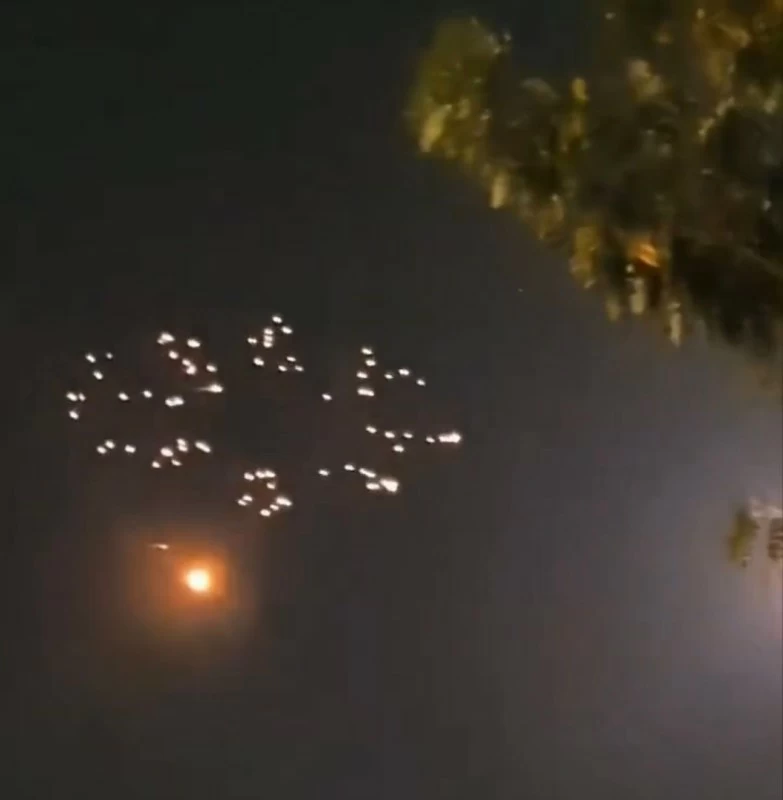
دخلت الصواريخ الإيرانية الانشطارية إلى فضاء المواجهة العسكرية، لتثير تساؤلات حول ما إذا كانت تمثل تحولاً في طبيعة الحرب الدائرة. فهذه الصواريخ التي تنفجر في الجو وتتناثر منها قنابل صغيرة على مساحة واسعة، باتت مصدر قلق متزايد في إسرائيل، في ظل قدرتها على إحداث أضرار متعددة في وقت واحد، ما يطرح تساؤلات حول تأثيرها المحتمل على موازين المواجهة.
رشقات صاروخية وانفجارات في تل أبيب
شهدت تل أبيب مساء الخميس سلسلة انفجارات بعد إطلاق إيران رشقات صاروخية جديدة، شملت صواريخ انشطارية، وفق ما أفادت «فرانس برس».
وأضاءت مسارات الصواريخ سماء مدينة نتانيا شمال تل أبيب، بينما دوّت انفجارات متتالية بعد الساعة التاسعة مساء بقليل بتوقيت غرينتش.
ودوّت صافرات الإنذار في أنحاء تل أبيب، مع رصد الجيش الإسرائيلي إطلاق دفعة جديدة من الصواريخ الإيرانية، ما دفع السكان إلى التوجه نحو الملاجئ.
في المقابل، أعلنت وسائل إعلام إيرانية، بينها الإذاعة والتلفزيون الرسميان، بدء إطلاق «وابل جديد من الصواريخ» باتجاه إسرائيل.
صواريخ عنقودية تثير القلق
كشفت صحيفة «هآرتس» العبرية أن إيران استخدمت منذ بداية الهجمات الإسرائيلية-الأمريكية على أراضيها عدداً من الصواريخ الانشطارية، ضمن مئات الصواريخ الباليستية التي استهدفت مواقع إسرائيلية.
وقال الجيش الإسرائيلي إن الصاروخ العنقودي يحمل رأساً حربياً ينشطر في الجو إلى عدة قنابل صغيرة، ما يزيد من نطاق الأضرار المحتملة.
إصابات وأضرار في عدة مناطق
وأفادت السلطات الإسرائيلية بوقوع أضرار في عدة مناطق، بينها بني براك ورمات غان وكفر قاسم وبيتح تكفا، إضافة إلى اندلاع حريق بعد سقوط شظايا في «روش هعاين».
مواقع سقوط متعددة في تل أبيب
في مستوطنة بني براك، جرى الإبلاغ عن أربعة مواقع سقوط.
ففي الموقع الأول سقط صاروخ قرب مركبة اشتعلت فيها النيران، بينما تضررت شقق سكنية في الموقع الثاني.
وفي الموقع الثالث أصيب مبنى سكني بشكل مباشر، ما أدى إلى أضرار واسعة في عدد من الشقق ونقل مصابين إلى المستشفى، فيما سجل الموقع الرابع أضراراً في مبنى عام.
وقال قائد منطقة تل أبيب في الشرطة الإسرائيلية حاييم سرغروف إن المنطقة تشهد نحو 12 موقع سقوط في الوقت نفسه، مضيفاً أن «الصاروخ ينشطر إلى قنابل صغيرة، لكن الأضرار التي قد يسببها كبيرة»، محذراً من أن هذا النوع من الصواريخ قد يؤدي إلى «كارثة».
كيف تعمل الصواريخ الانشطارية؟
أفادت صحيفة «يديعوت أحرنوت» بأن الرأس الحربي للصاروخ يحتوي على شحنة متفجرة تزن مئات الكيلوغرامات، إضافة إلى نحو 20 قنبلة صغيرة داخل الذخيرة.
وتُطلق هذه القنابل على ارتفاع نحو 7 كيلومترات فوق منطقة الهدف، قبل أن تنتشر على مساحة واسعة قد تصل إلى نحو 8 كيلومترات.
ووفق الصحيفة، تزن كل قنبلة صغيرة بضعة كيلوغرامات، وتحتوي على ما بين 2.5 و7 كيلوغرامات من المواد المتفجرة، ما يزيد من احتمالات وقوع أضرار في مناطق متفرقة في وقت واحد.
The Iranian cluster missiles have entered the realm of military confrontation, raising questions about whether they represent a shift in the nature of the ongoing war. These missiles, which explode in the air and scatter small bombs over a wide area, have become an increasing source of concern in Israel, given their ability to cause multiple damages simultaneously, prompting questions about their potential impact on the balance of confrontation.
Rocket Barrages and Explosions in Tel Aviv
Tel Aviv witnessed a series of explosions on Thursday evening following Iran's launch of new rocket barrages, which included cluster missiles, according to reports from "France Presse."
The missile trails lit up the sky over the city of Netanya, north of Tel Aviv, while successive explosions echoed shortly after 9 PM GMT.
Sirens sounded across Tel Aviv as the Israeli army detected the launch of a new batch of Iranian missiles, prompting residents to head to shelters.
In contrast, Iranian media outlets, including state radio and television, announced the launch of a "new barrage of missiles" towards Israel.
Cluster Missiles Raise Concerns
The Hebrew newspaper "Haaretz" revealed that Iran has used a number of cluster missiles since the beginning of the Israeli-American attacks on its territory, as part of hundreds of ballistic missiles targeting Israeli sites.
The Israeli army stated that the cluster missile carries a warhead that splits in the air into several small bombs, increasing the potential damage radius.
Injuries and Damage in Several Areas
Israeli authorities reported damage in several areas, including Bnei Brak, Ramat Gan, Kfar Qasim, and Petah Tikva, in addition to a fire breaking out after debris fell in "Rosh HaAyin."
Multiple Impact Sites in Tel Aviv
In the settlement of Bnei Brak, four impact sites were reported.
At the first site, a missile fell near a vehicle that caught fire, while residential apartments were damaged at the second site.
At the third site, a residential building was directly hit, leading to extensive damage in several apartments and the transfer of injured individuals to the hospital, while the fourth site recorded damage to a public building.
The commander of the Tel Aviv area in the Israeli police, Haim Serghoff, stated that the area is experiencing about 12 impact sites simultaneously, adding that "the missile splits into small bombs, but the potential damage it can cause is significant," warning that this type of missile could lead to a "disaster."
How Do Cluster Missiles Work?
The newspaper "Yedioth Ahronoth" reported that the warhead of the missile contains an explosive charge weighing hundreds of kilograms, in addition to about 20 small bombs within the munition.
These bombs are released at an altitude of about 7 kilometers above the target area, before spreading over a wide area that can reach approximately 8 kilometers.
According to the newspaper, each small bomb weighs a few kilograms and contains between 2.5 and 7 kilograms of explosive materials, increasing the likelihood of damage occurring in scattered areas simultaneously.