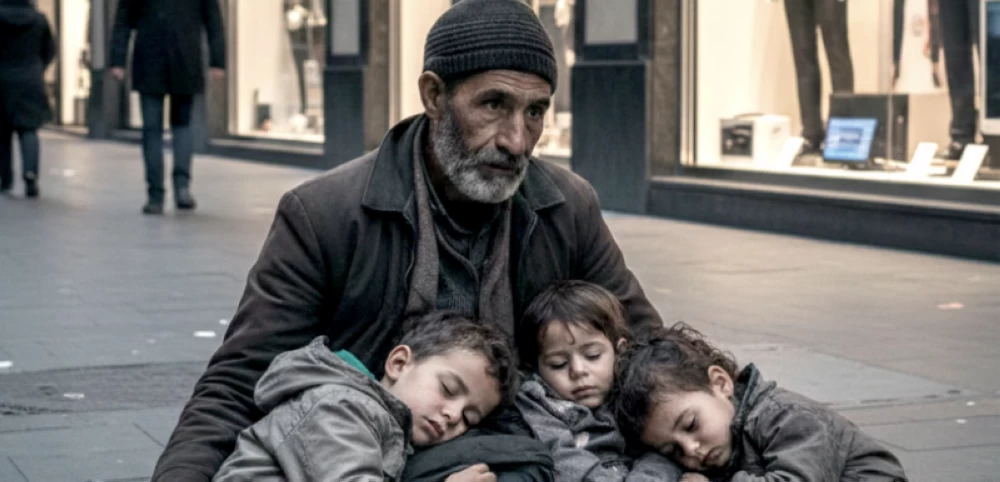
ممثلون بارعون يتقنون أدوارهم إلى حد الإقناع، يتنقلون بين الشخصيات كما يتنقلون بين الشوارع، لكنهم لا يقفون على خشبة مسرح ولا أمام العدسات؛ بل جعلوا من الطرقات والأسواق مسرحاً مفتوحاً لممارسة التسول وجرائم الإتجار بالأشخاص. يستغلون كبار السن والأطفال وذوي الإعاقات لتنفيذ جرائمهم في استدرار عطف المارة وجمع الأموال بطرق غير مشروعة.
يتفننون في تغيير هيئات الكبار والصغار ويبتكرون لهم أساليب مختلفة لممارسة التسول، وكثير منهم يعمل ضمن عصابات منظمة تتقاسم الأحياء وتختار مواقع محددة.
وزارة الداخلية حذّرت مراراً من خطورة التسول، وفعّلت حملات واسعة بمشاركة مختلف قطاعاتها الأمنية والجهات الحكومية للقضاء على هذه الآفة وتجفيف منابعها.
وكثّفت جهودها في مختلف مناطق المملكة لرصد وضبط المتسولين في الشوارع، وأمام المحلات التجارية والمجمعات والمواقف، واتخاذ الإجراءات النظامية بحقهم؛ باعتبار أن التسول واجهة لجمع الأموال بطرق غير مشروعة.
هذه الجهود أسهمت في ردع المتسولين والحد من الظاهرة التي باتت تعتمد على استغلال العاهات والإعاقات، بل وتعمّد اختيار كبار السن والأطفال لاستدرار العطف، مستخدمين أساليب مراوغة بين الكرّ والفرّ، مع وجود مراقبين يتولون تحذيرهم من الحملات الأمنية المكثفة.
تهريب وعصابات منظمة
شبكات التسول تعمل وفق منظومة إجرامية منظمة للإتجار بالبشر، تعتمد على جلب عناصر معينة لاستخدامهم في التسول. وغالباً ما تضم هذه الشبكات كبار السن ونساء يحملن أطفالاً، أو تقوم بشراء أو استئجار أطفال دون العاشرة بحجة إرسال الأموال إلى أسرهم مقابل عملهم في دول أخرى.
تعتمد هذه العصابات على استغلال المحتاجين من كبار السن والأطفال، وتهريبهم لممارسة هذه الأعمال غير المشروعة، وأحياناً تهددهم أو تؤذيهم أو تشوه أجسادهم لاستدرار مزيد من التعاطف، وبالتالي زيادة العائد المالي.
وتوفر العصابات مساكن خاصة لعناصرها، إضافة إلى وسائل نقل تتولى توزيعهم على الإشارات المرورية والمجمعات التجارية والشوارع والمساجد. كما تعتمد أسلوب «العصا والجزرة» في التعامل معهم؛ فكلما زادت حصيلة الأموال زادت الامتيازات، وإن قلّت الحصيلة حُرموا من احتياجاتهم الأساسية، وقد يصل الأمر إلى تقديم وجبة واحدة فقط كعقاب.
وتتوزع الأدوار داخل هذه العصابات؛ فهناك من يتولى توصيل المتسولين وإعادتهم، وآخرون يراقبون المواقع لتحذيرهم من الحملات الأمنية، بينما يتفرغ آخرون لمتابعة الأموال التي يجمعونها ومنعهم من إخفاء أي جزء منها قبل العودة إلى المقرات.
«صقر» يكشف الجرائم
تحول الطفل اليمني «صقر» إلى رمز كشف ممارسات عصابات الإتجار بالبشر واستغلال الأطفال في التسول. فقد أجبرته عصابة منظمة على التسول، وظهر في مقطع مؤثر وهو يبكي منهاراً في أحد الطرقات، يروي كيف يُجبر هو وأطفال يمنيون آخرون على التسول لصالح عصابات تهربهم إلى السعودية بطرق غير شرعية لاستغلالهم.
وقد تمكّنت الأجهزة الأمنية في الرياض من القبض على مقيم يمني استغل الطفل «صقر» في التسول واعتدى عليه بالضرب، وتم إيقافه وإحالته للنيابة العامة، مع تقديم الرعاية الإنسانية اللازمة للطفل.
استغلال 27 طفلاً في التسول
وفي إطار الحملة الأمنية المستمرة، ضبطت شرطة منطقة الرياض بالتنسيق مع الأمن المجتمعي ومكافحة الإتجار بالأشخاص 14 وافداً من الجنسية العربية لاستغلالهم 27 طفلاً في التسول بالميادين والطرقات. وتم اتخاذ الإجراءات النظامية بحقهم وإحالتهم للنيابة العامة، مع تقديم الخدمات الإنسانية للأطفال.
كما ضبطت شرطة منطقة الباحة، ثلاثة وافدين عرب لمخالفتهم نظام مكافحة جرائم الإتجار بالأشخاص، بعد استغلالهم أطفالاً في التسول. وتم إيقافهم وإحالتهم للنيابة العامة، مع توفير الرعاية للمستغَلين.
ضبط وافد يستغل الأطفال في جدة
وفي جدة، ألقت دوريات الأمن القبض على وافد عربي استغل أطفالاً من جنسيته في التسول، وتم اتخاذ الإجراءات النظامية بحقه وإحالته للنيابة العامة، مع تقديم الخدمات الإنسانية للأطفال.
احترام الإنسان وصون كرامته
تؤكد المملكة أنه لا تسامح مع مرتكبي جرائم الإتجار بالبشر، وأن احترام الإنسان وصون كرامته مبدأ راسخ. وقد اتخذت الدولة العديد من المبادرات والإجراءات الوقائية، بدءاً من سن التشريعات الصارمة وصولاً إلى تعزيز الوعي المجتمعي.
هيئة حقوق الإنسان شددت على أن الإتجار بالأشخاص جريمة تنتهك حقوق الإنسان، وأن مواجهتها تتطلب تضافر الجهود ورفع مستوى الوعي بخطورتها، مع ضرورة مشاركة الجميع في حماية الضحايا والتصدي لهذه الممارسات.
حملة «لا تعطِهم» لمكافحة التسول
أطلقت وزارة الداخلية حملة وطنية شاملة لمكافحة ظاهرة التسول تحت شعار «لا تعطِهم»، بمشاركة قطاعاتها الأمنية؛ بهدف القضاء على هذه الآفة وتجفيف منابعها. وتواصل الجهات الأمنية جهودها في مختلف مناطق المملكة لرصد وضبط القائمين على التسول في الشوارع، وأمام المحلات التجارية والمجمعات والمواقف، واتخاذ الإجراءات النظامية بحقهم.
وأكدت الوزارة أن دعم المتسولين يسهم في استمرار وانتشار هذه الظاهرة غير المرغوب فيها، مشددة على أهمية الإبلاغ عن حالات التسول، لافتة إلى أن التسول يُعد جريمة يعاقب عليها القانون.
التسول إتجار بالبشر
أكد «الأمن العام» أن استخدام طفل أو نقله أو إيواءه أو استقباله لغرض الاستغلال يُعد إتجاراً بالأشخاص، وأن رضى الطفل لا يُعتد به في جميع الأحوال. ويأتي ذلك انسجاماً مع ما ينص عليه نظام مكافحة جرائم الإتجار بالأشخاص من حظر الإتجار بأي شخص، بما في ذلك الإكراه أو التهديد أو الاحتيال أو الخداع أو الخطف أو استغلال النفوذ أو إساءة استعمال السلطة أو استغلال الضعف.
كما يحظر النظام تقديم مبالغ مالية أو مزايا أو تلقيها للحصول على موافقة شخص يسيطر على آخر؛ بهدف الاعتداء الجنسي أو العمل القسري أو التسول أو الاسترقاق أو الاستعباد أو نزع الأعضاء أو إجراء تجارب طبية.
جريمة تهدد المجتمع
أكد الخبير الأمني اللواء متقاعد عبدالله جداوي، أن استغلال الأطفال في التسول جريمة تهدد المجتمع والأمن، وتنتهك حقوق الطفل بشكل صارخ. وأوضح أن عصابات الإتجار بالبشر تستغل الأطفال وكبار السن بأبشع الطرق، وأن هذه الممارسات تدخل ضمن مفهوم جرائم الإتجار بالأشخاص، ونص النظام صراحة على أن التسول أحد أشكال الإتجار.
وأضاف اللواء جداوي، أن إجبار الأطفال على التسول يُعد مخالفة لنظام حماية الطفل، وجريمة يعاقب عليها النظام، خصوصاً أن الضحايا يتعرضون للتهديد والإيذاء في حال رفضهم تنفيذ تعليمات العصابات التي تستغلهم. كما يتعرضون للإيذاء الجسدي والنفسي، وقد يصابون بعاهات دائمة، فضلاً عن إجبارهم على العيش في أماكن سيئة تضر بصحتهم. وأكد أن استغلال الأطفال في التسول سلوك محظور ومجرّم بنص النظام.
عصابات منظمة تتسلل عبر الحدود
من جانبه، أوضح الخبير الأمني العميد متقاعد عبدالله حباب الجعيد، أن كثيراً من ممارسي التسول يتسللون عبر الحدود ويعملون ضمن عصابات منظمة أو بشكل فردي بهدف التسول، مشيراً إلى أن بعضهم يدخل المملكة بغرض الحج أو العمرة ثم يبقى لممارسة التسول وجمع مبالغ مالية كبيرة.
ووصف العميد الجعيد المشاهد المؤلمة التي تُرى في الشوارع، كوجود طفل مغلوب على أمره، أو رضيع في حضن أمه تحت أشعة الشمس الحارقة يستنشق عوادم السيارات من أجل التسول. وأكد أن المملكة اتخذت تدابير تشريعية عديدة لحفظ كرامة الإنسان، من أبرزها إصدار نظام مكافحة جرائم الإتجار بالأشخاص، وتشكيل لجنة مختصة في هيئة حقوق الإنسان، واعتماد خطط وطنية لمكافحة الإتجار، وإطلاق آلية الإحالة الوطنية لضحايا الإتجار، وتخصيص نيابة مستقلة ودوائر قضائية للنظر في هذه القضايا.
احتيال وخداع وخطف
كشف المحامي والمستشار القانوني عبدالعزيز بن دبشي، أن نظام مكافحة جرائم الإتجار بالأشخاص وضع تعريفاً دقيقاً لهذه الجريمة؛ باعتبارها كل ممارسة تتعلق باستخدام شخص أو إلحاقه أو نقله أو إيوائه أو استقباله بغرض إساءة الاستغلال. وأوضح أن النظام يحظر الإتجار بأي شخص بأي شكل من الأشكال، سواء كان ذلك عبر الإكراه أو التهديد أو الاحتيال أو الخداع أو الخطف، أو من خلال استغلال الوظيفة أو النفوذ أو إساءة استعمال سلطة ما على الضحية، أو استغلال ضعفه، أو عبر تقديم مبالغ مالية أو مزايا أو تلقيها للحصول على موافقة شخص يسيطر على آخر، من أجل الاعتداء الجنسي، أو العمل أو الخدمة قسراً، أو التسول، أو الاسترقاق أو الممارسات الشبيهة بالرق، أو الاستعباد، أو نزع الأعضاء، أو إجراء تجارب طبية عليه.
وأكد بن دبشي أن المادة الثالثة من نظام مكافحة جرائم الإتجار بالأشخاص تنص على معاقبة كل من يرتكب جريمة الإتجار بالأشخاص بالسجن مدة تصل إلى 15 سنة، أو بغرامة تصل إلى مليون ريال، أو بالعقوبتين معاً. كما شدد على أن العقوبات تتضاعف في حالات محددة؛ منها إذا ارتُكبت الجريمة من قبل جماعة إجرامية منظمة، أو إذا كانت الضحية امرأة أو أحد ذوي الاحتياجات الخاصة، أو إذا كانت الضحية طفلاً، حتى لو لم يكن الجاني يعلم بكونه طفلاً.
مسؤولية مشتركة لحماية الإنسان
تؤكد الوقائع أن التسول لم يعد مجرد ظاهرة اجتماعية، بل أصبح غطاءً لجرائم منظمة تستغل الضعفاء وتعتدي على كرامة الإنسان، ومع الجهود الأمنية والقانونية المبذولة، يبقى الوعي المجتمعي عنصراً أساسياً في مواجهة هذه العصابات، والإبلاغ عن أي ممارسات مشبوهة لحماية الأطفال وكبار السن من براثن شبكات تستغل حاجتهم وتحوّلهم إلى أدوات لجمع المال بطرق غير إنسانية.
Skilled actors master their roles to the point of persuasion, moving between characters as they move between streets, but they do not stand on a stage or in front of cameras; rather, they have made the roads and markets an open stage for practicing begging and human trafficking crimes. They exploit the elderly, children, and individuals with disabilities to carry out their crimes of eliciting sympathy from passersby and collecting money through illegal means.
They are adept at changing the appearances of both adults and children and invent different methods for practicing begging, many of whom work within organized gangs that divide neighborhoods and choose specific locations.
The Ministry of Interior has repeatedly warned about the dangers of begging and has activated extensive campaigns with the participation of various security sectors and government entities to eradicate this scourge and dry up its sources.
It has intensified its efforts in various regions of the Kingdom to monitor and apprehend beggars in the streets, in front of shops, malls, and parking lots, and to take legal action against them; considering that begging is a facade for collecting money through illegal means.
These efforts have contributed to deterring beggars and reducing the phenomenon that has come to rely on exploiting disabilities and deliberately choosing the elderly and children to elicit sympathy, using evasive tactics of hit-and-run, with observers warning them of intensive security campaigns.
Smuggling and Organized Gangs
Begging networks operate according to an organized criminal system for human trafficking, relying on bringing in specific individuals to use them for begging. These networks often include the elderly and women carrying children, or they purchase or rent children under the age of ten under the pretext of sending money to their families in exchange for their work in other countries.
These gangs exploit needy elderly individuals and children, smuggling them to engage in these illegal activities, and sometimes threaten or harm them or disfigure their bodies to elicit more sympathy, thereby increasing financial returns.
The gangs provide special housing for their members, in addition to means of transportation that distribute them to traffic signals, shopping malls, streets, and mosques. They also employ a "carrot and stick" approach in dealing with them; the more money they collect, the more privileges they receive, and if the collection decreases, they are deprived of their basic needs, which can lead to only one meal being provided as punishment.
Roles within these gangs are distributed; some are responsible for transporting the beggars and returning them, while others monitor locations to warn them of security campaigns, while others focus on tracking the money they collect and preventing them from hiding any part of it before returning to their bases.
“Saqr” Reveals the Crimes
The Yemeni child “Saqr” has become a symbol of exposing the practices of human trafficking gangs and the exploitation of children in begging. He was forced by an organized gang to beg, and he appeared in an emotional video crying and devastated in one of the streets, recounting how he and other Yemeni children are forced to beg for gangs that smuggle them to Saudi Arabia illegally for exploitation.
The security forces in Riyadh managed to arrest a Yemeni resident who exploited the child “Saqr” for begging and assaulted him, and he was detained and referred to the public prosecutor, with necessary humanitarian care provided for the child.
Exploitation of 27 Children in Begging
As part of the ongoing security campaign, the Riyadh Police, in coordination with community security and anti-human trafficking, apprehended 14 expatriates of Arab nationality for exploiting 27 children in begging in public squares and streets. Legal actions were taken against them, and they were referred to the public prosecutor, with humanitarian services provided for the children.
The Al-Baha Police also arrested three Arab expatriates for violating the anti-human trafficking law after exploiting children in begging. They were detained and referred to the public prosecutor, with care provided for the exploited individuals.
An expatriate exploiting children was apprehended in Jeddah
In Jeddah, security patrols arrested an Arab expatriate who exploited children of his nationality for begging, and legal actions were taken against him, and he was referred to the public prosecutor, with humanitarian services provided for the children.
Respect for Human Beings and Preserving Dignity
The Kingdom affirms that there is no tolerance for perpetrators of human trafficking crimes, and that respect for human beings and preserving their dignity is a fundamental principle. The state has taken numerous initiatives and preventive measures, starting from enacting strict legislation to enhancing community awareness.
The Human Rights Commission emphasized that human trafficking is a crime that violates human rights, and that confronting it requires concerted efforts and raising awareness of its dangers, with the necessity of everyone participating in protecting victims and combating these practices.
The “Do Not Give Them” Campaign to Combat Begging
The Ministry of Interior launched a comprehensive national campaign to combat the phenomenon of begging under the slogan “Do Not Give Them,” with the participation of its security sectors; aiming to eradicate this scourge and dry up its sources. The security authorities continue their efforts in various regions of the Kingdom to monitor and apprehend those engaged in begging in the streets, in front of shops, malls, and parking lots, and to take legal actions against them.
The ministry confirmed that supporting beggars contributes to the continuation and spread of this undesirable phenomenon, stressing the importance of reporting begging cases, noting that begging is considered a crime punishable by law.
Begging is Human Trafficking
The “Public Security” confirmed that using a child or transporting, housing, or receiving them for the purpose of exploitation is considered human trafficking, and that the consent of the child is not valid in all cases. This aligns with what is stipulated in the anti-human trafficking law prohibiting the trafficking of any person, including coercion, threat, fraud, deception, kidnapping, abuse of power, or exploitation of vulnerability.
The law also prohibits offering or receiving financial amounts or benefits to obtain the consent of a person controlling another; for the purpose of sexual assault, forced labor or service, begging, slavery, or practices similar to slavery, or exploitation, organ removal, or conducting medical experiments.
A Crime Threatening Society
Retired security expert Major General Abdullah Jadawi confirmed that exploiting children in begging is a crime that threatens society and security, and it blatantly violates children's rights. He explained that human trafficking gangs exploit children and the elderly in the most horrific ways, and that these practices fall within the concept of human trafficking crimes, and the law explicitly states that begging is one of the forms of trafficking.
General Jadawi added that forcing children to beg is a violation of the Child Protection Law and a crime punishable by law, especially since victims are subjected to threats and harm if they refuse to follow the instructions of the gangs exploiting them. They also suffer physical and psychological harm, and may incur permanent disabilities, in addition to being forced to live in poor conditions that harm their health. He confirmed that exploiting children in begging is a prohibited and criminal behavior under the law.
Organized Gangs Sneaking Across Borders
For his part, retired security expert Brigadier General Abdullah Habab Al-Juaid explained that many beggars sneak across borders and work within organized gangs or individually for the purpose of begging, noting that some enter the Kingdom for the purpose of Hajj or Umrah and then remain to practice begging and collect large sums of money.
Brigadier General Al-Juaid described the painful scenes seen in the streets, such as a helpless child or an infant in their mother's arms under the scorching sun inhaling car exhaust to beg. He confirmed that the Kingdom has taken numerous legislative measures to preserve human dignity, the most prominent of which is the issuance of the anti-human trafficking law, the formation of a specialized committee in the Human Rights Commission, the adoption of national plans to combat trafficking, launching a national referral mechanism for trafficking victims, and allocating an independent prosecutor's office and judicial circuits to consider these cases.
Fraud, Deception, and Kidnapping
Lawyer and legal consultant Abdulaziz bin Dabbashi revealed that the anti-human trafficking law has defined this crime precisely; as any practice related to using, attaching, transporting, housing, or receiving a person for the purpose of exploitation. He explained that the law prohibits trafficking any person in any form, whether through coercion, threat, fraud, deception, kidnapping, or through the abuse of a position or influence or the misuse of authority over the victim, or exploiting their vulnerability, or through offering or receiving financial amounts or benefits to obtain the consent of a person controlling another, for the purpose of sexual assault, forced labor or service, begging, slavery or practices similar to slavery, exploitation, organ removal, or conducting medical experiments on them.
Bin Dabbashi confirmed that Article 3 of the anti-human trafficking law stipulates punishing anyone who commits the crime of human trafficking with imprisonment for up to 15 years, or a fine of up to one million riyals, or both penalties together. He also emphasized that penalties are doubled in specific cases; including if the crime is committed by an organized criminal group, or if the victim is a woman or a person with disabilities, or if the victim is a child, even if the perpetrator was unaware of their status as a child.
Shared Responsibility to Protect Humans
Facts confirm that begging is no longer just a social phenomenon, but has become a cover for organized crimes that exploit the vulnerable and violate human dignity. Alongside the security and legal efforts being made, community awareness remains a fundamental element in confronting these gangs and reporting any suspicious practices to protect children and the elderly from the clutches of networks that exploit their needs and turn them into tools for collecting money in inhumane ways.