انتشرت موجة من الجلسات التي تُسوَّق تحت مسمى «التخلّص من الصدمات»، غير أن تحقيق «عكاظ» يكشف أن ما يجري فعلياً استغلال تجاري يقدّم الوهم في صورة علاج.
هذه الجلسات التي باتت تظهر في العيادات الخاصة ومنصات التواصل تعتمد على عبارات فضفاضة مثل «تحرير الألم العالق»، و«تفريغ الشحنات»، وتُباع الجلسة بأسعار خيالية تصل إلى 590 ريالاً للساعة، رغم أنها تُمارَس خارج أي إطار علمي أو إشراف مهني، ويقدّمها أشخاص لا يمتلكون مؤهلات علاجية معتمدة.
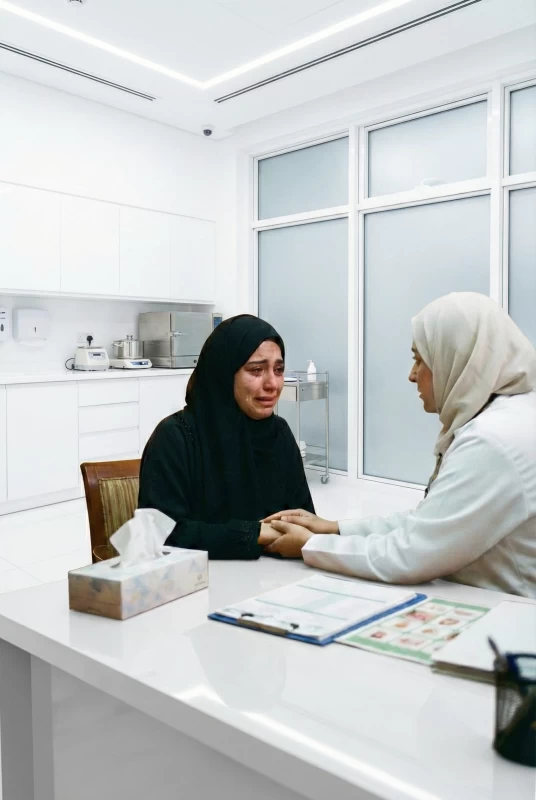
في جولة ميدانية لـ«عكاظ» داخل إحدى العيادات، التي تروّج لما يسمى «علاج الصدمات بالبكاء»، تبيّن أن الجلسات تقوم على طقوس جسدية وتمارين تنفس تأملي تُقدَّم بديلاً عن العلاج النفسي الحقيقي، مع ترك «الجسد يحرّر ما يشاء» دون أي تشخيص أو تقييم مهني.
وتُعرف هذه الجلسات شعبياً باسم «جلسات البكاء» أو «التفريغ العاطفي»، وتُقدَّم كطريق مختصر للتعافي من التجارب المؤلمة، رغم افتقارها لأي أساس علمي معتمد.
تحقيق «عكاظ» يكشف مخاطر نفسية ومهنية تحيط بهذه الممارسات، خصوصاً أنها تستهدف أشخاصاً في حالة هشاشة، ما يحوّل معاناتهم إلى فرصة ربحية في غياب الرقابة والمعايير العلمية.
ويحذّر مختصون في علم النفس والاجتماع من خطورة تحويل الألم الإنساني إلى «سلعة» تُباع وتُشترى، مؤكدين أن هذا النهج يفتح الباب أمام ممارسات تفتقر إلى المهنية، وتتجاوزها إلى ما هو غير أخلاقي، خصوصاً عندما تُقدَّم في قالب وعود بالشفاء التام تستهدف أشخاصاً يمرّون بأضعف لحظاتهم.
وطبقاً للخبراء، لا تُعد هذه الجلسات علاجاً؛ لأنها بلا أي معنى علمي، بل تقوم على استثمار المعاناة وتحويلها إلى مصدر ربح، في ظل غياب الرقابة والمعايير التي يفترض أن تحمي الأفراد من الوقوع في فخ «العلاج الزائف».
العلاج بـ «الصدمة»!
«عكاظ» طرحت الأمر على مختصين في علم النفس والاجتماع، فأكدوا أن تحويل الألم الإنساني إلى «منتج» قابل للبيع قد يفتح الباب أمام ممارسات غير مهنية، خصوصاً حين تُغلف بوعود شفاء مطلقة تستهدف أشخاصاً في لحظات ضعف.
وراوحت آراء الجمهور بين الرفض التام لفكرة جلسات البكاء وبين القبول، وترى الدكتورة ظافرة القحطاني أن البكاء هو وسيلة للتفريغ النفسي ومريح للقلب. فيما رأت فاطمة الزهراني أن المنصات التي تدعي علاج الصدمات مجرد استغلال لحاجة الناس تحت مسمى العلاج.
فيما أكد الأخصائي الاجتماعي الدكتور ماجد مطر الهذلي، أن البكاء والتفريغ العاطفي ليسا علاجاً نفسياً، فهما استجابتان طبيعيتان قد تمنحان شعوراً بالارتياح، ولا يعالجان الصدمة بمعناها العلاجي، فالعلاج المعتمد للصدمة يستند إلى تدخلات منظمة مثل العلاج المعرفي السلوكي الموجّه للصدمة أو علاج EMDR، وهي نماذج تتضمن تقييماً تشخيصياً دقيقاً، وتنظيماً للانفعالات، ومعالجة تدريجية للذكريات الصدمية تحت إشراف مختص مرخّص.
ويشير الهذلي إلى أن الإشكال لا يكمن في التعبير عن المشاعر، بل في تقديم التفريغ العاطفي علاجاً شافياً دون إطار علمي. فالأبحاث تُظهر أن التدخلات غير المنظمة، التي تعتمد على استدعاء المشاعر أو سرد الصدمة دون أدوات احتواء أو إشراف مهني، قد تُعيد تنشيط التجربة الصدمية وتزيد من حدّة الأعراض مثل القلق والاكتئاب والكوابيس، بدل أن تخففها.
انفعال لحظي
وفي رأي الهذلي، تزداد المخاطر عندما تُقدَّم هذه الجلسات من غير مختصين، إذ يغيب التقييم العلمي، وتُهمل الاضطرابات المصاحبة وعوامل الخطورة مثل الاكتئاب الشديد أو الأفكار الانتحارية، فضلاً عن غياب خطط المتابعة أو إدارة الحالات الطارئة. وفي مثل هذه الظروف، قد تتحول الجلسة من ممارسة غير مفيدة إلى ممارسة ضارة تؤخر الوصول إلى علاج فعّال.
ومن منظور آخر، يرى الهذلي أن تسويق هذه الجلسات بوعود الشفاء وبأسعار مبالغ فيها، يُعد استغلالاً لمعاناة الأفراد، مؤكداً أن العلاج النفسي الحقيقي يُقاس بقدرته على إحداث تغيير مستدام قائم على العلم والمسؤولية المهنية، لا على الانفعال اللحظي.
ويختتم قائلاً: إن جلسات البكاء قد تمنح راحة مؤقتة، لكنها ليست علاجاً معتمداً للصدمة، وأن أي ممارسة تتجاوز الأطر العلمية والأخلاقية تبقى خارج حدود العلاج النفسي المسؤول.
فتح المشاعر العميقة
من زاوية اجتماعية تشير الأخصائية الاجتماعية الدكتورة لطيفة الحمد، إلى أن انتشار جلسات «التخلص من الصدمات» عبر التفريغ العاطفي يعكس حاجة إنسانية للتعبير، لكن الخطورة تبدأ عندما يُقدَّم هذا الأسلوب على أنه علاج نفسي، فالتفريغ العاطفي قد يكون أداة مساندة ضمن تدخل علاجي متكامل، لكنه لا يعالج الصدمة ولا يعيد تنظيم التجربة النفسية كما تفعل العلاجات المتخصصة، فالفرق الجوهري أن العلاج المهني يقوم على الفهم وإعادة البناء ودمج التجربة، بينما يظل التفريغ مجرد تخفيف مؤقت للتوتر.
وتوضِّح مخاطر هذا العلاج قائلة: تتمثّل الخطورة في فتح مشاعر عميقة دون أدوات احتواء، مما قد يُعيد تنشيط الصدمة. كما يؤدي غياب التقييم المهني إلى الخلط بين الحزن الطبيعي واضطرابات الصدمة أو التفكك، وقد يخلق اعتماداً نفسياً على راحة مؤقتة تؤخر العلاج الحقيقي.
وترى الدكتورة الحمد أن تسويق هذا العلاج مقابل مبالغ مالية في كثير من الآحيان يُعد استغلالاً، خصوصاً عندما تُسوَّق الجلسات بوعود شفاء غير مبنية على دليل، مما يحوّل الألم الإنساني إلى سلعة ويستغل هشاشة الأفراد.
وتضيف قائلة: تسهم هذه الظاهرة في نشر ثقافة الحلول السريعة غير العلمية، وتوسيع دائرة الممارسات غير المهنية، واختزال المعاناة في مسؤولية فردية بدل النظر إلى أبعادها النفسية والاجتماعية.
تفريغ عاطفي
تدعو الأخصائية الاجتماعية الدكتورة لطيفة الحمد إلى وضع التفريغ العاطفي في سياقه الصحيح من خلال: عدم تقديمه علاجاً مستقلاً، وتعزيز الوعي بالفرق بين الدعم النفسي-الاجتماعي والعلاج المتخصص، والتأكيد على دور الأسرة والمجتمع داعماً لا بديلاً عن المختص، وإحالة الحالات الصدمية إلى مختصين مرخّصين.
وتؤكد، أن الدعم الاجتماعي عنصر مهم، لكنه ليس علاجاً، بل جزء من منظومة تدخل مهني متكامل.
وتضيف الأخصائية الاجتماعية شماء محمد الدوسري لـ«عكاظ»: إن جلسات البكاء والتفريغ العاطفي تُعد مكملة للعلاج لبعض الحالات النفسية، إذ تساعد «المريض» على التخلص من الضغط والتوتر الذي يعيق استقرار حالته النفسية، إلا أنها لا تُعد علاجاً نهائياً، ولا يمكن الاعتماد عليها بشكل كلي، بل يجب أن تكون جزءاً من العملية العلاجية.
وتوضح المخاطر النفسية المحتملة عند تقديم هذه الجلسات من غير مختصين أنها مخاطر كثيرة من بينها سوء الحالة أو بطء التعافي، أو فقدان الثقة بالآخرين. كما قد ينعكس ذلك مجتمعياً بزيادة عدد الأشخاص الذين يعانون من اضطرابات نفسية، وما يترتب على ذلك من سلوكيات قد تؤدي إلى تفكك أواصر الأسرة والمجتمع.
وتشير إلى استغلال البعض، فواجب الأخصائيين النفسيين والاجتماعيين العمل بروح إنسانية لا بدافع مادي، وعدم استغلال الأشخاص الذين يمرون بظروف نفسية صعبة، بل مساندتهم وإرشادهم لطريق التعافي بوصفه رسالة مهنية وأخلاقية.
انتهاك أخلاقي واضح
الأخصائي الاجتماعي عبدالمحسن الحنّان يرى أن البكاء والتفريغ العاطفي أو ما يسمى بالتعبير العاطفي، قد يعد أداة مساعدة ضمن العملية العلاجية، لكنه ليس علاجاً بحد ذاته. مؤكداً أن هذا الأسلوب له تأثير مؤقت، ولا يمكن الاعتماد عليه مساراً علاجياً مستقلاً.
ويضيف: العلاج النفسي الحقيقي يجب أن يتم تحت إشراف مختص قادر على فهم سلوك الفرد وتحليل أسباب الصدمة ودراسة أنماط التفكير والعمل على تصحيحها بأساليب علمية معتمدة.
ويحذّر الأخصائي الاجتماعي الحنّان من المخاطر التي قد تنجم عن تقديم هذه الجلسات من قبل غير المختصين، موضحاً أن من أبرزها احتمالية التعرض لنوبات هلع مع غياب القدرة على التعامل معها بشكل مهني، إضافة إلى عدم وجود احتواء نفسي آمن أثناء إدارة الجلسات أو بعدها، وقد يقع بعض المشاركين في فخ الاعتماد العاطفي على هذه الجلسات معتقدين أنهم يتحسنون، بينما يكون التحسن وهمياً ومؤقتاً، بل إن البعض يقدم وعوداً بالشفاء التام، وهو ما يعد تضليلاً يتنافى مع الأسس العلمية للعلاج النفسي. موضحاً أن التعامل الخاطئ مع الصدمات دون توجيه علاجي سليم قد يؤدي إلى تفاقم الحالة النفسية وزيادة مستويات القلق والاكتئاب بدلاً من تخفيفها. مؤكداً أن استغلال الأشخاص الذين يمرون بصدمات نفسية يعد انتهاكاً أخلاقياً واضحاً، فالمتألم يكون في أشد الحاجة للاحتواء والدعم الحقيقي لا لبيع شعور مريح مؤقت يفتقر إلى المسؤولية المهنية.
واختتم الحنّان حديثه بالتأكيد على أن الممارسة النفسية والاجتماعية يجب أن ترتكز على الصدق العلمي ووضوح الحدود في التعامل والعلاج؛ لذلك من الضروري التوعية بالفارق بين الدعم النفسي المؤقت والعلاج المتخصص القائم على أسس علمية معتمدة.
البكاء مفيد.. لكن!
أوضحت الأخصائية النفسية الإكلينيكية مرام الراشد، أن ما يعرف بـ«جلسات البكاء» لا تمت للعلاج النفسي بصلة، إذ تقوم على حضور شخص واحد ودفع مبلغ مالي مقابل البكاء فقط. وأكدت أنه لا يوجد علاج نفسي يرتكز على جلسة بكاء واحدة، وأن البكاء لا يحقق أهداف العلاج النفسي التي تشمل رفع الوعي وتغيير السلوك وتنظيم المشاعر. وأضافت أن البكاء يمنح راحة مؤقتة فقط، بينما يعود الألم لغياب معالجة جذور المشكلة.
وبيّنت الراشد أن البكاء يكون مفيداً فقط ضمن علاقة علاجية مهنية قائمة على الثقة، وأن نسبته في العلاج لا تتجاوز 21%؛ وفق معايير منظمات علم النفس الأمريكية والبريطانية. كما حذّرت من أن هذه الجلسات قد تسبب صدمة إضافية للمراجع وشعوراً بالخزي، مؤكدة أهمية وعي المجتمع بالفرق بين التفريغ المؤقت والعلاج الحقيقي.
الجائحة هي السبب
البروفيسور في الطب النفسي الإكلينيكي الدكتور جمال الطويرقي، يوضح أن العلاج النفسي عن بُعد عبر تطبيقات الاتصال المرئي يمثّل إشكالية معقدة، وقد كان محور نقاش في مؤتمر طبي بجامعة هارفرد في بوسطن. وكشف أن جهات أمريكية مختصة؛ من بينها هيئة الغذاء والدواء والكلية الأمريكية المعنية، رصدت ممارسات علاجية يقدمها أشخاص غير مؤهلين، بل إن بعضهم يخضع للمساءلة؛ بسبب سوء الممارسة المهنية.
وأشار الطويرقي إلى أن جائحة كورونا أسهمت في انتشار هذا النوع من العلاج، إذ بات كثير من المرضى يتلقون جلسات سلوكية عبر الهاتف من معالجين في دول مختلفة، رغم غياب الرقابة. وأكد أن الدراسات أثبتت أن هذه الممارسات قد تفاقم الحالة النفسية وتؤدي إلى نتائج خطيرة مثل الانتحار أو الطلاق أو فقدان الوظيفة. وشدد على ضرورة تحري المصداقية عبر المواقع الرسمية التي تتيح التحقق من رخص الممارسين، محذراً من أساليب علاجية لا تستند إلى أي أساس علمي.
تجارب مبالغ فيها
الإعلامي فواز المالحي يرى أن الإعلانات المروجة لهذه الجلسات تنتشر عبر منصات التواصل الاجتماعي، وتستند غالباً إلى تجارب مبالغ فيها؛ بهدف تحقيق مكاسب مالية بعيداً عن أي معايير مهنية. ويؤكد أن الفضول يدفع كثيرين لخوض هذه التجارب دون إدراك لطبيعتها أو تبعاتها، ما يبرز الدور المحوري للإعلام في التوعية. ويشير مختصون إلى أن التفريغ العاطفي اللحظي يختلف جذرياً عن بروتوكولات علاج الصدمات المعتمدة علمياً، فالعلاج النفسي عملية تراكمية تتطلب تشخيصاً دقيقاً وخطة علاجية واضحة، ولا يمكن اختزالها في جلسة واحدة أو وعود بالشفاء السريع. ويؤكد المالحي ضرورة استضافة مختصين معتمدين لتوضيح هذه الفروق للجمهور، إضافة إلى دور الإعلام في تتبع الحسابات المخالفة والتبليغ عنها للجهات المختصة.
كما يبرز دور الإعلام في توعية الجمهور بطرق التحقق من هوية المعالج، مثل التأكد من رخصة مزاولة المهنة والانتماء لجهة رسمية، والتمييز بين الدراسة الأكاديمية والدورات القصيرة غير المؤهلة.
كشف الممارسات المضللة
تشير معلومات، حصلت عليها «عكاظ»، إلى أن أسعار هذه الجلسات تراوح بين 650 و1,400 ريال، ما يثير تساؤلات حول استغلال حاجة الناس النفسية في ظل ضعف الرقابة على المحتوى الإعلاني.
وفي السياق ذاته، يرى الإعلامي جيلاني الشمراني أن الإعلام يتحمّل مسؤولية متزايدة في التعامل مع الظواهر التي تمس وعي المجتمع، خصوصاً عندما تُقدَّم ممارسات تحت عناوين جذابة ووعود كبيرة تستغل مشاعر الناس. ويشير إلى أن المحتوى المنتشر عبر المقاطع القصيرة يعتمد على الإثارة أكثر من المصداقية، ما يجعل الجمهور عرضة للتأثر. ويؤكد أن المسؤولية مشتركة بين المؤسسات الإعلامية والكتّاب والمتخصصين والأسرة، مع ضرورة ضبط الإعلانات والمحتوى المضلل حمايةً للمجتمع.
ويخلص قائلاً: على منصات الإعلام الجديد ألّا تكتفي بنقل الأخبار، بل عليها أداء دور وقائي من خلال التحقيقات الاستقصائية، التي تكشف الممارسات المضللة. فالإعلام يشكل خط الدفاع الأول لحماية المجتمع نفسياً عبر كشف قصص المتضررين من هذه الجلسات العشوائية.
A wave of sessions marketed under the name "trauma release" has spread, but an investigation by "Okaz" reveals that what is actually happening is a commercial exploitation that offers illusion in the guise of treatment.
These sessions, which have begun to appear in private clinics and on social media platforms, rely on vague phrases such as "releasing trapped pain" and "discharging energies," with sessions sold at exorbitant prices reaching up to 590 riyals per hour, despite being practiced outside any scientific framework or professional supervision, and offered by individuals who lack accredited therapeutic qualifications.
In a field tour by "Okaz" inside one of the clinics promoting what is called "trauma therapy through crying," it became clear that the sessions are based on physical rituals and meditative breathing exercises presented as an alternative to real psychological therapy, allowing "the body to release whatever it wants" without any diagnosis or professional assessment.
These sessions are popularly known as "crying sessions" or "emotional discharge," and are presented as a shortcut to recovery from painful experiences, despite lacking any established scientific basis.
The investigation by "Okaz" reveals psychological and professional risks surrounding these practices, especially as they target individuals in vulnerable states, turning their suffering into a profit opportunity in the absence of oversight and scientific standards.
Psychology and sociology specialists warn against the danger of turning human pain into a "commodity" that is bought and sold, emphasizing that this approach opens the door to unprofessional practices, crossing into the unethical, especially when presented in the form of promises of complete healing targeting individuals going through their weakest moments.
According to experts, these sessions do not constitute treatment; they lack any scientific meaning and instead capitalize on suffering, turning it into a source of profit, amidst the absence of oversight and standards that should protect individuals from falling into the trap of "false therapy."
Treatment through "Shock"!
"Okaz" raised the issue with specialists in psychology and sociology, who confirmed that turning human pain into a "product" that can be sold may open the door to unprofessional practices, especially when wrapped in absolute healing promises targeting individuals in moments of weakness.
Public opinions ranged from complete rejection of the idea of crying sessions to acceptance, with Dr. Dhafra Al-Qahtani viewing crying as a means of psychological release and comforting to the heart. Meanwhile, Fatima Al-Zahrani believes that platforms claiming to treat trauma are merely exploiting people's needs under the guise of therapy.
Social specialist Dr. Majid Matar Al-Hadhli confirmed that crying and emotional discharge are not psychological treatments; they are natural responses that may provide a sense of relief but do not treat trauma in its therapeutic sense. The recognized treatment for trauma relies on organized interventions such as trauma-focused cognitive behavioral therapy or EMDR therapy, which involve precise diagnostic assessment, emotional regulation, and gradual processing of traumatic memories under the supervision of a licensed specialist.
Al-Hadhli points out that the issue does not lie in expressing emotions, but in presenting emotional discharge as a curative treatment without a scientific framework. Research shows that unstructured interventions, which rely on evoking emotions or recounting trauma without containment tools or professional supervision, may reactivate the traumatic experience and intensify symptoms such as anxiety, depression, and nightmares, rather than alleviate them.
Momentary Emotion
In Al-Hadhli's opinion, the risks increase when these sessions are offered by non-specialists, as scientific evaluation is absent, and accompanying disorders and risk factors such as severe depression or suicidal thoughts are neglected, in addition to the lack of follow-up plans or emergency case management. Under such circumstances, a session may shift from a non-beneficial practice to a harmful one that delays access to effective treatment.
From another perspective, Al-Hadhli sees marketing these sessions with promises of healing at inflated prices as an exploitation of individuals' suffering, emphasizing that real psychological treatment is measured by its ability to bring about sustainable change based on science and professional responsibility, not on momentary emotion.
He concludes by stating that crying sessions may provide temporary relief, but they are not an approved treatment for trauma, and any practice that exceeds scientific and ethical frameworks remains outside the bounds of responsible psychological treatment.
Opening Deep Emotions
From a social perspective, social specialist Dr. Latifa Al-Hamad points out that the spread of "trauma release" sessions through emotional discharge reflects a human need for expression, but the danger begins when this method is presented as psychological treatment. Emotional discharge may be a supportive tool within a comprehensive therapeutic intervention, but it does not treat trauma or reorganize the psychological experience as specialized therapies do. The fundamental difference is that professional treatment is based on understanding, reconstruction, and integration of the experience, while discharge remains merely a temporary relief of tension.
She clarifies the risks of this treatment by stating: the danger lies in opening deep emotions without containment tools, which may reactivate the trauma. The absence of professional evaluation may lead to confusion between normal sadness and trauma or dissociation disorders, and may create a psychological dependence on temporary relief that delays real treatment.
Dr. Al-Hamad believes that marketing this treatment for financial amounts in many cases constitutes exploitation, especially when sessions are marketed with healing promises not based on evidence, turning human pain into a commodity and exploiting individuals' vulnerability.
She adds: This phenomenon contributes to spreading a culture of quick, unscientific solutions, expanding the circle of unprofessional practices, and reducing suffering to individual responsibility instead of considering its psychological and social dimensions.
Emotional Discharge
Social specialist Dr. Latifa Al-Hamad calls for placing emotional discharge in its correct context by: not presenting it as an independent treatment, enhancing awareness of the difference between psychosocial support and specialized treatment, emphasizing the role of family and community as supportive rather than a substitute for specialists, and referring traumatic cases to licensed specialists.
She emphasizes that social support is an important element, but it is not treatment; rather, it is part of a comprehensive professional intervention system.
Social specialist Shamaa Mohammed Al-Dosari adds to "Okaz": Crying sessions and emotional discharge are considered complementary to treatment for some psychological cases, as they help the "patient" relieve the pressure and tension that hinder the stability of their psychological state, but they are not a definitive treatment and cannot be relied upon entirely; they should be part of the therapeutic process.
She clarifies the potential psychological risks when these sessions are offered by non-specialists, stating that there are many risks, including worsening the condition or slowing recovery, or losing trust in others. This may also reflect socially by increasing the number of individuals suffering from psychological disorders, leading to behaviors that may result in the disintegration of family and community ties.
She points to the exploitation by some, stating that it is the duty of psychological and social specialists to work with a humanitarian spirit, not for financial gain, and not to exploit individuals going through difficult psychological circumstances, but to support and guide them toward the path of recovery as a professional and ethical message.
Clear Ethical Violation
Social specialist Abdul Mohsen Al-Hannan sees that crying and emotional discharge, or what is called emotional expression, may be a supportive tool within the therapeutic process, but it is not a treatment in itself. He emphasizes that this method has a temporary effect and cannot be relied upon as an independent therapeutic path.
He adds: Real psychological treatment must be conducted under the supervision of a specialist capable of understanding the individual's behavior, analyzing the causes of trauma, and studying thought patterns to correct them using accredited scientific methods.
Social specialist Al-Hannan warns of the risks that may arise from offering these sessions by non-specialists, explaining that among the most prominent risks is the possibility of experiencing panic attacks without the ability to handle them professionally, in addition to the lack of safe psychological containment during or after the sessions. Some participants may fall into the trap of emotional dependence on these sessions, believing they are improving, while the improvement is illusory and temporary. Moreover, some may make promises of complete healing, which is misleading and contradicts the scientific foundations of psychological treatment. He explains that mishandling trauma without proper therapeutic guidance may exacerbate the psychological condition and increase levels of anxiety and depression instead of alleviating them. He emphasizes that exploiting individuals who are undergoing psychological trauma constitutes a clear ethical violation, as those in pain are in dire need of genuine support and containment, not a sale of a temporary comforting feeling that lacks professional responsibility.
Al-Hannan concludes his remarks by emphasizing that psychological and social practices must be based on scientific honesty and clear boundaries in dealing and treatment; therefore, it is essential to raise awareness of the difference between temporary psychological support and specialized treatment based on accredited scientific foundations.
Crying is Beneficial.. But!
Clinical psychologist Maram Al-Rashed clarifies that what is known as "crying sessions" has no relation to psychological treatment, as it involves the presence of one person and paying a fee just to cry. She confirmed that there is no psychological treatment based on a single crying session, and that crying does not achieve the goals of psychological treatment, which include raising awareness, changing behavior, and regulating emotions. She added that crying only provides temporary relief, while the pain returns due to the absence of addressing the roots of the problem.
Al-Rashed indicated that crying is only beneficial within a professional therapeutic relationship based on trust, and that its contribution to treatment does not exceed 21% according to the standards of American and British psychological organizations. She also warned that these sessions may cause additional trauma to the client and feelings of shame, emphasizing the importance of community awareness of the difference between temporary discharge and real treatment.
The Pandemic is the Cause
Professor of clinical psychiatry Dr. Jamal Al-Tuwairqi explains that remote psychological treatment via video communication applications represents a complex issue and was the focus of discussion at a medical conference at Harvard University in Boston. He revealed that American agencies, including the Food and Drug Administration and the relevant American college, have monitored therapeutic practices offered by unqualified individuals, and that some are being held accountable for poor professional practice.
Al-Tuwairqi pointed out that the COVID-19 pandemic contributed to the spread of this type of treatment, as many patients began receiving behavioral sessions over the phone from therapists in different countries, despite the absence of oversight. He confirmed that studies have shown that these practices may exacerbate the psychological condition and lead to serious outcomes such as suicide, divorce, or job loss. He stressed the necessity of verifying credibility through official websites that allow checking the licenses of practitioners, warning against therapeutic methods that are not based on any scientific foundation.
Exaggerated Experiences
Media personality Fawaz Al-Malhi sees that advertisements promoting these sessions spread across social media platforms, often relying on exaggerated experiences to achieve financial gains away from any professional standards. He affirms that curiosity drives many to engage in these experiences without understanding their nature or consequences, highlighting the media's pivotal role in raising awareness. Specialists point out that momentary emotional discharge is fundamentally different from scientifically recognized trauma treatment protocols, as psychological treatment is a cumulative process that requires precise diagnosis and a clear treatment plan, and cannot be reduced to a single session or promises of quick healing. Al-Malhi emphasizes the necessity of hosting accredited specialists to clarify these differences to the public, in addition to the media's role in tracking and reporting non-compliant accounts to the relevant authorities.
He also highlights the media's role in educating the public on how to verify the identity of the therapist, such as ensuring the professional license and affiliation with an official body, and distinguishing between academic study and unqualified short courses.
Exposing Misleading Practices
Information obtained by "Okaz" indicates that the prices of these sessions range between 650 and 1,400 riyals, raising questions about the exploitation of people's psychological needs in light of weak oversight on advertising content.
In this context, media personality Jilani Al-Shamrani believes that the media bears an increasing responsibility in dealing with phenomena that affect community awareness, especially when practices are presented under attractive titles and grand promises that exploit people's emotions. He points out that the content spread through short clips relies more on sensationalism than credibility, making the audience susceptible to influence. He affirms that the responsibility is shared between media institutions, writers, specialists, and families, with the necessity of regulating advertisements and misleading content to protect society.
He concludes by stating: New media platforms should not only convey news but also play a preventive role through investigative journalism that exposes misleading practices. The media forms the first line of defense to protect society psychologically by revealing the stories of those harmed by these random sessions.