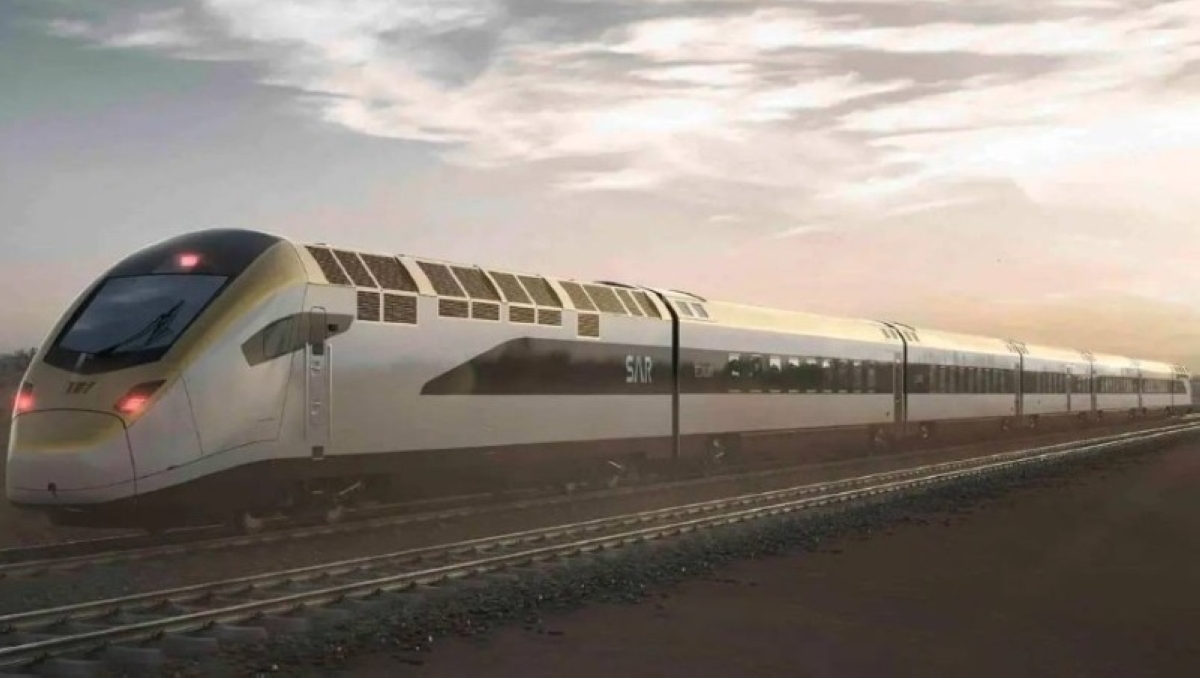
كشفت الهيئة العامة للنقل، اليوم (الأحد)، أن قطاع النقل بالقطارات في المملكة حقق رقمًا استثنائيًا خلال الربع الثالث من عام 2025م بعد أن سجل أكثر من 39 مليون راكب تنقلوا باستخدام القطارات.
قطاع النقل السككي
وأوضحت الهيئة أن قطاع النقل السككي بين المدن سجل أكثر من 2.7 مليون راكب تنقلوا عبر القطارات بين المدن، منهم 2.07 مليون راكب لقطار الحرمين السريع، و251 ألف راكب لشبكة قطار الشمال «سار»، و378 ألف راكب لقطار الشرق «سار»؛ مما يعكس الإقبال الكبير والمتزايد خلال الأشهر القليلة الماضية.
القطارات داخل المدن
وعلى صعيد القطارات داخل المدن، أظهرت الإحصائية التي نشرتها الهيئة، تسجيل أكثر من 36.3 مليون راكب تنقلوا باستخدام القطارات داخل المدن، إذ احتل قطار الرياض صدارة قائمة القطارات الأعلى في عدد الركاب بواقع أكثر من 25.2 مليون راكب، فيما سجل الناقل الآلي بمطار الملك عبدالعزيز الدولي في جدة أكثر من 10.2 مليون راكب، في حين بلغ عدد ركاب الناقل الآلي بجامعة الأميرة نورة بنت عبدالرحمن في الرياض أكثر من 967 ألف راكب.
وأشارت الهيئة العامة للنقل أن أكثر 4.09 مليون طن وأكثر من 227 ألف حاوية شُحنت عبر خطوط السكك الحديدية، مما يعكس الدور الحيوي للقطارات في دعم الاقتصاد السعودي والإسهام في تعزيز سلاسل الإمداد، لا سيما في قطاعات الصناعة والتعدين، وذلك ضمن إسهامها لتحقيق أهداف الإستراتيجية الوطنية للنقل والخدمات اللوجستية.
وتسهم حركة القطارات في تسهيل تنقلات الركاب، والبضائع، وتوفير وسائل نقل آمنة وملائمة؛ مما يسهم بدوره في تقليل نسب الانبعاثات الكربونية.
The General Transport Authority revealed today (Sunday) that the rail transport sector in the Kingdom achieved an exceptional figure during the third quarter of 2025, having recorded over 39 million passengers who traveled using trains.
Rail Transport Sector
The Authority clarified that the intercity rail transport sector recorded more than 2.7 million passengers who traveled via trains between cities, including 2.07 million passengers for the Haramain High-Speed Train, 251,000 passengers for the North Train Network "SAR," and 378,000 passengers for the East Train "SAR"; reflecting the significant and increasing demand over the past few months.
Urban Trains
Regarding urban trains, the statistics published by the Authority showed that more than 36.3 million passengers traveled using trains within cities, with the Riyadh Train leading the list of trains with the highest number of passengers, accounting for more than 25.2 million passengers, while the automated transport at King Abdulaziz International Airport in Jeddah recorded over 10.2 million passengers, and the number of passengers for the automated transport at Princess Nourah bint Abdulrahman University in Riyadh exceeded 967,000 passengers.
The General Transport Authority indicated that more than 4.09 million tons and over 227,000 containers were shipped via railway lines, reflecting the vital role of trains in supporting the Saudi economy and contributing to enhancing supply chains, especially in the industrial and mining sectors, as part of its contribution to achieving the goals of the National Transport and Logistics Strategy.
The movement of trains facilitates the transportation of passengers and goods, providing safe and suitable means of transport; which in turn contributes to reducing carbon emissions.