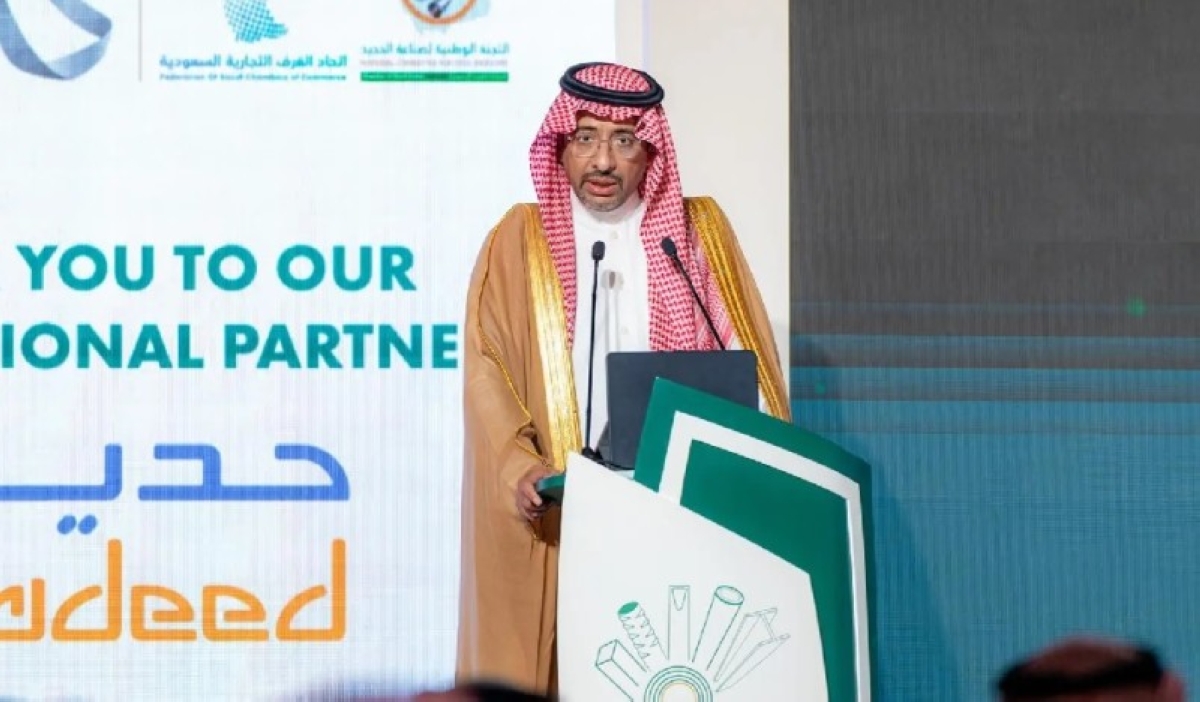
أكد وزير الصناعة والثروة المعدنية بندر بن إبراهيم الخريّف، التطوّر الذي يشهده قطاع الحديد في المملكة، والفرص الاستثمارية الواعدة التي يتيحها في سبعة منتجات مستهدفة، تتجاوز قيمتها (60) مليار ريال.
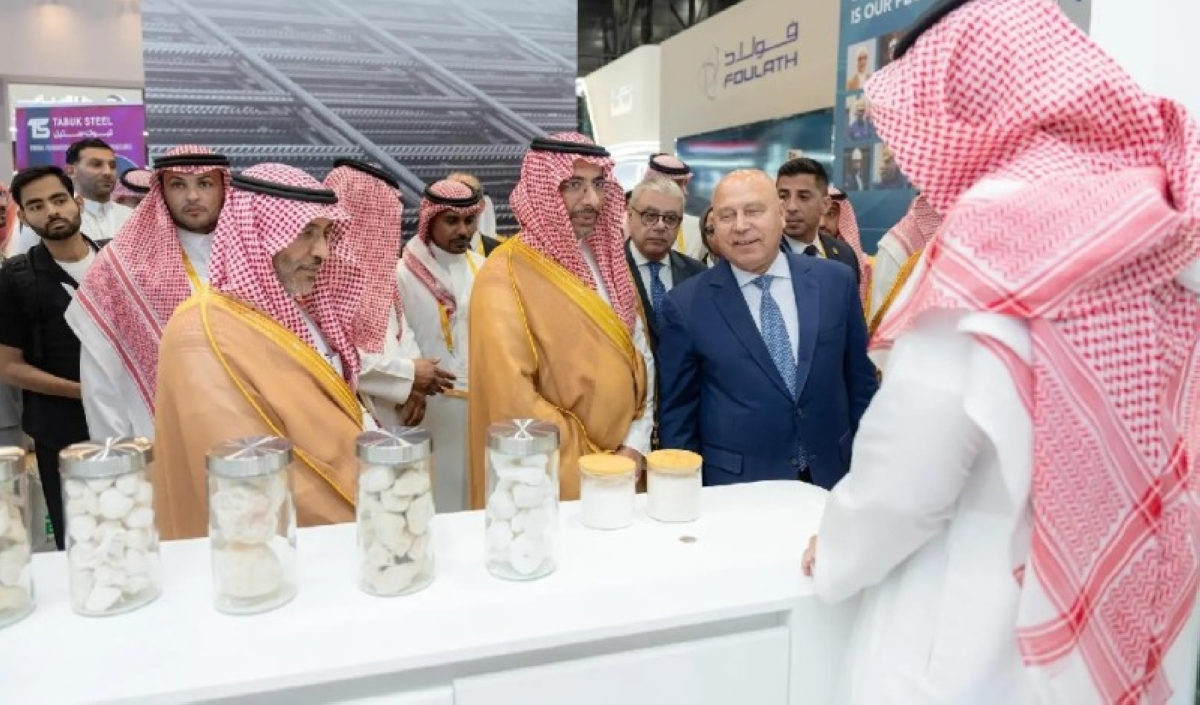
جاء ذلك في كلمته ضمن أعمال المؤتمر السعودي الدولي الثالث للحديد والصلب في الرياض، الذي عقد بحضور نائب رئيس مجلس الوزراء للتنمية الصناعية وزير الصناعة والنقل في جمهورية مصر العربية الفريق كامل الوزير، وعددٍ من قيادات منظومة الصناعة والتعدين، ونخبة من صناع القرار والمستثمرين المحليين والعالميين في قطاع الحديد والصلب.
وأوضح الخريّف أن رؤية المملكة 2030 رسمت مسارا واضحا يركز على تنويع الاقتصاد، وتطوير القاعدة الإنتاجية، ورفع مساهمة القطاع الخاص إلى (65%) من الناتج المحلي الإجمالي، إضافة إلى زيادة نسبة الصادرات غير النفطية إلى (50%) من الناتج المحلي غير النفطي، واستشعارا لأهمية قطاع الحديد في تحقيق تلك المستهدفات، صدرت الموافقة الكريمة في أغسطس 2024، على الخطة الوطنية لهيكلة قطاع الحديد لتكون خارطة الطريق لتطوير وتمكين هذا القطاع وضمان استدامته.
وأشار إلى الدراسة الشاملة التي أجراها «المركز الصناعي»، عن قطاع الحديد في المملكة، التي تضمنت تحليل السوق المحلي بما في ذلك معدلات الاستهلاك، وحجم الواردات، والمواصفات، وأكدت نتائجها جاذبية القطاع، وحاجته لمزيد من الاستثمارات النوعية التي تعزز قدراته التنافسية، منوها بتكليف المركز للعمل على تحديث الخطة الوطنية لهيكلة قطاع الحديد، إلى جانب مراجعة السياسات والأنظمة ذات العلاقة بتعزيز الاستدامة، وتحسين البيئة الاستثمارية.
وعلى صعيد متصل، شارك الخريّف، في جلسة وزارية عقدت خلال المؤتمر بعنوان: «تمكين توطين سلسلة قيمة الحديد لدعم نمو وتنويع الاقتصاد»، أكد خلالها أن تطوير قطاع الحديد في المملكة يرتكز على ثلاثة محاور رئيسية، أولها الطلب المتوقع في القطاعات ذات الأولوية، إذ تستهدف الإستراتيجية الوطنية للصناعة توطين صناعات واعدة منها الطاقة المتجددة، وصناعة مواد البناء، والسيارات وغيرها، ومن المتوقع أن تسهم في دفع الطلب على منتجات الحديد والصلب.
وقال: «يستند المحور الثاني إلى مقومات المملكة الإستراتيجية التي تجعلها وجهة واعدة للاستثمارات في قطاع الحديد والصلب، ومنها موقعها الجغرافي الرابط بين ثلاث قارات، وأسعار الطاقة التنافسية، إلى جانب بنيتها التحتية المتطورة، فيما يرتكز المحور الثالث على توجه المملكة نحو صناعة المعادن الخضراء، حيث تستهدف المملكة تطوير مزيج الطاقة، وتمكين الطاقة المتجددة لتسهم في توليد (50%) من مصادر الطاقة الكلية بحلول 2030».
ولفت الخريّف إلى أن المملكة تستورد (4) ملايين طن سنويا من خام الحديد، ومن المتوقع أن يصل إنتاجها من الحديد إلى (25) مليون طن بحلول عام 2035، منوها بعدة تحديات واجهها القطاع خلال السنوات الماضية، يبرز منها وجود فائض في إنتاج حديد التسليح، ومحدودية الطاقات الإنتاجية في المنتجات عالية القيمة، إلى جانب منافسة الواردات التي وصلت إلى ضعف الطاقة الإنتاجية المحلية من مسطحات الصلب.
وشهد المؤتمر الذي نظّمه اتحاد الغرف السعودية ممثلا في اللجنة الوطنية لصناعة الحديد، برعاية من وزارة الصناعة والثروة المعدنية، حضور رئيس الهيئة الملكية للجبيل وينبع المهندس خالد بن محمد السالم، ومساعد وزير الصناعة والثروة المعدنية للتخطيط والتطوير الدكتور عبدالله بن علي الأحمري، والرئيس التنفيذي للمركز الوطني للتنمية الصناعية المهندس صالح السلمي، وعدد من قيادات منظومة الصناعة والتعدين.
ويُعد المؤتمر السعودي الدولي الثالث للحديد والصلب 2025، الحدث الأبرز في القطاع بالمنطقة، وتستمر أعماله حتى 16 أكتوبر الجاري، ويجمع صناع القرار في القطاع، والخبراء، والتنفيذيين، إلى جانب ممثلين من أكثر من (35) دولة تحت سقف واحد، كما يستقطب كبرى الشركات العالمية، والاتحادات الصناعية، والمستثمرين، لمناقشة مستقبل قطاع الحديد والصلب.
Minister of Industry and Mineral Resources Bandar bin Ibrahim Al-Kharif confirmed the development witnessed by the iron sector in the Kingdom and the promising investment opportunities it offers in seven targeted products, with a value exceeding (60) billion riyals.
This was stated in his speech during the proceedings of the Third Saudi International Conference for Iron and Steel in Riyadh, which was attended by the Deputy Prime Minister for Industrial Development, Minister of Industry and Transport of the Arab Republic of Egypt, Lieutenant General Kamel Al-Wazir, along with several leaders from the industrial and mining sectors, and a select group of decision-makers and local and global investors in the iron and steel sector.
Al-Kharif explained that the Kingdom's Vision 2030 has drawn a clear path focusing on diversifying the economy, developing the production base, and raising the private sector's contribution to (65%) of the GDP, in addition to increasing the share of non-oil exports to (50%) of the non-oil GDP. In recognition of the importance of the iron sector in achieving these targets, a royal approval was issued in August 2024 for the national plan to restructure the iron sector, which will serve as a roadmap for developing and empowering this sector and ensuring its sustainability.
He pointed to the comprehensive study conducted by the "Industrial Center" on the iron sector in the Kingdom, which included an analysis of the local market, including consumption rates, import volumes, and specifications. Its results confirmed the sector's attractiveness and its need for more qualitative investments that enhance its competitive capabilities, noting the assignment of the center to work on updating the national plan for restructuring the iron sector, alongside reviewing policies and regulations related to enhancing sustainability and improving the investment environment.
In a related context, Al-Kharif participated in a ministerial session held during the conference titled: "Empowering the Localization of the Iron Value Chain to Support Economic Growth and Diversification," during which he emphasized that the development of the iron sector in the Kingdom is based on three main axes. The first is the expected demand in priority sectors, as the national industrial strategy aims to localize promising industries, including renewable energy, construction materials, automotive, and others, which are expected to drive demand for iron and steel products.
He stated: "The second axis is based on the Kingdom's strategic components that make it a promising destination for investments in the iron and steel sector, including its geographical location linking three continents, competitive energy prices, and advanced infrastructure. Meanwhile, the third axis focuses on the Kingdom's direction towards green metal production, as the Kingdom aims to develop its energy mix and enable renewable energy to contribute to generating (50%) of total energy sources by 2030."
Al-Kharif pointed out that the Kingdom imports (4) million tons of iron ore annually, and it is expected that its iron production will reach (25) million tons by 2035, noting several challenges faced by the sector over the past years, including an excess in rebar production, limited production capacities in high-value products, and competition from imports that have reached double the local production capacity of steel sheets.
The conference, organized by the Saudi Chambers Federation represented by the National Committee for Iron Industry, under the auspices of the Ministry of Industry and Mineral Resources, witnessed the presence of the Chairman of the Royal Commission for Jubail and Yanbu, Engineer Khalid bin Mohammed Al-Salem, the Assistant Minister of Industry and Mineral Resources for Planning and Development, Dr. Abdullah bin Ali Al-Ahmari, the CEO of the National Industrial Development Center, Engineer Saleh Al-Sulami, and several leaders from the industrial and mining sectors.
The Third Saudi International Conference for Iron and Steel 2025 is the most prominent event in the sector in the region, continuing its activities until October 16, and gathering decision-makers in the sector, experts, executives, alongside representatives from more than (35) countries under one roof. It also attracts major global companies, industrial federations, and investors to discuss the future of the iron and steel sector.