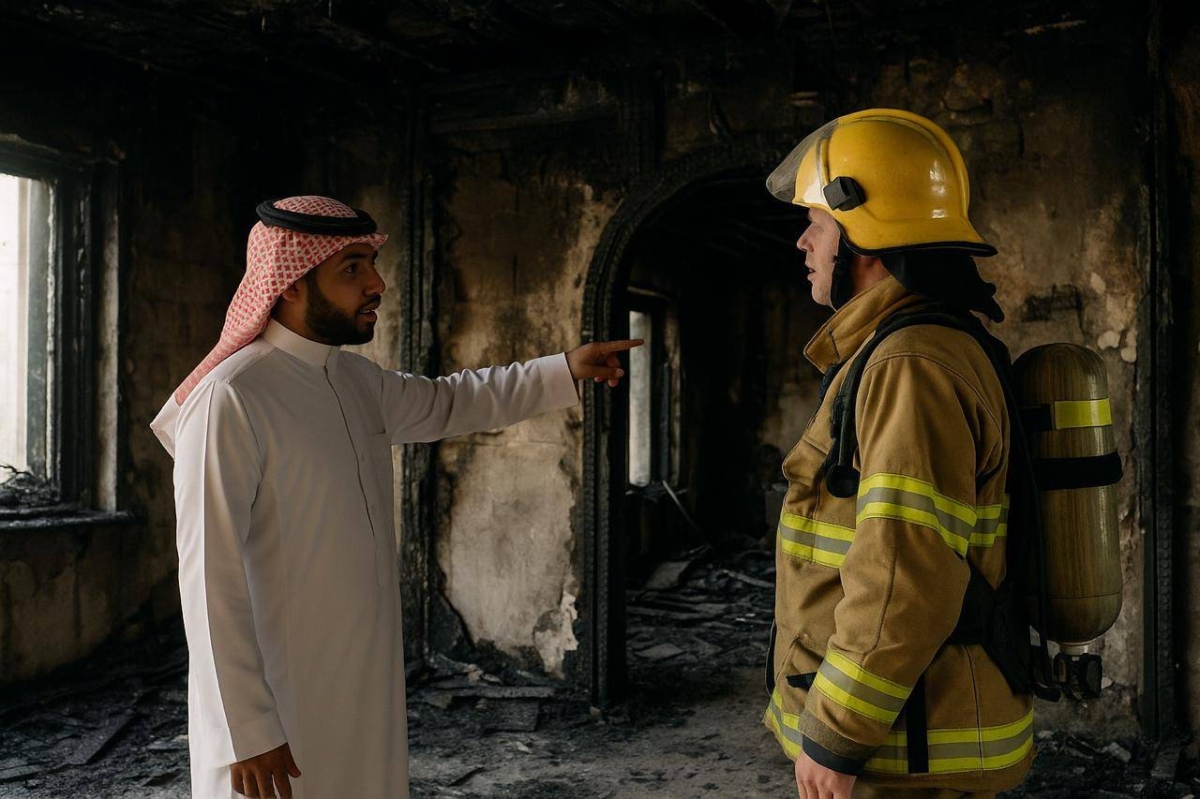
كشفت المادة السابعة من اللائحة التنفيذية لتنظيم الدعم السكني المعدلة ضوابط دقيقة تتعلق بامتلاك الأسرة مسكناً مناسباً، حيث تشترط ألا يكون المتقدم أو أي فرد من أسرته مالكاً لمسكن صالح وقت تقديم طلب الدعم وحتى توقيع العقد. كما نصت المادة على عدم أحقية الدعم لمن سبق له التملك خلال السنة السابقة لتاريخ تقديم الطلب، باستثناء الحالات التي يثبت فيها فقدان المسكن نتيجة قوة قاهرة مثل السيول أو الحرائق.
تعريف المسكن:
المادة حددت مفهوم المسكن المناسب باعتباره وحدة سكنية تتوافر فيها معايير أساسية أبرزها أن تكون مبنية من الخرسانة المسلحة أو ما يعادلها، وأن تكون صالحة للاستخدام السكني دون تهديد للسلامة الإنشائية. هذه المواصفات تضع معياراً موضوعياً لقياس أهلية الأسرة، وتمنع التلاعب في تقديم الطلبات.
القوة القاهرة وآليات الإثبات:
المحامي سلمان الرمالي أوضح أن النص على القوة القاهرة، مثل السيول أو الحرائق، يُعد مدخلاً قانونياً عادلاً لحماية الأسر التي فقدت مساكنها خارج إرادتها. وأشار إلى أن إثبات هذه الحالات يتم عبر محاضر رسمية من الدفاع المدني، أو تقارير الجهات المختصة في البلديات والمحاكم، وهو ما يضمن عدم استغلال الاستثناء بصورة غير نظامية.
الأسر الأكثر احتياجاً:
المادة السابعة تسهم في توجيه الدعم نحو الأسر الأكثر احتياجاً، وتغلق الباب أمام الأسر التي تمتلك مساكن صالحة أو تملك عقارات مؤهلة. كما أن إدخال عنصر «القوة القاهرة» يعزز العدالة الاجتماعية ويحافظ على مرونة النظام، بحيث لا تُحرم أسرة فقدت منزلها بفعل كارثة طبيعية من حقها في الدعم السكني.
The seventh article of the amended executive regulation for organizing housing support revealed precise controls regarding a family's ownership of suitable housing. It stipulates that neither the applicant nor any family member should own a suitable residence at the time of submitting the support application and until the contract is signed. The article also stated that support is not entitled to those who have previously owned a residence within the year preceding the application date, except in cases where the loss of housing is proven due to force majeure events such as floods or fires.
Definition of Housing:
The article defined the concept of suitable housing as a residential unit that meets basic criteria, the most notable of which is that it must be constructed of reinforced concrete or its equivalent, and must be suitable for residential use without threatening structural safety. These specifications set an objective standard for measuring the family's eligibility and prevent manipulation in submitting applications.
Force Majeure and Proof Mechanisms:
Lawyer Salman Al-Ramali explained that the mention of force majeure, such as floods or fires, serves as a fair legal entry point to protect families who lost their homes beyond their control. He pointed out that proving these cases is done through official reports from the civil defense, or reports from the relevant authorities in municipalities and courts, which ensures that the exception is not exploited in an unlawful manner.
Most Needy Families:
The seventh article contributes to directing support towards the most needy families and closes the door to families that own suitable housing or possess eligible properties. Additionally, the inclusion of the element of "force majeure" enhances social justice and maintains the flexibility of the system, ensuring that a family that lost its home due to a natural disaster is not deprived of its right to housing support.