في ظل تغيّرات لافتة يشهدها المشهد المالي في سورية، يبرز دخول تقنيات البلوكشين والويب 3 فرصةً فريدةً لإعادة وصل السوريين بالاقتصاد العالمي، بعد سنوات من العزلة والعقوبات.
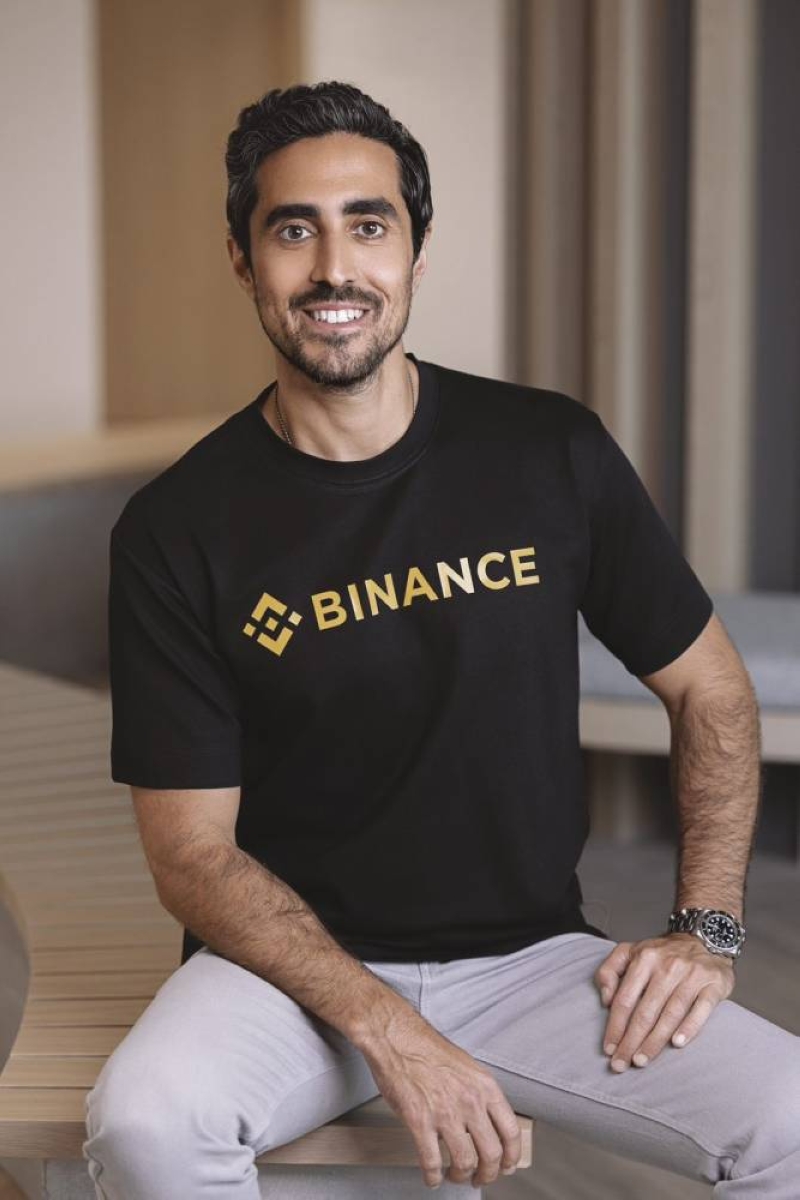
في هذا الحوار، يسلّط المدير الإقليمي لبينانس في منطقة الشرق الأوسط وشمال أفريقيا وتركيا بدر الكالوتي، الضوء على فرص وتحديات هذا التحوّل، والدور الذي يمكن أن تلعبه بينانس في دعم الأفراد والشركات ضمن بيئة اقتصادية تبحث عن بدائل حقيقية.
فرصة فريدة
• لماذا يعد الدخول إلى السوق السورية فرصة فريدة لحلول البلوكشين والويب 3؟
•• يبلغ عدد سكان سورية نحو 24 مليون نسمة، ولا يزال جزء كبير منهم يعتمد على المعاملات النقدية ويواجه صعوبات في الوصول إلى الخدمات المصرفية التقليدية. وقد وفّر هذا الواقع فرصة حقيقية لتقنيات البلوكشين ومنصات الويب 3 لتجاوز الأنظمة المالية التقليدية، خصوصاً بعد رفع العقوبات.
• هل يمكنك شرح تأثير العقوبات؟ وكيف تغيّر الوضع أخيراً؟
•• طوال أكثر من عقد، تسبّبت العقوبات في عزل سورية إلى حد كبير عن النظام المالي العالمي. فمنذ عام 2011، فُرضت قيود شملت حظر النفط وتجميد الأصول ومنع الصادرات، مما أدى إلى شلّ الاقتصاد بالكامل وصعوبة تحقيق أي فرص عبر الحدود. لكن الأمور بدأت تتغيّر أخيراً مع تعليق العقوبات الأمريكية، ومنح إعفاءات وتراخيص لبعض المعاملات المحدودة. وفي يوليو الماضي، صدر أمر تنفيذي أزال عدداً من القيود طويلة الأمد، مما منح السوريين فرصة حقيقية لإعادة التواصل مع الاقتصاد العالمي.
• ماذا يعني هذا المشهد المالي الجديد للسوريين؟
•• أصبح بإمكان السوريين اليوم الوصول إلى مئات الأصول الرقمية، والتداول الفوري والمستقبلي، إلى جانب منتجات الادخار والكسب والعملات المستقرة وخدمة "Binance Pay" للتحويلات عبر الحدود. ويمثل ذلك خطوة مهمة؛ لأنها تفتح المجال لشمول مالي أوسع ومشاركة حقيقية في النظام المالي العالمي بطرق لم تكن متاحة من قبل.
ريادة الأعمال
• ما الفوائد الأخرى التي يمكن أن تقدمها تقنيات البلوكشين للأفراد والشركات في سورية إلى جانب التحويلات المالية؟
•• تتجاوز الآثار المحتملة نطاق التحويلات المالية بكثير. إذ يمكن للشركات الصغيرة البدء في قبول المدفوعات الرقمية والارتباط بالأسواق الإقليمية والعالمية وتقليل الاعتماد على النقد والائتمان غير الرسمي. كما يمكن للمطورين الشباب والطلاب والمبدعين الوصول إلى منصات الويب 3، وتعلّم مهارات جديدة ومتابعة مسارات مهنية كانت بعيدة المنال في السابق. ونظراً لأن غالبية سكان سورية من الشباب، فقد تكون هذه الأدوات بمثابة شرارة تُشعل روح ريادة الأعمال والابتكار، وتعزز الارتباط باقتصاد المعرفة العالمي.
• ما مدى أهمية الثقة في تعزيز تبني هذه التقنيات؟
•• تُعد الثقة عنصراً أساسياً. ففي بلد فشلت فيه الأنظمة الرسمية مراراً في تلبية حاجات الناس، تُقدّم تقنيات البلوكشين بديلاً قائماً على الشفافية والاستقرار. وبالنسبة للسوريين، يعني ذلك أن المدخرات والتحويلات تتم بطريقة آمنة، ما يُشكّل أساساً قويّاً لتوسيع نطاق تبنّي التمويل غير المركزي.
• ما الدور الذي يلعبه التعليم في هذا التحوّل؟
•• يُعد التعليم والتوعية من العوامل الجوهرية. فالكثير من الناس ما زالوا حديثي العهد بتقنيات البلوكشين والويب 3، ويُشكّل بناء الثقة خطوة أساسية بالنسبة لهم. وتُساهم منصات مثل أكاديمية بينانس، التي تُقدّم أدوات تعليمية مجانية، بدور محوري في تشجيع اعتماد البلوكشين والحد من العقبات التي تمنع الدخول إلى هذا المجال.
• ماذا يُمثّل دخول بينانس إلى سورية، إضافةً إلى فرصة الدخول إلى سوق جديدة؟
•• هذه الخطوة هي أكثر من مجرّد خطوة توسعية. فوجود بينانس في سورية لا يقتصر على انضمام لاعب جديد إلى السوق، بل يُعبّر أيضاً عن الاعتراف بدور تقنيات البلوكشين جسراً لمن حُرموا سابقاً من الأنظمة المالية التقليدية. وفي بلد عانى طويلاً من العوائق الاقتصادية، تُعد هذه الخطوة أكثر من مجرد تقدم تقني، فهي تحمل دلالة عميقة تتجاوز حدود التكنولوجيا نفسها.
• كيف ترون تفاعل السوريين حتى الآن؟
•• لقد فاق مستوى التفاعل توقعاتنا. ومنذ انطلاق المنصة في سورية، شهدت أعداد التسجيل ارتفاعاً كبيراً بفضل خدمات التداول من نظير إلى نظير، وحلول الإيداع والسحب. كما ارتفعت أحجام التداول الشهرية بشكل ملحوظ، وسجّلت مبيعات "Fan Token" نمواً غير مسبوق. ولا تعبّر هذه الأرقام عن بيانات فحسب، بل تعكس شغف مجتمع ظلّ لسنوات ينتظر الفرصة المناسبة للدخول إلى عالم العملات الرقمية.
• ماذا عن المستقبل؟ وما أبرز التحديات والفرص المقبلة؟
•• يتطلّب الطريق إلى الأمام وقتاً وجهوداً مستمرة في مجالي التثقيف وبناء الثقة، لكننا وضعنا اللبنة الأولى. والأهم الآن هو المنفعة الفعلية في الحياة اليومية، أي توفير أدوات حقيقية تساعد الناس على التعامل مع التحديات المالية التي عجزت الأنظمة التقليدية عن معالجتها. فبالنسبة للسوريين، لا تُعد الأصول الرقمية مجرد أدوات استثمار، بل وسيلة لإعادة الارتباط بالاقتصاد العالمي. ورغم استمرار وجود بعض العقبات، إلا أن الأبواب التي فُتحت تمثل خطوة فارقة إلى الأمام.
In light of the notable changes in the financial landscape in Syria, the introduction of blockchain technologies and Web 3 presents a unique opportunity to reconnect Syrians with the global economy after years of isolation and sanctions.
In this interview, the regional director of Binance for the Middle East, North Africa, and Turkey, Badr Alkalouti, sheds light on the opportunities and challenges of this transformation, and the role that Binance can play in supporting individuals and businesses within an economic environment seeking real alternatives.
A Unique Opportunity
• Why is entering the Syrian market a unique opportunity for blockchain and Web 3 solutions?
•• Syria has a population of about 24 million, and a large portion of them still rely on cash transactions and face difficulties accessing traditional banking services. This reality has provided a genuine opportunity for blockchain technologies and Web 3 platforms to bypass traditional financial systems, especially after the lifting of sanctions.
• Can you explain the impact of sanctions? How has the situation changed recently?
•• For over a decade, sanctions have largely isolated Syria from the global financial system. Since 2011, restrictions including an oil embargo, asset freezes, and export bans have paralyzed the economy and made it difficult to achieve any cross-border opportunities. However, things have started to change recently with the suspension of U.S. sanctions and the granting of exemptions and licenses for certain limited transactions. Last July, an executive order removed several long-standing restrictions, giving Syrians a real opportunity to reconnect with the global economy.
• What does this new financial landscape mean for Syrians?
•• Syrians can now access hundreds of digital assets, engage in spot and futures trading, as well as savings and earning products, stablecoins, and the "Binance Pay" service for cross-border transfers. This represents an important step; it opens the door to broader financial inclusion and genuine participation in the global financial system in ways that were previously unavailable.
Entrepreneurship
• What other benefits can blockchain technologies offer individuals and businesses in Syria beyond financial transfers?
•• The potential impacts extend far beyond financial transfers. Small businesses can start accepting digital payments, connect with regional and global markets, and reduce reliance on cash and informal credit. Young developers, students, and creatives can access Web 3 platforms, learn new skills, and pursue career paths that were previously out of reach. Given that the majority of Syria's population is young, these tools could ignite a spirit of entrepreneurship and innovation, enhancing connections to the global knowledge economy.
• How important is trust in promoting the adoption of these technologies?
•• Trust is a fundamental element. In a country where official systems have repeatedly failed to meet people's needs, blockchain technologies offer an alternative based on transparency and stability. For Syrians, this means that savings and transfers are conducted securely, providing a strong foundation for expanding the adoption of decentralized finance.
• What role does education play in this transformation?
•• Education and awareness are crucial factors. Many people are still new to blockchain and Web 3 technologies, and building trust is a key step for them. Platforms like Binance Academy, which offer free educational tools, play a pivotal role in encouraging blockchain adoption and reducing barriers to entry in this field.
• What does Binance's entry into Syria represent, beyond the opportunity to enter a new market?
•• This step is more than just an expansion move. Binance's presence in Syria is not just about adding a new player to the market; it also signifies recognition of blockchain technologies as a bridge for those who have been previously excluded from traditional financial systems. In a country that has long suffered from economic barriers, this step is more than just a technological advancement; it carries a profound significance that transcends the technology itself.
• How do you see the interaction of Syrians so far?
•• The level of interaction has exceeded our expectations. Since the platform launched in Syria, registration numbers have surged significantly due to peer-to-peer trading services and deposit and withdrawal solutions. Monthly trading volumes have also risen markedly, and sales of "Fan Tokens" have seen unprecedented growth. These figures reflect not just data but the passion of a community that has long awaited the right opportunity to enter the world of digital currencies.
• What about the future? What are the main challenges and opportunities ahead?
•• The road ahead requires time and ongoing efforts in education and trust-building, but we have laid the groundwork. The most important thing now is the actual benefit in daily life, meaning providing real tools that help people tackle financial challenges that traditional systems have failed to address. For Syrians, digital assets are not just investment tools; they are a means to reconnect with the global economy. Despite some remaining obstacles, the doors that have opened represent a significant step forward.