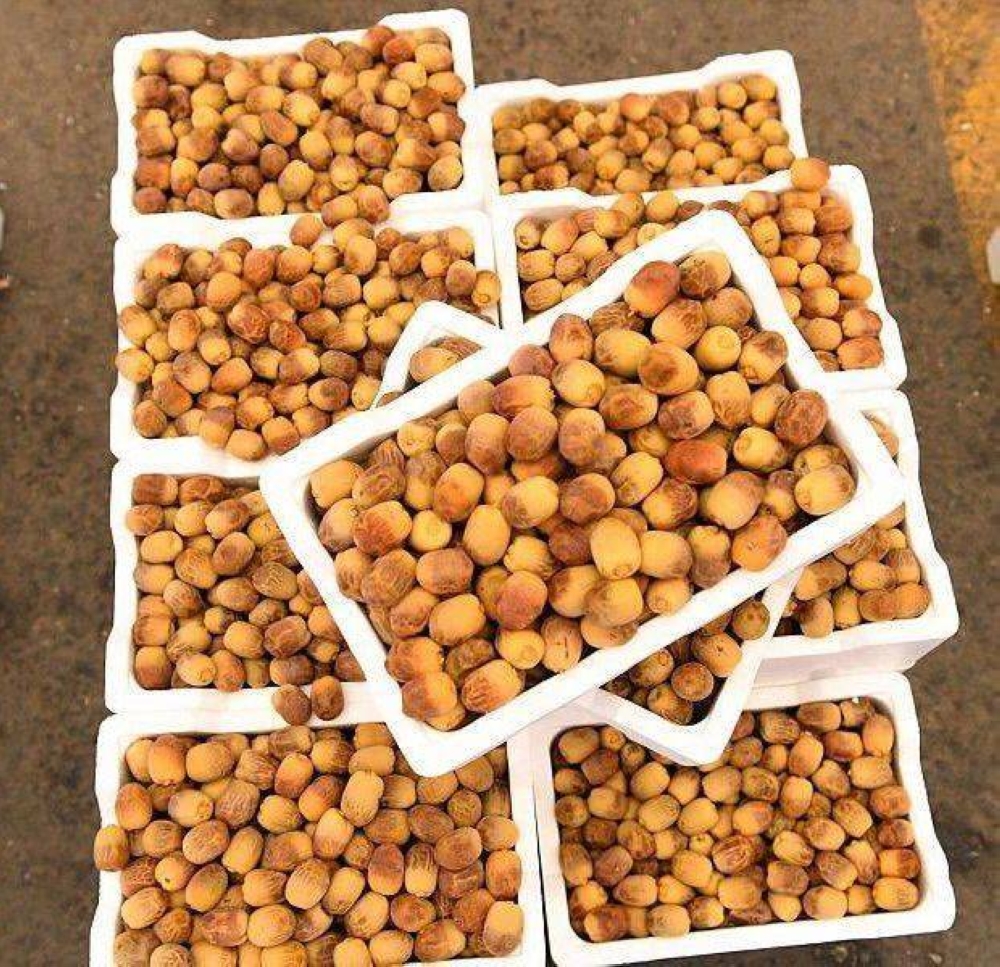
مع حلول موسم حصاد التمور، تتحول الأسواق السعودية إلى لوحات زاخرة، تنبض بألوان «السكري» و«الخلاص» و«البرحي» وغيرها من الأصناف الفاخرة، التي بدأت في التدفّق تباعاً منذ مطلع شهر يوليو الجاري، إيذاناً بمرحلة اقتصادية وتجارية نشطة، تمتد لأشهر.
وتتجلى أهمية الموسم، في كونه أكثر من مجرد حدث زراعي، إذ يعكس دينامية قطاع «التمور» كأحد أعمدة الأمن الغذائي، ومصادر الدخل غير النفطي، في ظل طلب عالمي متزايد على التمور السعودية، التي شقت طريقها إلى 133 دولة، محققة عوائد تجاوزت 1.695 مليار ريال خلال عام 2024.
ووفقاً لوزارة البيئة والمياه والزراعة، تُعد منطقة الرياض، من أبرز المناطق المنتجة للتمور على مستوى المملكة، بإجمالي إنتاج تجاوز 453 ألف طن سنوياً، مدعوماً بأكثر من 8 ملايين نخلة، منها 6.8 مليون نخلة مثمرة.
وسجل صنفا «الخلاص» و«السكري الأصفر» الحصة الأكبر من الإنتاج، بواقع يفوق 273 ألف طن، نتاج أكثر من 4 ملايين نخلة مثمرة.
وتتوزع تمور الرياض على أكثر من 80 صنفاً، من بينها: السكري، الصفري، البرحي، نبتة سيف، العسيلة، رشودية، الخضري، البرني، المسكاني، المنيفي، الصقعي، والشيشي، وغيرها من الأصناف التي تتمايز بالطعم والجودة.
وفي إطار سعيها لتعزيز تنافسية القطاع وضمان استدامته، تواصل وزارة البيئة والمياه والزراعة تطوير سلاسل الإمداد، وتحفيز الابتكار في مجالات تصنيع التمور ومشتقاتها، ضمن مستهدفات رؤية السعودية 2030 الرامية لتنمية ريفية متوازنة، واقتصاد زراعي مزدهر.
As the date harvest season arrives, Saudi markets transform into vibrant displays, pulsating with the colors of "Sukkari," "Khalas," "Barhi," and other luxurious varieties that have begun to flow in succession since the beginning of July, signaling a period of active economic and commercial activity that will last for months.
The significance of the season lies in the fact that it is more than just an agricultural event; it reflects the dynamism of the "dates" sector as one of the pillars of food security and a source of non-oil income, amidst a growing global demand for Saudi dates, which have made their way to 133 countries, achieving revenues exceeding 1.695 billion riyals during the year 2024.
According to the Ministry of Environment, Water, and Agriculture, the Riyadh region is one of the most prominent date-producing areas in the Kingdom, with a total production exceeding 453,000 tons annually, supported by more than 8 million palm trees, of which 6.8 million are bearing fruit.
The "Khalas" and "Yellow Sukkari" varieties recorded the largest share of production, amounting to over 273,000 tons, resulting from more than 4 million bearing fruit palm trees.
The dates of Riyadh are distributed across more than 80 varieties, including: Sukkari, Safri, Barhi, Nabta Saif, Asila, Rashudi, Khudri, Barni, Maskani, Munifi, Saqai, and Shishi, among others that differ in taste and quality.
In its efforts to enhance the competitiveness of the sector and ensure its sustainability, the Ministry of Environment, Water, and Agriculture continues to develop supply chains and stimulate innovation in the fields of date processing and its derivatives, as part of the objectives of Saudi Vision 2030 aimed at balanced rural development and a thriving agricultural economy.