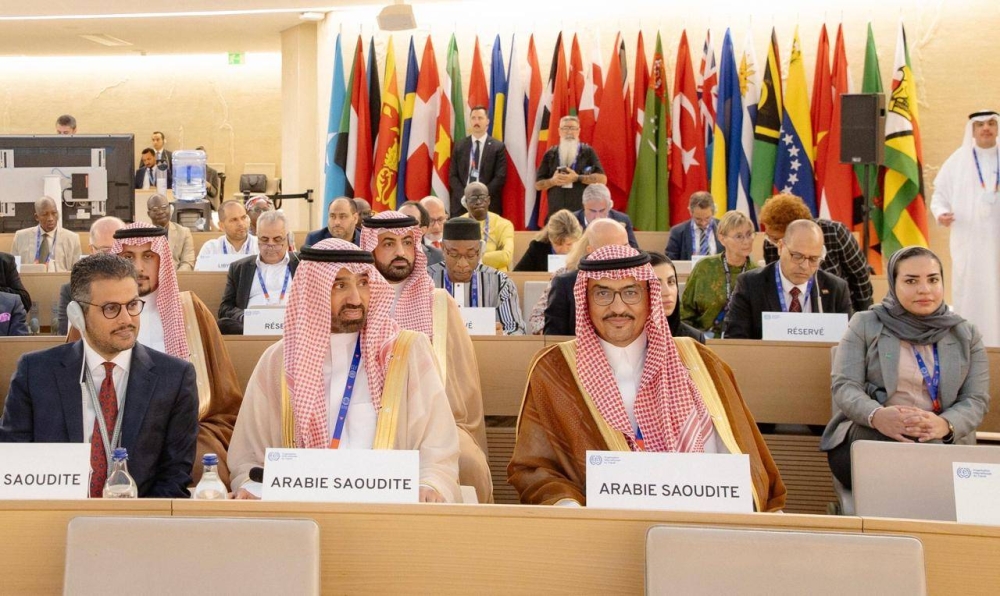
يترأس وزير الموارد البشرية والتنمية الاجتماعية المهندس أحمد بن سليمان الراجحي وفد المملكة العربية السعودية المشارك في أعمال الدورة الـ113 لمؤتمر العمل الدولي المنعقد في مدينة جنيف السويسرية، والذي يضم ممثلين عن أطراف الإنتاج الثلاثة: الحكومة، وأصحاب العمل، والعمال.
وأكد الراجحي خلال كلمته أمام الجلسة العامة للمؤتمر أهمية التعاون الدولي في رسم ملامح مستقبل العمل في ظل التحولات والتحديات المتسارعة التي يشهدها العالم، مشيراً إلى أن التقدّم التكنولوجي، وتغيُّر المُناخ، والتحولات الديموغرافية، هي عوامل مؤثّرة بشكل مباشر على طبيعة وجودة الوظائف.
ونوّه الراجحي بأن المملكة تؤمن بأن تحقيق العدالة الاجتماعية والتنمية المستدامة يتطلبان تعزيز التضامن الدولي، وتكثيف الحوار، وتوسيع آفاق التعاون بين الدول وكل الشركاء في سوق العمل.
وقد استعرضت المملكة أبرز ما تحقق في إطار رؤية السعودية 2030 من إصلاحات ومبادرات نوعية في سوق العمل، والتي عزّزت توافق السياسات الوطنية مع معايير العمل الدولية، وأسهمت في تحسين بيئة العمل ودعم الحقوق العمالية، ومنها: إتاحة التنقل الوظيفي للعمالة الوافدة، وتطبيق نظام حماية الأجور، وتعزيز مشاركة المرأة الاقتصادية، والتي بلغت 35.5% بنهاية 2024، وإطلاق أول سياسة وطنية في المنطقة العربية للقضاء على العمل الجبري، وتعديل المادة 61 من نظام العمل لحظر جميع أشكال التمييز، وتطوير أنظمة تفتيش مدعومة بالذكاء الاصطناعي للرصد المبكر ومعالجة المخاطر، وتحديث منظومة السلامة والصحة المهنية، مما رفع نسب الامتثال إلى 72.6%.
كما شدّد الوزير على ضرورة التعامل بوعي مع آثار التحول الرقمي على سوق العمل، داعياً إلى اعتماد نهجٍ متوازنٍ يحمي الوظائف التقليدية ويؤهل الكفاءات الوطنية لوظائف المستقبل.
وتتناول أجندة مؤتمر العمل الدولي لهذا العام مناقشة عدد من الموضوعات المحورية، من بينها اعتماد معايير لحماية العمال من المخاطر البيولوجية، وتنظيم ظروف العاملين ضمن اقتصاد المنصات الرقمية، ومعالجة تحديات العمل غير الرسمي.
The Minister of Human Resources and Social Development, Engineer Ahmed bin Suleiman Al-Rajhi, heads the delegation of the Kingdom of Saudi Arabia participating in the 113th session of the International Labour Conference held in Geneva, Switzerland, which includes representatives from the three parties of production: the government, employers, and workers.
During his speech at the conference's general session, Al-Rajhi emphasized the importance of international cooperation in shaping the future of work in light of the rapid transformations and challenges facing the world, pointing out that technological advancement, climate change, and demographic shifts are directly influencing the nature and quality of jobs.
Al-Rajhi noted that the Kingdom believes that achieving social justice and sustainable development requires enhancing international solidarity, intensifying dialogue, and expanding cooperation between countries and all partners in the labor market.
The Kingdom highlighted the key achievements made under Saudi Vision 2030 in terms of reforms and quality initiatives in the labor market, which have strengthened the alignment of national policies with international labor standards and contributed to improving the work environment and supporting labor rights. These include: enabling job mobility for expatriate workers, implementing a wage protection system, enhancing women's economic participation, which reached 35.5% by the end of 2024, launching the first national policy in the Arab region to eliminate forced labor, amending Article 61 of the Labor Law to prohibit all forms of discrimination, developing inspection systems supported by artificial intelligence for early monitoring and addressing risks, and updating the occupational safety and health system, which raised compliance rates to 72.6%.
The minister also stressed the need to consciously address the impacts of digital transformation on the labor market, calling for a balanced approach that protects traditional jobs and prepares national competencies for future jobs.
This year's agenda of the International Labour Conference addresses several key topics, including the adoption of standards to protect workers from biological hazards, regulating the conditions of workers within the digital platform economy, and addressing the challenges of informal work.