


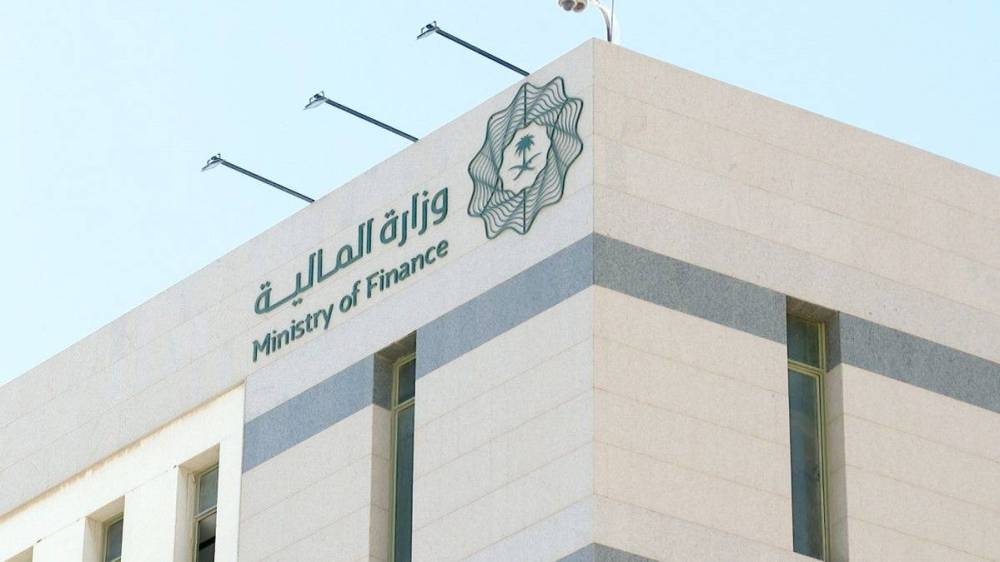
نظمت وزارة المالية ممثلة بالإدارة العامة للمراجعة الداخلية في الرياض، أمس، «ملتقى المراجعة الداخلية»، بالتزامن مع الشهر العالمي للتوعية بالمراجعة الداخلية، بحضور نائب وزير المالية عبدالمحسن الخلف، ورئيس اللجنة التوجيهية في وزارة المالية رئيس لجنة المراجعة عبدالعزيز الفريح، ومشاركة عدد من ممثلي الجهات الحكومية.
وأكد نائب وزير المالية أن تطور دور المراجعة الداخلية من وظيفة رقابية صرفة إلى شريك إستراتيجي يقدم رؤى تحليلية واستشارية، وتدعم الأعمال ليس من خلال تحليل المخاطر فقط، بل من خلال تقديم الفرص وتعزيز القيمة المضافة للمؤسسة، مبيناً أن لوزارة المالية توجهاً وعملاً قائماً لتعزيز دور المراجعة الداخلية في هذين المجالين.
وبيّن أن التطورات المتسارعة في بيئة الأعمال والطموحات التي تحملها رؤية المملكة 2030 تتطلب إعادة تعريف الأدوار التقليدية لإدارات المراجعة الداخلية، وتبني نهجاً تكامليّاً أكثر فعالية بين الإدارات التنفيذية والرقابية، وأن الرؤية ليست عملاً اعتياديّاً، بل هي مشروع تحولي يتطلب التكامل الاستباقي، مفيداً بأن إدارات المراجعة الداخلية ولجان المراجعة لها دور كبير في دعم مبادرة التحول المحاسبي إلى أساس الاستحقاق، التي ستوفر بنية محاسبية قوية للمملكة تخدمها في مجالات عدة.
من جهته أوضح رئيس اللجنة التوجيهية في وزارة المالية أن الملتقى يهدف إلى ترسيخ الفهم الحقيقي لدور المراجعة الداخلية الحيوي في دعم كفاءة الأداء المؤسسي وتعزيز منظومة الحوكمة، مفيداً بأن المراجعة الداخلية يجب ألا يُنظر إليها بوصفها عنصراً رقابيّاً يُعيق العمل، بل هي عنصر تمكيني يُسهم في كشف مكامن القصور، ومعالجة المخاطر، وتحقيق التكامل بين الإجراءات، بما يرفع من جودة القرارات، ويعزز ثقة أصحاب المصلحة.
وأشار إلى أن وجود المراجعة الداخلية الفاعلة تمثل حجر الزاوية في استدامة الكيانات، وضمان استمرارية الأعمال، وفق أطر واضحة وشفافة، مؤكداً أن أي منشأة سواء كانت حكومية أو تجارية، يمكن أن تحقق مكاسب آنية في غياب الرقابة، لكنها سرعان ما ستواجه تحديات تهدد استقرارها واستمراريتها.
وشهد الملتقى انعقاد جلستين حواريتين مع عدد من المسؤولين في الجهات الحكومية، وجاءت الجلسة الأولى بعنوان «القيمة المضافة للمراجعة الداخلية»، وناقشت إسهامات المراجعة الداخلية في دعم قطاعات الأعمال وتعزيز قيمتها في بناء قرارات إستراتيجية مدروسة، إلى جانب معايير قياس نضج المراجعة الداخلية وإضافة القيمة للمنشآت ودور التكامل مع الإدارات الرقابية الأخرى في تحقيق القيمة المضافة للمنشآت، وتحوّلت من أداة رقابية إلى شريك في تحقيق الأهداف المؤسسية، وشارك فيها وكيل وزارة المالية للتواصل والإعلام حسن آل الشيخ، والمدير العام للإدارة العامة للمراجعة الداخلية في وزارة المالية روان باسودان، ورئيس قطاع المراجعة الداخلية في الهيئة الملكية لمحافظة العلا ماهر العياضي.
أما الجلسة الثانية، فجاءت بعنوان «المراجعة الداخلية في ظل التحول الرقمي»، وسلّطت الضوء على دور التحول الرقمي وإستراتيجياته في إدارة المراجعة الداخلية، إضافة إلى ما وفره الذكاء الاصطناعي من أدوات تُسهم في ضمان المراقبة المستمرة، وناقشت مخاطر التحول الرقمي وآليات تكيف المراجعة الداخلية مع مستجدات بيئة العمل الرقمية، بمشاركة نائب الرئيس التنفيذي لقطاع الحوكمة والالتزام والمخاطر في المركز الوطني لنظم الموارد الحكومية فراس الأزوري، والمشرف العام على الإدارة العامة للمراجعة الداخلية في الديوان العام للمحاسبة الدكتورة صيتة المنديل، ورئيس المراجعة الداخلية في هيئة الزكاة والضريبة والجمارك منال السلطان.
يذكر أن الملتقى يأتي لتعزيز الوعي بأهمية المراجعة الداخلية، وتسليط الضوء على دورها المحوري في تحسين البيئة الرقابية، بما يتماشى مع المعايير الدولية للممارسة المهنية للمراجعة الداخلية الصادرة عن المعهد الدولي للمراجعين الداخليين، ويبرز دور المراجعة في رفع الكفاءة التشغيلية لدى الجهات، عبر تحسين كفاءة الإنفاق، وتبسيط الإجراءات، وتوجيه الموارد نحو الأهداف الإستراتيجية، إلى جانب دورها الرقابي في متابعة العمليات وإدارة المخاطر.
بالتزامن مع الشهر العالمي للتوعية بها..«المالية» تنظم ملتقى المراجعة الداخلية
20 مايو 2025 - 22:44
|
آخر تحديث 20 مايو 2025 - 22:44


تابع قناة عكاظ على الواتساب
«عكاظ» (الرياض)
The Ministry of Finance, represented by the General Administration of Internal Audit in Riyadh, organized yesterday the "Internal Audit Forum," coinciding with the global month for raising awareness about internal auditing. The event was attended by the Deputy Minister of Finance, Abdul Mohsen Al-Khalaf, the Chairman of the Steering Committee at the Ministry of Finance and Chairman of the Audit Committee, Abdulaziz Al-Furaih, along with several representatives from government entities.
The Deputy Minister of Finance emphasized that the role of internal auditing has evolved from a purely oversight function to a strategic partner that provides analytical and advisory insights, supporting operations not only through risk analysis but also by offering opportunities and enhancing the added value of the institution. He pointed out that the Ministry of Finance has a direction and ongoing work to enhance the role of internal auditing in these areas.
He indicated that the rapid developments in the business environment and the aspirations of Vision 2030 require a redefinition of the traditional roles of internal audit departments and the adoption of a more effective integrative approach between executive and oversight departments. He stated that the vision is not a routine task but a transformative project that requires proactive integration, noting that internal audit departments and audit committees play a significant role in supporting the initiative to transform accounting to an accrual basis, which will provide a strong accounting framework for the Kingdom serving various fields.
For his part, the Chairman of the Steering Committee at the Ministry of Finance explained that the forum aims to establish a true understanding of the vital role of internal auditing in supporting institutional performance efficiency and enhancing the governance system. He noted that internal auditing should not be viewed as a regulatory element that hinders work but rather as an enabling element that contributes to identifying shortcomings, addressing risks, and achieving integration between processes, thereby improving the quality of decisions and enhancing stakeholder confidence.
He pointed out that the presence of effective internal auditing represents the cornerstone of the sustainability of entities and ensures business continuity within clear and transparent frameworks. He affirmed that any entity, whether governmental or commercial, can achieve immediate gains in the absence of oversight, but it will soon face challenges that threaten its stability and continuity.
The forum included two discussion sessions with several officials from government entities. The first session was titled "The Added Value of Internal Audit," discussing the contributions of internal auditing in supporting business sectors and enhancing their value in making well-considered strategic decisions, along with measuring the maturity of internal auditing and adding value to entities, and the role of integration with other oversight departments in achieving added value for entities. It transformed from a regulatory tool to a partner in achieving institutional goals, featuring participation from the Undersecretary of the Ministry of Finance for Communication and Media, Hassan Al-Sheikh, the Director General of the General Administration of Internal Audit at the Ministry of Finance, Rawaan Basudan, and the Head of Internal Audit at the Royal Commission for AlUla, Maher Al-Ayadi.
The second session was titled "Internal Audit in the Era of Digital Transformation," highlighting the role of digital transformation and its strategies in managing internal auditing, in addition to the tools provided by artificial intelligence that contribute to ensuring continuous monitoring. It discussed the risks of digital transformation and the mechanisms for adapting internal auditing to the developments in the digital work environment, with participation from the Deputy CEO of the Governance, Compliance, and Risk Sector at the National Center for Government Resource Systems, Firas Al-Azouri, the General Supervisor of the General Administration of Internal Audit at the General Court of Accounts, Dr. Saitah Al-Mandeel, and the Head of Internal Audit at the Zakat, Tax, and Customs Authority, Manal Al-Sultan.
It is noteworthy that the forum aims to enhance awareness of the importance of internal auditing and highlight its pivotal role in improving the oversight environment, in line with international standards for the professional practice of internal auditing issued by the Institute of Internal Auditors, and emphasizes the role of auditing in raising operational efficiency among entities by improving spending efficiency, simplifying procedures, and directing resources towards strategic goals, alongside its oversight role in monitoring operations and managing risks.
The Deputy Minister of Finance emphasized that the role of internal auditing has evolved from a purely oversight function to a strategic partner that provides analytical and advisory insights, supporting operations not only through risk analysis but also by offering opportunities and enhancing the added value of the institution. He pointed out that the Ministry of Finance has a direction and ongoing work to enhance the role of internal auditing in these areas.
He indicated that the rapid developments in the business environment and the aspirations of Vision 2030 require a redefinition of the traditional roles of internal audit departments and the adoption of a more effective integrative approach between executive and oversight departments. He stated that the vision is not a routine task but a transformative project that requires proactive integration, noting that internal audit departments and audit committees play a significant role in supporting the initiative to transform accounting to an accrual basis, which will provide a strong accounting framework for the Kingdom serving various fields.
For his part, the Chairman of the Steering Committee at the Ministry of Finance explained that the forum aims to establish a true understanding of the vital role of internal auditing in supporting institutional performance efficiency and enhancing the governance system. He noted that internal auditing should not be viewed as a regulatory element that hinders work but rather as an enabling element that contributes to identifying shortcomings, addressing risks, and achieving integration between processes, thereby improving the quality of decisions and enhancing stakeholder confidence.
He pointed out that the presence of effective internal auditing represents the cornerstone of the sustainability of entities and ensures business continuity within clear and transparent frameworks. He affirmed that any entity, whether governmental or commercial, can achieve immediate gains in the absence of oversight, but it will soon face challenges that threaten its stability and continuity.
The forum included two discussion sessions with several officials from government entities. The first session was titled "The Added Value of Internal Audit," discussing the contributions of internal auditing in supporting business sectors and enhancing their value in making well-considered strategic decisions, along with measuring the maturity of internal auditing and adding value to entities, and the role of integration with other oversight departments in achieving added value for entities. It transformed from a regulatory tool to a partner in achieving institutional goals, featuring participation from the Undersecretary of the Ministry of Finance for Communication and Media, Hassan Al-Sheikh, the Director General of the General Administration of Internal Audit at the Ministry of Finance, Rawaan Basudan, and the Head of Internal Audit at the Royal Commission for AlUla, Maher Al-Ayadi.
The second session was titled "Internal Audit in the Era of Digital Transformation," highlighting the role of digital transformation and its strategies in managing internal auditing, in addition to the tools provided by artificial intelligence that contribute to ensuring continuous monitoring. It discussed the risks of digital transformation and the mechanisms for adapting internal auditing to the developments in the digital work environment, with participation from the Deputy CEO of the Governance, Compliance, and Risk Sector at the National Center for Government Resource Systems, Firas Al-Azouri, the General Supervisor of the General Administration of Internal Audit at the General Court of Accounts, Dr. Saitah Al-Mandeel, and the Head of Internal Audit at the Zakat, Tax, and Customs Authority, Manal Al-Sultan.
It is noteworthy that the forum aims to enhance awareness of the importance of internal auditing and highlight its pivotal role in improving the oversight environment, in line with international standards for the professional practice of internal auditing issued by the Institute of Internal Auditors, and emphasizes the role of auditing in raising operational efficiency among entities by improving spending efficiency, simplifying procedures, and directing resources towards strategic goals, alongside its oversight role in monitoring operations and managing risks.


