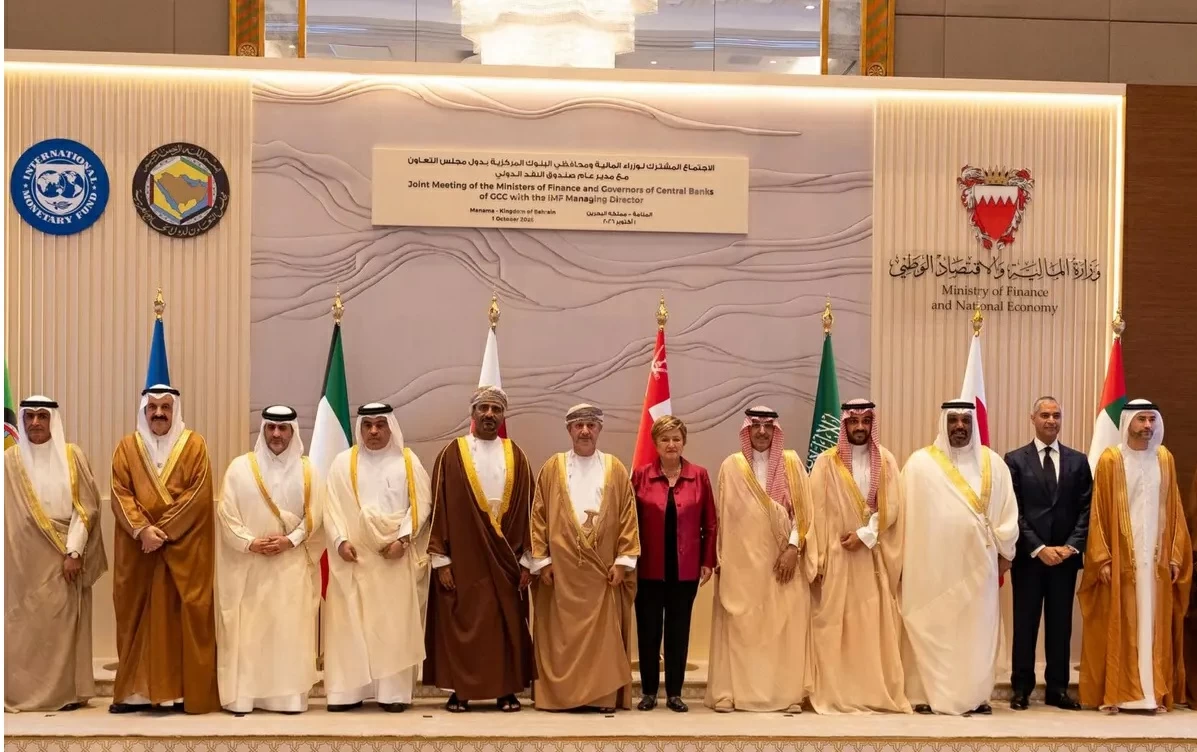
نوه الأمين العام لمجلس التعاون لدول الخليج العربية جاسم البديوي بإشادة صندوق النقد الدولي بمتانة اقتصادات دول مجلس التعاون، والإجراءات الاقتصادية والمالية التي اتخذتها في ظل الظروف الراهنة، وقدرتها على الحفاظ على مسار النمو حتى في أوقات تزايد الضبابية وعدم اليقين على الساحة العالمية.
تأثير التطورات الجيوسياسية
جاء ذلك خلال الاجتماع المشترك بين وزراء المالية والاقتصاد ومحافظي البنوك المركزية بدول مجلس التعاون مع مدير صندوق البنك الدولي، اليوم في العاصمة البحرينية المنامة، برئاسة وزير المالية والاقتصاد الوطني بمملكة البحرين -رئيس الدورة الحالية- الشيخ سلمان بن خليفة آل خليفة، وبحضور وزراء المالية ومحافظي البنوك المركزية بدول مجلس التعاون، والمدير العام لصندوق النقد الدولي كريستالينا غورغييفا.
وقال: «أثبتت الاضطرابات التي طالت إنتاج الطاقة، وحركة الشحن، والخدمات اللوجستية، والتجارة مجددًا مدى سرعة تأثير التطورات الجيوسياسية على اقتصاداتنا والأسواق العالمية، ورغم هذه التحديات، أثبتت اقتصادات دول مجلس التعاون مرونة مالية واقتصادية كلية قوية، ولم تأتِ هذه المرونة من قبيل الصدفة، بل هي ثمرة سنوات من السياسات الاقتصادية والمالية الحكيمة، والمصدرات المالية القوية، والأنظمة المصرفية المتينة، والاستثمارات الإستراتيجية في البنية التحتية، والربط البيني، والتنويع الاقتصادي».
سياسات مرنة مواكبة للمستجدات
وأضاف البديوي: «إن أولويتنا العاجلة تكمن في الحفاظ على الاستقرار الاقتصادي الكلي والمالي، مع ضمان بقاء سياساتنا مرنة، ومواكبة للمستجدات، وقادرة على الاستجابة للتطورات المتسارعة، ولا ينبغي أن يقتصر تجاوبنا على إدارة التداعيات المباشرة للصدمات الجيوسياسية فحسب، بل يتعين ترسيخ المرونة لتصبح جزءًا متأصلًا في الهيكل الاقتصادي لدولنا».
وأشار إلى أهمية تسريع وتيرة جهود دول المجلس نحو تعزيز التكامل الاقتصادي، وتيسير حركة السلع والخدمات ورؤوس الأموال والمواطنين، وتعزيز سلاسل الإمداد الإقليمية، وتطوير ممرات تجارية ولوجستية أكثر مرونة وتنوعًا، والمضي قدمًا في الإصلاحات الهيكلية التي تُعزز من دور القطاع الخاص، وترفع التنافسية، وتشجع الابتكار التكنولوجي والتحول الرقمي، وتسارع من وتيرة الانتقال نحو اقتصادات أكثر تنوعًا وقائمة على المعرفة.
The Secretary-General of the Gulf Cooperation Council, Jassim Al-Budaiwi, noted the International Monetary Fund's praise for the resilience of the economies of the Gulf Cooperation Council countries, and the economic and financial measures they have taken in light of the current circumstances, as well as their ability to maintain a growth trajectory even in times of increasing global uncertainty and ambiguity.
The Impact of Geopolitical Developments
This came during the joint meeting of the Ministers of Finance and Economy and the Governors of Central Banks of the Gulf Cooperation Council countries with the Director of the International Monetary Fund, today in the Bahraini capital, Manama, chaired by the Minister of Finance and National Economy of the Kingdom of Bahrain - the current session's president - Sheikh Salman bin Khalifa Al Khalifa, and attended by the Ministers of Finance and Governors of Central Banks of the Gulf Cooperation Council countries, along with the Managing Director of the International Monetary Fund, Kristalina Georgieva.
He stated: "The disruptions affecting energy production, shipping, logistics, and trade have once again demonstrated how quickly geopolitical developments can impact our economies and global markets. Despite these challenges, the economies of the Gulf Cooperation Council countries have shown strong overall financial and economic resilience. This resilience did not come by chance; it is the result of years of prudent economic and financial policies, strong financial resources, robust banking systems, strategic investments in infrastructure, interconnectivity, and economic diversification."
Flexible Policies in Line with Developments
Al-Budaiwi added: "Our urgent priority lies in maintaining macroeconomic and financial stability while ensuring that our policies remain flexible, responsive to developments, and capable of adapting to rapid changes. Our response should not be limited to managing the immediate impacts of geopolitical shocks; rather, we must embed resilience as an integral part of the economic structure of our countries."
He emphasized the importance of accelerating the efforts of the Council's countries towards enhancing economic integration, facilitating the movement of goods, services, capital, and citizens, strengthening regional supply chains, developing more flexible and diverse trade and logistics corridors, advancing structural reforms that enhance the role of the private sector, increase competitiveness, encourage technological innovation and digital transformation, and accelerate the transition towards more diversified and knowledge-based economies.