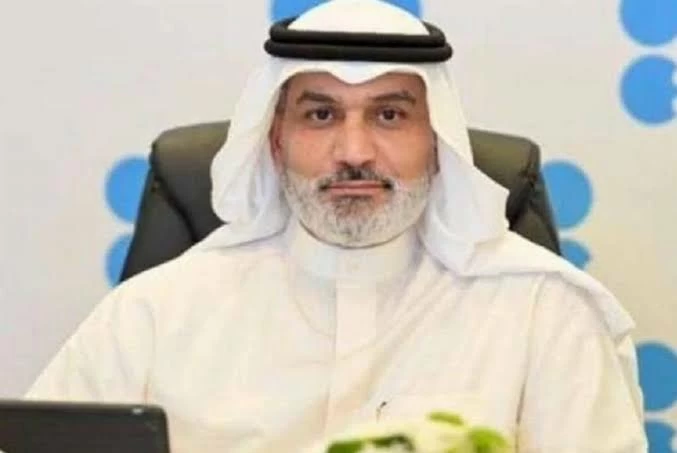
أعلن الأمين العام لمنظمة «أوبك» هيثم الغيص أن استهلاك الطاقة العالمي سيرتفع بنحو 23% حتى عام 2050، ليشمل النمو جميع مصادر الطاقة التقليدية والمتجددة، مدفوعاً بزيادة أعداد السكان وتضاعف حجم الاقتصاد العالمي والتوسع الحضري.
وقال في مقابلة مع تلفزيون النهار الجزائري على هامش زيارته إلى البلاد: «منظمة أوبك تتفق مع توقعات زيادة الطلب على الطاقات المتجددة، لكن وجهة نظرنا أن الطاقات المتجددة سيكون لها دور مكمل لمزيج الطاقة الأساسي ولن تحل محل النفط والغاز».
رسالة خطيرة للمستثمرين
وحذر الغيص من أن الحديث عن انخفاض الطلب العالمي على النفط يبعث «رسالة خطيرة» إلى المستثمرين بالتوقف عن ضخ استثمارات جديدة في الصناعة، في اتجاه يتعارض مع دعوات المنظمة لمواصلة الاستثمار لتلبية حاجات الطاقة المستقبلية. وأضاف في المقابلة: «الحديث عن انخفاض الطلب على النفط رسالة خطيرة مفادها للعالم أنه يجب التوقف عن الاستثمار في الصناعة النفطية، وهو عكس ما نطالب به في أوبك، وعكس ما يطالب به الكثيرون في الصناعة النفطية وصناعة الطاقة».
تعديل توقعات الطلب
وأشار الغيص إلى أن وكالة الطاقة الدولية عدّلت مسار توقعاتها بشأن ذروة الطلب على النفط خلال الفترة الماضية، قائلاً: «إن توقعاتها أصبحت أقرب إلى رؤية أوبك بشأن استمرار نمو الطلب».
وعدّلت الوكالة، التي مقرها في باريس وتعد مرجعاً عالمياً تعتمد عليه الحكومات وشركات الطاقة في رسم السياسات واتخاذ قرارات الاستثمار، أواخر العام الماضي نظرتها إزاء قرب بلوغ ذروة الطلب على النفط، بإعادة طرح سيناريو يستمر فيه نمو الاستهلاك العالمي حتى منتصف القرن.
The Secretary General of OPEC, Haitham Al-Ghais, announced that global energy consumption is expected to rise by about 23% by 2050, encompassing growth in all traditional and renewable energy sources, driven by an increase in population, the doubling of the global economy, and urban expansion.
He stated in an interview with Algeria's Ennahar TV during his visit to the country: "OPEC agrees with the forecasts of increased demand for renewable energies, but our viewpoint is that renewable energies will play a complementary role to the primary energy mix and will not replace oil and gas."
A Dangerous Message to Investors
Al-Ghais warned that discussions about declining global oil demand send a "dangerous message" to investors to stop injecting new investments into the industry, which contradicts the organization's calls to continue investing to meet future energy needs. He added in the interview: "The talk about declining oil demand is a dangerous message to the world that it should stop investing in the oil industry, which is the opposite of what we are advocating in OPEC, and the opposite of what many in the oil and energy industry are calling for."
Adjusting Demand Forecasts
Al-Ghais noted that the International Energy Agency has adjusted its outlook on peak oil demand in recent times, saying: "Its forecasts have become closer to OPEC's vision regarding the continued growth of demand."
The agency, based in Paris and regarded as a global reference relied upon by governments and energy companies for policy-making and investment decisions, revised its view late last year regarding the proximity of peak oil demand, reintroducing a scenario in which global consumption continues to grow until the middle of the century.