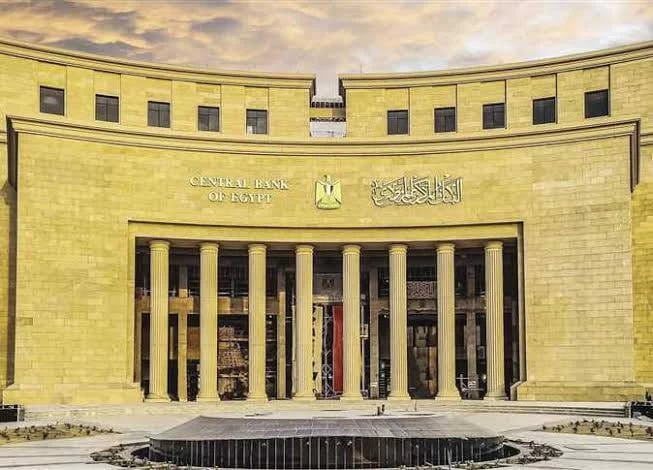
قررت لجنة السياسة النقديـة للبنك المركــزي الإبقاء على أسعار العائد الأساسية دون تغيير. وعليه، تقرر تثبيت سعري عائد الإيداع والإقراض لليلة واحدة وسعر العملية الرئيسية للبنك المركزي عند 19.00% و20.00% و19.50%، على الترتيب، كما تم الإبقاء على سعر الائتمان والخصم عند 19.50%.
وبحسب بيان رسمي، صدر عن البنك المركزي المصري، اليوم (الخميس)، يأتي هذا القرار انعكاسا لتقييم اللجنة لآخر تطورات التضخم وتوقعاته منذ اجتماعها السابق.
وبحسب البيان: على الصعيد العالمي، شهد النشاط الاقتصادي تباطؤاً طفيفاً، متأثراً بالتقلبات الجيوسياسية وضعف الطلب، في حين لا يزال التضخم مرتفعاً بشكل عام مع تفاوت الضغوط التضخمية عبر الاقتصادات، مما أدى إلى تباين قرارات السياسة النقدية للبنوك المركزية بما يتسق مع الأوضاع الاقتصادية السائدة.
وفي أسواق السلع الأساسية، تعرضت أسعار الطاقة مجدداً لضغوط تصاعدية وازدادت تقلباتها وسط تزايد حدة التوترات الإقليمية.
وبالمثل، اتجهت أسعار السلع الزراعية نحو الارتفاع، نتيجة للمخاوف المتعلقة بالإمدادات والناجمة عن التوترات الجيوسياسية والظروف الجوية المعاكسة.
وأكد البنك المركزي، أن آفاق الاقتصاد العالمي تتسم بعدم اليقين ولا تزال عُرضة لمجموعة من المخاطر، من أهمها استمرار التوترات الإقليمية لفترة أطول، وتشديد الأوضاع المالية، وتجدد اضطرابات سلاسل الإمداد.
وفيما يتعلق بالأوضاع المحلية، من المتوقع أن يواصل النشاط الاقتصادي الحقيقي انخفاضه الطفيف في الربع الثاني من عام 2026 وفقاً للتقديرات الأولية للبنك المركزي المصري، انعكاساً للتأثير السلبي للصراع الإقليمي على النشاط الاقتصادي، وذلك عقب تسجيله 5.0% في الربع الأول من العام نفسه.
ويتوقع البنك المركزي المصري أن يبلغ متوسط معدل نمو الناتج المحلي الإجمالي الحقيقي نحو 5.0% في السنة المالية 2025/2026، مع استمرار الناتج دون طاقته القصوى، وإن كان من المتوقع أن يقترب منها تدريجياً بحلول النصف الثاني من عام 2027. ومن ثم، يشير مسار فجوة الناتج إلى أن الضغوط التضخمية الناجمة عن الطلب ستظل محدودة على المدى القصير، وذلك بدعم من السياسة النقدية التقييدية الحالية.
وفيما يتعلق بتطورات التضخم، شهد المعدل السنوي للتضخم العام ارتفاعاً طفيفاً في يوليو 2026 ليبلغ 14.9% مقابل 14.3% في يونيو 2026، بينما سجل المعدل السنوي للتضخم الأساسي 14.7% مقابل 14.3% في يونيو 2026. ويُعزَى هذا الارتفاع الطفيف بشكل رئيسي إلى الأثر غير المواتي لفترة الأساس، إذ جاء المعدل الشهري لكل من التضخم العام والأساسي دون التوقعات، مسجلاً 0.0% خلال شهر يوليو 2026. وتُظهِر التطورات الشهرية للأسعار استقراراً واسع النطاق، مع انخفاض أسعار بعض السلع والخدمات، مما يدل على تلاشي آثار الصدمات السابقة تدريجياً اتساقاً مع طبيعتها المؤقتة.
وعلى خلفية هذه المستجدات، تشير توقعات المركزي المصري إلى تسارع المعدل السنوي للتضخم العام حتى الربع الثالث من عام 2026 في المتوسط، وهو ما يرجع جزئياً إلى الأثر غير المواتي لفترة الأساس.
ومع ذلك، تأتي وتيرة هذا التسارع دون المستويات المتوقعة سابقاً في اجتماع لجنة السياسة النقدية لشهر يوليو 2026، وذلك في ضوء الانخفاض الذي سجلته قراءات التضخم خلال شهري يونيو ويوليو 2026. وعليه، من المتوقع أن يبدأ التضخم في التراجع تدريجياً اعتباراً من الربع الأول من عام 2027، ليتقارب مع مستواه المستهدف البالغ 7% (± 2 نقطة مئوية) خلال النصف الثاني من عام 2027.
ويأتي هذا المسار النزولي المتوقع للتضخم مدعوماً بالحفاظ على أوضاع نقدية تتسم بدرجة مناسبة من التقييد على مدى أفق التوقعات، إلى جانب استمرار وتيرة تراجع المعدلات الشهرية للتضخم الضمني، والتباطؤ واسع النطاق في الضغوط التضخمية عبر مختلف بنود الرقم القياسي لأسعار المستهلكين.
ومع ذلك، لا يزال مسار التضخم المتوقع عُرضة لمخاطر صعودية، في مقدمتها تصاعد التوترات الإقليمية وتجاوز أثر إجراءات ضبط أوضاع المالية العامة للتوقعات.
وفي ضوء ما تقدم، قررت لجنة السياسة النقدية الإبقاء على أسعار العائد الأساسية دون تغيير للحفاظ على هامش موجب مناسب في سعر العائد الحقيقي بما يضمن استمرار ترسيخ التوقعات التضخمية ودعم المسار النزولي للتضخم. وسوف تواصل اللجنة تقييم الأوضاع النقدية استناداً إلى المستجدات الاقتصادية ومسار التضخم المتوقع في ظل المخاطر المحيطة.
وتؤكد اللجنة أنها لن تتوانى عن اتخاذ ما يلزم من إجراءات حفاظاً على استقرار الأسعار وضماناً لعودة التضخم إلى مستواه المستهدف في المدى القريب.
The Monetary Policy Committee of the Central Bank has decided to keep the key interest rates unchanged. Accordingly, the overnight deposit and lending rates, as well as the central bank's main operation rate, have been maintained at 19.00%, 20.00%, and 19.50%, respectively, while the credit and discount rate remains at 19.50%.
According to an official statement issued by the Central Bank of Egypt today (Thursday), this decision reflects the committee's assessment of the latest developments in inflation and its expectations since its last meeting.
The statement noted that, on a global scale, economic activity has experienced a slight slowdown, affected by geopolitical fluctuations and weak demand, while inflation remains generally high with varying inflationary pressures across economies, leading to divergent monetary policy decisions by central banks in line with prevailing economic conditions.
In commodity markets, energy prices have once again faced upward pressures and increased volatility amid rising regional tensions.
Similarly, agricultural commodity prices have been trending upward due to supply concerns arising from geopolitical tensions and adverse weather conditions.
The Central Bank confirmed that the outlook for the global economy is characterized by uncertainty and remains susceptible to a range of risks, the most significant of which include prolonged regional tensions, tightening financial conditions, and renewed supply chain disruptions.
Regarding local conditions, it is expected that real economic activity will continue to experience a slight decline in the second quarter of 2026, according to preliminary estimates from the Central Bank of Egypt, reflecting the negative impact of regional conflict on economic activity, following a recorded growth of 5.0% in the first quarter of the same year.
The Central Bank of Egypt expects the average real GDP growth rate to reach about 5.0% in the fiscal year 2025/2026, with output remaining below its maximum capacity, although it is expected to gradually approach it by the second half of 2027. Consequently, the output gap trajectory indicates that inflationary pressures arising from demand will remain limited in the short term, supported by the current restrictive monetary policy.
In terms of inflation developments, the annual inflation rate for July 2026 saw a slight increase to 14.9% compared to 14.3% in June 2026, while the annual core inflation rate recorded 14.7% compared to 14.3% in June 2026. This slight increase is primarily attributed to the unfavorable base effect, as the monthly rate for both general and core inflation came in below expectations, recording 0.0% during July 2026. Monthly price developments show broad stability, with declines in the prices of some goods and services, indicating a gradual fading of previous shock effects consistent with their temporary nature.
Against this backdrop, the Central Bank's forecasts indicate that the annual general inflation rate will accelerate until the third quarter of 2026 on average, partly due to the unfavorable base effect.
However, the pace of this acceleration comes in below previously expected levels from the Monetary Policy Committee's meeting in July 2026, in light of the decline recorded in inflation readings during June and July 2026. Consequently, inflation is expected to begin gradually decreasing starting from the first quarter of 2027, approaching its target level of 7% (± 2 percentage points) during the second half of 2027.
This expected downward trajectory for inflation is supported by maintaining monetary conditions characterized by an appropriate degree of restriction over the forecast horizon, alongside the continued decline in monthly implicit inflation rates and widespread slowing of inflationary pressures across various components of the consumer price index.
Nevertheless, the expected inflation path remains subject to upward risks, primarily the escalation of regional tensions and the exceeding impact of fiscal consolidation measures beyond expectations.
In light of the above, the Monetary Policy Committee has decided to keep the key interest rates unchanged to maintain an appropriate positive margin in the real interest rate, ensuring the continued entrenchment of inflation expectations and supporting the downward path of inflation. The committee will continue to assess monetary conditions based on economic developments and the expected inflation trajectory amid surrounding risks.
The committee emphasizes that it will not hesitate to take necessary measures to maintain price stability and ensure a return of inflation to its targeted level in the near term.