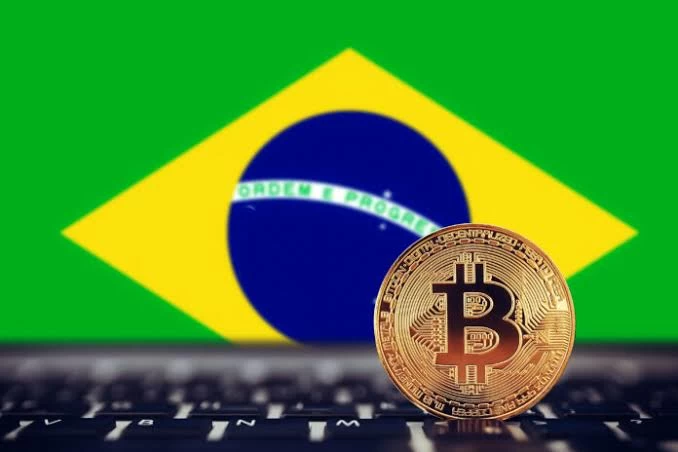
أقر البنك المركزي البرازيلي حزمة جديدة من القواعد التنظيمية التي ستخضع منصات تداول العملات المشفرة لرقابة مصرفية أكثر صرامة، في خطوة تستهدف تعزيز الاستقرار المالي ورفع مستويات الامتثال في سوق الأصول الرقمية، على أن تدخل الإجراءات الجديدة حيز التنفيذ اعتبارًا من يناير 2027.
وبموجب القرار الجديد رقم 580/2026، سيُعاد تصنيف مقدمي خدمات الأصول الرقمية ضمن فئة المؤسسات المالية من «النوع الثالث»، وهو ما يضعهم تحت المتطلبات التنظيمية نفسها المفروضة على شركات الوساطة وتوزيع الأوراق المالية.
وتشمل القواعد الجديدة إلزام منصات العملات المشفرة بالاحتفاظ باحتياطيات رأسمالية دنيا، ووضع سياسات رسمية لإدارة المخاطر، إلى جانب الإفصاح الدوري عن البيانات المالية والتشغيلية، بما يعزز مستويات الشفافية والرقابة على القطاع.
كما نصت اللوائح على انتقال جميع شركات الأصول الرقمية إلى القطاع الرقابي الرابع (S4) بحلول يونيو 2028، بغض النظر عن حجمها، مع منع المؤسسات المصنفة ضمن القطاع الخامس، والمخصص للكيانات الصغيرة، من تقديم خدمات الأصول الرقمية.
أثارت الإجراءات الجديدة تباينًا في مواقف العاملين في سوق العملات المشفرة، إذ رأى بعض المسؤولين التنفيذيين أن مساواة منصات العملات الرقمية بشركات الوساطة التقليدية لا تعكس اختلاف طبيعة المخاطر بين القطاعين.
وفي المقابل، اعتبر آخرون أن منح الشركات مهلة حتى عام 2027 يوفر فرصة للاستعداد وتوفيق الأوضاع مع المتطلبات الجديدة.
وتوقع كارلوس روسو، الرئيس التنفيذي لمنصة «Bloquo» ومنسق الجمعية البرازيلية للتجزئة والأصول الرقمية (ABToken)، أن تؤدي القواعد الجديدة إلى موجة من الاندماجات والاستحواذات، مع احتمال مواجهة الشركات الصغيرة صعوبات في تحمل تكاليف الامتثال.
تأتي هذه الخطوة في وقت يشهد فيه سوق العملات المشفرة في البرازيل نموًا كبيرًا، حيث بلغت قيمة المعاملات نحو 318 مليار دولار بين منتصف عامي 2024 و2025، وفق البيانات الرسمية.
وتستحوذ العملات المستقرة على نحو 90% من تدفقات العملات المشفرة داخل البلاد، بينما تمثل المعاملات العابرة للحدود النسبة الأكبر من حجم التداول.
بدأت البرازيل خلال السنوات الأخيرة في بناء إطار تنظيمي متكامل لسوق الأصول الرقمية، مع تزايد الاعتماد على العملات المشفرة في المدفوعات والاستثمار والتحويلات المالية.
وشهد المسار التنظيمي عدة مراحل، بدأت بإصدار قواعد تشغيلية لمقدمي خدمات الأصول الرقمية في أواخر عام 2025، تضمنت متطلبات مكافحة غسل الأموال وتمويل الإرهاب، ثم توسعت في عام 2026 لتشمل تطبيق قواعد السرية المصرفية على منصات العملات المشفرة.
ويرى مراقبون أن اللوائح الجديدة تمثل إحدى أكثر الخطوات التنظيمية شمولًا في أمريكا اللاتينية، إذ تستهدف تحقيق توازن بين دعم الابتكار في قطاع التكنولوجيا المالية، وتعزيز الرقابة على سوق يشهد نموًا متسارعًا.
The Brazilian central bank has approved a new package of regulatory rules that will subject cryptocurrency trading platforms to stricter banking oversight, in a move aimed at enhancing financial stability and raising compliance levels in the digital asset market, with the new measures set to take effect from January 2027.
Under the new decision No. 580/2026, providers of digital asset services will be reclassified under the category of financial institutions of "type three," which places them under the same regulatory requirements imposed on brokerage and securities distribution firms.
The new rules include requiring cryptocurrency platforms to maintain minimum capital reserves, establish formal risk management policies, and regularly disclose financial and operational data, thereby enhancing transparency and oversight in the sector.
The regulations also stipulate that all digital asset companies transition to the fourth regulatory sector (S4) by June 2028, regardless of their size, while preventing institutions classified under the fifth sector, designated for small entities, from providing digital asset services.
The new measures have sparked a divergence of opinions among cryptocurrency market participants, as some executives believe that equating digital currency platforms with traditional brokerage firms does not reflect the differing nature of risks between the two sectors.
Conversely, others argue that granting companies a grace period until 2027 provides an opportunity to prepare and align with the new requirements.
Carlos Russo, CEO of the "Bloquo" platform and coordinator of the Brazilian Association for Retail and Digital Assets (ABToken), predicted that the new rules would lead to a wave of mergers and acquisitions, with smaller companies likely facing difficulties in bearing compliance costs.
This move comes at a time when the cryptocurrency market in Brazil is experiencing significant growth, with transaction values reaching approximately $318 billion between mid-2024 and 2025, according to official data.
Stablecoins account for about 90% of cryptocurrency flows within the country, while cross-border transactions represent the largest share of trading volume.
In recent years, Brazil has begun to build a comprehensive regulatory framework for the digital asset market, with increasing reliance on cryptocurrencies for payments, investments, and financial transfers.
The regulatory path has seen several phases, starting with the issuance of operational rules for digital asset service providers in late 2025, which included anti-money laundering and counter-terrorism financing requirements, and then expanding in 2026 to apply banking secrecy rules to cryptocurrency platforms.
Observers believe that the new regulations represent one of the most comprehensive regulatory steps in Latin America, aiming to strike a balance between supporting innovation in the fintech sector and enhancing oversight in a rapidly growing market.