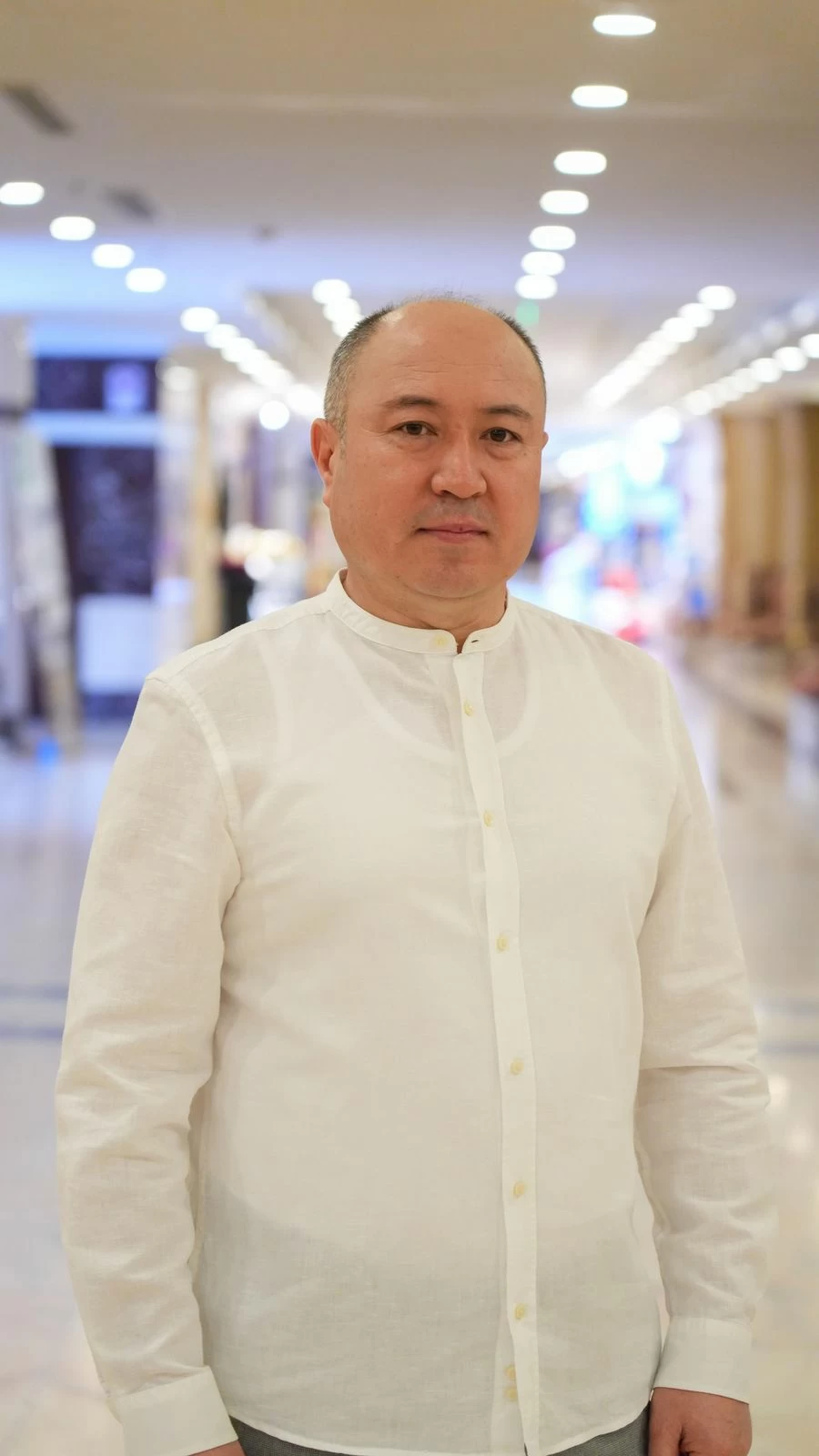
أكد وزير الشؤون الدينية في جمهورية أوزبكستان، رئيس فريق عمل موسم الحج 2026، صادق تاشباييف، أن العلاقات بين أوزبكستان والمملكة العربية السعودية تعيش واحدة من أكثر مراحلها ازدهاراً وعمقاً، مشيراً إلى أن التقارب بين البلدين لم يعد محصوراً في البعد الدبلوماسي، بل أصبح حاضراً في ملفات عملية تمس الإنسان مباشرة، وفي مقدمتها خدمة الحجاج وتنظيم رحلاتهم إلى الأراضي المقدسة.
وقال الوزير تاشباييف، في حديثه لـ«عكاظ»، إن التعاون بين أوزبكستان والمملكة يقوم على إرادة سياسية راسخة لدى قيادتَي البلدين، وعلى علاقات تاريخية وروحية وعلمية ممتدة، لافتاً إلى أن الزيارات واللقاءات رفيعة المستوى خلال السنوات الأخيرة فتحت صفحة جديدة في مسار العلاقات الثنائية، وعززت الشراكة في المجالات السياسية والاقتصادية والثقافية والدينية والإنسانية.
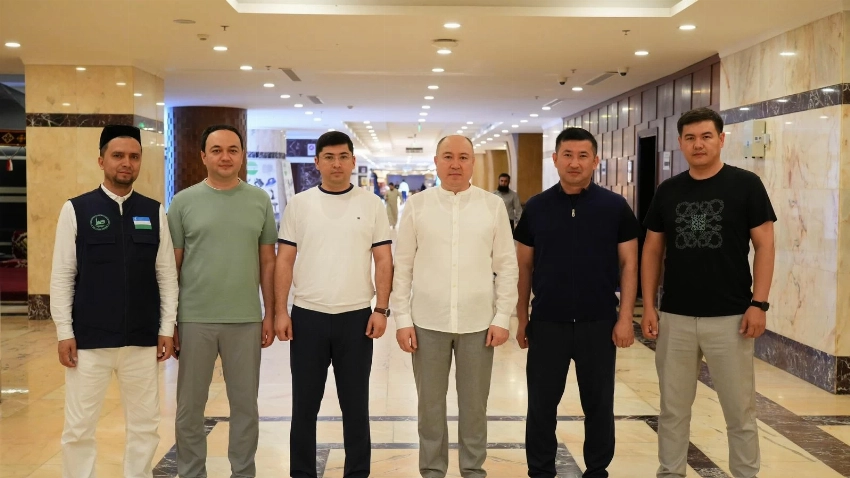
وزير الشؤون الدينية الأوزبكي مع فريق عمل موسم الحج في المدينة المنورة.
رؤية تنعكس على الحج
ونوّه وزير الشؤون الدينية الأوزبكي بما تشهده المملكة من إصلاحات واسعة في إطار «رؤية السعودية 2030» مؤكداً أن هذه الرؤية أحدثت تحولاً واضحاً في البنية التحتية والخدمات والنقل والتقنيات الرقمية والسياحة، وأن أثرها يبرز بوضوح في منظومة الحج والعمرة، التي باتت تقدم نموذجاً متقدماً في إدارة الحشود، وتيسير تنقل الحجاج، ورفع جودة الخدمات المقدمة لهم.
وأشار إلى أن ما يجري في مكة المكرمة والمدينة المنورة من تطوير للبنية التحتية، وتوسعة للخدمات، وتحديث للأنظمة الرقمية، وتوظيف للحلول التقنية والذكاء الاصطناعي في إدارة الحج، أسهم في نقل تجربة الحاج إلى مستوى جديد من التنظيم والراحة والسلامة، مؤكداً أن الحجاج الأوزبك يلمسون هذه التحولات بصورة مباشرة، ويعبرون عن رضاهم الكبير تجاه الأمن، وجودة الخدمات، وسهولة التنقل، والظروف المهيأة لهم أثناء أداء المناسك.
وأوضح تاشباييف أن ملف الحج والعمرة يحظى باهتمام كبير لدى قيادة أوزبكستان، وأن التنسيق مع وزارة الحج والعمرة في المملكة شهد تطوراً ملموساً، خصوصاً بعد الزيارات المتعددة التي قام بها وزير الحج والعمرة الدكتور توفيق بن فوزان الربيعة إلى أوزبكستان، وما صاحبها من مباحثات ركزت على تحسين الخدمات المقدمة للحجاج الأوزبك، وضمان سفر آمن ومريح لهم.
9 مطارات
وكشف أن تفويج الحجاج الأوزبك إلى الأراضي المقدسة بدأ منذ الثاني من مايو، ويستمر حتى الـ18 من الشهر نفسه، عبر تسعة مطارات دولية إقليمية في أوزبكستان، تشمل طشقند، وأنديجان، وفرغانة، ونمنغان، وسمرقند، وبخارى، وقرشي، وترمذ، وأورغنج، وصولاً إلى المدينة المنورة.
وبيّن أن بلاده حشدت لموسم الحج فريقاً تنظيمياً متكاملاً يضم 8 مسؤولين، و65 عضواً من فرق العمل، و50 طبيباً، و12 طاهياً، إضافة إلى 303 من رؤساء المجموعات لخدمة الحجاج ومرافقتهم، مؤكداً أن هذه الأرقام تعكس حجم الجهد المبذول، ومستوى المسؤولية في رعاية الحجاج وتيسير أدائهم للمناسك.
ولفت إلى أن الاستعدادات شملت استكمال الوثائق الرسمية، وتنظيم الرحلات الجوية، وترتيبات الإقامة في الفنادق، والنقل، والوجبات الغذائية، والخدمات الطبية، وتنظيم أداء المناسك بصورة دقيقة، إلى جانب تهيئة الظروف المناسبة في المشاعر المقدسة، خصوصاً في منى وعرفات ومزدلفة، بما يضمن راحة الحجاج وطمأنينتهم.
عناية بكبار السن
وأكد تاشباييف أن كبار السن من الحجاج يحظون بعناية خاصة من خلال نظام متابعة ورعاية يراعي احتياجاتهم الصحية والتنظيمية، ويوفر لهم المساعدة اللازمة لأداء المناسك بسهولة، مشيراً إلى أن اللقاءات التوعوية والمحاضرات الدينية تُنظم بشكل مستمر لمساعدة الحجاج على أداء مناسكهم بصورة صحيحة وكاملة.
وفي جانب التعاون الديني، أشار وزير الشؤون الدينية الأوزبكي إلى أن مذكرة التفاهم الموقعة بين وزارة الشؤون الدينية في أوزبكستان ووزارة الشؤون الإسلامية والدعوة والإرشاد في المملكة تمثل خطوة مهمة لتبادل الخبرات وتعزيز التعاون التوعوي، كما أن التعاون العلمي بين مركز الإمام البخاري الدولي للبحوث العلمية ومركز «السنة النبوية» في المملكة يعكس عمق الروابط العلمية بين البلدين.
وأكد أن العلاقة بين الشعبين السعودي والأوزبكي تستند إلى إرث تاريخي وروحي عريق، ارتبط بمكانة مكة المكرمة والمدينة المنورة في حياة كبار علماء أوزبكستان وأعلامها، ومنهم الإمام البخاري، وأبو عيسى الترمذي، والحكيم الترمذي، ومحمود الزمخشري،وغيرهم الكثير، مؤكداً أن هذه الروابط تمنح العلاقات الحالية بعداً أعمق من المصالح السياسية والاقتصادية المباشرة.
صداقة راسخة
واختتم تاشباييف تصريحه بالتأكيد على أن الصداقة والشراكة الإستراتيجية بين أوزبكستان والمملكة ستواصل نموها بما يخدم رفاهية الشعبين، ويحفظ القيم المشتركة، ويعزز التعاون في خدمة الإسلام والمسلمين، سائلاً الله أن يديم الأمن وأواصر الأخوّة والصداقة بين البلدين.
The Minister of Religious Affairs of the Republic of Uzbekistan, the head of the Hajj 2026 task force, Sadiq Tashbaev, confirmed that the relations between Uzbekistan and the Kingdom of Saudi Arabia are experiencing one of their most prosperous and profound phases, noting that the rapprochement between the two countries is no longer limited to the diplomatic dimension, but is now present in practical matters that directly affect individuals, foremost among them the service of pilgrims and the organization of their trips to the holy lands.
The minister Tashbaev, in his talk to “Okaz,” stated that the cooperation between Uzbekistan and the Kingdom is based on a solid political will from the leaderships of both countries, and on extended historical, spiritual, and scientific relations. He pointed out that high-level visits and meetings in recent years have opened a new chapter in the course of bilateral relations and strengthened partnership in political, economic, cultural, religious, and humanitarian fields.
وزير الشؤون الدينية الأوزبكي مع فريق عمل موسم الحج في المدينة المنورة.
A Vision Reflected in Hajj
The Uzbek Minister of Religious Affairs praised the extensive reforms taking place in the Kingdom under the "Saudi Vision 2030," affirming that this vision has brought about a clear transformation in infrastructure, services, transportation, digital technologies, and tourism, and its impact is clearly evident in the Hajj and Umrah system, which has become a leading model in crowd management, facilitating the movement of pilgrims, and enhancing the quality of services provided to them.
He pointed out that the developments in Mecca and Medina regarding infrastructure improvement, service expansion, digital system modernization, and the employment of technological solutions and artificial intelligence in Hajj management have contributed to elevating the pilgrim experience to a new level of organization, comfort, and safety, emphasizing that Uzbek pilgrims directly feel these transformations and express their great satisfaction with the security, quality of services, ease of movement, and the conditions prepared for them during the performance of the rituals.
Tashbaev clarified that the Hajj and Umrah file receives significant attention from the leadership of Uzbekistan, and that coordination with the Ministry of Hajj and Umrah in the Kingdom has witnessed tangible development, especially after the multiple visits made by the Minister of Hajj and Umrah, Dr. Tawfiq bin Fawzan Al-Rabiah, to Uzbekistan, accompanied by discussions focused on improving the services provided to Uzbek pilgrims and ensuring safe and comfortable travel for them.
9 Airports
He revealed that the organization of Uzbek pilgrims to the holy lands began on May 2 and will continue until the 18th of the same month, through nine regional international airports in Uzbekistan, including Tashkent, Andijan, Fergana, Namangan, Samarkand, Bukhara, Karshi, Termez, and Urgench, reaching Medina.
He indicated that his country has mobilized a comprehensive organizational team for the Hajj season, which includes 8 officials, 65 members from working teams, 50 doctors, 12 chefs, in addition to 303 group leaders to serve and accompany the pilgrims, affirming that these numbers reflect the extent of the effort made and the level of responsibility in caring for the pilgrims and facilitating their performance of the rituals.
He pointed out that the preparations included completing official documents, organizing flights, arranging hotel accommodations, transportation, meals, medical services, and organizing the performance of the rituals accurately, in addition to preparing suitable conditions in the holy sites, especially in Mina, Arafat, and Muzdalifah, to ensure the comfort and reassurance of the pilgrims.
Care for the Elderly
Tashbaev confirmed that elderly pilgrims receive special care through a monitoring and care system that takes into account their health and organizational needs, providing them with the necessary assistance to perform the rituals easily, noting that awareness meetings and religious lectures are continuously organized to help pilgrims perform their rituals correctly and completely.
In the aspect of religious cooperation, the Uzbek Minister of Religious Affairs pointed out that the memorandum of understanding signed between the Ministry of Religious Affairs in Uzbekistan and the Ministry of Islamic Affairs, Da'wah, and Guidance in the Kingdom represents an important step for exchanging experiences and enhancing awareness cooperation. He also mentioned that the scientific cooperation between the Imam Bukhari International Research Center and the "Prophetic Sunnah" Center in the Kingdom reflects the depth of scientific ties between the two countries.
He affirmed that the relationship between the Saudi and Uzbek peoples is based on a rich historical and spiritual heritage, linked to the status of Mecca and Medina in the lives of the great scholars of Uzbekistan and its prominent figures, including Imam Bukhari, Abu Isa Al-Tirmidhi, Al-Hakim Al-Tirmidhi, Mahmoud Al-Zamakhshari, and many others, emphasizing that these ties give the current relations a deeper dimension beyond direct political and economic interests.
A Solid Friendship
Tashbaev concluded his statement by affirming that the friendship and strategic partnership between Uzbekistan and the Kingdom will continue to grow in a way that serves the welfare of both peoples, preserves shared values, and enhances cooperation in serving Islam and Muslims, asking God to maintain security and the bonds of brotherhood and friendship between the two countries.