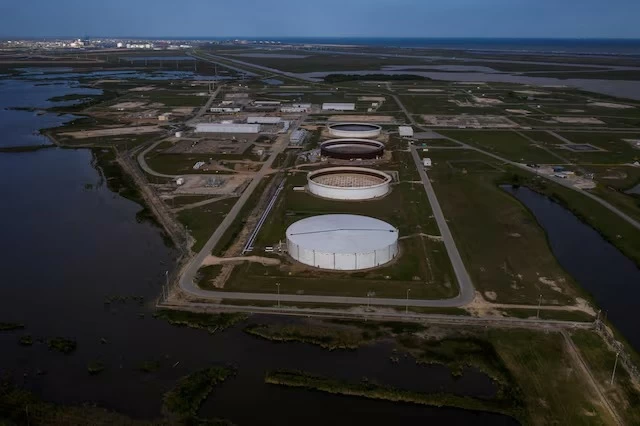
أعلنت إدارة الرئيس الأمريكي دونالد ترمب، أنها ستقوم بإقراض شركات الطاقة نحو 53.3 مليون برميل من النفط الخام من الاحتياطي النفطي الإستراتيجي الأمريكي، في إطار اتفاق دولي يهدف إلى تهدئة أسواق النفط العالمية التي شهدت ارتفاعاً حاداً بسبب الحرب الأمريكية الإسرائيلية مع إيران.
وبحسب وزارة الطاقة الأمريكية، حصلت تسع شركات، من بينها إكسون موبيل وشركة ترافيغورا وشركة ماراثون بتروليوم، على نحو 58% فقط من إجمالي 92.5 مليون برميل كانت الوزارة قد عرضتها للإقراض الشهر الماضي من الاحتياطي الإستراتيجي.
وكانت الوزارة قد أقرضت بالفعل نحو 80 مليون برميل خلال فصل الربيع الحالي، ضمن خطة لإطلاق ما مجموعه 172 مليون برميل في الأسواق.
وتأتي هذه الخطوة ضمن اتفاق تم التوصل إليه في مارس الماضي بين الولايات المتحدة وأكثر من 30 دولة عضو في وكالة الطاقة الدولية للإفراج عن نحو 400 مليون برميل من الاحتياطيات النفطية الإستراتيجية، بهدف تخفيف الضغوط على أسعار النفط والوقود بعد إغلاق إيران لمضيق هرمز، الذي يمر عبره عادة نحو 20% من إمدادات النفط العالمية يومياً.
وقال المدير التنفيذي للوكالة، فاتح بيرول، إن الحرب الحالية تسببت في أكبر أزمة طاقة يشهدها العالم على الإطلاق، مشيراً إلى أن الوكالة مستعدة للإفراج عن كميات إضافية من النفط إذا استمرت اضطرابات الإمدادات العالمية.
وأضاف أن الدول الأعضاء أفرجت حتى الآن عن نحو 20% من احتياطياتها المتاحة.
ويشكل الارتفاع الحاد في أسعار الوقود تحدياً سياسياً لإدارة ترمب والحزب الجمهوري، مع اقتراب انتخابات التجديد النصفي للكونغرس في نوفمبر القادم.
ووفقاً لبيانات نادي السيارات الأمريكي AAA، بلغ متوسط سعر البنزين في الولايات المتحدة 4.52 دولار للغالون، وهو أعلى مستوى يتم تسجيله منذ عام 2022.
وأوضحت وزارة الطاقة أن الشركات المقترضة ستقوم بإعادة كميات النفط لاحقاً على شكل خام، مع علاوات تصل إلى 24%، مؤكدة أن هذه الآلية ستسهم في استقرار الأسواق دون تحميل دافعي الضرائب الأمريكيين أي تكاليف إضافية.
ويُخزن الاحتياطي النفطي الإستراتيجي الأمريكي في كهوف ملحية موزعة على أربعة مواقع في ولايتي تكساس ولويزيانا، ويحتوي حالياً على نحو 384 مليون برميل، وهي كمية تقل عن حجم الاستهلاك العالمي للنفط خلال أربعة أيام فقط.
The administration of U.S. President Donald Trump announced that it will lend energy companies approximately 53.3 million barrels of crude oil from the U.S. Strategic Petroleum Reserve, as part of an international agreement aimed at calming global oil markets that have seen a sharp rise due to the U.S.-Israeli war with Iran.
According to the U.S. Department of Energy, nine companies, including ExxonMobil, Trafigura, and Marathon Petroleum, received only about 58% of the total 92.5 million barrels that the department had offered for lending last month from the Strategic Reserve.
The department had already lent approximately 80 million barrels during the current spring, as part of a plan to release a total of 172 million barrels into the markets.
This step comes as part of an agreement reached last March between the United States and more than 30 member countries of the International Energy Agency to release about 400 million barrels from strategic oil reserves, aimed at alleviating pressure on oil and fuel prices after Iran closed the Strait of Hormuz, through which about 20% of global oil supplies typically pass daily.
The agency's executive director, Fatih Birol, stated that the current war has caused the largest energy crisis the world has ever witnessed, noting that the agency is prepared to release additional quantities of oil if global supply disruptions continue.
He added that member countries have so far released about 20% of their available reserves.
The sharp rise in fuel prices poses a political challenge for the Trump administration and the Republican Party, with the midterm congressional elections approaching in November.
According to data from the American Automobile Association (AAA), the average price of gasoline in the United States reached $4.52 per gallon, the highest level recorded since 2022.
The Department of Energy clarified that the borrowing companies will later return the oil quantities in the form of crude, with premiums reaching up to 24%, confirming that this mechanism will contribute to stabilizing the markets without imposing any additional costs on American taxpayers.
The U.S. Strategic Petroleum Reserve is stored in salt caverns distributed across four sites in Texas and Louisiana, currently containing about 384 million barrels, a quantity that is less than the global oil consumption over just four days.