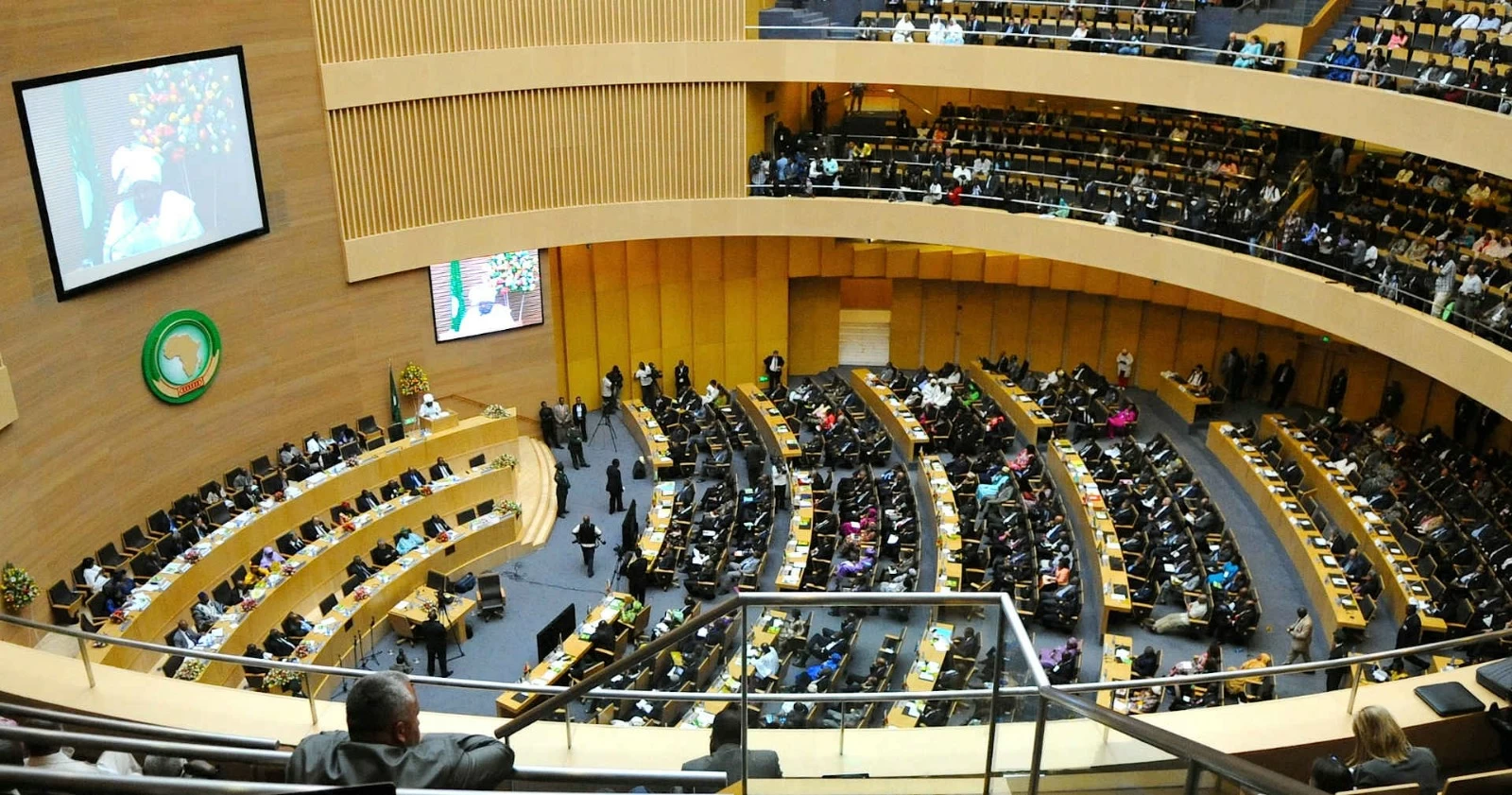
أعرب رئيس مفوضية الاتحاد الأفريقي، محمود علي يوسف، عن قلقه العميق إزاء التصعيد المتجدد في منطقة الخليج، محذراً من تداعياته الخطيرة على الاستقرار الإقليمي والأمن الاقتصادي العالمي.
وقال يوسف في بيان صادر اليوم (الثلاثاء) إن التصعيد يتمثل في استئناف هجمات الطائرات المسيّرة والصواريخ المنسوبة إلى إيران ضد دول مجاورة، بما في ذلك دولة الإمارات العربية المتحدة، بالإضافة إلى استمرار تعطيل حركة الملاحة البحرية في مضيق هرمز.
وحذر الاتحاد الأفريقي من أن هذه التطورات تساهم في زعزعة استقرار المنطقة بشكل أكبر، مؤكداً أن لها انعكاسات مباشرة وخطيرة على أسواق الطاقة العالمية، والأمن الإقليمي، وتزايد ضغوط التضخم، وزيادة الهشاشة الاقتصادية للدول النامية.
ودعا رئيس المفوضية إلى وقف فوري للتصعيد، ووقف الهجمات ضد الدول، والالتزام الكامل بحرية الملاحة البحرية وفقاً للقانون الدولي، كما حث جميع الأطراف المعنية على إعطاء الأولوية لـالحوار والحلول الدبلوماسية لتجنب تفاقم الأزمة.
وأكد الاتحاد الأفريقي مجدداً التزامه بالتسوية السلمية للنزاعات، مشدداً على ضرورة التخفيف من الأثر الاقتصادي لهذه الأزمة على الدول الأفريقية، خصوصا مع ارتفاع أسعار الطاقة وتعطل سلاسل التوريد التي تؤثر سلباً على اقتصادات القارة.
وتأتي هذه التطورات في ظل اعتماد العديد من الدول الأفريقية على واردات الطاقة من الخليج، مما يجعلها عرضة لأي اضطراب في الأسعار أو الإمدادات.
وسبق للاتحاد الأفريقي أن أصدر بيانات مشابهة خلال الأزمات السابقة في المنطقة، مؤكداً على موقفه المبدئي الداعم للسلام والحلول الدبلوماسية بعيداً عن التصعيد العسكري.
The Chairperson of the African Union Commission, Mahmoud Ali Yusuf, expressed his deep concern over the renewed escalation in the Gulf region, warning of its serious implications for regional stability and global economic security.
Yusuf stated in a statement issued today (Tuesday) that the escalation is characterized by the resumption of drone and missile attacks attributed to Iran against neighboring countries, including the United Arab Emirates, in addition to the continued disruption of maritime navigation in the Strait of Hormuz.
The African Union warned that these developments contribute to further destabilizing the region, emphasizing that they have direct and serious repercussions on global energy markets, regional security, increasing inflationary pressures, and the rising economic vulnerability of developing countries.
The Chairperson of the Commission called for an immediate cessation of the escalation, a halt to attacks against countries, and full adherence to freedom of maritime navigation in accordance with international law. He also urged all concerned parties to prioritize dialogue and diplomatic solutions to avoid exacerbating the crisis.
The African Union reiterated its commitment to the peaceful resolution of conflicts, stressing the need to mitigate the economic impact of this crisis on African countries, especially with rising energy prices and disruptions in supply chains negatively affecting the continent's economies.
These developments come amid many African countries' reliance on energy imports from the Gulf, making them vulnerable to any disruptions in prices or supplies.
The African Union has previously issued similar statements during past crises in the region, reaffirming its principled stance in support of peace and diplomatic solutions away from military escalation.