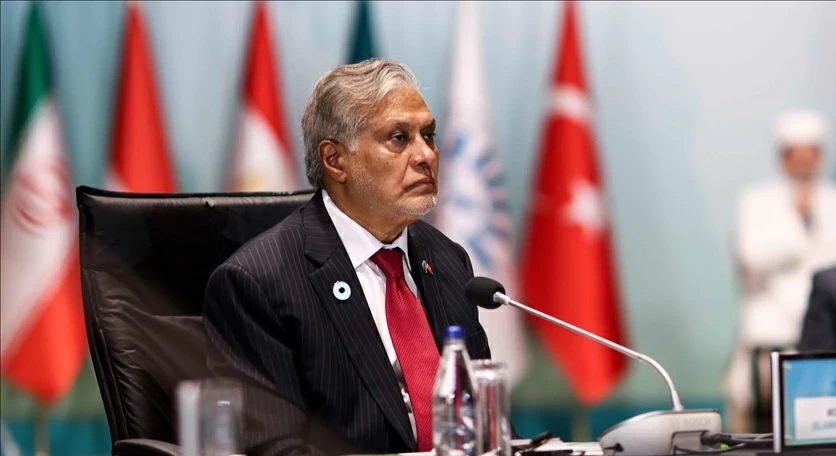
أكد وزير خارجية باكستان إسحاق دار، اليوم (الثلاثاء)، إحراز تقدم كبير بالمفاوضات بين واشنطن وطهران، موضحاً أن بلاده تبذل جهوداً للتوصل لوقف إطلاق النار وبدء الحوار.
وقال دار: «بذلنا جهوداً لمنع وقوع هجمات على دول الخليج ونددنا بالهجمات التي تعرضت لها»، مضيفاً: «المشاورات مستمرة لإنهاء الصراع، ولدينا أمل أننا سننجح بدعم عواصم عدة في إنهائه».
وأشار إلى أن الهدف هو إنهاء الصراع وبطريقة فائز فائز للطرفين، مبيناً أن الأمن الإقليمي مهم للعديد من الدول وكذلك باكستان، ونحظى بدعم بهذا الصدد.
في المقابل، زعم المتحدث باسم الخارجية الإيرانية إسماعيل بقائي أنه لا يمكن تحقيق الأمن الحقيقي بالخليج إلا عبر تعاون محلي بين دول المنطقة، موضحاً أنهم يتفاوضون في أجواء من انعدام الثقة والشك العميق تجاه أمريكا.
وقال بقائي: «لا يمكن نسيان الاعتداءات الأمريكية خلال المفاوضات، ويجب أن نبقى يقظين»، مبيناً أن بلاده قررت التركيز في المفاوضات الحالية على إنهاء الحرب بدل إضاعة الوقت على قضايا معقدة.
وأضاف: «إذا كان الأمريكيون جادين حقاً بشأن الدبلوماسية فعليهم اغتنام الفرصة».
في غضون ذلك، قال وزير الحرب الأمريكي بيت هيغسيث إن وقف إطلاق النار مع إيران لم ينتهِ بعد، لكن على طهران أن تكون حذرة في أفعالها.
وأشار إلى أن العملية الأمريكية الرامية لحماية السفن التجارية من إيران في مضيق هرمز هي عملية مؤقتة، لافتاً إلى أن واشنطن لا تسعى إلى الدخول في صراع.
وقال هيغسيث: «مشروع الحرية دفاعي بطبيعته ومحدود النطاق ومؤقت وله مهمة واحدة وهي حماية السفن التجارية البريئة من العدوان الإيراني، ولن تحتاج القوات الأمريكية إلى دخول المياه الإقليمية أو المجال الجوي الإيراني، هذا ليس ضرورياً، نحن لا نسعى إلى القتال».
Pakistani Foreign Minister Ishaq Dar confirmed today (Tuesday) significant progress in negotiations between Washington and Tehran, stating that his country is making efforts to achieve a ceasefire and initiate dialogue.
Dar said, "We have made efforts to prevent attacks on Gulf countries and condemned the attacks they have faced," adding, "Consultations are ongoing to end the conflict, and we hope that we will succeed with the support of several capitals in bringing it to an end."
He pointed out that the goal is to end the conflict in a win-win manner for both parties, indicating that regional security is important for many countries as well as for Pakistan, and we have support in this regard.
In contrast, Iranian Foreign Ministry spokesman Ismail Baqaei claimed that true security in the Gulf can only be achieved through local cooperation among the countries in the region, explaining that they are negotiating in an atmosphere of distrust and deep skepticism towards America.
Baqaei stated, "We cannot forget the American aggressions during the negotiations, and we must remain vigilant," noting that his country has decided to focus in the current negotiations on ending the war instead of wasting time on complicated issues.
He added, "If the Americans are truly serious about diplomacy, they must seize the opportunity."
Meanwhile, U.S. Secretary of War Pete Hegseth stated that the ceasefire with Iran has not yet ended, but Tehran must be cautious in its actions.
He noted that the U.S. operation aimed at protecting commercial vessels from Iran in the Strait of Hormuz is a temporary operation, emphasizing that Washington is not seeking to enter into conflict.
Hegseth said, "The Freedom Project is defensive in nature, limited in scope, and temporary, with one mission: to protect innocent commercial vessels from Iranian aggression, and U.S. forces will not need to enter Iranian territorial waters or airspace; this is not necessary, we are not seeking to fight."