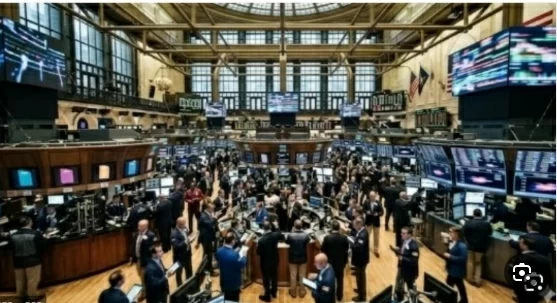
بين احتمال التوصل إلى اتفاق سريع ينهي حرب إيران، وتصعيد كبير قد يدفع أسعار النفط وعوائد السندات إلى مزيد من الارتفاع، يجد مستثمرو الأسواق العالمية أنفسهم عالقين مع انطلاق أسبوع تداول ضعيف السيولة بسبب العطلات. وذلك بحسب ما نشر موقع قناة «العربية. نت».
وفيما منح الرئيس الأمريكي دونالد ترمب مهلة لإيران من أجل التوصل لاتفاق وفتح مضيق هرمز، محذراً إيران من أنها ستعيش في الجحيم حال عدم الاتفاق أو فتح المضيق، كشف مصدر مطلع أن الجانبين الأمريكي والإيراني تلقيا خطة لإنهاء الأعمال القتالية ربما تدخل حيز التنفيذ في وقت لاحق.
وأشار المصدر إلى أن تلك الخطة أو المقترح في حال الموافقة عليه ستقود إلى وقف فوري لإطلاق النار، وإعادة فتح مضيق هرمز، على أن يتم التوصل إلى اتفاق نهائي خلال 15 إلى 20 يوماً.
تضارب عالٍ
أوضح خبراء اقتصاد أن المشهد الجيوسياسي ما زال يتسم بدرجة عالية من التضارب بين التصريحات الأمريكية والإيرانية، رغم الحديث المتكرر عن هدنة محتملة لمدة 45 يوماً.
وأفادوا أن إعلان طهران أن الولايات المتحدة غير مستعدة لوقف دائم لإطلاق النار يشير إلى استمرار التوتر بين الجانبين، وهو ما يبقي الأسواق في حالة قلق واضح.
وذكروا أن ما تحتاجه الأسواق في هذه المرحلة هو الوضوح الكامل، لافتين إلى أن الضبابية الحالية هي العامل الأكبر الذي أثقل كاهل الشركات والمستثمرين؛ لأنها تعيق القدرة على اتخاذ قرارات استراتيجية بعيدة المدى أو تحديد بدائل واضحة في حال تطور الأزمة.
غياب البوصلة
وأكد الخبراء أن غياب البوصلة في ظل المشهد الجيوسياسي الضاغط هو ما يدفع كلاً من المستثمرين قصيري الأجل وطويلي الأجل إلى التريث؛ ما فاقم الضغوط على الأسواق خلال الأسابيع الماضية.
وأضافوا: «الوضع وصل إلى عنق الزجاجة، إذ تقف الأسواق أمام سيناريوهين متناقضين: إما فتح مضيق هرمز والتحرك نحو تهدئة دائمة، أو احتمالات التصعيد العسكري في أي لحظة، وهذه الحالة تجعل القرارات الاستثمارية على الحافة تماماً، وتؤثر بشكل مباشر على المنتجات والأصول الأكثر تداولاً عالمياً».
ونوهوا إلى أن الحلول السياسية للأزمة الحالية ستخدم الأسواق المالية عالمياً، لاسيما أن مضيق هرمز يُعد شرياناً حيوياً للتجارة والطاقة على مستوى العالم.
وبينوا أن عودة الصادرات بكامل طاقتها ستخفف من حالة القلق التي انعكست على حركة الأسواق خلال فترة التوتر.
وذكروا أن تأثير الهدنة المحتملة على أسعار الطاقة والبتروكيماويات سيظل مرهوناً بمدى تنفيذ الاتفاق ومصيره، وأن التفاؤل الحالي مرتبط بحالة ترقب وضرورة تأكيد نتائج المفاوضات؛ لأن الاعتماد على أخبار غير مثبتة قد يعيد التقلبات إلى الأسواق في حال تبدّل أي مسار سياسي.
Between the possibility of reaching a quick agreement to end the Iran war and a significant escalation that could drive oil prices and bond yields even higher, global market investors find themselves stuck as a week of low liquidity trading begins due to holidays. This is according to what was published by the "Al Arabiya.net" channel.
While U.S. President Donald Trump has given Iran a deadline to reach an agreement and open the Strait of Hormuz, warning Iran that it will live in hell if no agreement is reached or the strait is not opened, a knowledgeable source revealed that both the U.S. and Iranian sides have received a plan to end hostilities that may come into effect later.
The source indicated that this plan or proposal, if approved, would lead to an immediate ceasefire and the reopening of the Strait of Hormuz, with a final agreement to be reached within 15 to 20 days.
High Conflict
Economists explained that the geopolitical scene remains characterized by a high degree of conflict between U.S. and Iranian statements, despite the repeated talk of a potential 45-day truce.
They reported that Tehran's announcement that the United States is not ready for a permanent ceasefire indicates continued tension between the two sides, which keeps the markets in a state of clear concern.
They noted that what the markets need at this stage is complete clarity, pointing out that the current ambiguity is the biggest factor weighing on companies and investors; it hinders the ability to make long-term strategic decisions or identify clear alternatives in case the crisis escalates.
Lack of Direction
Experts confirmed that the lack of direction amid the pressing geopolitical scene is what drives both short-term and long-term investors to hesitate; this has exacerbated pressures on the markets in recent weeks.
They added: "The situation has reached a bottleneck, as the markets face two contradictory scenarios: either the opening of the Strait of Hormuz and moving towards a permanent calm, or the possibilities of military escalation at any moment. This condition places investment decisions on the edge and directly affects the most traded products and assets globally."
They pointed out that political solutions to the current crisis would serve global financial markets, especially since the Strait of Hormuz is considered a vital artery for trade and energy worldwide.
They indicated that the full return of exports would alleviate the anxiety reflected in market movements during the period of tension.
They mentioned that the impact of a potential truce on energy and petrochemical prices will remain contingent on the extent of the agreement's implementation and its fate, and that current optimism is linked to a state of anticipation and the need to confirm the results of negotiations; relying on unverified news could bring volatility back to the markets if any political course changes.