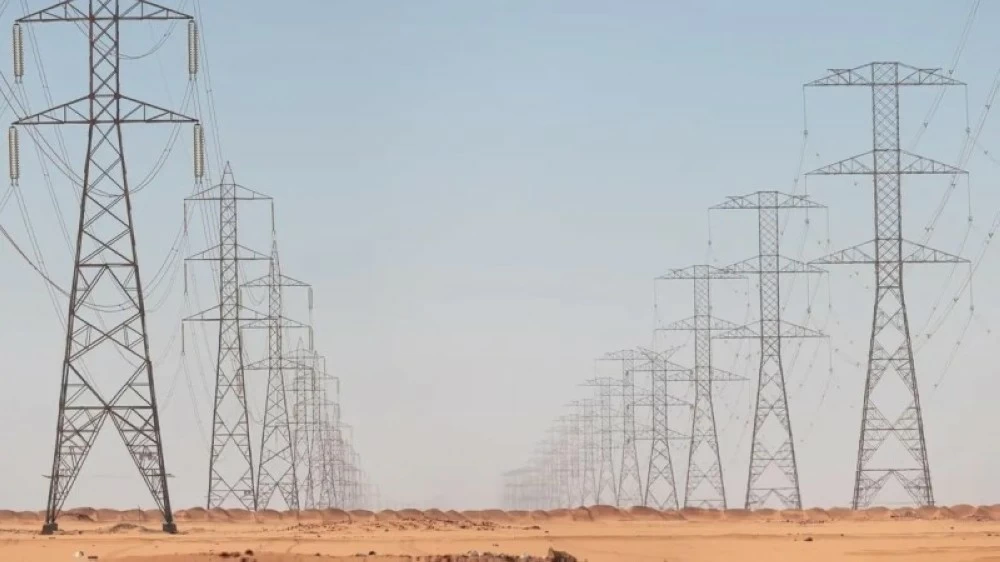
في إنجاز إستراتيجي يعكس عمق الشراكة بين مصر والسعودية، أعلن وزير الكهرباء والطاقة المتجددة المصري الدكتور محمود عصمت اقتراب بدء التشغيل التجريبي لمشروع الربط الكهربائي بين البلدين، حيث سيشهد الأسبوع الأول من يناير 2026 إجراء أول اختبار فعلي للخط الأول بقدرة 1500 ميغاوات.
وخلال كلمته في مؤتمر الأهرام للطاقة، أكد الوزير محمود عصمت أن المرحلة الأولى من المشروع قد اكتملت، وأن اختبارات الخط الثاني (أيضاً 1500 ميغاوات) ستجرى بعد نحو أربعة أشهر من نجاح الخط الأول، مما يرفع القدرة الإجمالية إلى 3000 ميغاوات بحلول منتصف 2026 تقريباً.
مشروع الربط الكهربائي بين السعودية ومصر
ويُعد هذا المشروع، الذي انطلقت فكرته عام 2012 وتم توقيع عقوده التنفيذية في أكتوبر 2021، الأول من نوعه في المنطقة باستخدام تقنية التيار المستمر عالي الجهد (HVDC)، بتكلفة إجمالية تزيد على 1.8 مليار دولار، ويموّله كل من الصندوق الكويتي للتنمية الاقتصادية العربية، والصندوق العربي للإنماء الاقتصادي، والبنك الإسلامي للتنمية، إلى جانب الموارد الذاتية للشركة المصرية لنقل الكهرباء.
تفاصيل مشروع الربط الكهربائي
وتبلغ القدرة الكلية للمشروع 3000 ميغاوات، مقسمة على مرحلتين متساويتين، وتبلغ مكونات مشروع الربط ثلاث محطات تحويل عالية الجهد في بدر (شرق القاهرة) بمصر، وشرق المدينة المنورة وتبوك بالسعودية، مرتبطة بخطوط هوائية طولها نحو 1350 كيلومتراً، وكابلات بحرية طولها نحو 20-22 كيلومتراً عبر خليج العقبة.
ويُنفذ المشروع تحالف دولي يضم شركات مثل هيتاشي اليابانية (للمحطات)، وبريسميان الإيطالية (للكابلات البحرية)، بالإضافة إلى شركات مصرية مثل أوراسكوم كونستراكشن، فيما بلغت نسبة الإنجاز أكثر من 95-98%، مع انتهاء مد الكابلات البحرية ومعظم الاختبارات الفنية.
فوائد الربط الكهربائي مع مصر
ويستغل المشروع الفارق الزمني في أوقات الذروة (نحو 3 - 6 ساعات) بين الشبكتين، مما يقلل استهلاك الوقود، يعزز استقرار الشبكات، ويوفر بديلاً اقتصادياً عن بناء محطات توليد جديدة.
كما يُشكل نواة لشبكة كهربائية عربية موحدة، تربط أفريقيا بآسيا، ويمهد لتصدير الكهرباء إلى أوروبا، دعماً لأهداف الطاقة المتجددة في البلدين (42% في مصر بحلول 2035، و50% في السعودية بحلول 2030).
In a strategic achievement that reflects the depth of the partnership between Egypt and Saudi Arabia, the Egyptian Minister of Electricity and Renewable Energy, Dr. Mahmoud Asmat, announced the imminent start of the trial operation of the electricity interconnection project between the two countries, with the first actual test of the first line with a capacity of 1500 megawatts scheduled for the first week of January 2026.
During his speech at the Al-Ahram Energy Conference, Minister Mahmoud Asmat confirmed that the first phase of the project has been completed, and tests for the second line (also 1500 megawatts) will be conducted about four months after the successful operation of the first line, raising the total capacity to 3000 megawatts by mid-2026.
The Electricity Interconnection Project between Saudi Arabia and Egypt
This project, which originated in 2012 and had its executive contracts signed in October 2021, is the first of its kind in the region using High Voltage Direct Current (HVDC) technology, with a total cost exceeding 1.8 billion dollars. It is funded by the Kuwait Fund for Arab Economic Development, the Arab Fund for Economic and Social Development, and the Islamic Development Bank, in addition to the self-resources of the Egyptian Electricity Transmission Company.
Details of the Electricity Interconnection Project
The total capacity of the project is 3000 megawatts, divided into two equal phases. The components of the interconnection project include three high-voltage converter stations in Badr (east of Cairo) in Egypt, and in East Medina and Tabuk in Saudi Arabia, connected by overhead lines approximately 1350 kilometers long, and underwater cables about 20-22 kilometers long across the Gulf of Aqaba.
The project is being implemented by an international consortium that includes companies such as the Japanese Hitachi (for the stations), the Italian Prysmian (for the underwater cables), in addition to Egyptian companies like Orascom Construction, with the completion rate exceeding 95-98%, as the laying of the underwater cables and most of the technical tests have been completed.
Benefits of the Electricity Interconnection with Egypt
The project takes advantage of the time difference during peak hours (about 3 - 6 hours) between the two networks, which reduces fuel consumption, enhances network stability, and provides an economical alternative to building new power generation stations.
It also forms the nucleus of a unified Arab electricity network that connects Africa to Asia and paves the way for exporting electricity to Europe, supporting the renewable energy goals of both countries (42% in Egypt by 2035, and 50% in Saudi Arabia by 2030).