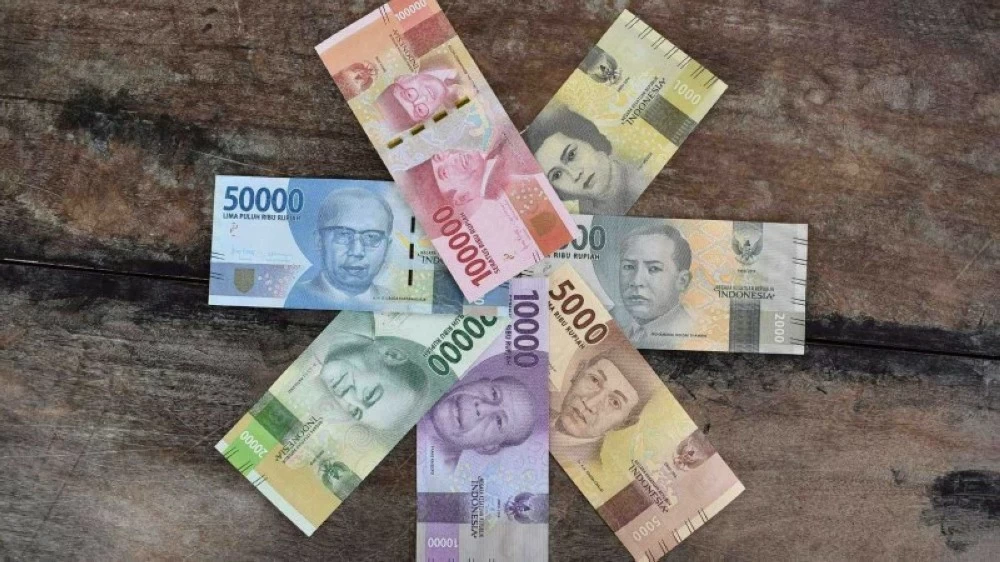
في خطوة جريئة تعيد رسم ملامح المشهد المالي في جنوب شرق آسيا، تستعد إندونيسيا لإزالة الأصفار من عملتها، في محاولة لإحداث نقلة نوعية في طريقة إدارة المدفوعات والمعاملات اليومية. وبينما قد تبدو الخطوة للوهلة الأولى تغييراً شكلياً في تصميم العملة، إلا أنها تحمل في جوهرها رؤية أعمق لتحديث النظام المالي وتسهيل حياة ملايين المواطنين، وفق ما تشير إليه تقارير اقتصادية حديثة.
وتهدف الحكومة وبنك إندونيسيا من وراء هذه الخطوة إلى تحسين الكفاءة في الحسابات والمدفوعات وتقليل الأخطاء الإدارية الناتجة عن وجود أصفار متعددة في العملة، بحسب صحيفة «آسيا تايمز».
ويشير المسؤولون إلى أن تحويل 1000 روبية إلى روبية جديدة سيجعل عمليات المحاسبة والتسعير أكثر سهولة، كما يعكس صورة اقتصادية ناضجة وجاهزة لتحديث نظامها النقدي بهدوء وتروٍّ.
ويأتي هذا في ظل استقرار نسبي لسعر الصرف وثقة قوية بالجهاز المصرفي، وهو ما يختلف تماماً عن تجربة إندونيسيا في عام 1965، عندما خفضت الحكومة قيمة الروبية فعلياً، ما أدى إلى انهيار القوة الشرائية وارتفاع التضخم.
دروس الماضي وأهمية التواصل
تاريخياً، لا يزال الإندونيسيون يخلطون بين إعادة تسعير العملة وخفض قيمتها الحقيقية، وهو ما أثار القلق حول هذه الخطوة الحالية. والفرق الأساس أن إعادة تسعير الروبية الجديدة هي إصلاح فني يتم في ظل الاستقرار الاقتصادي، وليس إجراءً عقابياً كما كان الحال عام 1965.
ولضمان نجاح العملية، تركز الحكومة على أربعة عناصر رئيسية؛ تطبيق فترة انتقالية طويلة تراوح بين 18 و36 شهراً مع تداول مزدوج للعملة، إطلاق حملة توعية شاملة لتوضيح أن القيمة الحقيقية للعملة لن تتغير، تحديث الأنظمة المصرفية والضريبية والرقمية، وتمكين هيئات حماية المستهلك من مراقبة الأسعار ومنع الاستغلال.
وتوضح التجارب السابقة في دول مثل تركيا والبرازيل أن التخطيط المسبق والتواصل المستمر يقللان من القلق النفسي، ويحولان إعادة التقييم إلى خطوة تحديثية بدلاً من أن تكون مصدراً لعدم الثقة.
آثار طويلة المدى
على المدى القصير، تبقى السياسة محايدة تقنياً لأنها لا تغير الأساسيات الاقتصادية. أما على المدى المتوسط والطويل، فقد يعزز تبسيط الروبية تصورات المصداقية الاقتصادية، ويقوي ثقة المستثمرين في قدرة الدولة على إدارة الإصلاحات دون زعزعة الاستقرار.
كما أن الهيكلة الجديدة للعملة قد تسهّل عمليات سوق الأسهم والسندات، وتوفر وضوحاً أكبر لتقييم الأصول، مما قد يجذب المزيد من المستثمرين.
ويشير التقرير إلى أن إعادة التقييم السلسة تعتبر علامة على نضج الحوكمة الاقتصادية، وقد تدعم استقرار الروبية مقابل العملات الأجنبية وتعزز اندماج إندونيسيا في النظم المالية العالمية.
في نهاية المطاف، لا يتعلق الأمر بالأرقام فقط، بل بالمصداقية الاقتصادية؛ إذا نُفذت العملية بدقة وشفافية، فقد تبسط المعاملات وتحديث الأنظمة المالية وتعزز الثقة، بينما التنفيذ السيئ قد يعيد إشعال مخاوف الماضي ويضعف ثقة الجمهور.
هذه الخطوة تمنح إندونيسيا فرصة لإظهار قدرتها على إدارة سياسة نقدية معقدة بثقة واستقرار.
In a bold move that redraws the financial landscape in Southeast Asia, Indonesia is preparing to remove zeros from its currency in an attempt to make a qualitative leap in the way daily payments and transactions are managed. While this step may initially seem like a mere cosmetic change in the design of the currency, it fundamentally carries a deeper vision for modernizing the financial system and facilitating the lives of millions of citizens, according to recent economic reports.
The government and Bank Indonesia aim through this step to improve efficiency in accounting and payments and reduce administrative errors resulting from the presence of multiple zeros in the currency, according to the "Asia Times" newspaper.
Officials indicate that converting 1,000 rupees to new rupees will make accounting and pricing processes easier, and it reflects a mature economic image ready to quietly and cautiously modernize its monetary system.
This comes amid a relative stability in the exchange rate and strong confidence in the banking system, which is completely different from Indonesia's experience in 1965, when the government effectively devalued the rupee, leading to a collapse in purchasing power and rising inflation.
Lessons from the Past and the Importance of Communication
Historically, Indonesians still confuse currency revaluation with a real devaluation, which has raised concerns about this current step. The fundamental difference is that the revaluation of the new rupee is a technical reform carried out in a context of economic stability, not a punitive measure as was the case in 1965.
To ensure the success of the process, the government focuses on four key elements: implementing a long transitional period ranging from 18 to 36 months with dual currency circulation, launching a comprehensive awareness campaign to clarify that the real value of the currency will not change, updating banking, tax, and digital systems, and empowering consumer protection agencies to monitor prices and prevent exploitation.
Previous experiences in countries like Turkey and Brazil show that pre-planning and continuous communication reduce psychological anxiety and turn re-evaluation into a modernization step rather than a source of distrust.
Long-term Effects
In the short term, the policy remains technically neutral as it does not change the economic fundamentals. However, in the medium and long term, simplifying the rupee may enhance perceptions of economic credibility and strengthen investor confidence in the country's ability to manage reforms without destabilizing the situation.
The new currency structure may also facilitate operations in the stock and bond markets and provide greater clarity for asset valuation, which could attract more investors.
The report indicates that a smooth re-evaluation is seen as a sign of mature economic governance and may support the stability of the rupee against foreign currencies and enhance Indonesia's integration into global financial systems.
Ultimately, it is not just about the numbers, but about economic credibility; if the process is executed with precision and transparency, it could simplify transactions, modernize financial systems, and enhance trust, while poor execution could reignite past fears and weaken public confidence.
This step gives Indonesia an opportunity to demonstrate its ability to manage a complex monetary policy with confidence and stability.