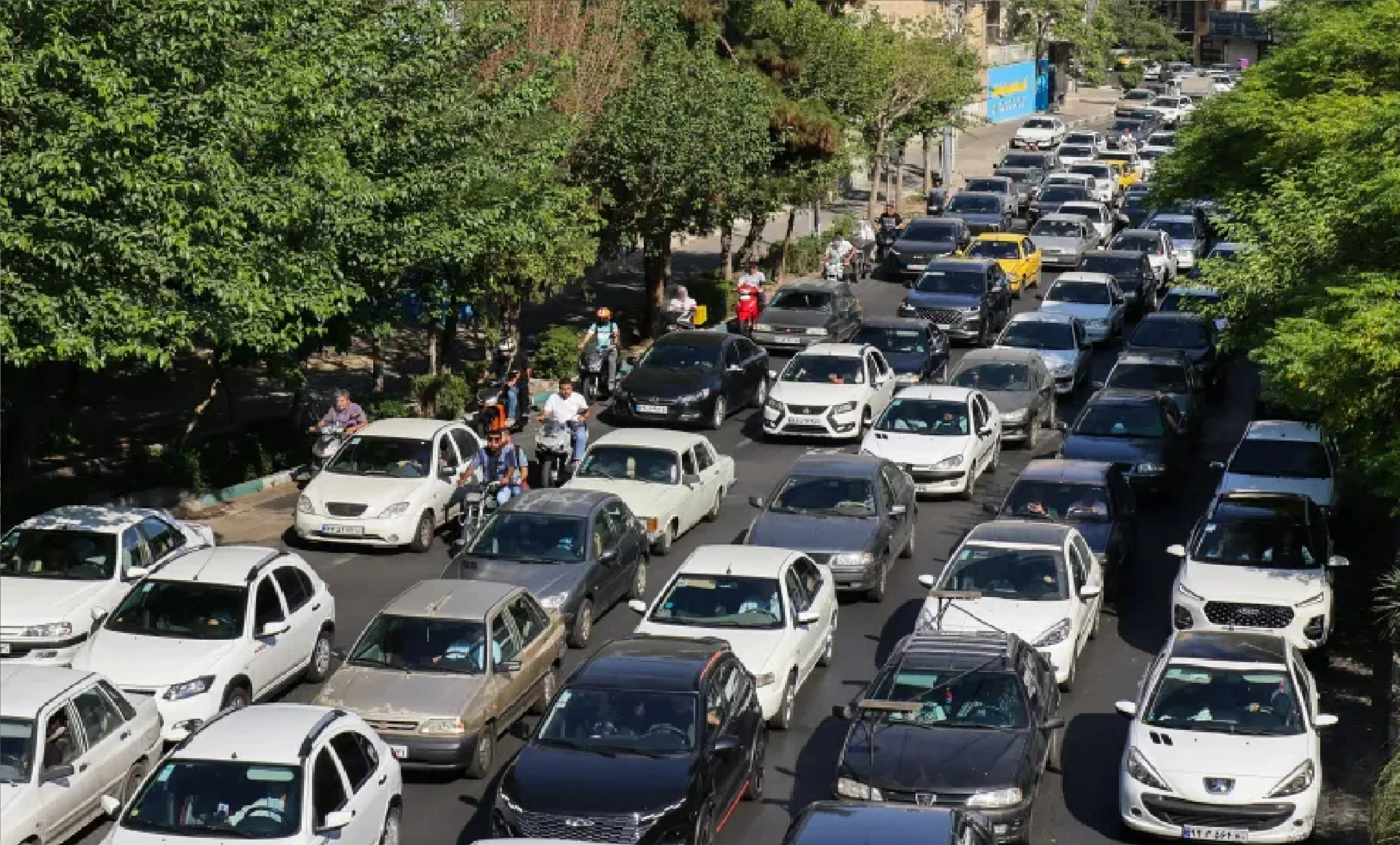
كشفت مفوضية الأمم المتحدة لشؤون اللاجئين، اليوم (الخميس)، نزوح ما يصل إلى 3.2 مليون شخص داخل إيران منذ اندلاع الحرب في 28 فبراير.
وقالت المفوضية في بيان، نقلاً عن تقييمات أولية تستند إلى عدد الأسر النازحة: «من المرجح أن يستمر هذا الرقم في الارتفاع مع استمرار الأعمال القتالية، مما ينذر بتفاقم مقلق في الاحتياجات الإنسانية».
وأشارت المفوضية، إلى أن التقديرات الأولية تستند إلى بيانات تتعلق بعدد الأسر التي اضطرت إلى مغادرة مناطقها، محذرة من أن استمرار الأعمال القتالية قد يؤدي إلى تفاقم الوضع الإنساني داخل البلاد خصوصاً مع تزايد أعداد النازحين وارتفاع الاحتياجات الإنسانية بشكل مقلق.
وذكرت المنظمة الأممية أن فرقها تتابع تطورات الوضع عن كثب، في وقت تتزايد فيه الضغوط على الموارد والخدمات الأساسية في المناطق التي تستقبل النازحين.
وأفادت المنظمة بأن تأثير الحرب طال أيضاً أسر اللاجئين الذين معظمهم من الأفغان، والذين يُعدّون أكثر عرضةً للخطر نظراً لوضعهم المتسم بالهشاشة أصلاً وغياب شبكات الدعم المحدودة المتوفرة لهم. وأكدت المنظمة تحول العاصمة الإيرانية طهران إلى مدينة أشباح جراء مغادرة غالبية سكانها لها، وبحسب المنظمة فإن انعدام الأمن ومحدودية الوصول إلى الخدمات الأساسية في تزايد مستمر.
The United Nations High Commissioner for Refugees revealed today (Thursday) the displacement of up to 3.2 million people within Iran since the outbreak of war on February 28.
The Commission stated in a statement, citing initial assessments based on the number of displaced families: "This figure is likely to continue rising as hostilities persist, signaling a concerning worsening of humanitarian needs."
The Commission noted that the initial estimates are based on data regarding the number of families forced to leave their areas, warning that the continuation of hostilities could exacerbate the humanitarian situation within the country, especially with the increasing number of displaced persons and the alarming rise in humanitarian needs.
The UN organization mentioned that its teams are closely monitoring the developments of the situation, as pressure on resources and essential services in the areas receiving the displaced continues to grow.
The organization reported that the impact of the war has also affected refugee families, most of whom are Afghan, who are considered more at risk due to their already vulnerable status and the lack of limited support networks available to them. The organization confirmed that the Iranian capital, Tehran, has turned into a ghost town due to the departure of the majority of its residents, and according to the organization, insecurity and limited access to basic services are continuously increasing.