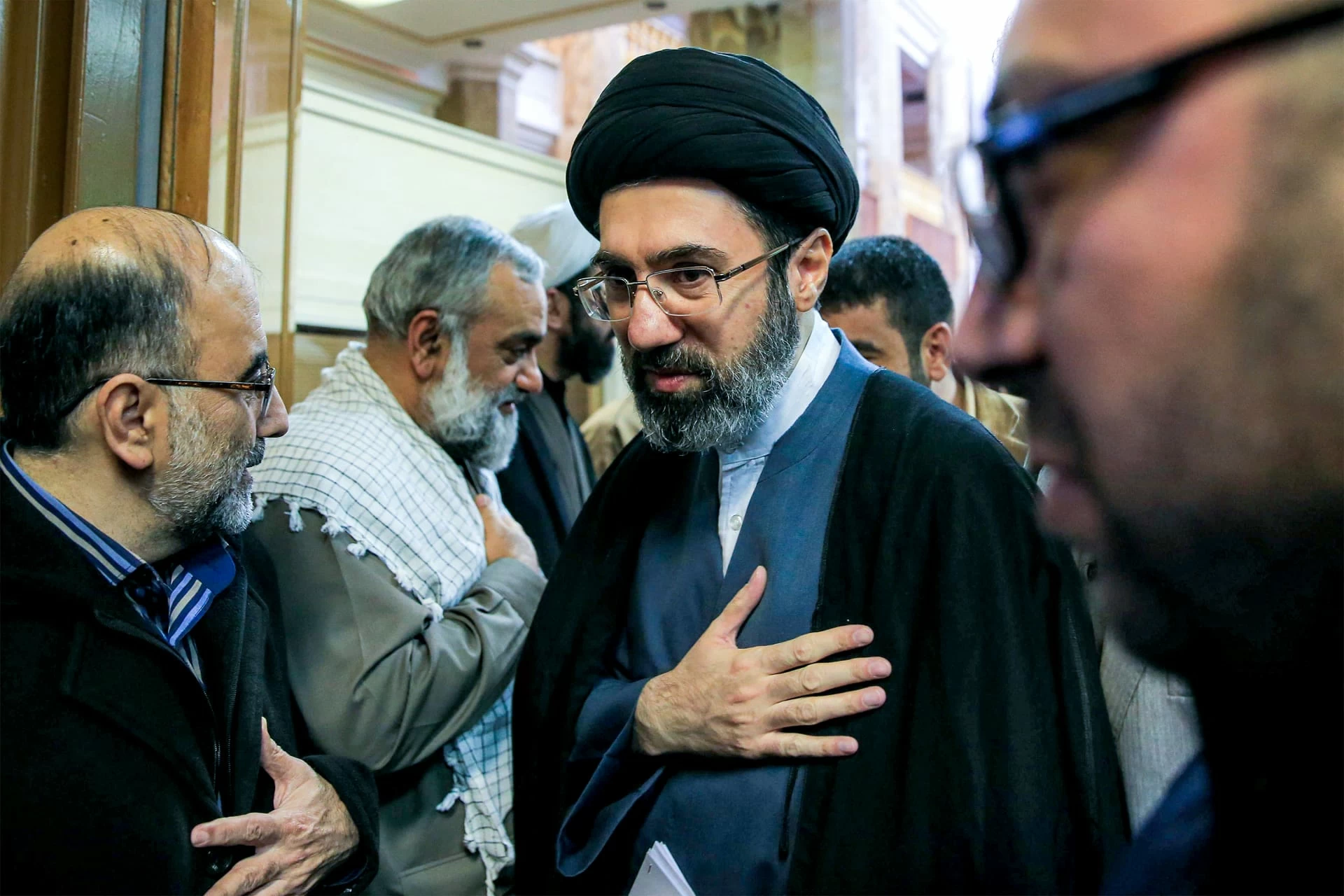
تواجه إيران مأزقاً داخلياً في صنع القرار السياسي، وسط مساعٍ مكثفة للتوصل إلى اتفاق يضع نهاية للحرب. ويرى مراقبون أن تعقيدات الأزمة الداخلية تكمن في غياب المرشد الجديد مجتبى خامنئي، وصراع الأجنحة اللافت، خصوصاً فيما يتعلق بالتنازلات المطلوبة لإبرام «الصفقة» الجديدة مع الولايات المتحدة.
غياب متواصل يثير التساؤلات
وحسب صحيفة «وول ستريت جورنال»، فإن الغياب المتواصل لنجل خامنئي يثير تساؤلات متزايدة داخل الأوساط السياسية الإيرانية بشأن قدرته على إدارة واحدة من أكثر اللحظات تعقيداً في تاريخ البلاد الحديث.
وتشير تقارير متداولة، استناداً إلى ما نقلته مصادر استخباراتية أمريكية ومسؤولون إيرانيون، إلى أن خامنئي الابن تعرض لإصابات بالغة خلال غارة جوية وقعت في أول أيام الحرب، أسفرت عن مقتل زوجته وابنه ووالده المرشد السابق علي خامنئي.
ومنذ تلك الحادثة، لم يظهر المرشد الجديد علناً، لم يُسمع له أي تسجيل صوتي أو مرئي، واقتصر حضوره على بيانات مكتوبة وصور رسمية يشكك مراقبون في مدى أصالتها، مرجحين خضوع بعضها لتعديلات تقنية متقدمة أو إنتاجها عبر أدوات الذكاء الاصطناعي.
انقسامات واضحة بين أجنحة الحكم
ومع دخول النظام الإيراني مرحلة مفاوضات مصيرية لإنهاء الحرب، يزداد وقع هذا الغياب تعقيداً، إذ كشفت المباحثات الجارية انقسامات واضحة بين أجنحة الحكم بشأن طبيعة التنازلات الممكن تقديمها للوصول إلى اتفاق مع الولايات المتحدة.
ووسط غياب موقف واضح من المرشد، تصاعدت الانتقادات داخل التيار المحافظ المتشدد تجاه الشخصيات التي تتصدر المشهد التفاوضي، وعلى رأسها رئيس مجلس النواب محمد باقر قاليباف.
وحسب رؤية مراقبين، فإن الفراغ القيادي يلقي بظلاله على توازنات السلطة داخل نظام طهران التي اعتادت في المنعطفات المصيرية على التدخل المباشر من المرشد الأعلى لحسم الخلافات بين مراكز النفوذ المختلفة.
ويستذكر مراقبون سوابق تاريخية بارزة، منها قرار الخميني إنهاء الحرب العراقية-الإيرانية، والدور الذي لعبه علي خامنئي في إدارة التباينات الداخلية خلال مفاوضات الاتفاق النووي عام 2015، حين منح العملية التفاوضية غطاءً سياسياً واضحاً.
محاولة بزشكيان احتواء الجدل
وفي مسعى لاحتواء الجدل المثار، خرج الرئيس الإيراني مسعود بزشكيان بتصريحات أكد فيها عقد لقاء مطول مع مجتبى خامنئي استمر ساعتين ونصف الساعة، إلا أن عدم الكشف عن توقيت الاجتماع أو مكانه، وتركيزه على طبيعة الحوار دون تفاصيل مضمونه، أبقى الشكوك قائمة.
ورغم ذلك، لا تزال التقديرات تشير إلى أن غياب المرشد الجديد يعكس عجزاً صحياً أو سياسياً يحول دون اضطلاعه الكامل بمهماته في هذه المرحلة الدقيقة.
Iran is facing an internal impasse in political decision-making, amid intensive efforts to reach an agreement that would bring an end to the war. Observers believe that the complexities of the internal crisis lie in the absence of the new leader, Mojtaba Khamenei, and the notable factional struggles, particularly regarding the concessions required to finalize a new "deal" with the United States.
Continuous absence raises questions
According to the Wall Street Journal, the ongoing absence of Khamenei's son raises increasing questions within Iranian political circles about his ability to manage one of the most complex moments in the country's modern history.
Reports circulating, based on information from American intelligence sources and Iranian officials, indicate that Khamenei's son sustained serious injuries during an airstrike that occurred on the first day of the war, which resulted in the deaths of his wife, son, and his father, the former leader Ali Khamenei.
Since that incident, the new leader has not appeared publicly, and no audio or video recordings of him have been heard; his presence has been limited to written statements and official photos, the authenticity of which observers question, suggesting that some may have undergone advanced technical modifications or been produced using artificial intelligence tools.
Clear divisions among ruling factions
As the Iranian regime enters a critical phase of negotiations to end the war, the impact of this absence becomes more complicated, as ongoing discussions have revealed clear divisions among the ruling factions regarding the nature of the concessions that can be offered to reach an agreement with the United States.
Amid the absence of a clear stance from the leader, criticisms have intensified within the hardline conservative faction towards the figures leading the negotiating scene, particularly Speaker of Parliament Mohammad Baqer Qalibaf.
According to observers, the leadership vacuum casts a shadow over the power balances within the Tehran regime, which has been accustomed to direct intervention from the Supreme Leader to resolve disputes among various centers of influence during critical junctures.
Observers recall prominent historical precedents, including Khomeini's decision to end the Iran-Iraq war and the role played by Ali Khamenei in managing internal differences during the nuclear agreement negotiations in 2015, when he provided clear political cover for the negotiation process.
Bezhakian's attempt to contain the controversy
In an effort to contain the ongoing controversy, Iranian President Masoud Bezhakian made statements confirming that he held a lengthy meeting with Mojtaba Khamenei that lasted two and a half hours; however, the failure to disclose the timing or location of the meeting, along with the focus on the nature of the dialogue without details of its content, kept doubts alive.
Despite this, estimates still indicate that the absence of the new leader reflects a health or political incapacity that prevents him from fully undertaking his responsibilities during this critical phase.