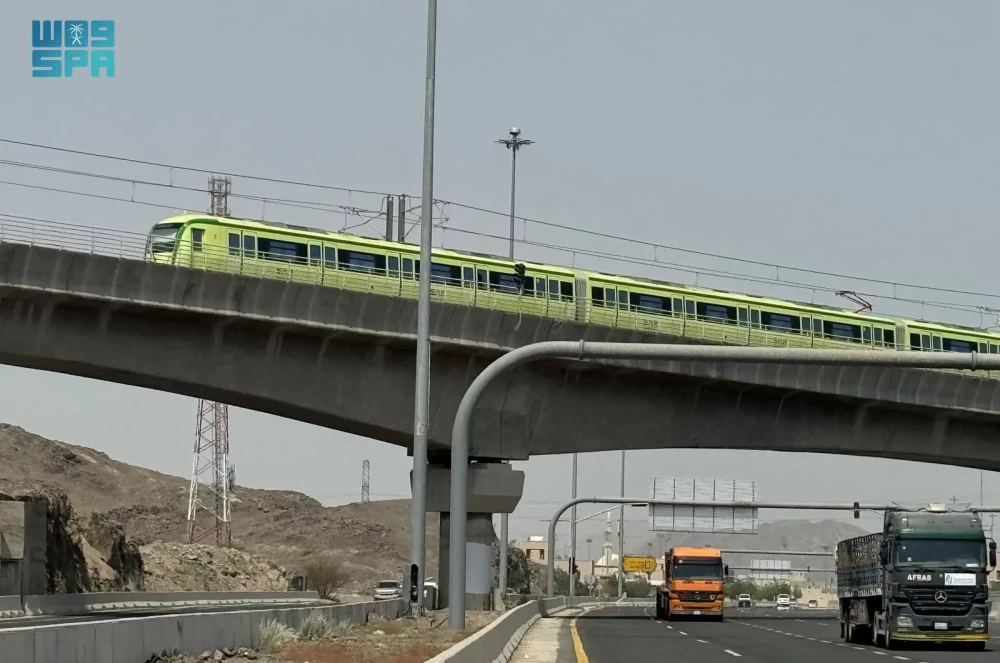
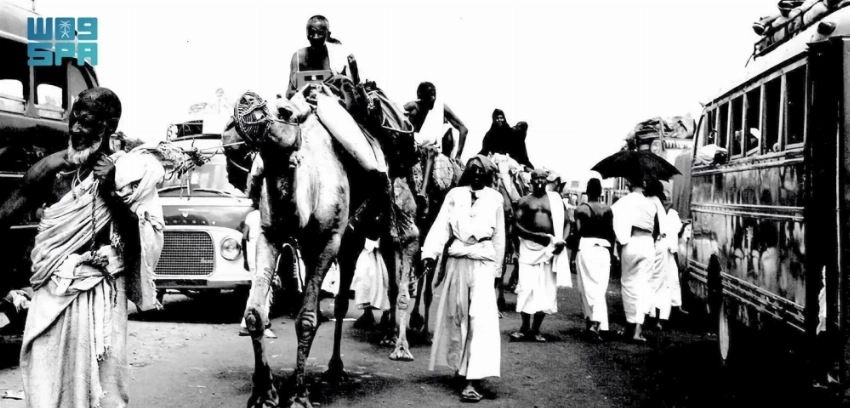
شكّلت وسائل النقل عبر تاريخ الحج أحد أبرز العوامل المؤثرة في تيسير وصول الحجاج إلى بيت الله الحرام، بدءاً من القوافل التي كانت تشق الصحارى على ظهور الإبل، وصولاً إلى القطارات السريعة والمنظومات الذكية التي تدير حركة ملايين الحجاج بكفاءة عالية في العصر الحديث.
إبل الصحارى.
وعبر قرون طويلة، اعتمد الحجاج على وسائل نقل تقليدية تمثلت في الإبل والخيل، ضمن قوافل منظمة تنطلق من مختلف الأقاليم الإسلامية نحو مكة. وكانت تلك القوافل منظومات متكاملة تضم آلاف الحجاج، وتتوقف في محطات محددة للتزود بالمياه والمؤن، وللراحة، قبل استكمال الرحلة إلى المشاعر المقدسة.
ووثقت كتب التاريخ الإسلامي مشاهد وصول الحجاج إلى مكة المكرمة من مختلف أنحاء العالم الإسلامي، ووثقت الكتب مشاهدات رحلات الحج، وطرق القوافل، ومستوى الأمن في الطرق، ومظاهر الحياة في مكة المكرمة في موسم الحج، ورغم أهمية تلك الوسائل في زمانها، إلا أن رحلة الحج كانت تستغرق أحياناً عدة أشهر، وسط تحديات شاقة تمثلت في وعورة الطرق، وتقلبات الطقس، وندرة المياه في بعض المسارات، الأمر الذي جعل أداء الفريضة يتطلب صبراً وجهداً كبيرين.
الطيران والتحول الجذري
في مرحلة لاحقة، شهدت وسائل النقل تحولاً مهماً مع دخول النقل البحري، إذ أصبحت السفن التقليدية والبخارية تنقل الحجاج القادمين من دول آسيا وأفريقيا عبر البحر الأحمر إلى ميناء جدة الإسلامي. ومع تطور وسائل النقل عالمياً، بدأت المركبات الحديثة والحافلات تدخل إلى منظومة الحج، وأسهم إنشاء الطرق السريعة في السعودية في تسريع حركة التنقل بين مكة المكرمة والمشاعر المقدسة والمنافذ البرية والمطارات، ما اختصر زمن الرحلات، ورفع مستويات السلامة والراحة للحجاج.
وأحدث الطيران المدني تحولاً جذرياً في نقل الحجاج، وأصبحت الطائرات الوسيلة الأبرز لوصول ملايين الحجاج سنوياً، وأصبحت المطارات السعودية تستقبل الحجاج عبر منظومة تشغيلية متقدمة. وفي العصر الحديث، طورت السعودية منظومة نقل متكاملة داخل مكة المكرمة والمشاعر المقدسة، تعتمد على أحدث التقنيات لإدارة حركة الحشود بكفاءة عالية، ومن أبرزها مشروع قطار المشاعر المقدسة، الذي يعمل وفق منظومة تشغيلية ذكية تربط بين مشاعر منى وعرفات ومزدلفة عبر مسارات مخصصة، تسهم في نقل أعداد كبيرة من الحجاج بانسيابية عالية، والحد من الازدحام المروري. ويمثل قطار الحرمين السريع نقلة نوعية في خدمات النقل المرتبطة بالحج والعمرة، إذ يربط بين مكة المكرمة والمدينة المنورة مروراً بجدة ومدينة الملك عبدالله الاقتصادية، ويوفر وسيلة نقل سريعة وآمنة وصديقة للبيئة، تختصر زمن الرحلة بين مكة والمدينة إلى نحو ساعتين.
توظيف التقنيات الرقمية
إلى جانب النقل السككي، تعتمد منظومة الحج الحديثة على أسطول ضخم من الحافلات الترددية المزودة بأنظمة تتبع وتقنيات ذكية لإدارة الحركة. وفي إطار مستهدفات رؤية المملكة 2030، شهدت وسائل نقل الحجاج تطوراً متسارعاً عبر توظيف التقنيات الرقمية والذكاء الاصطناعي وتحليل البيانات في إدارة الحشود وتحسين تجربة التنقل داخل المشاعر المقدسة.
وتشمل هذه الحلول تطبيقات ذكية تتيح للحجاج معرفة أوقات التنقل ومسارات الحافلات ومستويات الكثافة في المشاعر، بما يساعد على رفع كفاءة الحركة وتقليل الازدحام.
The means of transportation throughout the history of Hajj have been one of the most significant factors facilitating the arrival of pilgrims to the Sacred House of Allah, starting from the caravans that traversed the deserts on the backs of camels, to the high-speed trains and smart systems that efficiently manage the movement of millions of pilgrims in the modern era.
إبل الصحارى.
For many centuries, pilgrims relied on traditional means of transport represented by camels and horses, within organized caravans that set out from various Islamic regions towards Mecca. These caravans were integrated systems comprising thousands of pilgrims, stopping at designated stations to replenish water and supplies, and for rest, before completing the journey to the holy sites.
The books of Islamic history documented the scenes of pilgrims arriving in Mecca from different parts of the Islamic world, recording the observations of Hajj journeys, the routes of the caravans, the level of security on the roads, and the aspects of life in Mecca during the Hajj season. Despite the importance of these means in their time, the Hajj journey sometimes took several months, amidst challenging obstacles represented by rough roads, weather fluctuations, and water scarcity in some routes, which made performing the obligation require great patience and effort.
Aviation and Radical Transformation
In a later phase, transportation witnessed a significant transformation with the advent of maritime transport, as traditional and steam ships began to transport pilgrims arriving from Asian and African countries across the Red Sea to the Islamic port of Jeddah. With the global development of transportation means, modern vehicles and buses began to enter the Hajj system, and the establishment of highways in Saudi Arabia accelerated the movement between Mecca and the holy sites, as well as the land borders and airports, shortening travel times and enhancing safety and comfort for the pilgrims.
Civil aviation brought about a radical change in transporting pilgrims, and airplanes became the primary means for millions of pilgrims to arrive annually. Saudi airports now receive pilgrims through an advanced operational system. In the modern era, Saudi Arabia has developed a comprehensive transportation system within Mecca and the holy sites, relying on the latest technologies to manage crowd movement efficiently. Among the most notable projects is the Holy Sites Train, which operates according to a smart operational system connecting the sites of Mina, Arafat, and Muzdalifah via dedicated routes, contributing to the smooth transport of large numbers of pilgrims and reducing traffic congestion. The Haramain High-Speed Train represents a qualitative leap in transportation services related to Hajj and Umrah, as it connects Mecca and Medina, passing through Jeddah and King Abdullah Economic City, providing a fast, safe, and environmentally friendly means of transport, reducing the travel time between Mecca and Medina to about two hours.
Utilizing Digital Technologies
In addition to rail transport, the modern Hajj system relies on a massive fleet of shuttle buses equipped with tracking systems and smart technologies for managing movement. In line with the objectives of Vision 2030, the means of transporting pilgrims have rapidly evolved through the employment of digital technologies, artificial intelligence, and data analysis in crowd management and improving the mobility experience within the holy sites.
These solutions include smart applications that allow pilgrims to know the times of transport, bus routes, and density levels in the holy sites, helping to enhance movement efficiency and reduce congestion.