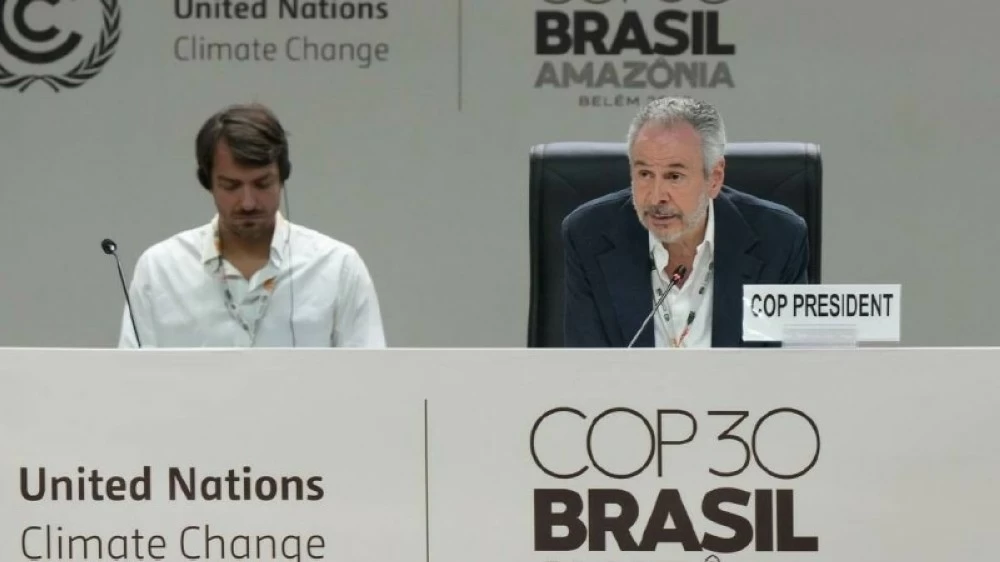
لا يزال مصير قمة الأمم المتحدة للمناخ (COP30) المنعقدة في مدينة بيليم البرازيلية معلقاً، بعدما رفض الاتحاد الأوروبي مسودة الاتفاق النهائي، معتبراً أنها «ضعيفة جداً» ولا ترقى إلى مستوى الطموحات اللازمة للحد من انبعاثات غازات الاحتباس الحراري.
وكان من المقرر أن تنتهي القمة التي استمرت أسبوعين مساء أمس الجمعة، لكن المفاوضات امتدت إلى ساعات الفجر الأولى من يوم السبت، في ظل انقسامات حادة حول ثلاثة محاور رئيسية: مستقبل الوقود الأحفوري، تسريع خفض الانبعاثات، وتمويل المناخ للدول النامية.
مسودة COP30
المسودة التي أصدرتها الرئاسة البرازيلية فجر الجمعة جاءت خالية تماماً من أي إشارة إلى الوقود الأحفوري، بعدما حذفَت كل الخيارات التي كانت موجودة في نسخ سابقة، وذلك تحت ضغط عشرات الدول النفطية الكبرى التي عارضت بشدة أي نص يدعو للابتعاد التدريجي عن النفط والغاز والفحم.
تعنّت أوروبي
الاتحاد الأوروبي (27 دولة) رفض المسودة رفضاً قاطعاً، وقال مفوض المناخ الأوروبي ووبكه هوكسترا: «تحت أي ظرف لن نقبل بهذا النص»، وأشار الاتحاد إلى استعداده لتقديم تنازلات مالية كبيرة للدول النامية، بشرط واحد: تعزيز النصوص المتعلقة بخفض الانبعاثات بشكل جذري.
في المقابل، أكدت تقارير إعلامية برازيلية أن إعادة إدراج أي لغة تتعلق بالوقود الأحفوري «شبه مستحيلة»، وأن الرئاسة تسعى فقط لتعديلات طفيفة على النص الحالي.
موقف الدول العربية
من جانبها، وضعت المجموعة العربية (22 دولة) خطاً أحمر واضحاً، مؤكدًة أن أي استهداف لصناعات الطاقة سيؤدي إلى انهيار المفاوضات بالكامل، فيما هاجمت دول عديدة موقف الاتحاد الأوروبي، مؤكدة أنه «لا يمكن الحديث عن مسار واحد للوقود الأحفوري دون مسار موازٍ وملزم لتمويل المناخ»، وقال أحد المفاوضين: «إذا كان هناك مسار للوقود الأحفوري، فعلينا أن نرى مساراً مماثلاً وملموساً للتمويل».
المسودة الحالية تدعو إلى «مضاعفة تمويل التكيف مع التغير المناخي ثلاث مرات بحلول 2030» مقارنة بمستويات 2025، لكنها تترك الباب مفتوحاً أمام مصادر التمويل (دول غنية، بنوك تنمية، القطاع الخاص) دون التزام واضح من الدول المتقدمة.
دعوة البرازيل
رئيس القمة البرازيلي أندريه كوريا دو لاغو، حذّر الوفود في جلسة علنية من أن «هذه القضية لا يمكن أن تفرقنا»، داعياً إلى إظهار وحدة متعددة الأطراف، خصوصاً في ظل غياب الولايات المتحدة عن القمة بعد عودة الرئيس دونالد ترمب الذي يصف التغير المناخي بـ«الخدعة»، وأضاف دو لاغو أمام المفاوضين: «العالم يراقبنا.. يجب أن نخرج باتفاق بيننا».
وحتى ساعات متأخرة من ليل الجمعة-السبت، كان خيار «الانسحاب الأوروبي» من المفاوضات مطروحاً بقوة على الطاولة، بينما تدرس أطراف أخرى صيغة اتفاق جانبي طوعي حول الوقود الأحفوري خارج النص الرسمي للقمة.
يُذكر أن أي اتفاق نهائي في مؤتمرات المناخ يتطلب موافقة بالإجماع من نحو 200 دولة، وهو ما يجعل كل كلمة في النص النهائي محل صراع مرير حتى اللحظة الأخيرة.
The fate of the United Nations Climate Summit (COP30) held in the Brazilian city of Belém remains uncertain, after the European Union rejected the draft final agreement, considering it "too weak" and not meeting the necessary ambitions to reduce greenhouse gas emissions.
The summit, which was scheduled to conclude on Friday evening after two weeks, extended into the early hours of Saturday morning amid sharp divisions over three main issues: the future of fossil fuels, accelerating emission reductions, and climate financing for developing countries.
COP30 Draft
The draft issued by the Brazilian presidency early Friday was completely devoid of any reference to fossil fuels, having removed all options that were present in previous versions, under pressure from dozens of major oil-producing countries that strongly opposed any text calling for a gradual phase-out of oil, gas, and coal.
European Stubbornness
The European Union (27 countries) firmly rejected the draft, with European Climate Commissioner Wopke Hoekstra stating: "Under no circumstances will we accept this text," and the EU indicated its readiness to offer significant financial concessions to developing countries, with one condition: to radically strengthen the texts related to emission reductions.
In contrast, Brazilian media reports confirmed that re-inserting any language related to fossil fuels is "almost impossible," and that the presidency is only seeking minor adjustments to the current text.
Arab States' Position
For its part, the Arab group (22 countries) set a clear red line, asserting that any targeting of energy industries would lead to a complete collapse of negotiations, while many countries criticized the EU's position, emphasizing that "one cannot talk about a single path for fossil fuels without a parallel and binding path for climate financing." One negotiator stated: "If there is a path for fossil fuels, we need to see a similar and tangible path for financing."
The current draft calls for "tripling financing for climate change adaptation by 2030" compared to 2025 levels, but leaves the door open for sources of financing (rich countries, development banks, the private sector) without a clear commitment from developed countries.
Brazil's Call
The Brazilian summit president, André Correa do Lago, warned delegations in a public session that "this issue cannot divide us," calling for the demonstration of multilateral unity, especially in light of the absence of the United States from the summit following the return of President Donald Trump, who describes climate change as "a hoax." Do Lago added before the negotiators: "The world is watching us... we must come out with an agreement among us."
Even late into the night on Friday-Saturday, the option of "European withdrawal" from the negotiations was strongly on the table, while other parties were considering a voluntary side agreement on fossil fuels outside the official summit text.
It is worth noting that any final agreement at climate conferences requires unanimous approval from about 200 countries, which makes every word in the final text a subject of bitter struggle until the last moment.