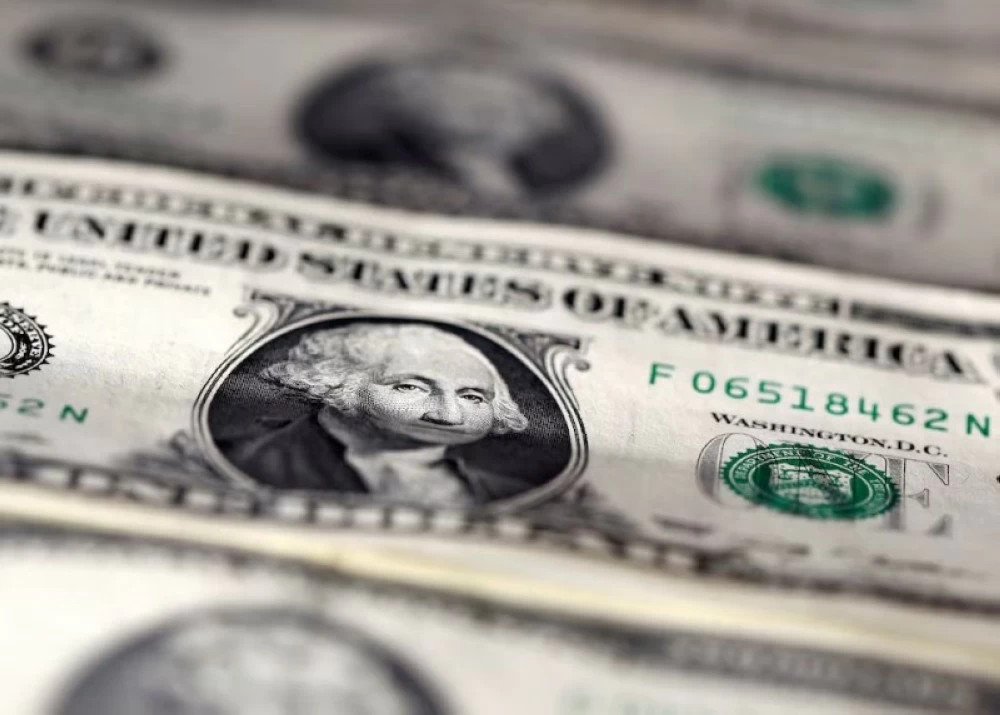
يتجه الدولار الأمريكي، الجمعة، لتسجيل أفضل أداء أسبوعي منذ أكثر من شهر، مدعومًا بتزايد قناعة المستثمرين بأن مجلس الاحتياطي الفيدرالي لن يخفض أسعار الفائدة في اجتماع ديسمبر القادم، خاصة بعد تقرير الوظائف الأمريكي المربك الذي صدر الخميس متأخرًا بسبب الإغلاق الحكومي.
تسارع نمو الوظائف
وأظهر التقرير تسارع نمو الوظائف في سبتمبر، لكن معدل البطالة قفز إلى 4.4%، وهو الأعلى منذ 4 سنوات، مما عمّق الضباب حول الخطوة التالية للفيدرالي. وانخفضت احتمالات خفض الفائدة في ديسمبر إلى 27% فقط وفقًا لأسواق العقود الآجلة.
وبحسب وكالة رويترز، قال اقتصاديون: «تقرير الوظائف لم يوفر الوضوح المطلوب بشأن ديسمبر، ما يجب على الفيدرالي فعله هو خفض 25 نقطة أساس، لكن ما سيفعله بالفعل نقاش مختلف تمامًا، والتوقف لن يفاجئنا».
صعود الدولار
وصعد مؤشر الدولار (DXY) إلى 100.20 نقطة، قريبًا من أعلى مستوى في خمسة أشهر ونصف، مرتفعًا 0.9% خلال الأسبوع، وفي المقابل، ظل اليورو محاصرًا قرب أدنى مستوى في أسبوعين عند 1.1528 دولار (خاسرًا 0.8% أسبوعيًا)، والجنيه الإسترليني عند 1.3084 دولار (خاسرًا 0.7% أسبوعيًا) مع ترقب الميزانية البريطانية المرتقبة.
انهيار الين الياباني
يأتي ذلك، فيما استحوذ الين على اهتمام الأسواق بعدما لامس أدنى مستوى في 10 أشهر عند 157.90 للدولار، متجهًا لخسارة أسبوعية بنحو 2%، وهي الأسوأ منذ أكثر من شهر.
وفاقم الوضع إعلان الحكومة اليابانية الجمعة اعتماد حزمة تحفيز ضخمة بقيمة 21.3 تريليون ين (نحو 135 مليار دولار) في عهد رئيسة الوزراء ساناي تاكايتشي، مما أثار موجة بيع عنيفة على السندات اليابانية والين.
وقالت وزيرة المالية اليابانية ساتسوكي كاتاياما، الجمعة، إن «التدخل في سوق الصرف خيار مطروح» لمواجهة التحركات المضاربية المفرطة، في تصعيد واضح للتحذيرات الشفهية من طوكيو.
تحذير اقتصادي
وحذر فيشنو فاراثان، كبير اقتصاديي بنك ميزوهو في آسيا: «خطر التدخل أصبح الفيل في الغرفة الآن… لكن أي تدخل سيكون انتهازيًا وقصير الأجل، مجرد مطبات سرعة لا حواجز».
يُذكر أن طوكيو كانت قد أنفقت في يوليو 2024 نحو 5.53 تريليون ين (37 مليار دولار) لدعم الين عندما اقترب من أدنى مستوياته في 38 عامًا.
في الوقت نفسه، أظهرت بيانات الجمعة ارتفاع التضخم الأساسي في اليابان إلى 3.0% في أكتوبر، متجاوزًا هدف بنك اليابان (2%) للشهر الثامن عشر على التوالي، مما يُبقي التكهنات حية بشأن رفع محتمل لأسعار الفائدة قريبًا، أما الدولار الأسترالي فاستقر عند 0.6446 والنيوزيلندي عند 0.5588 دولار، بعد خسائر ليلية وسط موجة نفور عامة من المخاطرة في الأسواق العالمية.
The US dollar is set to record its best weekly performance in over a month on Friday, supported by increasing investor conviction that the Federal Reserve will not cut interest rates at the upcoming December meeting, especially after the confusing US jobs report released late Thursday due to the government shutdown.
Acceleration in Job Growth
The report showed an acceleration in job growth in September, but the unemployment rate jumped to 4.4%, the highest in four years, deepening the uncertainty around the Fed's next move. The odds of an interest rate cut in December have fallen to just 27% according to futures markets.
According to Reuters, economists said, "The jobs report did not provide the clarity needed regarding December; what the Fed should do is cut by 25 basis points, but what it will actually do is a completely different discussion, and a pause would not surprise us."
Rise of the Dollar
The dollar index (DXY) rose to 100.20 points, close to its highest level in five and a half months, up 0.9% for the week. In contrast, the euro remained trapped near a two-week low at $1.1528 (down 0.8% weekly), and the British pound at $1.3084 (down 0.7% weekly) while awaiting the upcoming UK budget.
Collapse of the Japanese Yen
This comes as the yen captured market attention after touching a ten-month low at 157.90 per dollar, heading for a weekly loss of about 2%, the worst in over a month.
The situation was exacerbated by the Japanese government's announcement on Friday of a massive stimulus package worth 21.3 trillion yen (about $135 billion) under Prime Minister Sanae Takaiichi, triggering a violent sell-off in Japanese bonds and the yen.
Japanese Finance Minister Satsuki Katayama said on Friday that "intervention in the currency market is an option" to counter excessive speculative movements, in a clear escalation of verbal warnings from Tokyo.
Economic Warning
Vishnu Varathan, chief economist at Mizuho Bank in Asia, warned: "The risk of intervention has become the elephant in the room now... but any intervention would be opportunistic and short-lived, just speed bumps, not barriers."
It is worth noting that Tokyo had spent about 5.53 trillion yen ($37 billion) in July 2024 to support the yen when it approached its lowest levels in 38 years.
At the same time, data released on Friday showed that core inflation in Japan rose to 3.0% in October, exceeding the Bank of Japan's target (2%) for the eighteenth consecutive month, keeping speculation alive about a potential interest rate hike soon. Meanwhile, the Australian dollar stabilized at 0.6446 and the New Zealand dollar at 0.5588, following overnight losses amid a general aversion to risk in global markets.