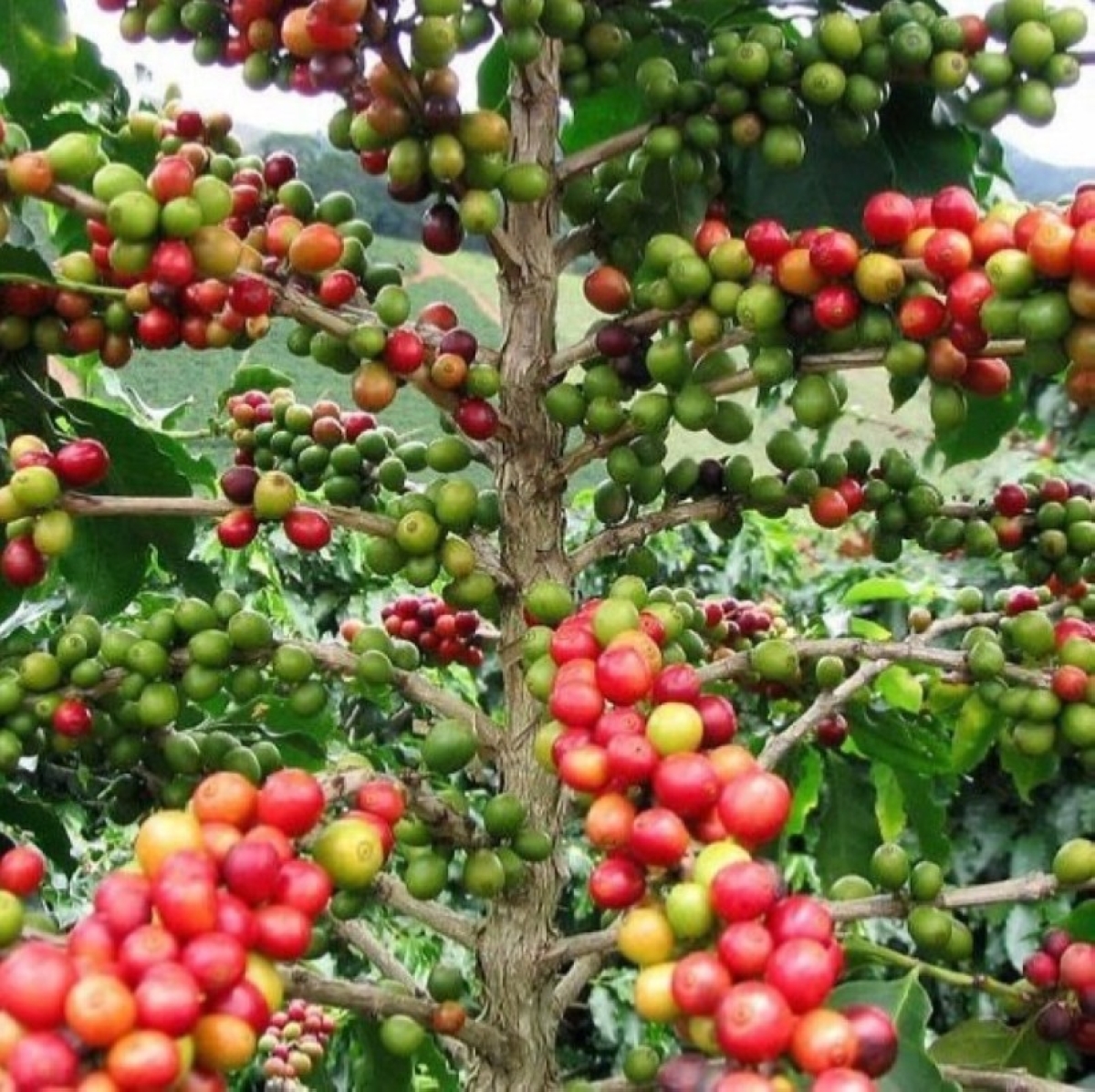
طرح المركز الوطني للوقاية من الآفات النباتية والأمراض الحيوانية ومكافحتها (وقاء) مقترح مشروع متكامل لشروط وضوابط دقيقة لاستيراد وتداول شتلات البن في المملكة.
ويقدم المشروع تأسيس منظومة رقابية محكمة تضمن سلامة وجودة الشتلات، وتحصين محاصيل البن المحلية والأنظمة البيئية من أي مخاطر حيوية محتملة.
ويهدف المقترح إلى منع دخول الآفات النباتية الخطيرة إلى البلاد، وتنظيم حركة تداول الشتلات داخلياً لضمان تتبعها ومراقبتها بشكل فعال، ما يحد من الممارسات العشوائية التي قد تضر بهذا القطاع الزراعي الحيوي الذي يستفيد منه آلاف المزارعين.
كما تفرض الضوابط المقترحة سلسلة من الإجراءات المشددة التي تبدأ من بلد المنشأ، حيث ألزم المشروع المستوردين بتقديم طلب منفصل لكل بلد مصدر، مع إرفاق مستندات تفصيلية تشمل فاتورة الشراء والاسم العلمي للنباتات.
فحص مخبري
وحظر المشروع بشكل قاطع استيراد أي شتلات مأخوذة من أمهات محورة وراثياً، مانحاً الجهات الرسمية الحق في إيقاف أي إذن استيراد فور ظهور تهديدات بكتيرية في بلد التصدير، واشترط أن تكون كل شحنة مصحوبة بشهادة منشأ وشهادة صحة نباتية صادرة عن جهات رسمية، وأن يكون المشتل المصدّر معتمداً لدى السلطات المختصة في بلده.
وتتضمن الاشتراطات ضرورة استيراد الشتلات من مناطق مُعلنة خالية تماماً من بكتيريا «Xylella fastidiosa» الفتاكة، مع تقديم نتائج فحص مخبري تؤكد خلوها من المسببات المرضية قبل 15 يوماً من الشحن.
مرحلة ثانية
وأكد المقترح أنه عند وصول الشحنات إلى المنافذ السعودية تبدأ مرحلة ثانية من التدقيق لا تقل صرامة، ويتم فحص جميع الوثائق ومطابقتها مع الشحنة، قبل سحب عينات لإجراء فحوصات مخبرية دقيقة للكشف عن قائمة واسعة من الآفات، تشمل بكتيريا تدهور الزيتون، وأنواعاً متعددة من النيماتودا، وأمراضاً فطرية وحشرية خطيرة.
وتتميز هذه الإجراءات بفرض فترة رقابة غير مسبوقة تمتد لعامين كاملين بعد دخول الشتلات السليمة، وتُنقل أولاً إلى مشاتل حجر معتمدة لمدة 6 أشهر، ثم تظل تحت المراقبة الميدانية في موقع الزراعة الدائم لسنة ونصف السنة، مع منع أخذ أي مواد إكثار منها خلال هذه الفترة لضمان عدم ظهور أي أمراض كامنة.
اعتماد رسمي
كما ألزم المشروع مشاتل الإنتاج المحلية بالحصول على اعتماد رسمي، واستخدام حقول أمهات نقية ومسجلة لدى «وقاء» كمصدر وحيد لمواد الإكثار، مع حظر إنتاج أي أصناف غير معتمدة رسمياً.
وتخضع المشاتل المحلية لـ3 زيارات تفتيشية ميدانية ومعملية من قبل مفتشي «وقاء»، تبدأ من فحص البذور قبل الزراعة، مروراً بفحص الشتلات في مراحل نموها الأولى، وانتهاءً بالفحص النهائي قبل تجهيزها للبيع والتداول، مع أخذ عينات عشوائية للفحص المخبري.
ولتكتمل حلقة الرقابة، نص المشروع على أن جميع الشتلات المتداولة داخل المملكة يجب أن تحمل شهادة نقل رسمية صادرة من المركز، مع قيام المفتشين بزيارات دورية للأسواق والمزارع لمتابعة الحالة الصحية للنباتات، واتخاذ إجراءات فورية بحجز وإتلاف أي شتلات مصابة أو مجهولة المصدر، ما يوفر حماية مباشرة للمزارعين ويضمن وصول منتج سليم وعالي الجودة إلى الحقول السعودية.
The National Center for the Prevention of Plant Pests and Animal Diseases and their Control (Waqea) has proposed a comprehensive project for precise conditions and regulations for the import and trade of coffee seedlings in the Kingdom.
The project establishes a rigorous regulatory system that ensures the safety and quality of seedlings, and protects local coffee crops and ecosystems from any potential biological risks.
The proposal aims to prevent the entry of dangerous plant pests into the country and to regulate the internal movement of seedlings to ensure effective tracking and monitoring, thereby limiting random practices that could harm this vital agricultural sector that benefits thousands of farmers.
The proposed regulations impose a series of stringent procedures starting from the country of origin, where the project requires importers to submit a separate application for each exporting country, along with detailed documents including the purchase invoice and the scientific name of the plants.
Laboratory Testing
The project categorically prohibits the import of any seedlings taken from genetically modified mothers, granting official authorities the right to halt any import permit immediately upon the emergence of bacterial threats in the exporting country. It requires that each shipment be accompanied by a certificate of origin and a phytosanitary certificate issued by official bodies, and that the exporting nursery be accredited by the relevant authorities in its country.
The conditions include the necessity of importing seedlings from areas declared completely free of the deadly "Xylella fastidiosa" bacteria, with laboratory test results confirming their freedom from pathogens provided 15 days prior to shipping.
Second Phase
The proposal confirms that upon the arrival of shipments at Saudi ports, a second phase of scrutiny begins that is no less stringent. All documents are examined and matched with the shipment before samples are taken for precise laboratory tests to detect a wide range of pests, including olive decline bacteria, various types of nematodes, and serious fungal and insect diseases.
These procedures feature an unprecedented monitoring period extending for two full years after the entry of healthy seedlings, which are first transferred to accredited quarantine nurseries for 6 months, then remain under field monitoring at the permanent planting site for one and a half years, with a prohibition on taking any propagation materials from them during this period to ensure no latent diseases emerge.
Official Accreditation
The project also requires local production nurseries to obtain official accreditation and to use pure and registered mother fields with "Waqea" as the sole source of propagation materials, prohibiting the production of any non-officially approved varieties.
Local nurseries are subject to 3 field and laboratory inspection visits by "Waqea" inspectors, starting from seed inspection before planting, through the inspection of seedlings in their early growth stages, and concluding with the final inspection before they are prepared for sale and trade, with random samples taken for laboratory testing.
To complete the monitoring loop, the project stipulates that all seedlings traded within the Kingdom must carry an official transport certificate issued by the center, with inspectors conducting regular visits to markets and farms to monitor the health status of the plants and taking immediate action to seize and destroy any infected or unknown-source seedlings, thus providing direct protection for farmers and ensuring that a sound and high-quality product reaches Saudi fields.