


أكد وزير المالية محمد الجدعان أن المملكة تمضي بخطى واثقة نحو تحقيق أهداف «رؤية 2030» لتنويع الاقتصاد الوطني بعيدا عن النفط، مشيرا إلى أن التحول الاقتصادي الجاري في المملكة ليس بالأمر السهل، بل يتطلب رؤية جريئة وخططا عملية لبناء زخم مستدام للتغيير.
جاءت تصريحات الجدعان خلال جلسة استضافها «المجلس الأطلسي» على هامش الاجتماعات السنوية للبنك الدولي وصندوق النقد الدولي لعام 2025 في العاصمة الأمريكية واشنطن، إذ تناول الوزير الملفات الاقتصادية السعودية والعالمية، إلى جانب المخاطر المتنامية للدين السيادي وسبل معالجتها.
وقال الجدعان: إن السعودية لا تنوي فرض أي زيادات ضريبية على الاقتصاد، موضحا أن سياسة الحكومة تركز على توسيع حجم الاقتصاد المحلي، وزيادة الإيرادات غير النفطية، وتقليل مستويات الدين العام من خلال الاستثمار في برامج إستراتيجية إنتاجية تخلق فرص العمل وتعزز النمو الاقتصادي المستدام.
وأضاف أن معدل البطالة في السعودية بلغ أدنى مستوياته على الإطلاق، مؤكدا أن هذا الإنجاز لم يتحقق بمحض الصدفة، وإنما نتيجة تنفيذ رؤية واقعية تستند إلى سياسات تنموية واضحة وأهداف محددة.
وأوضح وزير المالية أن العجز المالي في الموازنة السعودية «اختياري» بطبيعته، لأنه ناتج عن الاستثمار المتعمد في مشاريع تنموية ذات عوائد إستراتيجية، تسهم في تحفيز النمو وتنويع الاقتصاد، مؤكدا أن نسبة الدين إلى الناتج المحلي الإجمالي في السعودية تبقى من بين الأدنى على مستوى دول مجموعة العشرين.
وشدد الجدعان على أن الحكومة مستمرة في العمل على رفع مساهمة الناتج المحلي غير النفطي لتصل إلى نحو 65% من إجمالي الناتج المحلي بحلول عام 2030، وذلك من خلال تطوير قطاعات جديدة وتعزيز مرونة الاقتصاد الوطني أمام التقلبات العالمية.
الجدعان: لا نية لزيادة الأعباء الضريبية على الاقتصاد
15 أكتوبر 2025 - 16:30
|
آخر تحديث 15 أكتوبر 2025 - 16:30
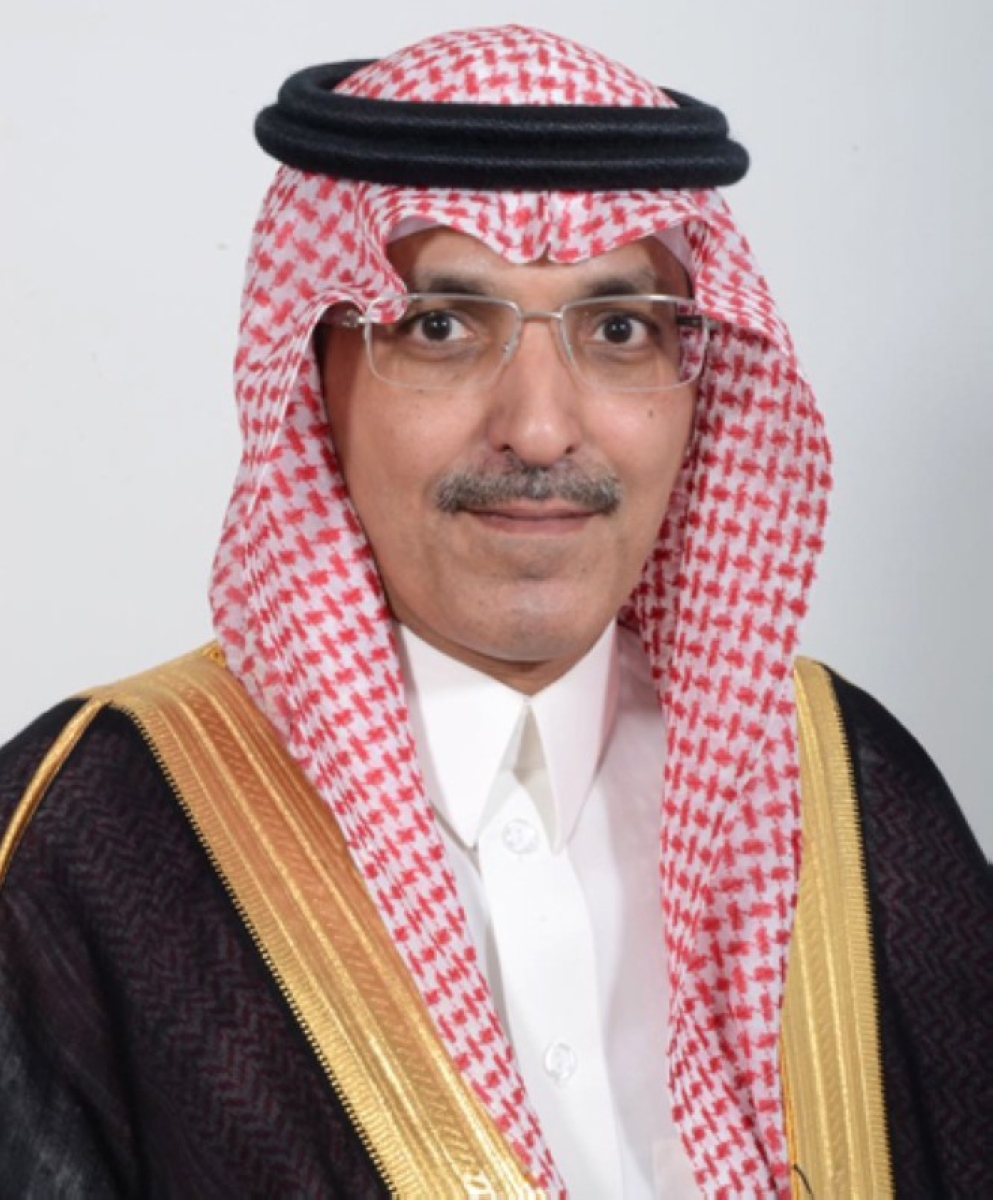
محمد الجدعان.


تابع قناة عكاظ على الواتساب
«عكاظ» (واشنطن) @okaz_online
The Minister of Finance, Mohammed Al-Jadaan, confirmed that the Kingdom is confidently moving towards achieving the goals of "Vision 2030" to diversify the national economy away from oil, noting that the ongoing economic transformation in the Kingdom is not an easy task, but requires bold vision and practical plans to build sustainable momentum for change.
Al-Jadaan's statements came during a session hosted by the "Atlantic Council" on the sidelines of the annual meetings of the World Bank and the International Monetary Fund for 2025 in the U.S. capital, Washington, where the minister addressed Saudi and global economic issues, as well as the growing risks of sovereign debt and ways to address them.
Al-Jadaan stated that Saudi Arabia does not intend to impose any tax increases on the economy, explaining that the government's policy focuses on expanding the size of the local economy, increasing non-oil revenues, and reducing public debt levels through investment in strategic productive programs that create job opportunities and enhance sustainable economic growth.
He added that the unemployment rate in Saudi Arabia has reached its lowest level ever, emphasizing that this achievement was not coincidental, but rather the result of implementing a realistic vision based on clear developmental policies and specific goals.
The Minister of Finance clarified that the budget deficit in Saudi Arabia is "optional" by nature, as it results from deliberate investment in developmental projects with strategic returns, contributing to stimulating growth and diversifying the economy, affirming that the debt-to-GDP ratio in Saudi Arabia remains among the lowest in the G20 countries.
Al-Jadaan stressed that the government continues to work on raising the contribution of non-oil GDP to about 65% of the total GDP by 2030, through the development of new sectors and enhancing the resilience of the national economy against global fluctuations.
Al-Jadaan's statements came during a session hosted by the "Atlantic Council" on the sidelines of the annual meetings of the World Bank and the International Monetary Fund for 2025 in the U.S. capital, Washington, where the minister addressed Saudi and global economic issues, as well as the growing risks of sovereign debt and ways to address them.
Al-Jadaan stated that Saudi Arabia does not intend to impose any tax increases on the economy, explaining that the government's policy focuses on expanding the size of the local economy, increasing non-oil revenues, and reducing public debt levels through investment in strategic productive programs that create job opportunities and enhance sustainable economic growth.
He added that the unemployment rate in Saudi Arabia has reached its lowest level ever, emphasizing that this achievement was not coincidental, but rather the result of implementing a realistic vision based on clear developmental policies and specific goals.
The Minister of Finance clarified that the budget deficit in Saudi Arabia is "optional" by nature, as it results from deliberate investment in developmental projects with strategic returns, contributing to stimulating growth and diversifying the economy, affirming that the debt-to-GDP ratio in Saudi Arabia remains among the lowest in the G20 countries.
Al-Jadaan stressed that the government continues to work on raising the contribution of non-oil GDP to about 65% of the total GDP by 2030, through the development of new sectors and enhancing the resilience of the national economy against global fluctuations.


