


أكد وزير الصناعة والثروة المعدنية بندر الخريف أن الرؤية الوطنية رسمت مساراً واضحاً لبناء اقتصاد مزدهر يقوم على تنويع القاعدة الإنتاجية، ورفع مساهمة القطاع الخاص إلى 65% من الناتج المحلي الإجمالي، وزيادة نسبة الصادرات غير النفطية لتصل إلى 50% من الناتج المحلي غير النفطي.
وأضاف خلال كلمته الافتتاحية في النسخة الثالثة من مؤتمر الحديد والصلب: «يمثل المؤتمر فرصة متجددة لتجسيد ما نؤمن به في منظومة الصناعة والثروة المعدنية من أهمية الحوار والشراكة مع القطاع الخاص، الذي نعتبره أساساً في مسيرة التنوع الاقتصادي التي تشهدها المملكة وفق رؤية السعودية 2030».
وأوضح أن قطاعي الصناعة والتعدين يبرزان في قلب هذا الطموح بوصفهما ركيزتين أساسيتين للتنوع الاقتصادي، ومصدرين مهمين لتحقيق مستهدفات الرؤية، مشيراً إلى أن قطاع الحديد يحتل موقعاً إستراتيجياً في القيمة السوقية للمعادن المصنعة عالمياً، ما يجعله حجر الزاوية في سلاسل الإمداد الصناعية.
وتابع الخريف: «استشعاراً لأهمية القطاع، صدرت الموافقة في أغسطس 2024 على الخطة الوطنية لإعادة هيكلة قطاع الحديد، لتكون خارطة طريق لتطويره وتمكينه وضمان استدامته ومواكبته للتغيرات العالمية».
وأشار إلى أن المركز الصناعي استكمل في شهر سبتمبر الماضي دراسة شاملة لقطاع الحديد في المملكة، تضمنت تحليل السوق المحلية ومعدلات الاستهلاك وحجم الواردات والمواصفات القياسية الحالية والمستقبلية، مؤكداً أن نتائج الدراسة أظهرت جاذبية عالية للسوق السعودية، وقدرته على استيعاب استثمارات نوعية تعزز تنافسيته، رغم وجود بعض الفجوات التي يجري العمل على معالجتها.
الخريف: زيادة الصادرات غير النفطية إلى 50%
15 أكتوبر 2025 - 15:39
|
آخر تحديث 15 أكتوبر 2025 - 15:39
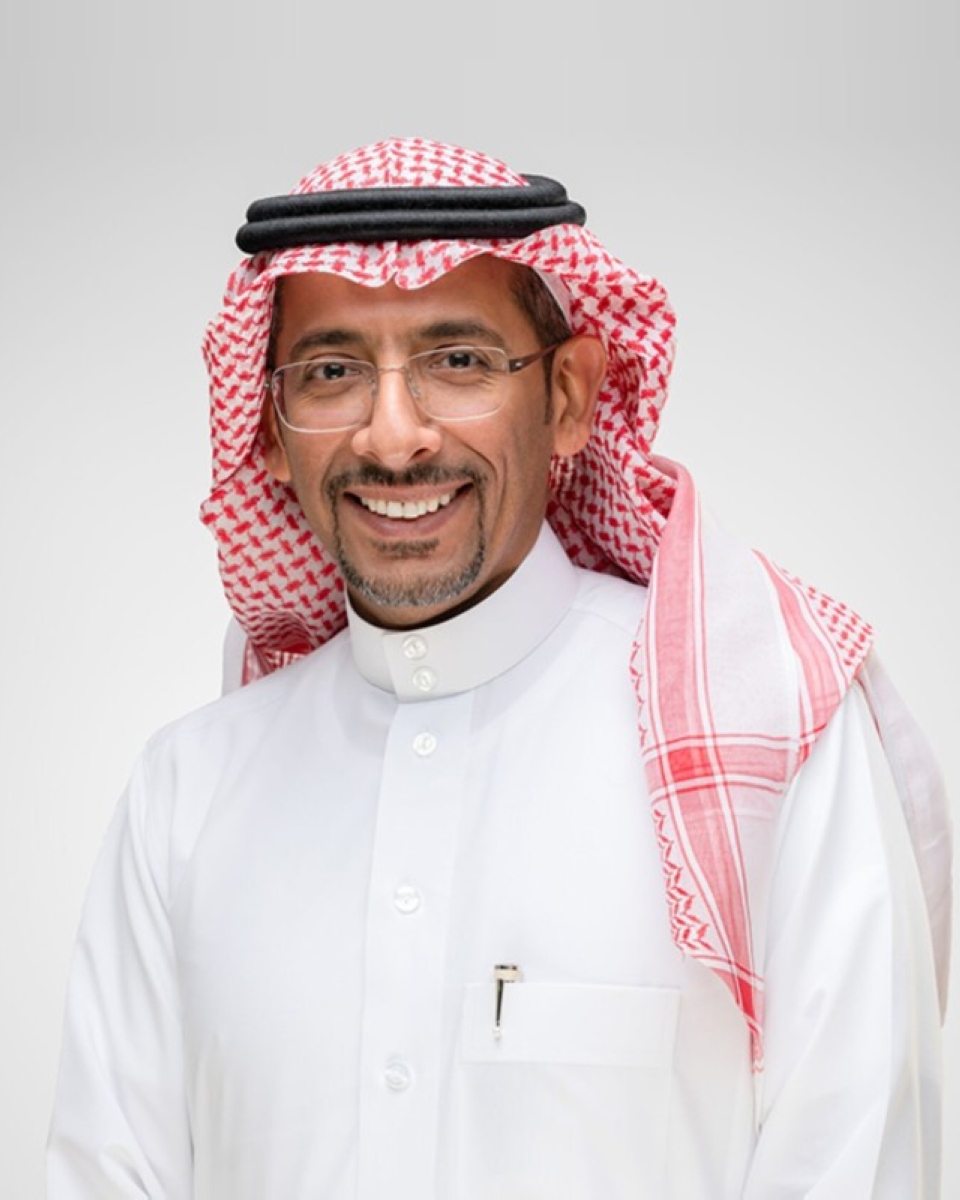
بندر الخريف


تابع قناة عكاظ على الواتساب
«عكاظ» (الرياض) @okaz_online
The Minister of Industry and Mineral Resources, Bandar Al-Khorayef, confirmed that the national vision has charted a clear path for building a prosperous economy based on diversifying the production base, raising the private sector's contribution to 65% of the GDP, and increasing the share of non-oil exports to reach 50% of the non-oil GDP.
He added during his opening speech at the third edition of the Iron and Steel Conference: "The conference represents a renewed opportunity to embody what we believe in the industrial and mineral resources system regarding the importance of dialogue and partnership with the private sector, which we consider fundamental to the economic diversification journey that the Kingdom is witnessing in accordance with Saudi Vision 2030."
He explained that the industrial and mining sectors stand at the heart of this ambition as they are two essential pillars for economic diversification and important sources for achieving the vision's objectives, noting that the iron sector occupies a strategic position in the market value of manufactured minerals globally, making it a cornerstone in industrial supply chains.
Al-Khorayef continued: "In recognition of the sector's importance, approval was granted in August 2024 for the national plan to restructure the iron sector, to serve as a roadmap for its development, empowerment, and ensuring its sustainability and alignment with global changes."
He pointed out that the industrial center completed a comprehensive study of the iron sector in the Kingdom last September, which included an analysis of the local market, consumption rates, import volumes, and current and future standards, affirming that the study's results showed a high attractiveness for the Saudi market and its ability to absorb quality investments that enhance its competitiveness, despite some gaps that are being addressed.
He added during his opening speech at the third edition of the Iron and Steel Conference: "The conference represents a renewed opportunity to embody what we believe in the industrial and mineral resources system regarding the importance of dialogue and partnership with the private sector, which we consider fundamental to the economic diversification journey that the Kingdom is witnessing in accordance with Saudi Vision 2030."
He explained that the industrial and mining sectors stand at the heart of this ambition as they are two essential pillars for economic diversification and important sources for achieving the vision's objectives, noting that the iron sector occupies a strategic position in the market value of manufactured minerals globally, making it a cornerstone in industrial supply chains.
Al-Khorayef continued: "In recognition of the sector's importance, approval was granted in August 2024 for the national plan to restructure the iron sector, to serve as a roadmap for its development, empowerment, and ensuring its sustainability and alignment with global changes."
He pointed out that the industrial center completed a comprehensive study of the iron sector in the Kingdom last September, which included an analysis of the local market, consumption rates, import volumes, and current and future standards, affirming that the study's results showed a high attractiveness for the Saudi market and its ability to absorb quality investments that enhance its competitiveness, despite some gaps that are being addressed.


