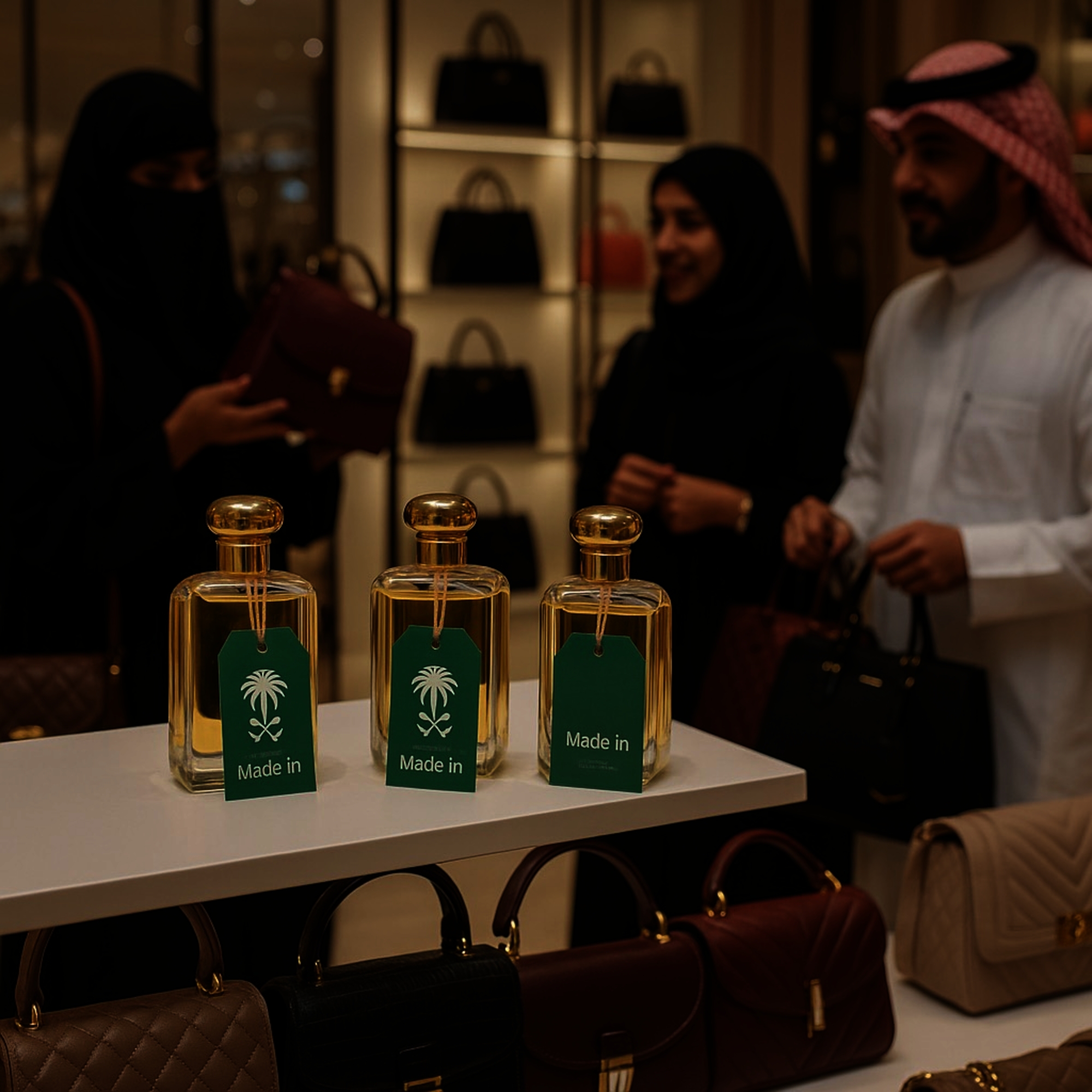
أكدت النيابة العامة أن الالتزام بدقة البيانات التجارية واجب نظامي يحمي المستهلك ويعزز نزاهة التعاملات التجارية داخل المملكة. وأوضحت في بيان توعوي أنَّه لا يجوز وضع اسم البائع أو عنوانه على منتجات واردة من بلد غير البلد الذي يحصل فيها البيع، ما لم يكن مقرونا ببيان دقيق مكتوب بحروف ظاهرة عن البلد أو الجهة التي صُنع أو أُنتج فيها، وذلك استنادا إلى نظام البيانات التجارية.
وجاء توضيح النيابة العامة في إطار الجهود الرامية إلى منع التضليل والغش التجاري وحماية الثقة العامة في الأسواق، إذ اعتبرت أن أي إخفاء أو تلاعب في بيانات المنشأ يُعد مخالفة صريحة توجب المساءلة القانونية، لما يترتب عليها من إيهام للمستهلك أو إضرار بالشفافية التي يقوم عليها النظام التجاري السعودي.
100 ألف ريال غرامة
من جهته، أوضح المحامي سلمان الرمالي أن نظام البيانات التجارية يفرض عقوبات صارمة على كل من يخالف أحكامه أو يقدم بيانات مضللة، مبينا أن العقوبات تشمل غرامة مالية تصل إلى 100 ألف ريال، وتُضاعف في حال تكرار المخالفة، مع إمكانية إغلاق المحل التجاري لمدة تصل إلى سنة في الحالات الجسيمة. كما يجوز للمحكمة -بحسب الرمالي- أن تأمر بمصادرة المنتجات المخالفة أو إتلافها أو نشر الحكم على نفقة المخالف في وسائل الإعلام، وذلك لضمان الردع العام وحماية السوق من أي ممارسات غير نظامية.
حماية المستهلك والمنشآت
وأضاف الرمالي أن تطبيق نظام البيانات التجارية لا يقتصر على حماية المستهلك فقط، بل يشمل حماية المنشآت النظامية الملتزمة بالقوانين، ومنع أي ممارسات تضر بمبدأ المنافسة العادلة أو تسيء إلى سمعة السوق المحلية، مشيرا إلى أن البيان التجاري الصحيح هو جزء من هوية المنتج، وأي تحريف فيه يُعد تزويرا تجاريا يُخالف قواعد العدالة الاقتصادية.
وتؤكد النيابة العامة أن التزام المنشآت والموردين بذكر بلد المنشأ والجهة المنتجة بشكل واضح ودقيق يمثل أحد أهم معايير الشفافية التجارية في المملكة، ويأتي انسجاما مع جهود الدولة في تعزيز النزاهة، وترسيخ الثقة في بيئة التجارة الوطنية، وحماية المستهلك من التضليل أو الغش في البيانات التجارية.
The Public Prosecution confirmed that adherence to the accuracy of commercial data is a regulatory obligation that protects consumers and enhances the integrity of commercial transactions within the Kingdom. It clarified in an awareness statement that the seller's name or address cannot be placed on products imported from a country other than the one where the sale occurs, unless it is accompanied by a precise written statement in clear letters about the country or entity where it was manufactured or produced, based on the Commercial Data System.
The clarification from the Public Prosecution came as part of efforts aimed at preventing misleading and commercial fraud and protecting public trust in the markets, as it considered that any concealment or manipulation of origin data constitutes a clear violation that necessitates legal accountability, due to the resulting deception for the consumer or harm to the transparency on which the Saudi commercial system is based.
100,000 Riyal Fine
For his part, lawyer Salman Al-Ramali explained that the Commercial Data System imposes strict penalties on anyone who violates its provisions or provides misleading data, noting that the penalties include a financial fine of up to 100,000 Riyals, which is doubled in case of repeated violations, with the possibility of closing the commercial establishment for up to a year in severe cases. The court may also - according to Al-Ramali - order the confiscation of the violating products or their destruction or the publication of the ruling at the violator's expense in the media, in order to ensure public deterrence and protect the market from any irregular practices.
Consumer and Establishment Protection
Al-Ramali added that the implementation of the Commercial Data System is not limited to protecting consumers only, but also includes protecting compliant legal establishments and preventing any practices that harm the principle of fair competition or tarnish the reputation of the local market, pointing out that accurate commercial data is part of the product's identity, and any distortion in it is considered commercial fraud that violates the rules of economic justice.
The Public Prosecution emphasizes that the commitment of establishments and suppliers to clearly and accurately mention the country of origin and the producing entity represents one of the most important standards of commercial transparency in the Kingdom, aligning with the state's efforts to enhance integrity, establish trust in the national trade environment, and protect consumers from misleading or fraudulent commercial data.